How to hunt for the Northern Lights in Iceland? This guide provides practical insights to maximize your chances of witnessing the aurora borealis during your stay. We cover timing, location strategies, DIY hunting techniques, and the advantages of guided tours. Note that this article focuses on practical hunting tips rather than the science behind the phenomenon.
When to Visit Iceland for Northern Lights
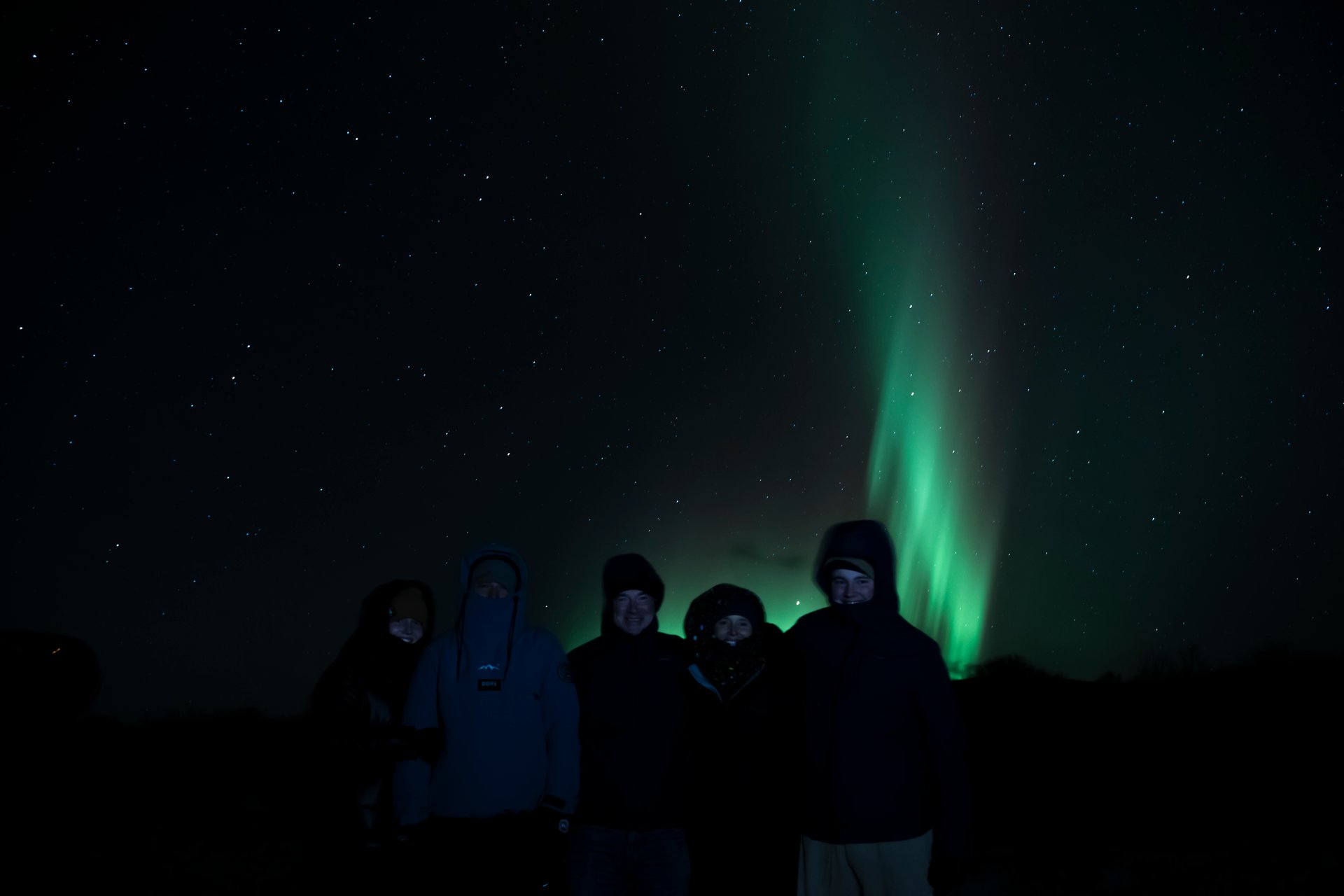
The aurora borealis requires darkness to be visible. This seemingly obvious fact carries significant weight at Iceland’s northern latitude, where summer brings up to 24 hours of daylight and winter reduces days to barely 4 hours.
The first auroras typically appear during the second half of August, though long twilight hours mean they only become visible late at night. The season extends until mid-April, when lengthening days again push viewing opportunities to late hours.
The optimal Northern Lights window in Iceland runs from September to March. Within this period, the darkest months from November to February offer the longest viewing windows each night.
Can You See Northern Lights from Reykjavík?
Light pollution diminishes aurora visibility. For optimal viewing, darkness away from city lights is essential.
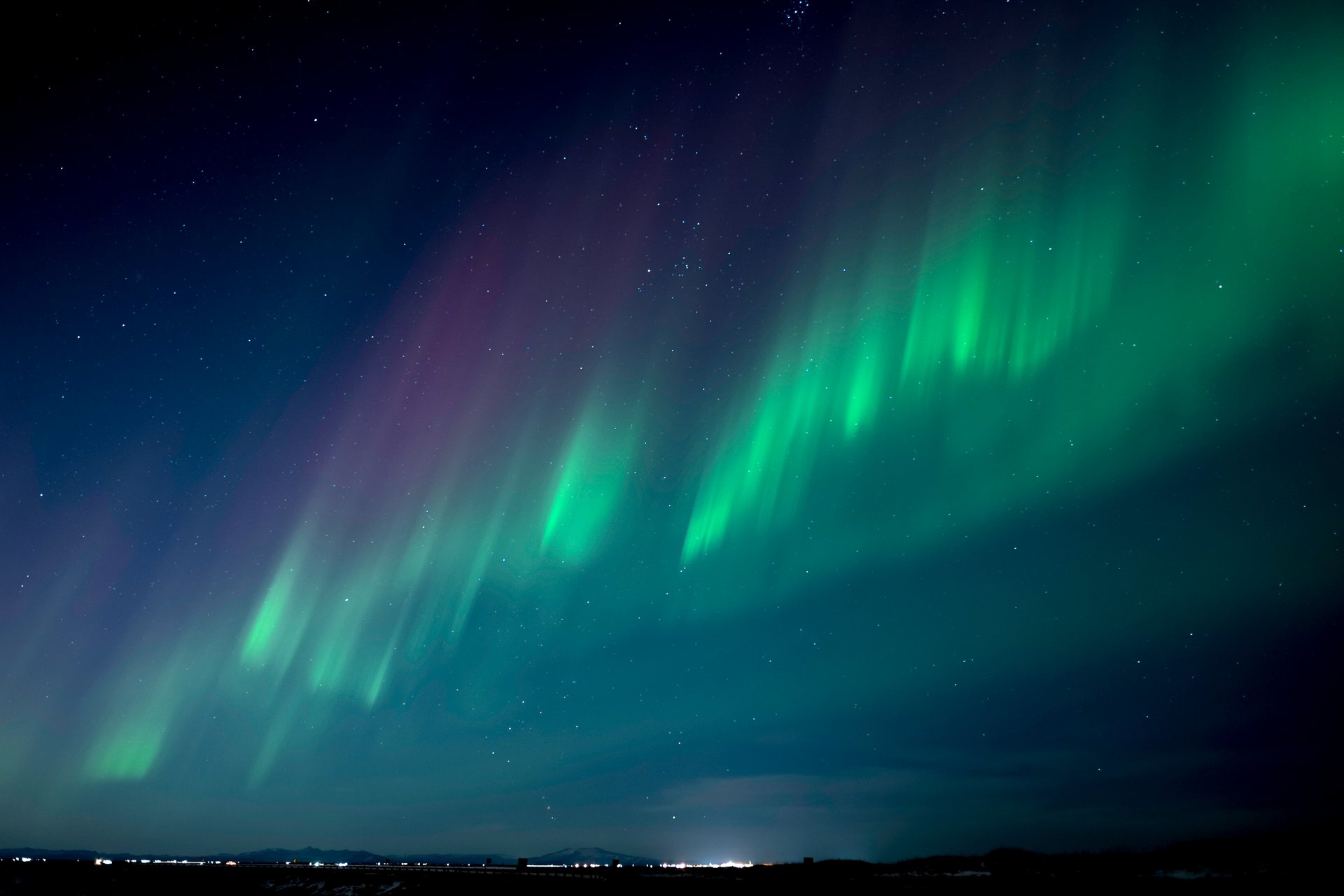
However, the answer depends on aurora intensity. Strong displays remain visible even from downtown Reykjavík. Walk to the shore at Grótta or Sæbraut, and you can witness a decent show. During years of peak solar activity, such as 2025 and 2026, city-center viewing has been possible on many nights. See our photo report from November 11, 2025 showcasing the spectacular display visible that night.
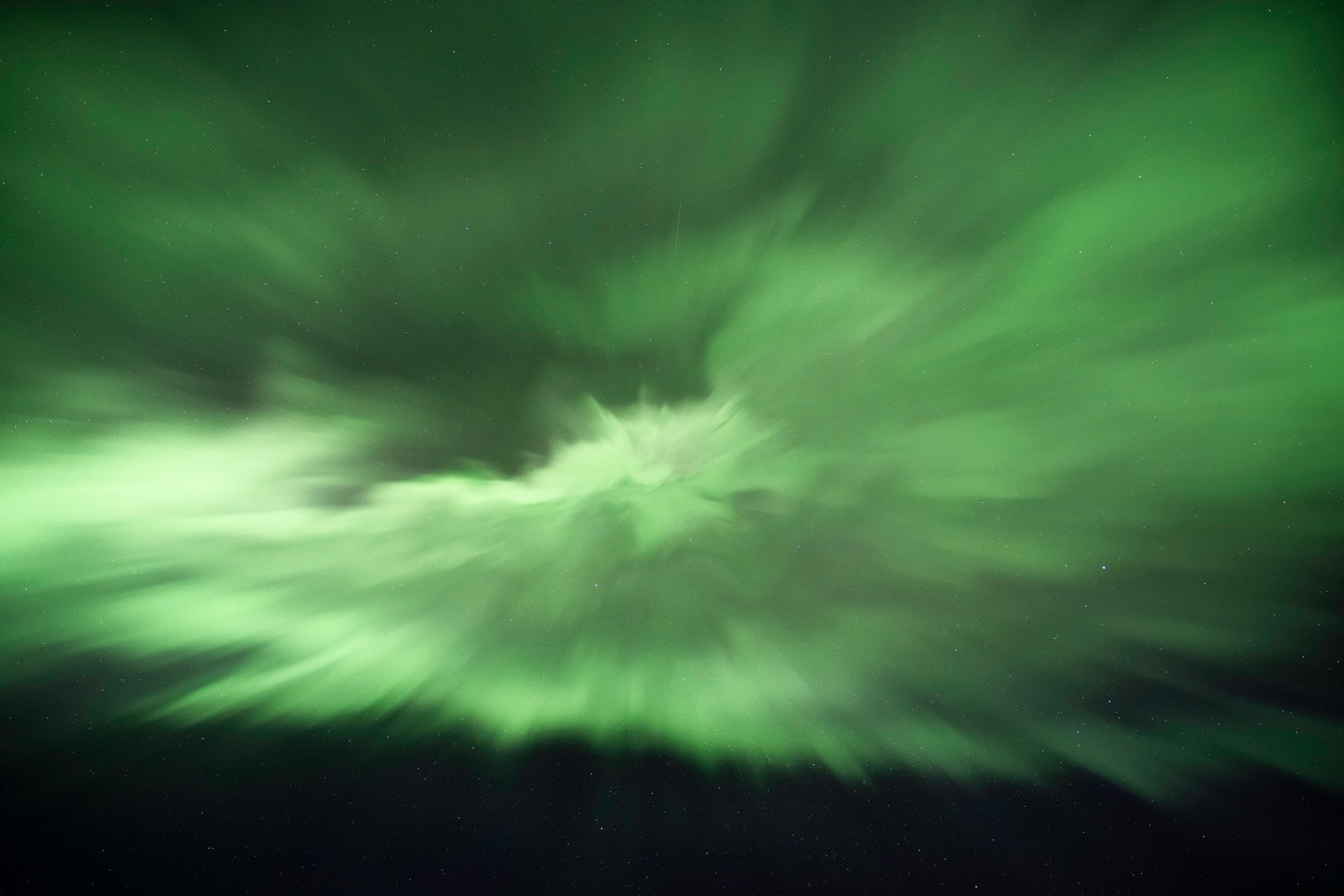
That said, auroras always appear brighter and more colorful from dark countryside locations. Moderate activity that produces spectacular displays in rural areas may barely register in Reykjavík.
How to Hunt Northern Lights Independently
If you have a rental car and want to chase auroras yourself, you will typically need to drive 45 minutes to an hour from Reykjavík to reach sufficiently dark locations.
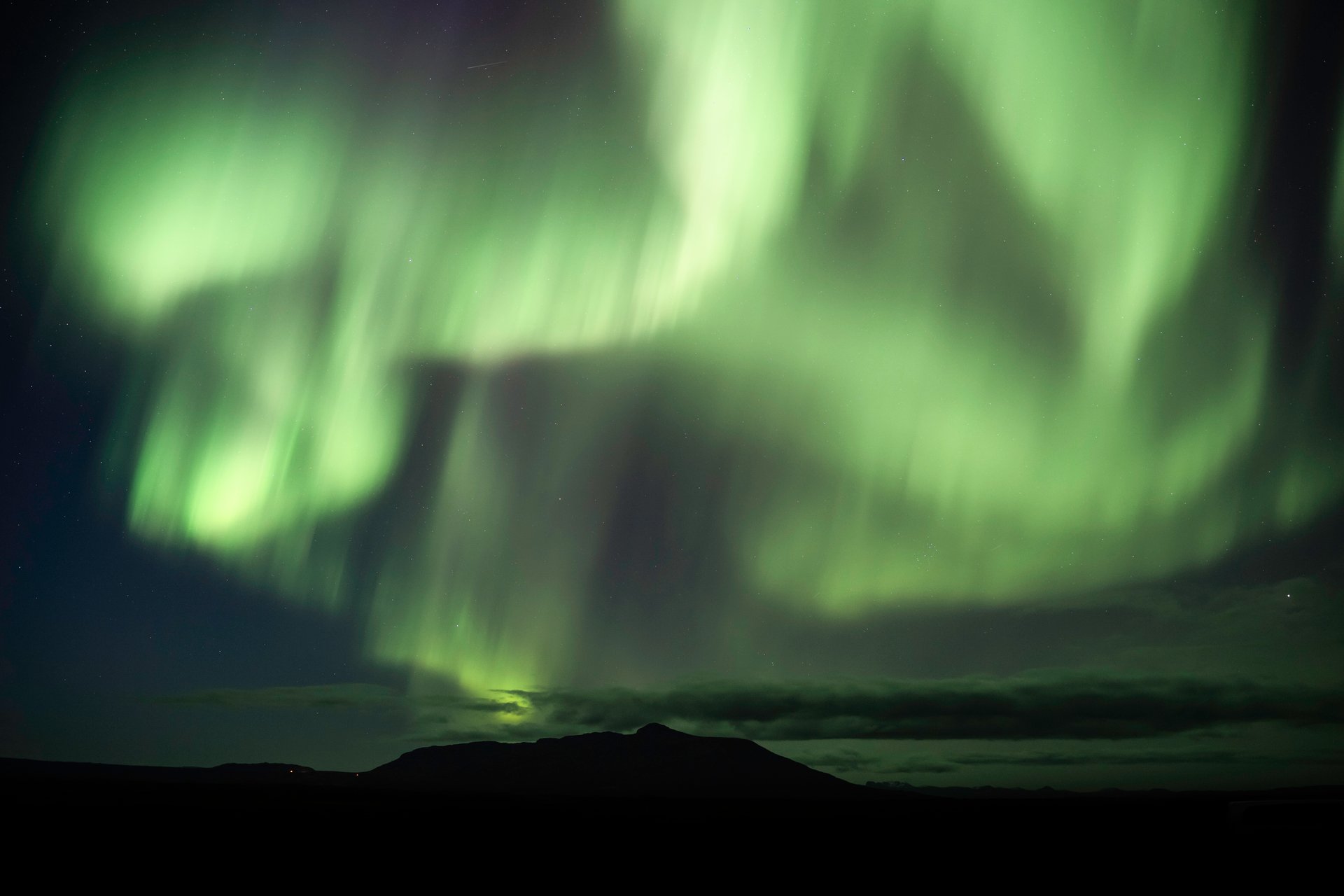
Step 1: Check Weather and Road Conditions
Winter driving in Iceland requires careful preparation. Icy roads combined with strong winds create dangerous conditions. Getting stuck in snow or having an accident in freezing temperatures far from assistance can turn into a serious situation.
Before departing, always consult:
- vedur.is - Weather forecasts
- road.is - Road conditions
- safetravel.is - Travel safety advisories
If conditions look problematic, postpone your hunt.
Step 2: Read the Cloud Cover Forecasts
Clear skies are essential. The aurora borealis occurs far above Earth’s weather systems, making it invisible beneath cloud cover.
The Northern Lights forecast page on vedur.is displays cloud cover predictions. The primary map shows low and mid-level clouds.
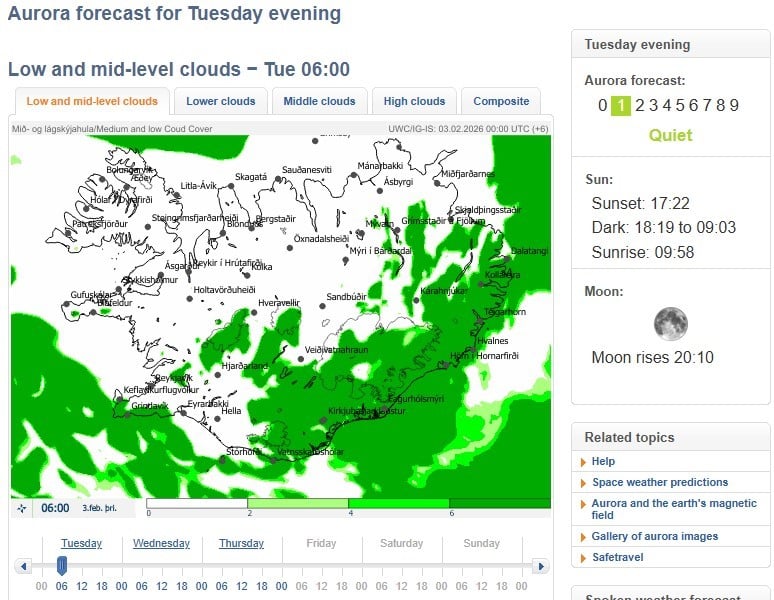
White areas indicate clear skies, green areas indicate cloud cover. Use this information to identify your destination.
Important: Also check the high clouds layer for a complete picture.
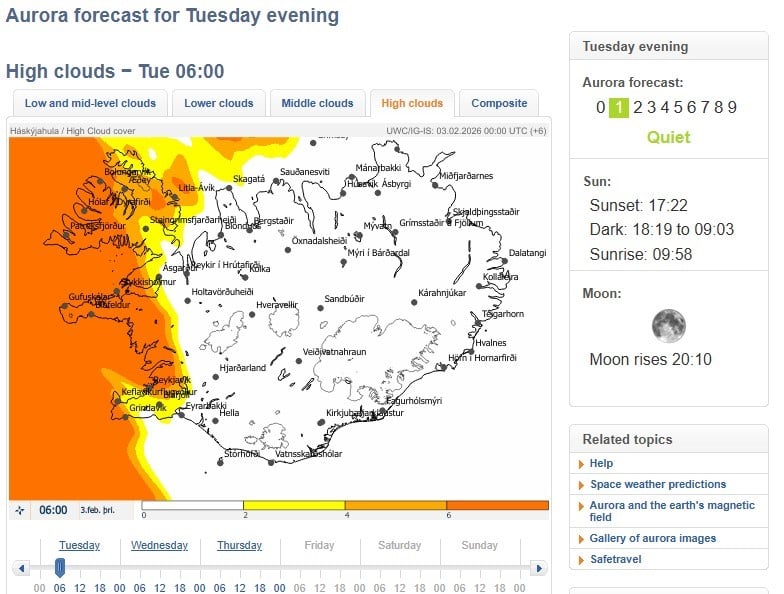
High clouds form a thinner layer than low clouds. During intense aurora activity, lights may penetrate thin high clouds, though clarity suffers. More importantly, high cloud forecasts prove less reliable. Wind often breaks up high clouds unexpectedly, revealing clear patches where none were predicted.
What About the KP Index?
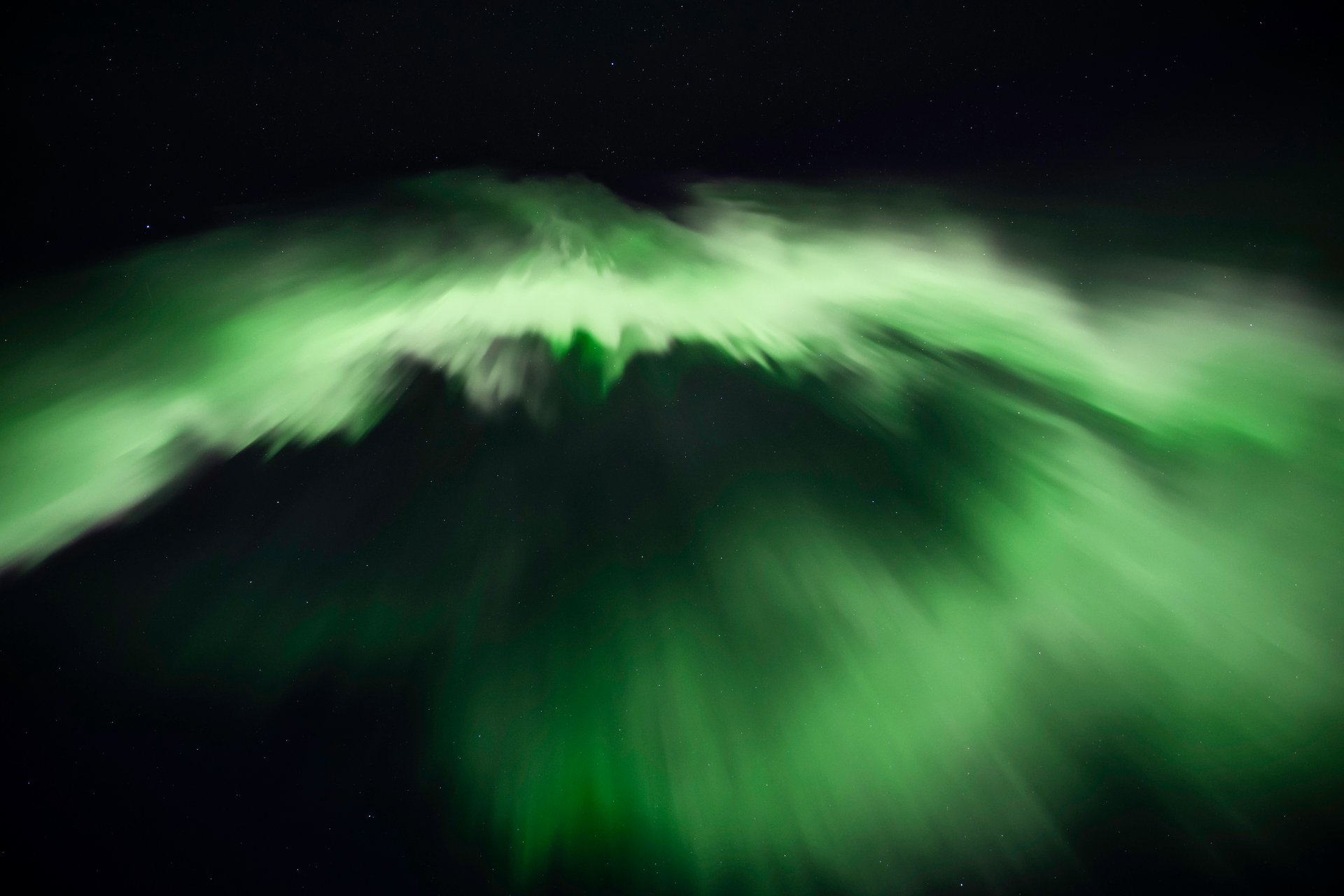
The KP index receives considerable attention but proves unreliable as a sole indicator. Having guided hundreds of Northern Lights tours, I have witnessed spectacular auroras at KP 2 and underwhelming displays at KP 5. The same applies to smartphone apps predicting percentage chances of aurora sightings. Professional guides do not rely on these tools.
Step 3: Pack for Safety and Comfort
You will spend extended time stationary in sub-arctic temperatures. Standing still while watching the sky generates no body heat. Dress in warm layers and consider bringing a thermos with hot drinks.
Beyond comfort, prepare for emergencies. What if your car breaks down at -10°C? What if roadside assistance takes hours to arrive?
Pack extra clothing, blankets, and emergency supplies. A critical but often overlooked point: never depart without a full tank of fuel. If stranded, running the engine for heat could prove essential.
Ensure your phone has sufficient battery for emergencies and photography. If traveling with others, designate one phone for pictures and keep another in reserve.
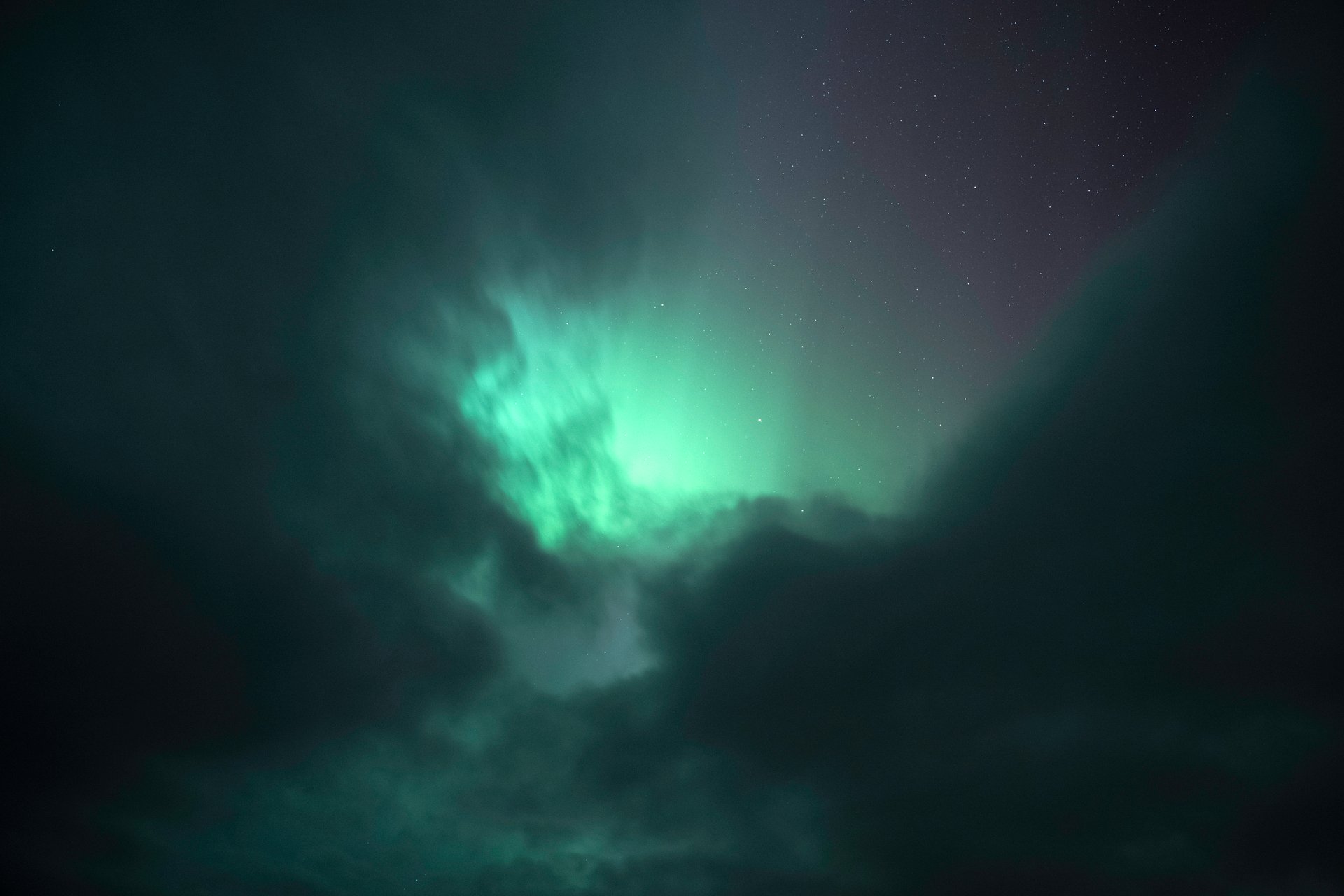
For photography, a tripod enables long exposures essential for capturing aurora images.
Step 4: Drive Safely and Park Properly
With preparations complete, drive toward your chosen observation area. Never park on the road, half on the road, or anywhere that is not a designated rest area or parking spot. This endangers you and other drivers.
Beware of what appear to be parking areas along road shoulders. These are actually overtaking lanes for cars turning left, designed for vehicles traveling at full speed. They typically display a blue sign with a red cross meaning “No parking or stopping.”
Step 5: Wait Patiently
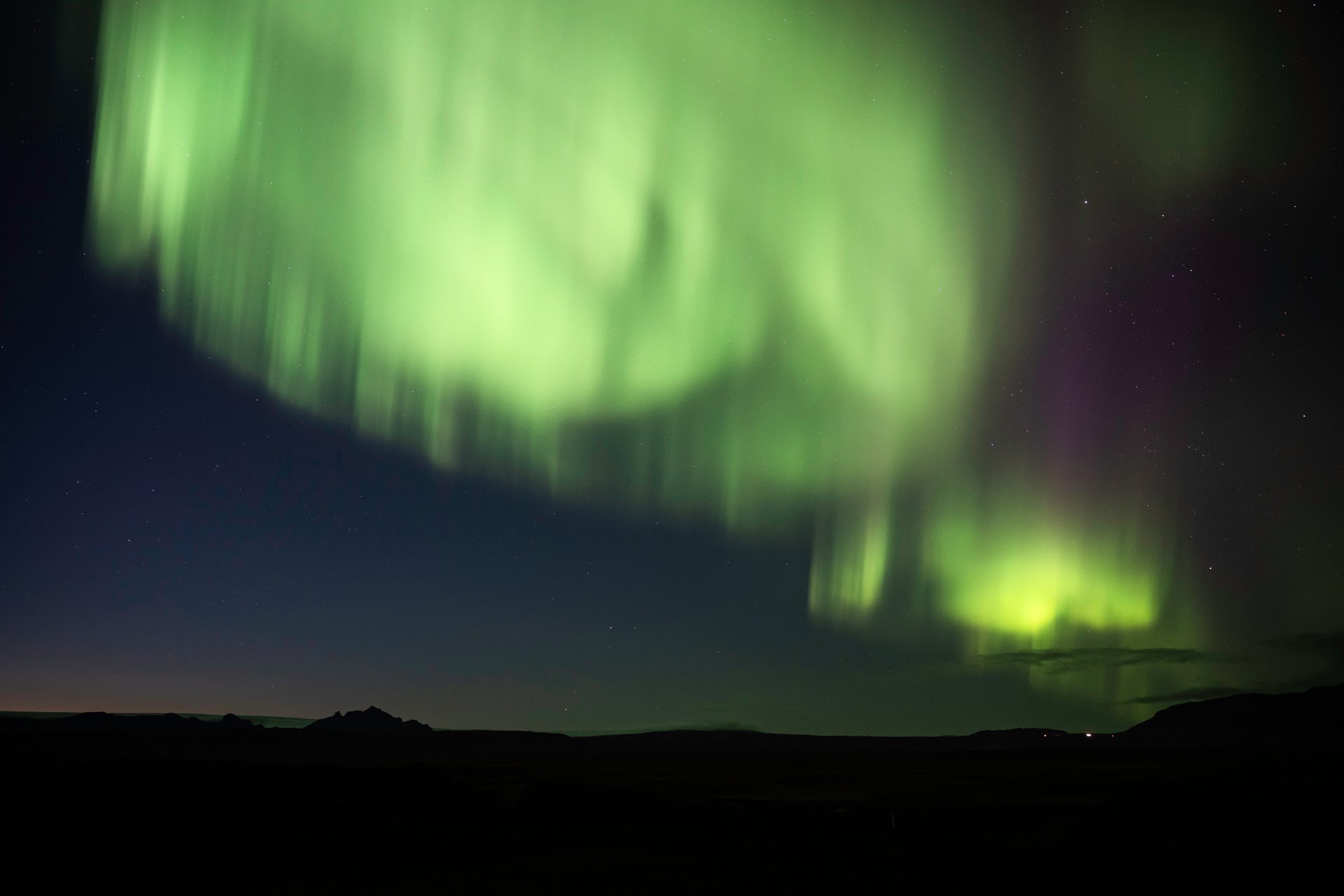
The Northern Lights follow no schedule. Head out as soon as darkness falls and exercise patience. Seeing the aurora combines luck with persistence. The less fortunate you are, the more patience becomes necessary.
Some nights produce results within minutes; others require hours. Every night differs.
Step 6: Enjoy the Experience
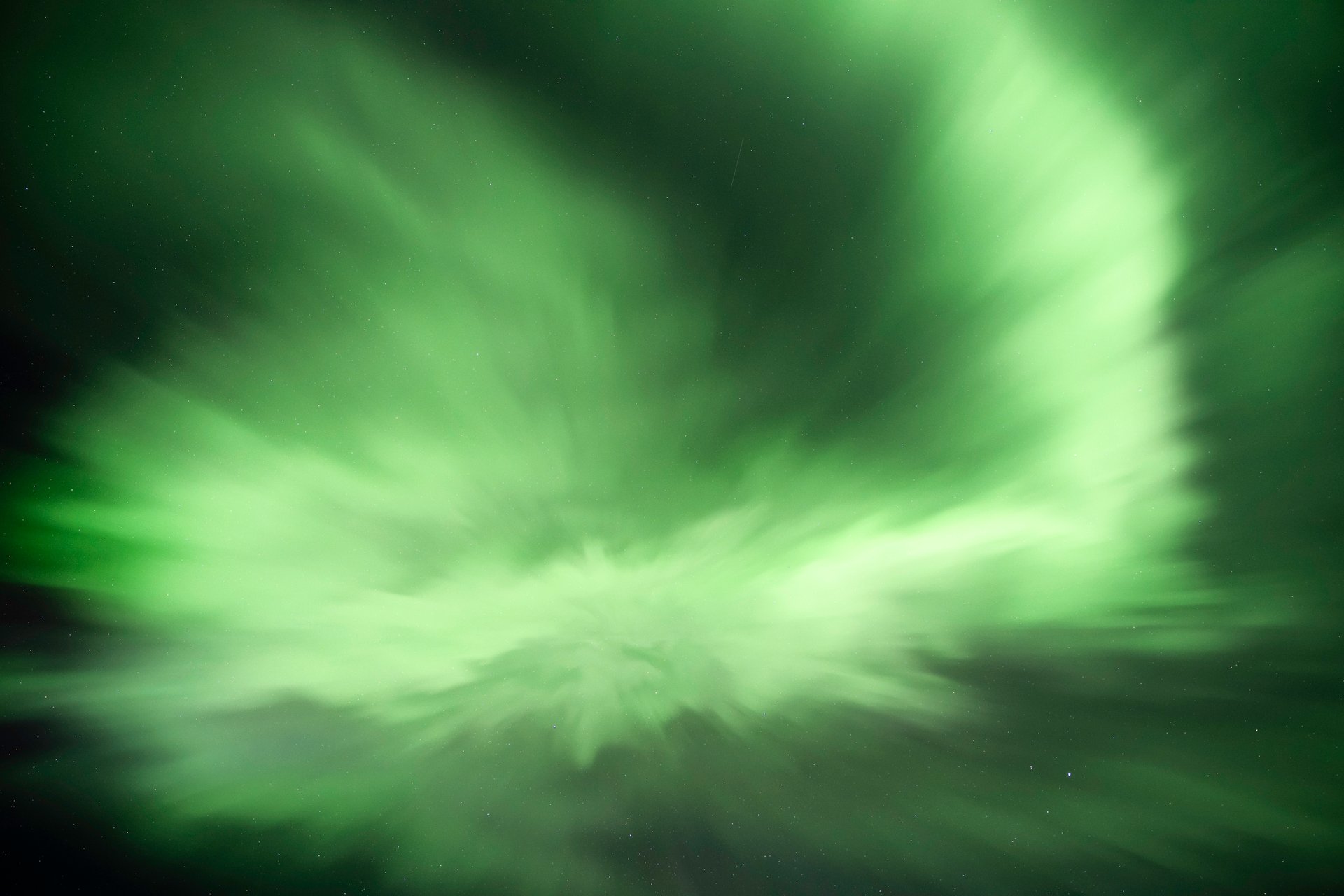
Park safely, exit your vehicle, and wait. If you followed all recommendations and no aurora appears, you should still find yourself beneath a stunning star-filled sky visible only from locations far from light pollution. Watch for shooting stars.
And if the lights do appear, savor every moment.
Why Take a Northern Lights Tour?
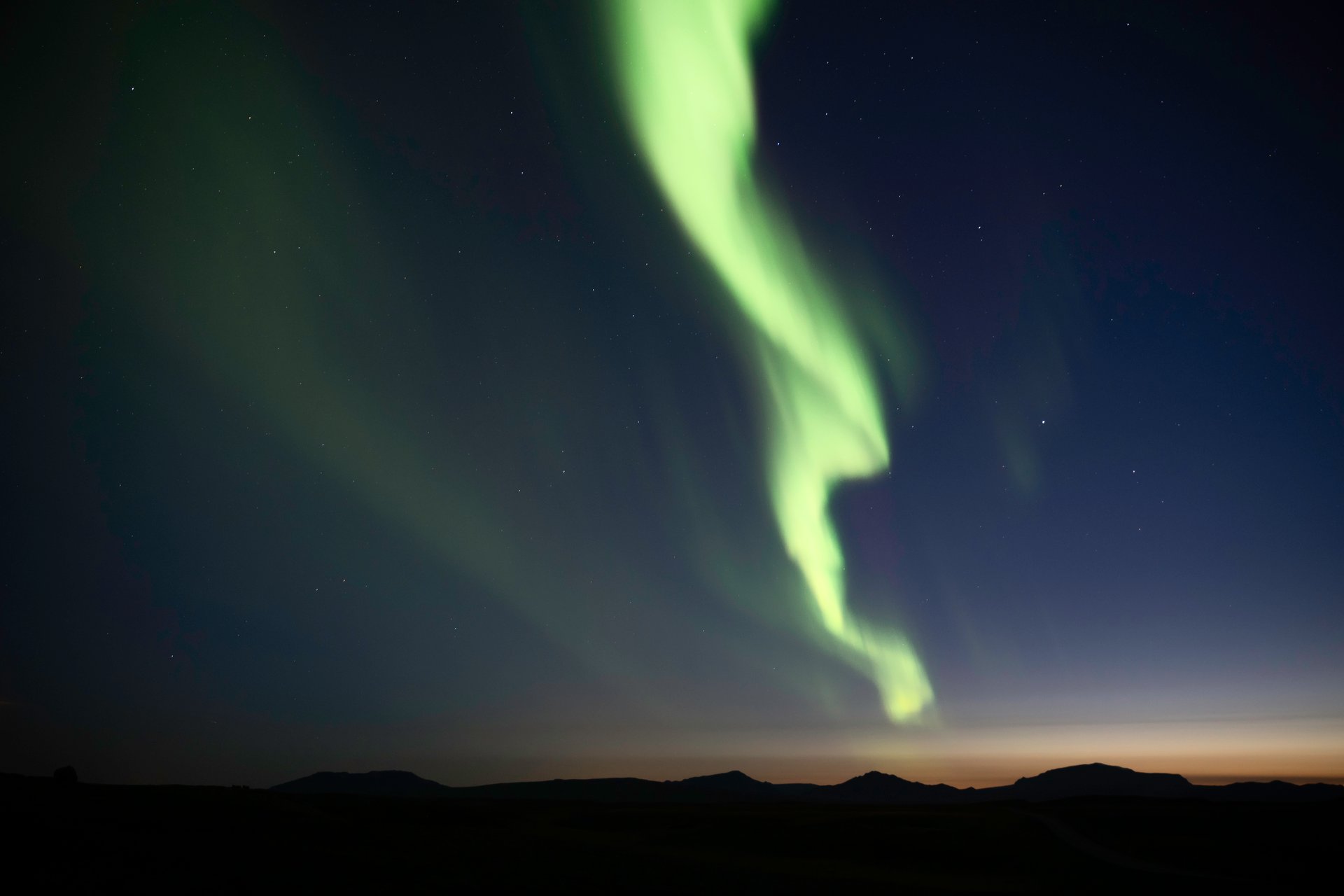
Online forums often suggest simply driving into the darkness and waiting. While not technically wrong, this oversimplifies a process that sometimes works and sometimes fails. Consider these advantages of guided tours.
We offer private Northern Lights tours and work with a reliable partner specializing in small group Northern Lights tours with free rebooking if aurora activity disappoints.
Safety
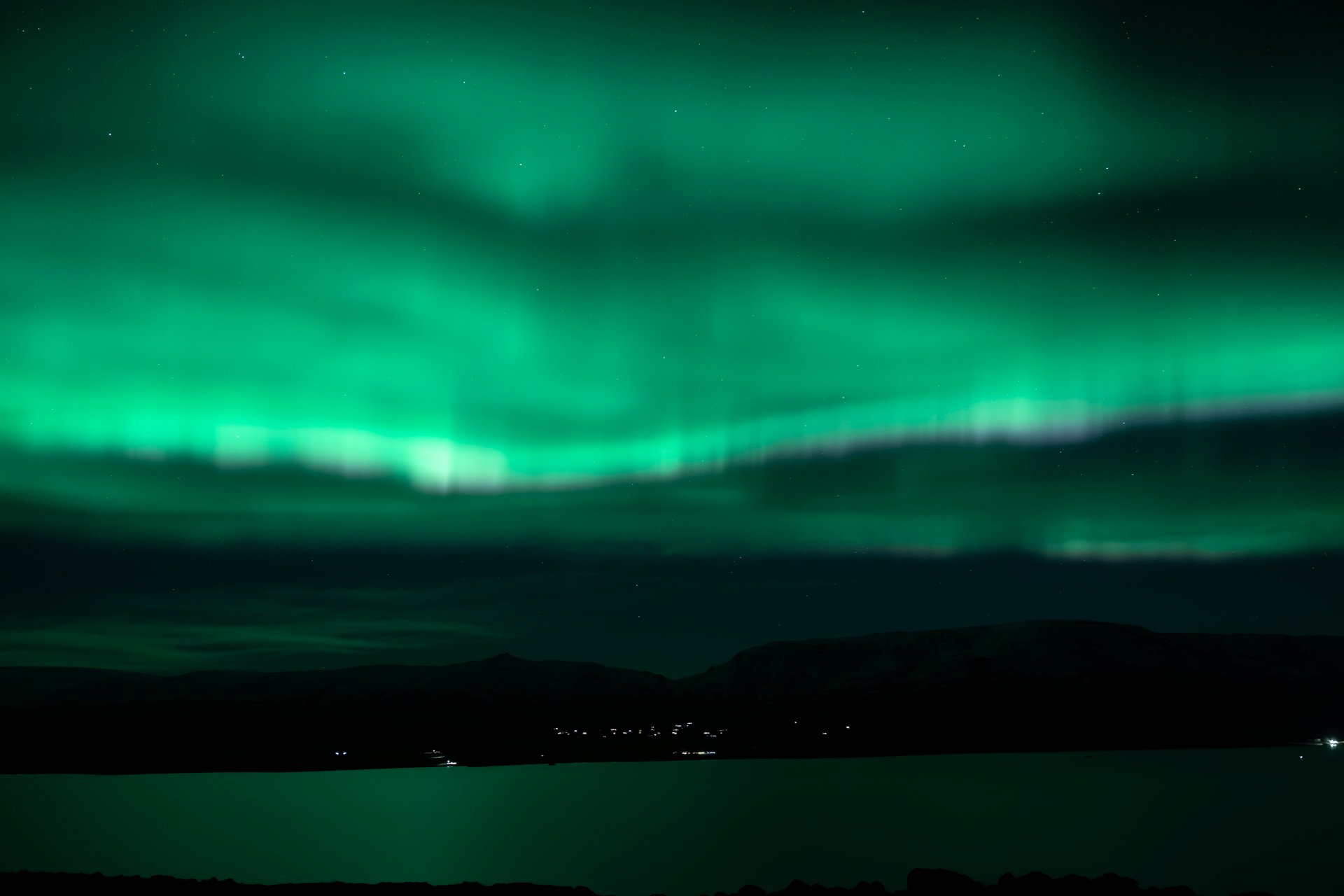
Professional guides verify weather and road conditions before departure. In emergencies, guides know proper procedures and can resolve situations faster than untrained travelers.
Local Expertise for Finding the Best Locations
While cloud cover dictates most location decisions, local knowledge fills crucial gaps. Experienced guides know where to stop for unobstructed horizons. Auroras often appear low on the horizon rather than directly overhead. A guide understands exactly where terrain features like mountains might block views. This knowledge can determine whether you see the Northern Lights or spend the night searching unsuccessfully.
Handling Easy Nights vs. Difficult Nights
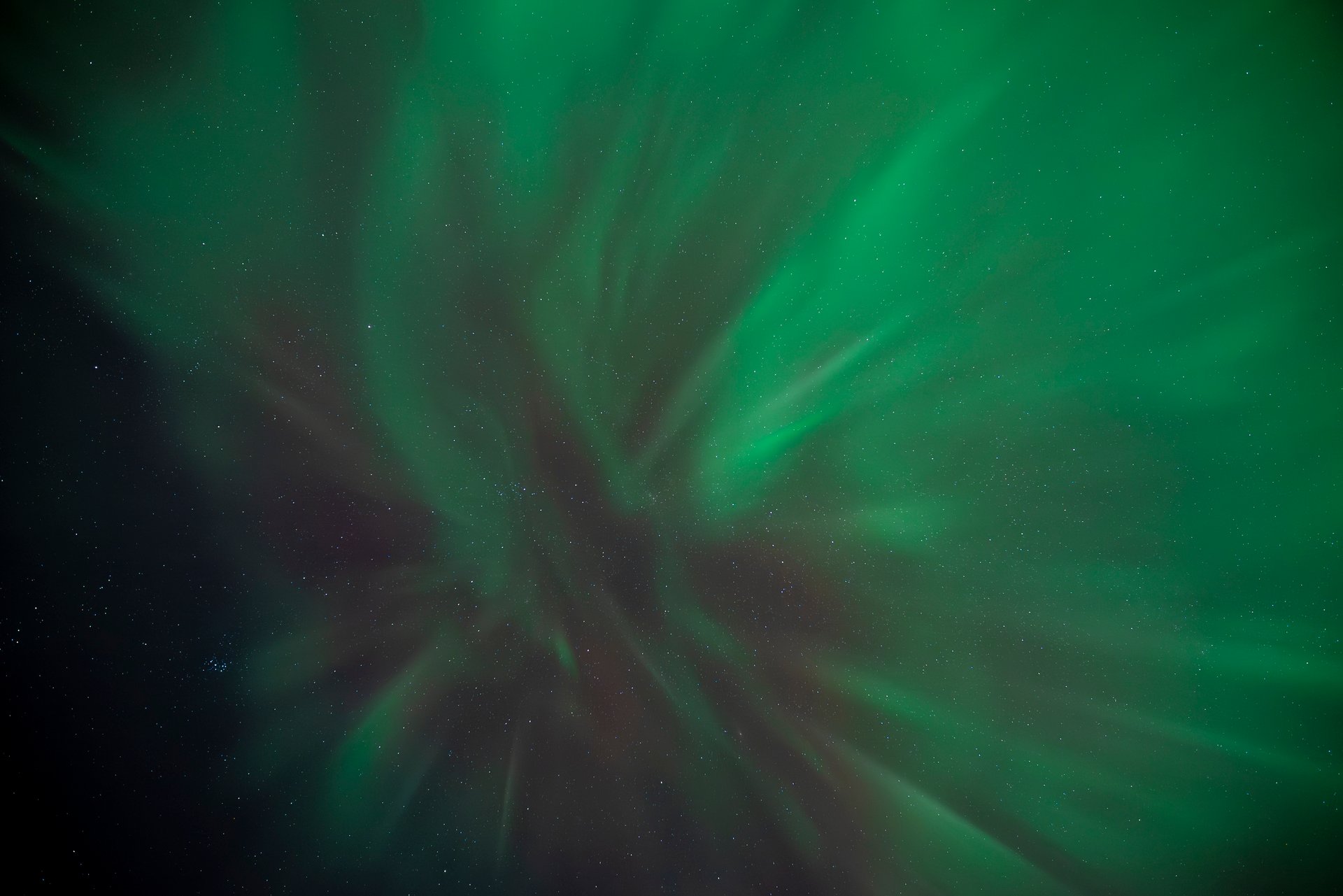
Not all nights present equal challenges. Clear skies and strong activity create easy conditions where any countryside parking spot offers good viewing.
Other nights prove trickier. Cloud cover forecasts can be complex, with conditions evolving throughout the night. Years of guiding experience help interpret weather patterns and anticipate optimal times and locations.
Weather forecasts are just predictions, sometimes wrong. Guides maintain constant contact with each other, sharing real-time conditions. When forecasts fail and clouds cover an area that should be clear, guides know immediately where colleagues report clear skies.
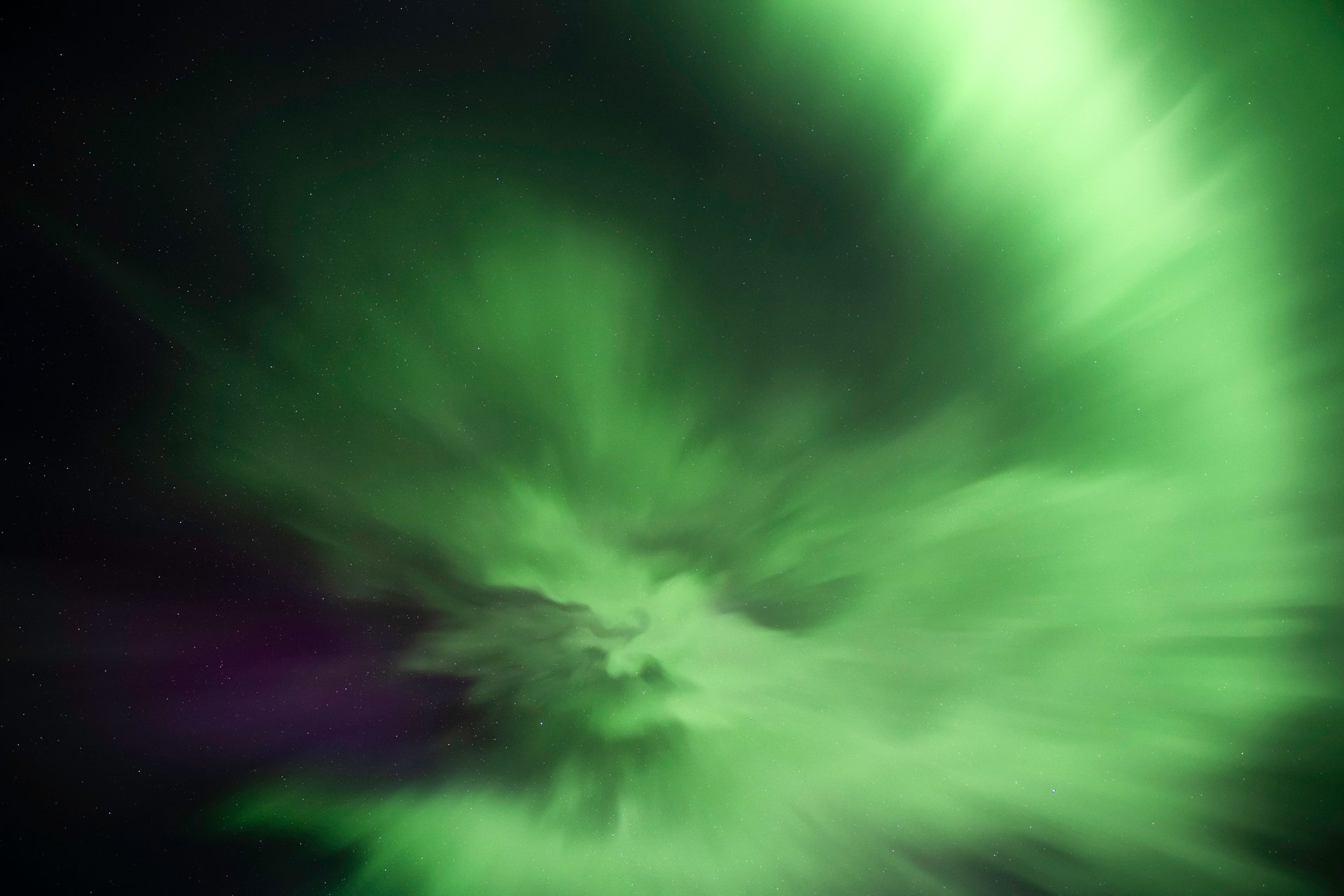
On favorable nights, guides know the most photogenic locations featuring compelling foregrounds for aurora photography.
For private tours, guides actively avoid areas where group tours congregate, ensuring a more intimate experience.
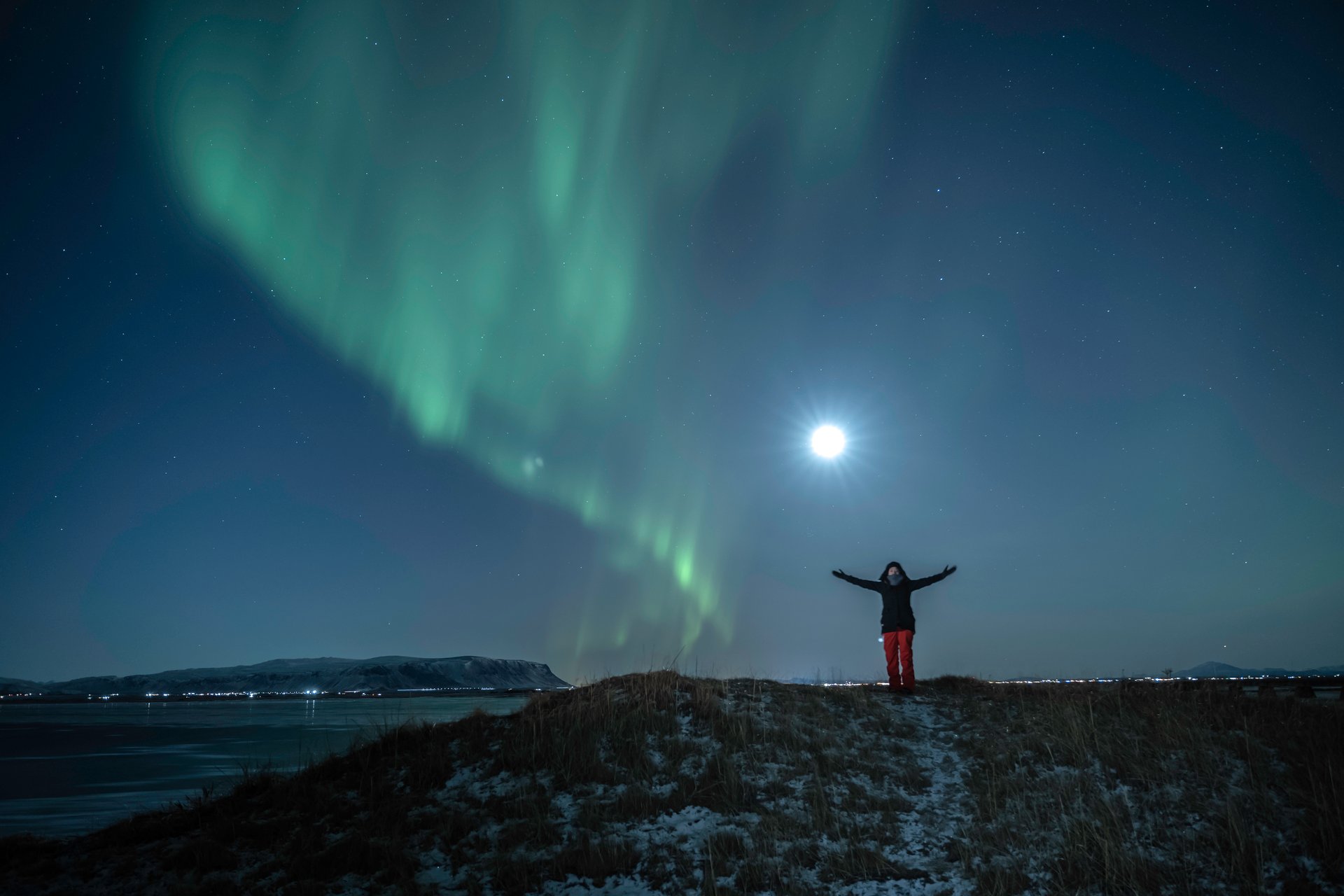
An Alternative Strategy
If you prefer not to drive for hours at night but have a rental car, consider booking accommodation in the countryside. Wait for nightfall, walk five minutes from the building to escape its light pollution, and position yourself under ideal conditions without driving anywhere.
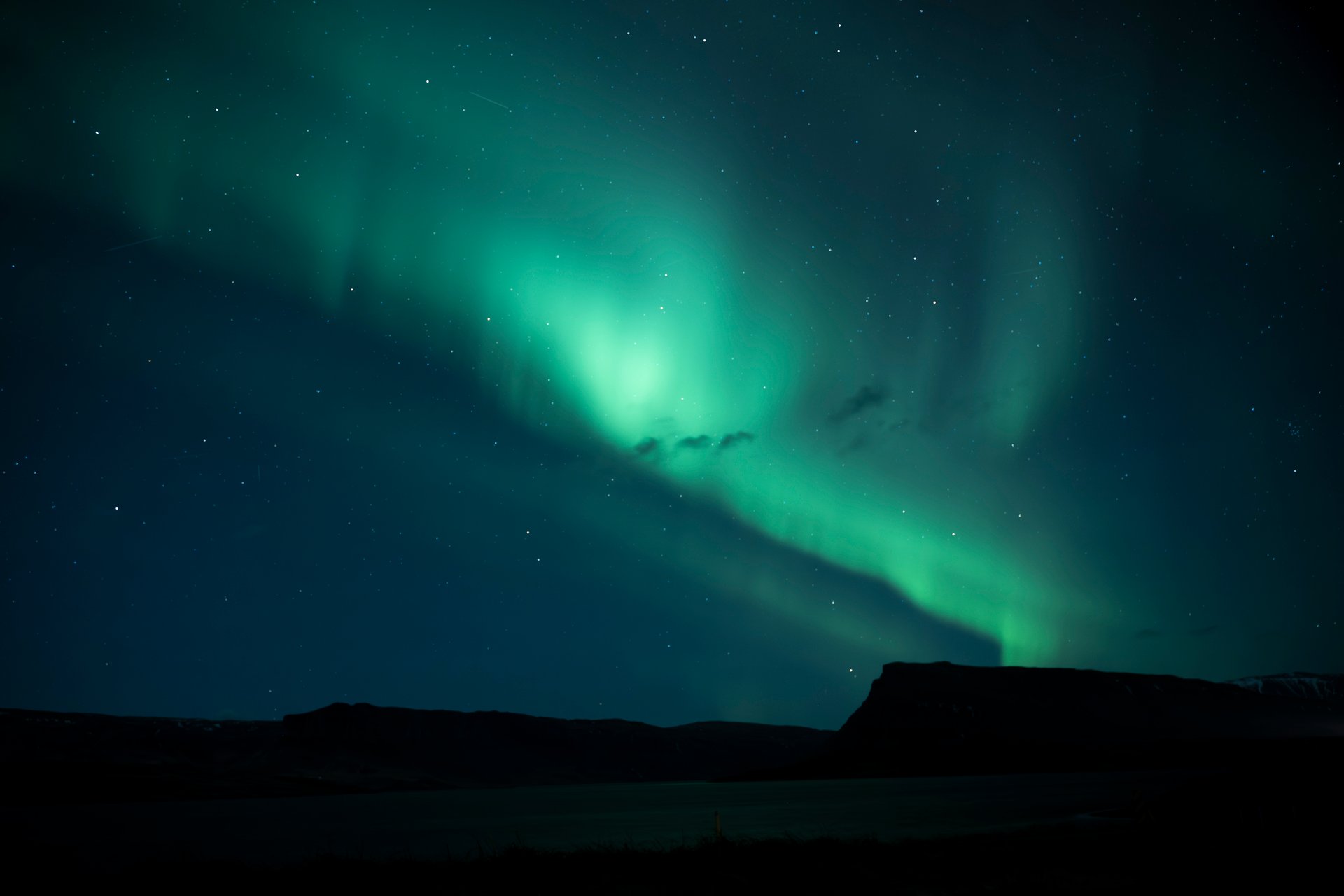
Northern Lights Tour Options
Private Aurora Experience
For maximum flexibility and personalized attention, our private Northern Lights tour adapts entirely to forecasts and your preferences. Departure times adjust based on conditions, and your guide selects locations specifically to maximize your chances of witnessing displays like the spectacular November 2025 show.
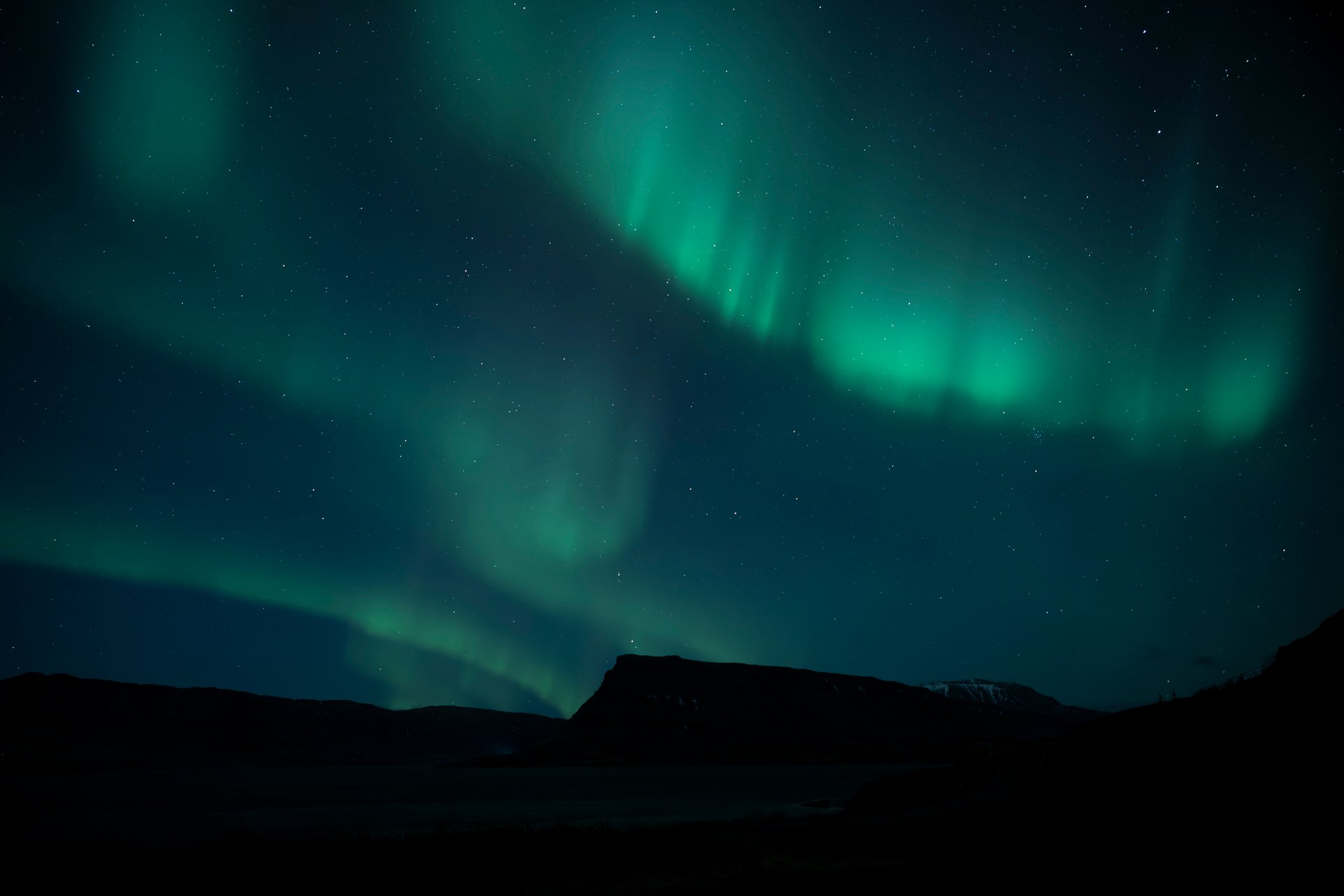
Small Group Tour
Join a small group Northern Lights tour limited to 19 guests for intimate aurora hunting with expert guides. Tours include complimentary Reykjavík pickup, warm blankets, hot chocolate, and photography assistance. If no Northern Lights appear, free rebooking provides another opportunity.
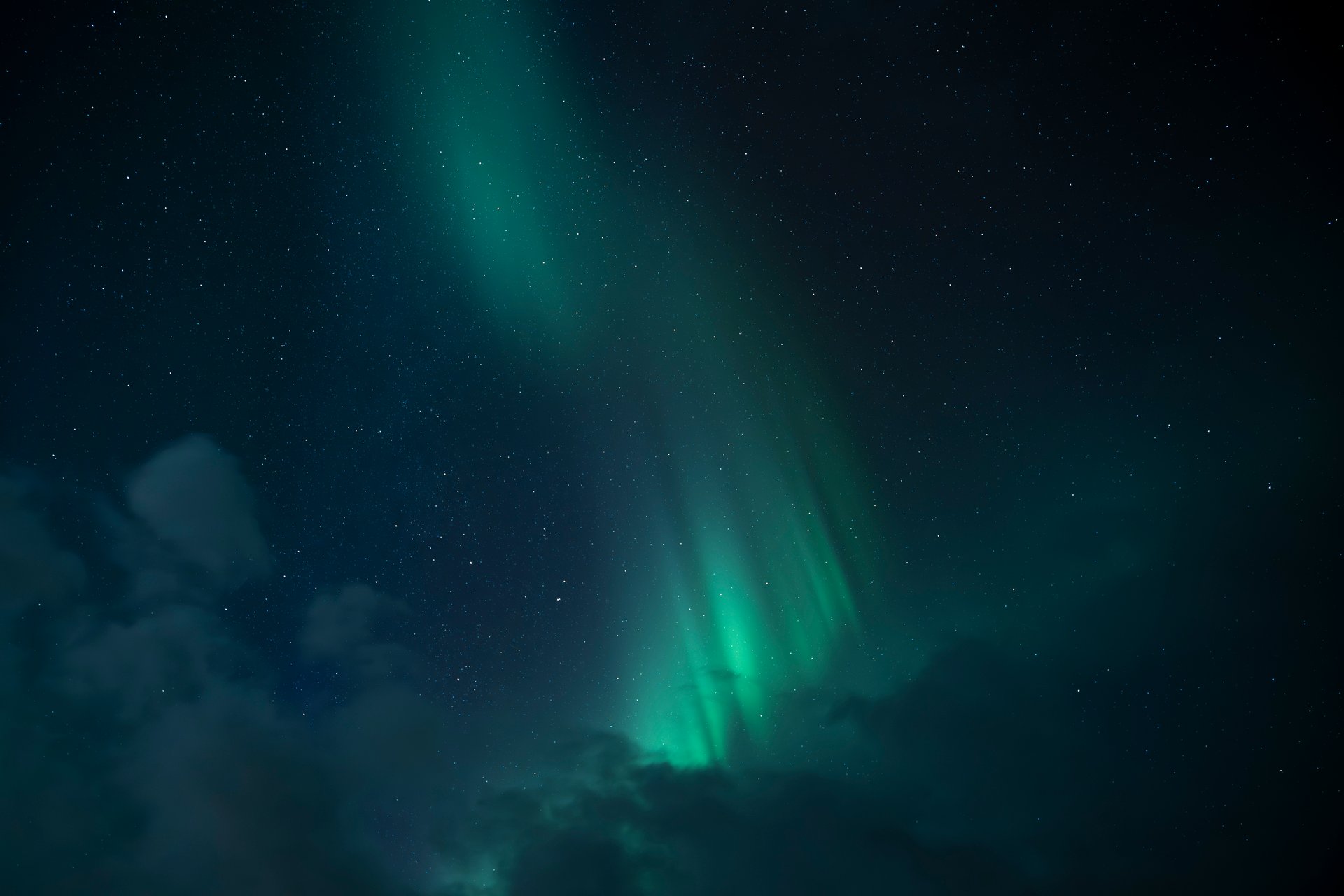
Conclusion
Hunting the Northern Lights in Iceland combines preparation, patience, and luck. Understanding when to visit (September through March), how to read weather forecasts, where to find darkness, and what safety precautions to take dramatically improves your chances. Whether you choose to hunt independently or join a guided tour, the aurora borealis rewards those who seek it with one of nature’s most spectacular displays.