As you may or may not know, a new episode of volcanic unrest started in 2021 on the Reykjanes peninsula. If pictures of the first eruptions went around the world, with people standing close to orange glowing lava, not all eruptions are visitable (we call them tourists eruptions!). You can follow this link to see our pictures of those eruptions, and this one to learn more about the recent volcanic history of the Reykjanes Peninsula.
So, if you are traveling to the land of fire and ice, the most volcanic island on the planet, how can you see some lava? Because even if an eruption is happening, it might be closed to the public. This is what we are going to unwrap in this article.
The Golden Era: 2021-2023 Tourist Eruptions
The Fagradalsfjall volcanic system delivered three remarkable eruptions during this period, earning them the nickname “tourist eruptions” for one simple reason: you could actually walk up and watch them safely.
The 2021 Fagradalsfjall Eruption
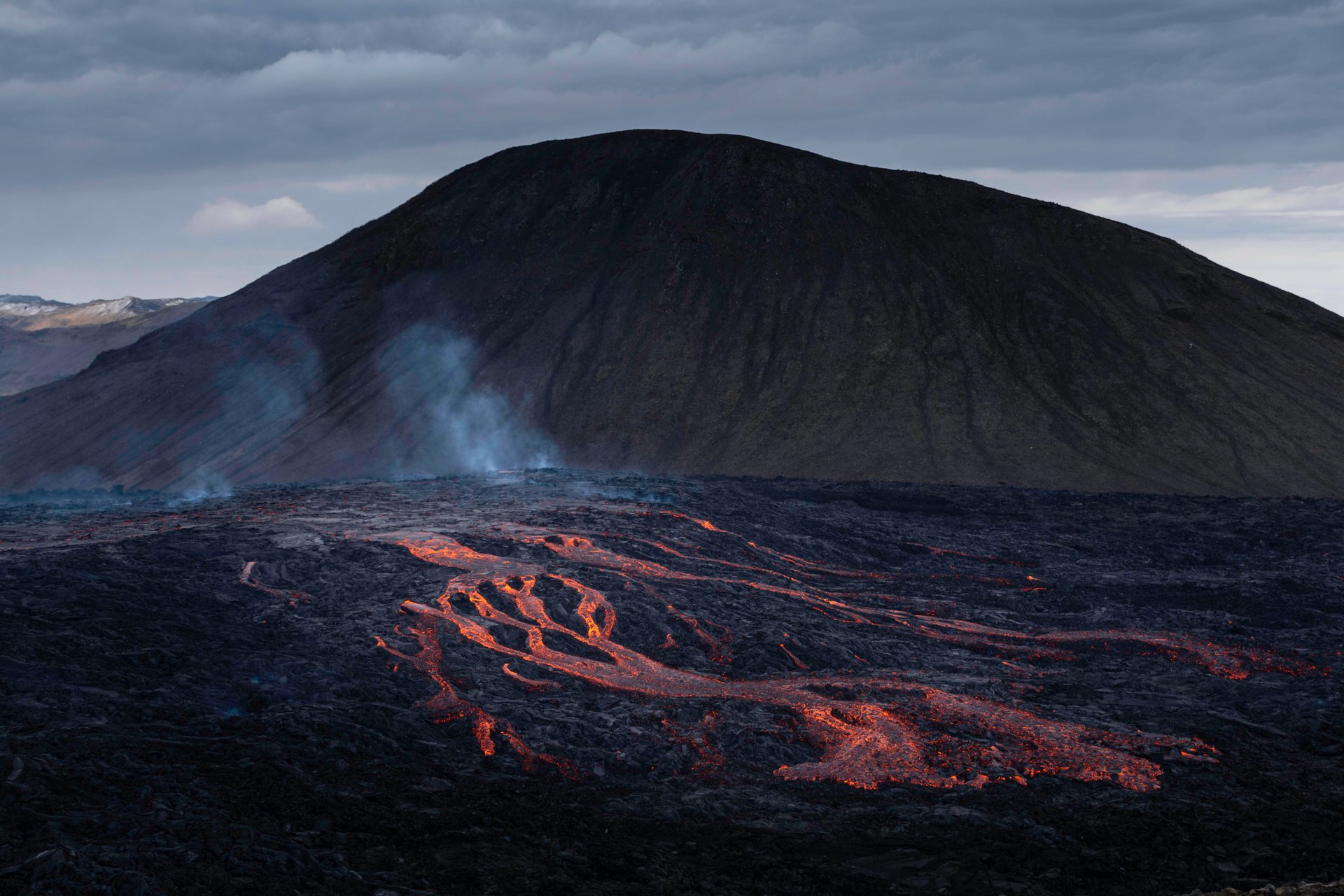
March 19, 2021 marked the beginning of something extraordinary in Geldingadalir valley. For half a year, this eruption put on a show that drew visitors by the hundreds of thousands. What made it special? Simple: it erupted in the middle of nowhere, far from homes and infrastructure, with hiking trails that made it reasonably safe to approach.
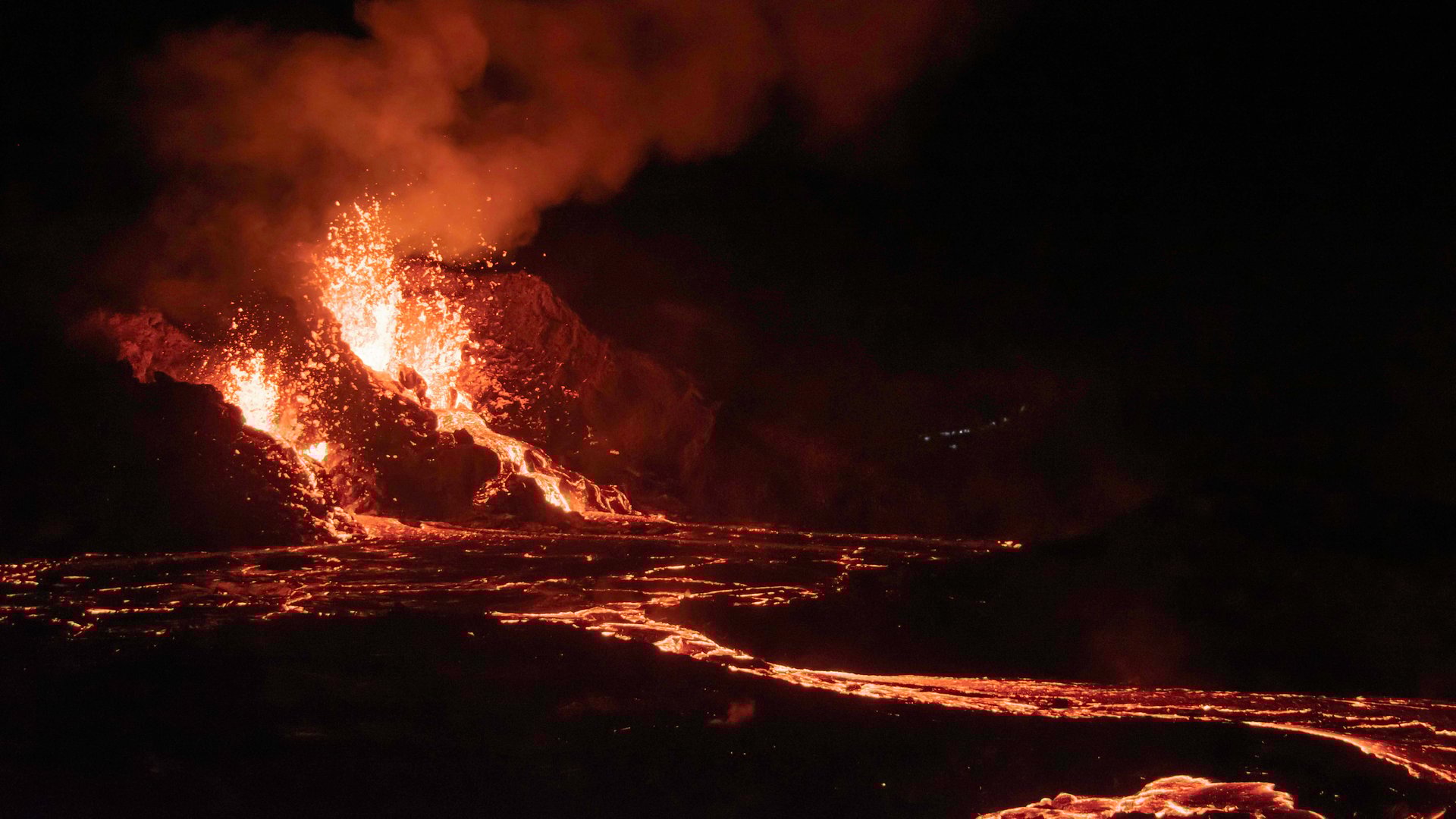
Picture this: you’re standing on volcanic rock, watching fountains of molten lava spray skyward, orange rivers carving their path across the blackened landscape, and at night, the entire valley glowing like something from another planet. By the time it stopped in September, the eruption had painted more than 4.8 square kilometers with fresh lava.
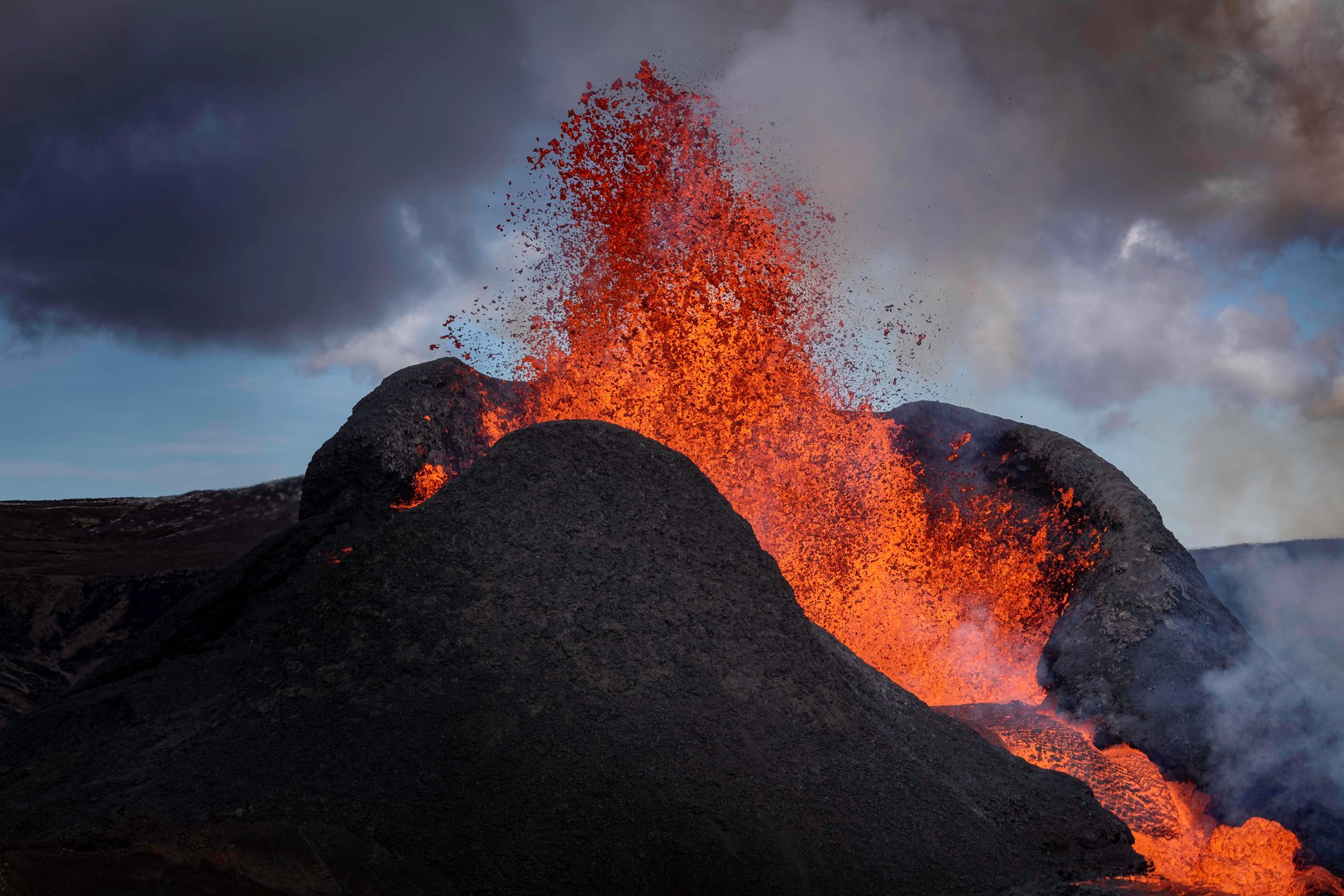
The 2022 Meradalir Eruption
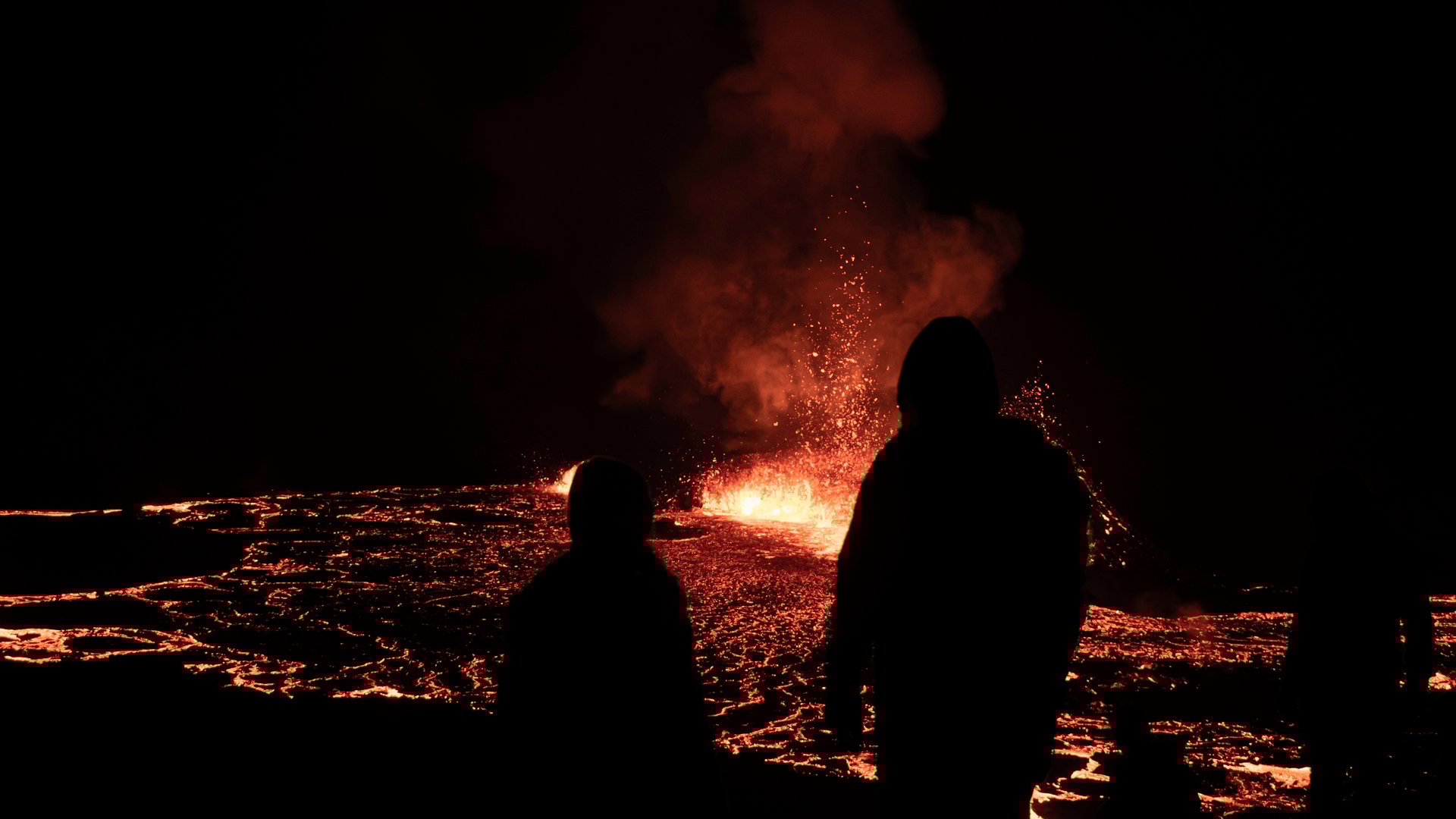
The second act began August 3, 2022, when Meradalir valley came alive with volcanic fire. Unlike its predecessor, this one didn’t stick around long: just three weeks of activity. But what a three weeks! The challenge was the clock: if you wanted to see it, you needed to track the situation daily and be ready to hike at short notice. The volcano wouldn’t wait.
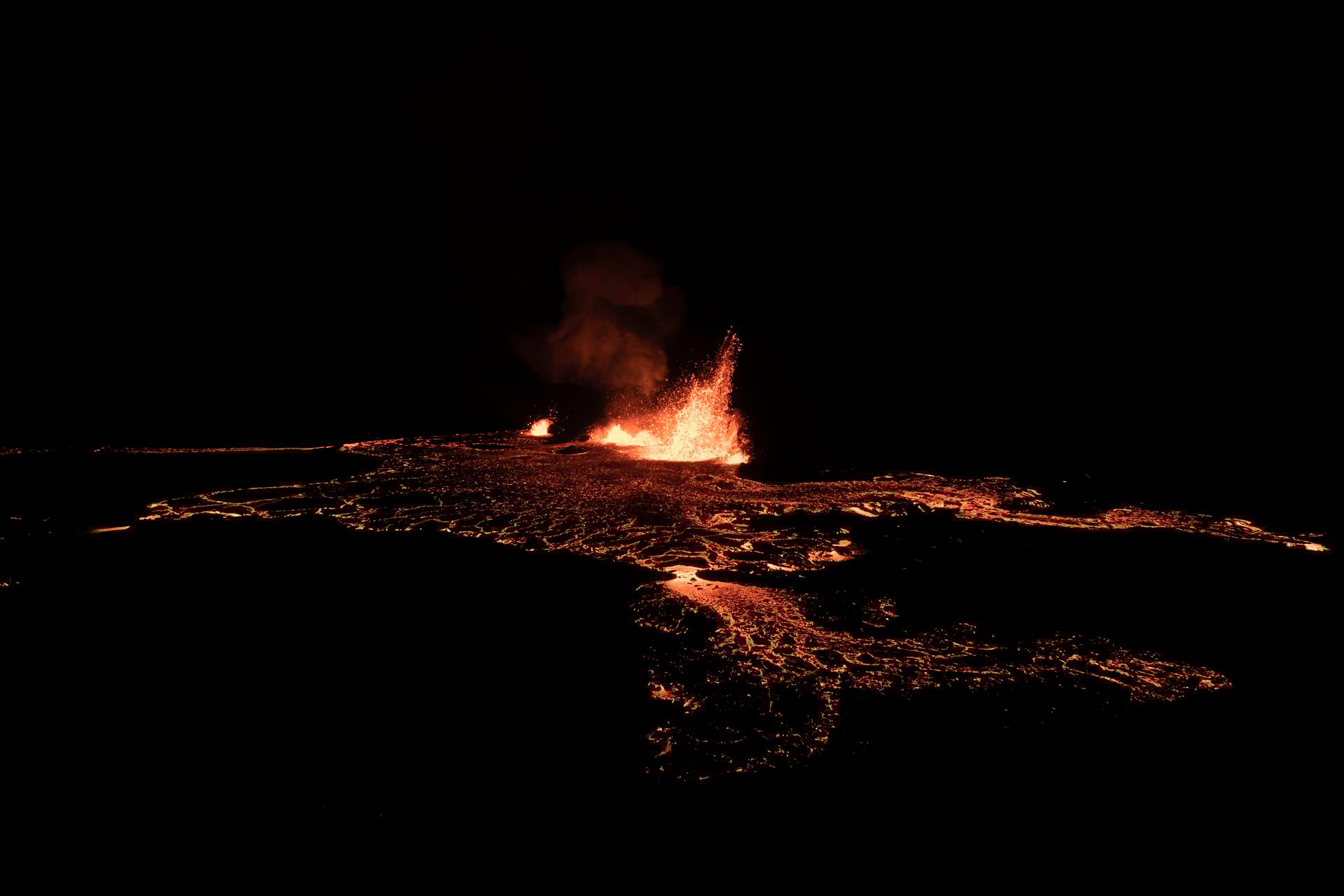
The 2023 Litli-Hrútur Eruption
July 10, 2023 brought the third and final accessible show at Litli-Hrútur, which translates to “Little Ram.” Again, timing was everything. The eruption gave people one month to make the trek before shutting down. Despite the brief window, thousands made it to the viewpoints, hiking across fresh volcanic terrain to witness Earth reshaping itself in real time.
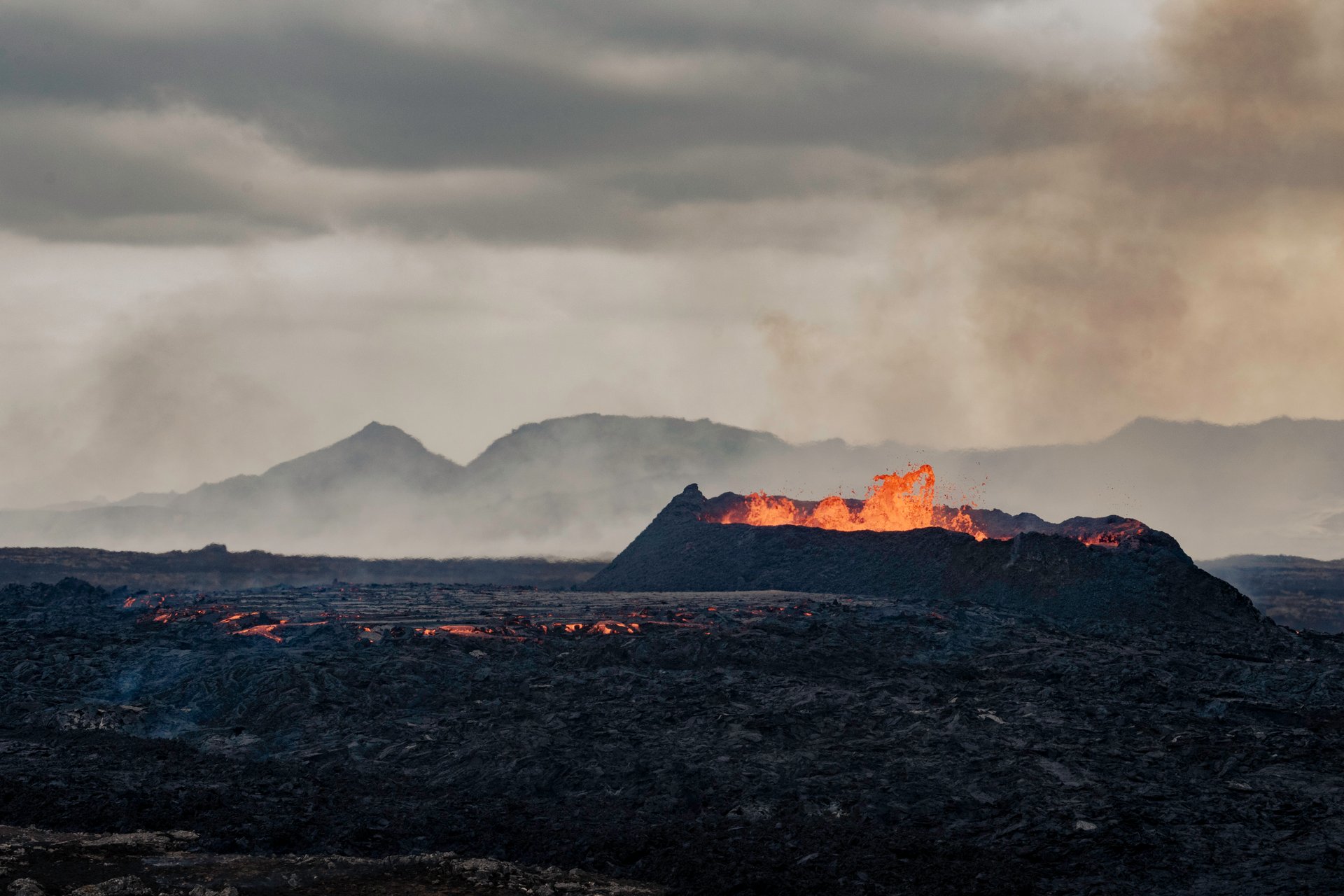
Today, all three sites sit quiet. The lava fountains stopped, the orange glow faded, and what remains are vast fields of black volcanic rock. The landscape still looks fresh and otherworldly.
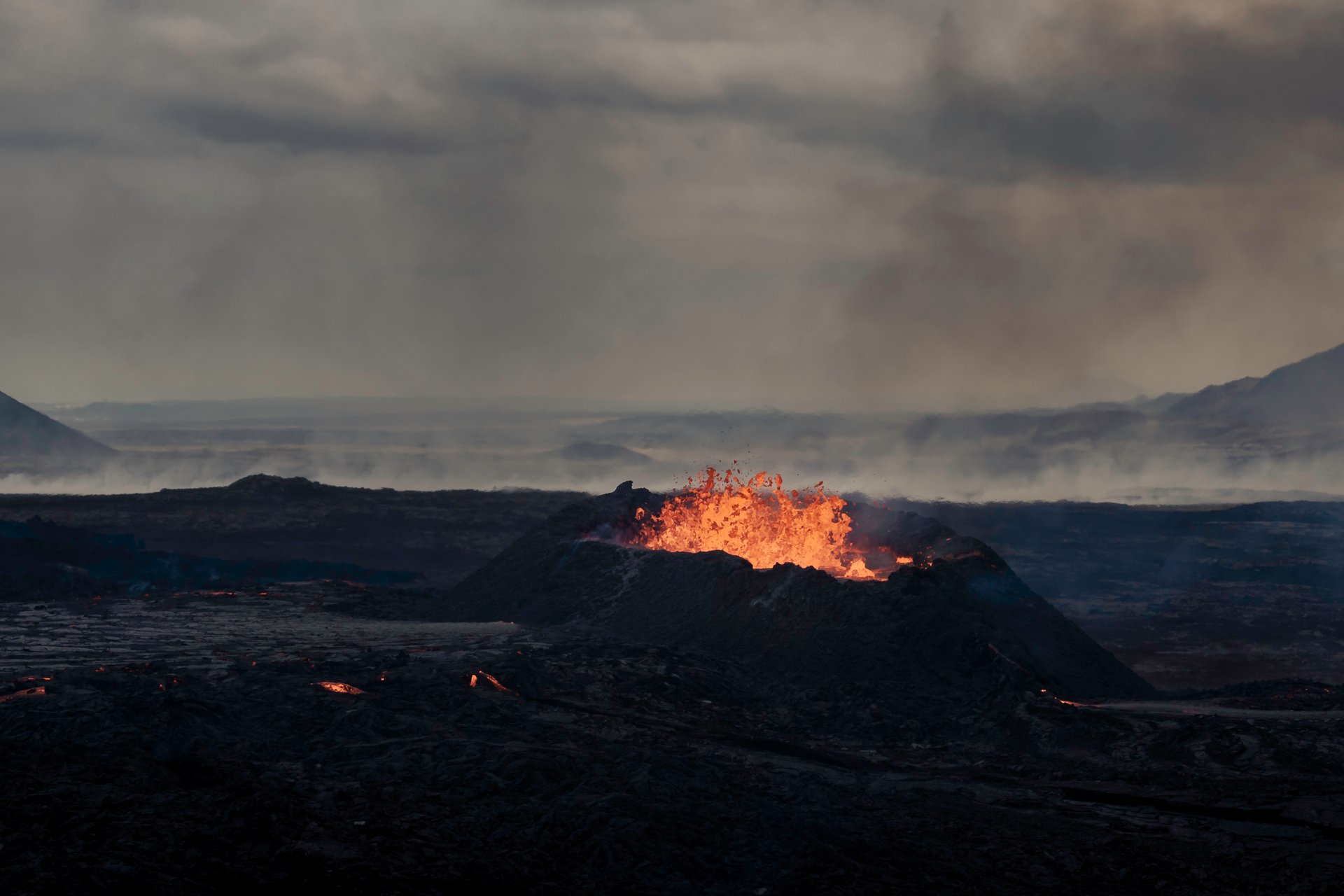
The Shift: 2024-2025 Eruptions Near Grindavík
December 2023 changed everything. The eruptions shifted location to just north of Grindavík, a coastal fishing community where 3,800 people call home. Suddenly, this wasn’t about tourist attractions anymore: it was about protecting lives and critical infrastructure.
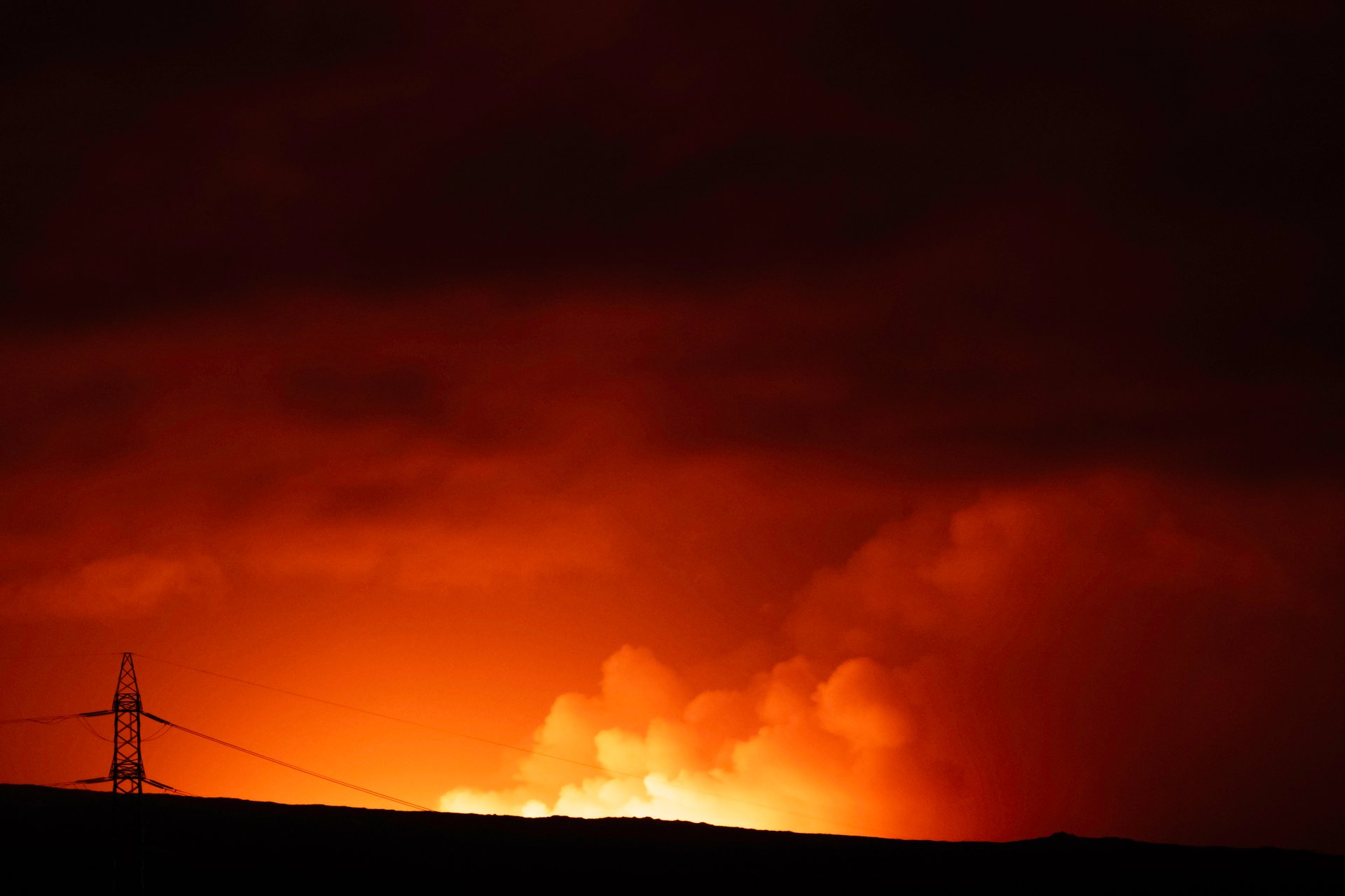
From late 2023 through August 2025, the Sundhnúksgígar crater row produced nine separate eruptions. Each one threatened real stakes: homes in Grindavík, the iconic Blue Lagoon spa, the Svartsengi power plant that supplies electricity and hot water to thousands. These weren’t photo opportunities, they were emergencies.
Authorities ordered evacuations, sometimes with just hours of warning. Engineering teams built enormous earth barriers to redirect lava flows away from vital facilities. And crucially for visitors hoping to witness the eruptions: all these sites remained completely off-limits. Too close to populated areas, too unpredictable, too dangerous.
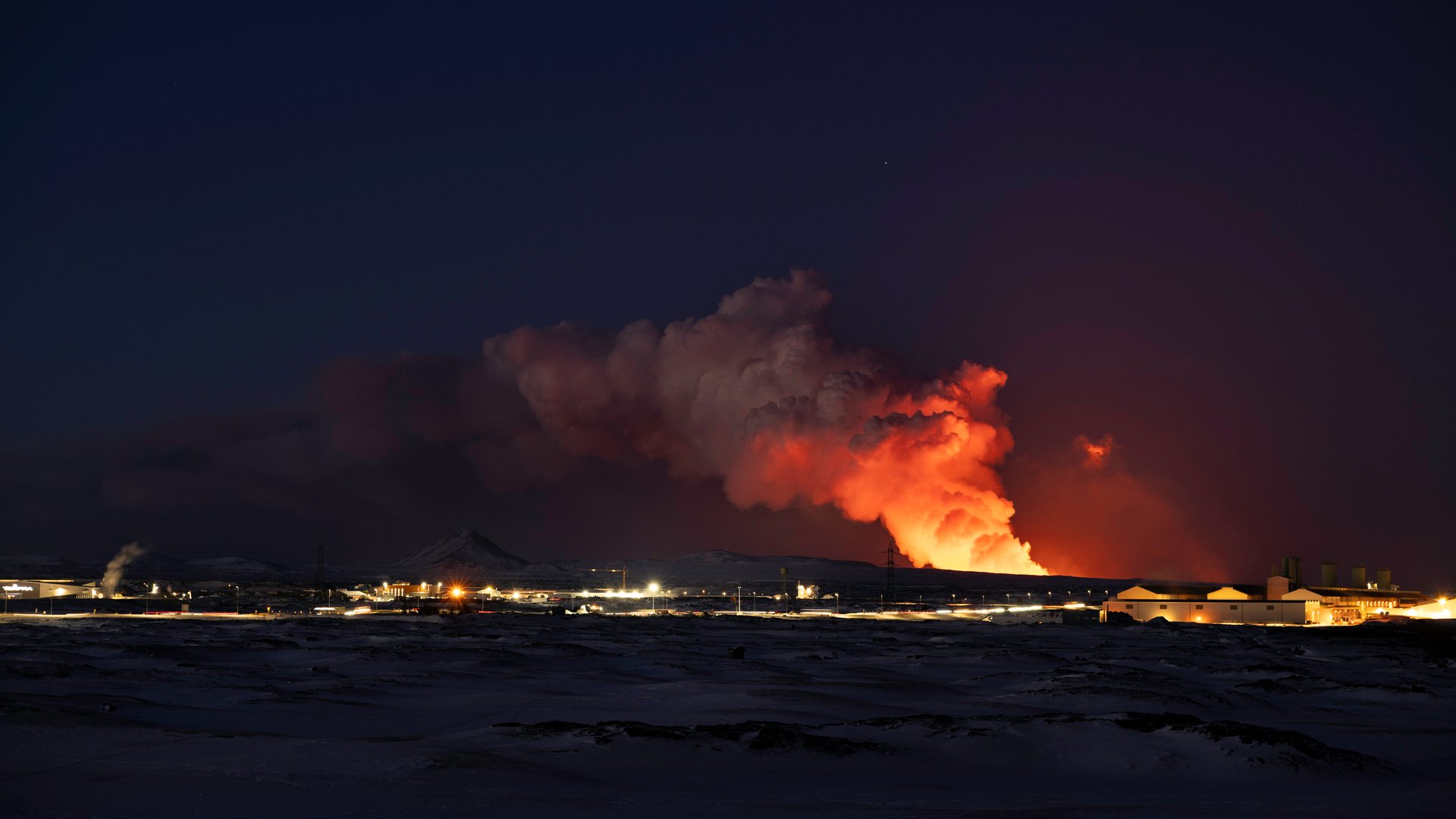
The latest episode ran from mid-July to early August 2025: eruption number nine in this sequence. Helicopters could approach at safe distances, and some viewpoints kilometers away offered glimpses of the glow, but forget about hiking close. The public never got ground access during any of these events.
Alternative Ways to Experience Lava
No active eruption to visit? Don’t worry: Iceland has figured out how to bring the volcanic experience to you, eruption or not.
The Lava Show
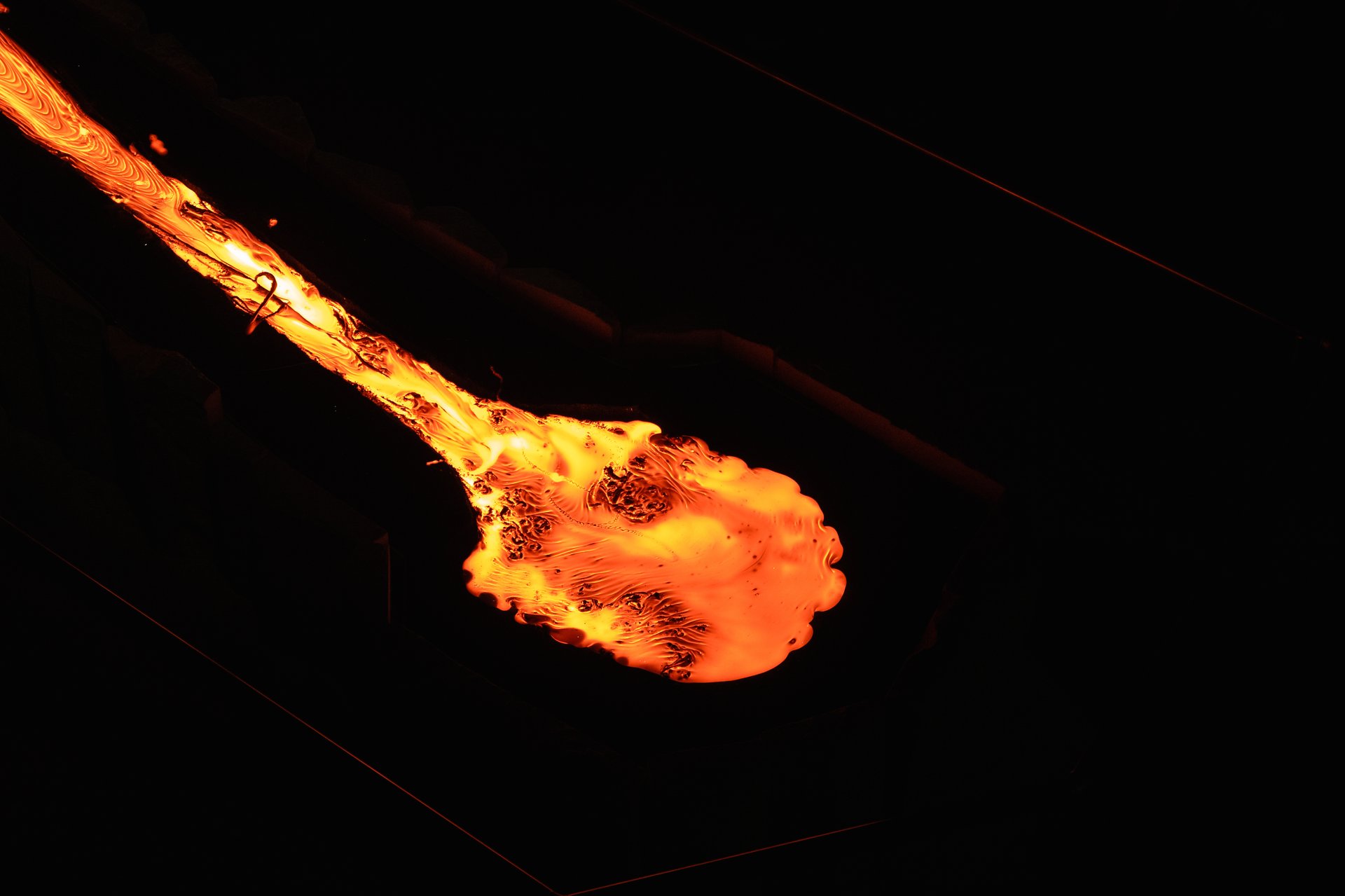
The Lava Show in Reykjavík does something wild: they heat actual lava to 1100°C and pour it out in front of you indoors. Over 50 minutes, you’ll watch volcanic rock melt into glowing orange liquid, learn how Iceland’s geology works, and get closer to molten lava than you ever could at a real eruption.
The beauty of this setup? It runs every single day, weather doesn’t matter, volcanic activity doesn’t matter. You’re standing meters from red-hot lava, feeling the heat radiating toward you, all in a controlled environment where speakers explain exactly what you’re witnessing. No hiking boots required, no weather gambles, guaranteed lava every time.
Helicopter Tours Over Volcanic Landscapes
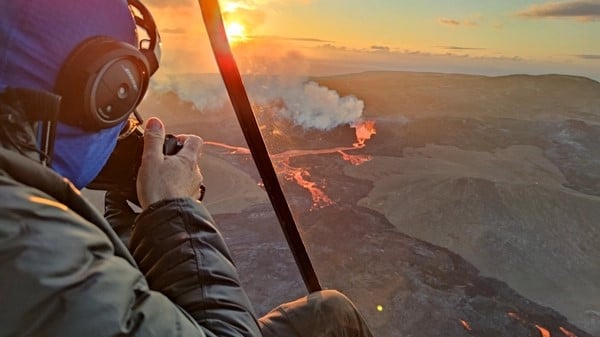
Want to see volcanic zones that you couldn’t reach on foot anyway? Helicopter flights take you directly over the recent eruption sites, including all those Grindavík zones that stayed closed to ground access.
From the air, you grasp the true scale of what happened: vast black lava fields stretching across the landscape, steam still rising from cracks in the rock, the sharp lines where fresh lava stopped just short of buildings. You’ll see how fissure eruptions work, spot the difference between brand-new lava and older volcanic terrain covered in moss, and access viewpoints that simply don’t exist from the ground.
Safety Guidelines for Lava Viewing
Witnessing volcanic activity requires strict adherence to safety protocols. The difference between an unforgettable experience and a dangerous situation often comes down to following guidelines and respecting nature’s power.
Visiting Open Tourist Eruptions
When authorities declare an eruption accessible to tourists, follow these essential safety measures:
Check Official Sources: Monitor updates from the Icelandic Meteorological Office and Safetravel.is for current conditions, access routes, and restrictions. Volcanic activity can change rapidly, and new fissures can open without warning.
Proper Equipment: Wear sturdy hiking boots with ankle support, as volcanic terrain is extremely rough with sharp edges. Bring warm layers regardless of season, as weather on the Reykjanes Peninsula changes quickly. Carry headlamps for visibility during evening visits, do not use your phone’s light! Having battery in your phone can save your life.
Respect Barriers: Stay behind all marked boundaries and designated viewing areas. These zones are established based on lava flow patterns, gas emissions, and unstable ground conditions. Crossing barriers puts your life at risk and may trigger evacuations for rescue personnel.
Monitor Gas Conditions: Volcanic gases, particularly sulfur dioxide, can reach dangerous concentrations. Leave the area immediately if you experience difficulty breathing, eye irritation, or nausea. Wind direction affects gas dispersal, so position yourself upwind when possible. Do not bring children with you.
Never Walk on Lava: This cannot be stressed enough. Even cooled-looking lava may have molten material underneath with only a thin crust on top. The surface temperature of solidified lava can remain hot enough to melt shoe soles and cause severe burns. Active lava flows are obviously deadly. Lava can take years to cool down entirely.
Emergency Preparedness: Bring water, snacks, and a fully charged phone. Download offline maps and share your hiking plans with someone. Weather can deteriorate rapidly, turning a 2-hour hike into a challenging ordeal.
Viewing Closed Eruptions from a Distance
When eruptions are deemed too dangerous for public access, viewing from authorized distant locations requires different precautions:
Respect Closures: Road closures, evacuation zones, and restricted areas exist for your safety. Authorities base these decisions on volcanic hazards, gas emissions, and the potential for sudden changes. Violating closures is illegal and endangers rescue personnel. Only stop on designated parking lots, never stop on the road or road shoulders.
Safe Viewing Distances: Use binoculars or telephoto lenses to observe from designated viewpoints. Some eruptions can be seen from several kilometers away, particularly at night when the lava glow is visible against the sky.
Air Quality Awareness: Even at distance, volcanic gas plumes can affect air quality. Monitor wind patterns and pollution forecasts. People with respiratory conditions should be especially cautious. You can find information on the website of the icelandic meteorological institute.
Helicopter Tours: For inaccessible eruptions, authorized helicopter flights provide the safest way to witness the activity. Licensed operators maintain required distances and follow safety protocols established by aviation authorities.
Photography Considerations: Long-exposure night photography can capture eruption glow from safe distances. Respect private property when choosing vantage points, and never trespass in pursuit of photographs.
Local Impact Awareness: Remember that closed eruptions often threaten communities and livelihoods. Maintain respectful behavior in affected areas, support local businesses when appropriate, and follow all guidance from authorities and residents.
What’s the Current Situation?
Right now, in November 2025, there’s no eruption happening anywhere in Iceland. The Reykjanes Peninsula went quiet after that last eruption wrapped up on August 5, following 20 days of activity that kicked off July 16. That made nine eruptions from the Sundhnúksgígar crater row since this whole sequence began in late 2023.
Scientists at the Icelandic Meteorological Office keep constant watch on the region. Their instruments detect magma still accumulating underground beneath Svartsengi, though the process has slowed compared to what they measured before earlier eruptions. Right now, the data shows minimal earthquake activity.
Here’s what matters for your travel plans: Iceland is entirely safe to visit. Keflavík Airport runs normal operations, roads stay open, tours operate on schedule. These fissure-style eruptions send lava across the ground locally but don’t blast ash into the atmosphere, completely different from the 2010 Eyjafjallajökull event that shut down European airspace.
Can’t see active lava right now? You’ve still got options. The cooled lava fields from 2021-2023 make for incredible hiking across terrain that didn’t exist a few years ago. The Lava Show in Reykjavík gives you guaranteed lava viewing any day of the year. Helicopter flights sweep over the recent volcanic zones, showing you landscapes still steaming from recent activity. And the entire Reykjanes Peninsula delivers geothermal wonders, coastal drama, and geological features that tell Iceland’s volcanic story whether anything’s currently erupting or not.
And if you want to visit Reykjanes, check out our private tour: Colors of Reykjanes!
Will there be another eruption? Absolutely. The peninsula has entered a new volcanic period expected to last decades. When the next one starts, authorities will evaluate the situation and announce whether it’s safe for public viewing.
For real-time updates on volcanic activity, check Safetravel.is and the Icelandic Meteorological Office before your trip.