I’ve been guiding private tours in Iceland for years, and I can tell the well-packed travelers from the badly-packed ones within thirty seconds of pickup. It’s not about how much luggage they have — it’s about whether what’s inside actually works here.
Most packing for Iceland advice online is written by people who visited once and made a list. This guide is built from picking up hundreds of travelers at their hotels and watching — in real time — what holds up against Icelandic weather and what falls apart by lunch.
Iceland is not a destination where you can wing it with your regular travel wardrobe. But it’s also not a place where you need to pack like you’re heading to base camp. The sweet spot is somewhere in between, and finding it is easier than you think — especially when you have a private vehicle at your disposal and don’t need to carry everything on your back.
Here’s what actually works, what doesn’t, and what I wish every traveler knew before they landed.
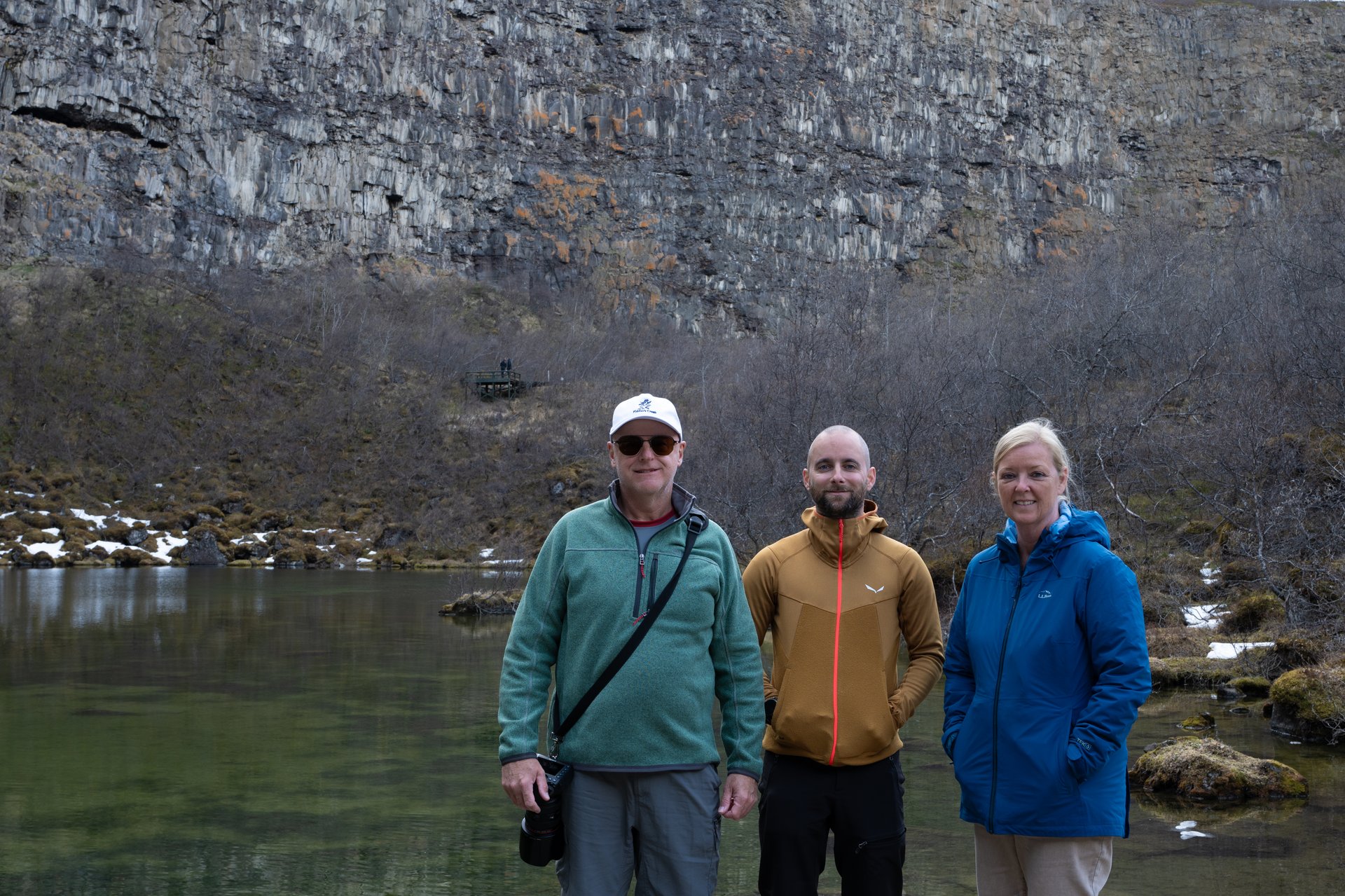
Why Packing for Iceland Is Different
The challenge with Iceland’s weather isn’t that it’s cold. It’s that it’s unpredictable. You can experience sunshine, rain, sleet, and horizontal wind in a single afternoon — sometimes in a single hour. I’ve guided tours where clients started the day in sunglasses and finished it in full rain gear, and that was in July.
Most countries have “weather.” Iceland has weather systems that move across the island with visible speed. You can literally watch a storm front approaching from across a lava field, calculate that you have about fifteen minutes, and be right.
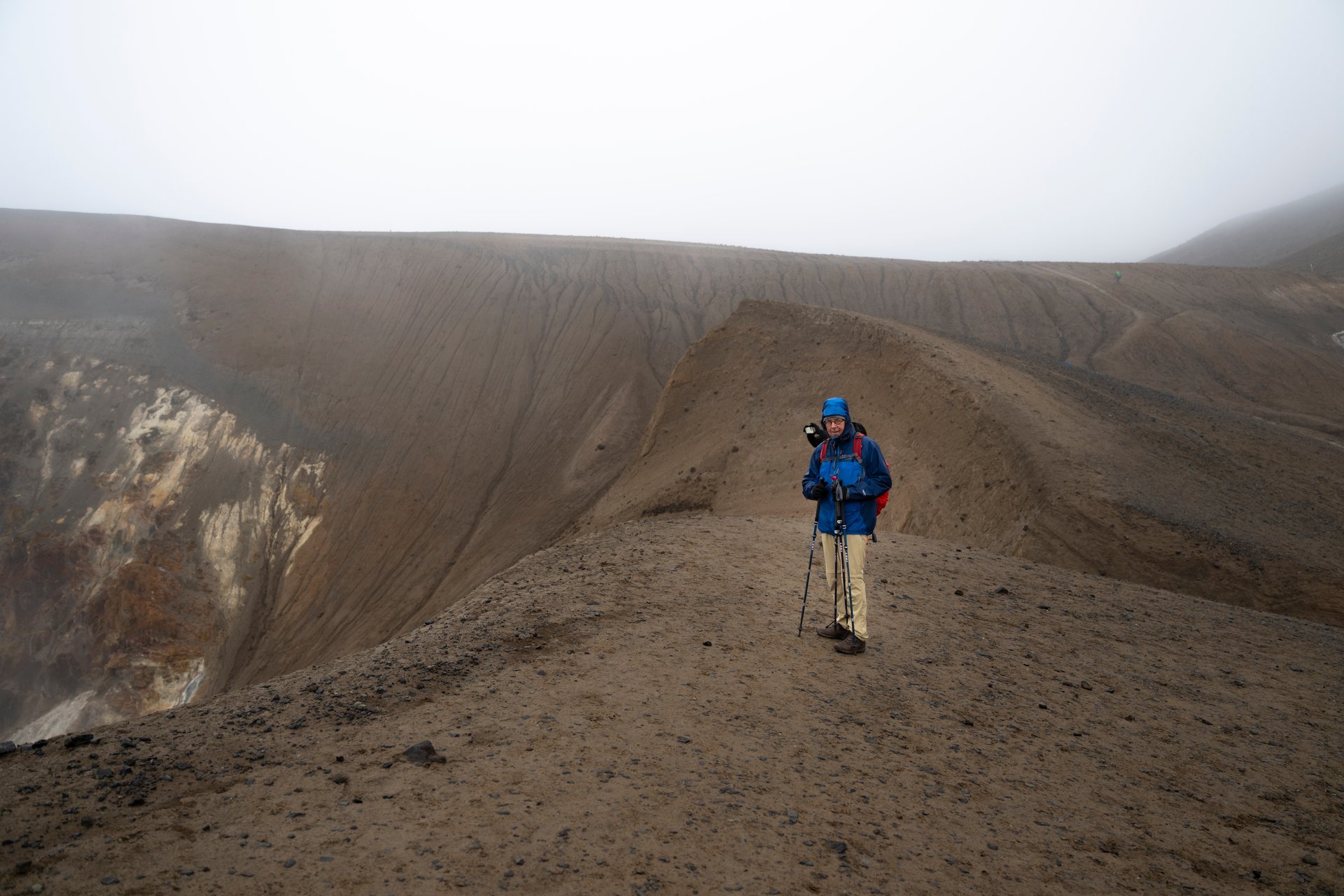
This means the classic travel strategy of checking the forecast and dressing accordingly simply does not work here. Instead, you need a system — a set of layers that lets you adapt in minutes, not a single outfit chosen for a single condition.
The other thing that makes Iceland different: everything is waterproof or it’s useless. Not water-resistant. Not “should be fine in light rain.” Waterproof. The wind drives rain sideways, mist comes off every waterfall, and glacier hikes put you in contact with ice and meltwater. If your outer layer can’t handle sustained, wind-driven moisture, you’ll feel it within an hour.
The Layer System That Actually Works
Forget packing outfits. Pack a system. Three layers, chosen well, will handle every condition Iceland can throw at you — from a calm 15°C summer afternoon to a windy -5°C winter morning on a black sand beach.
Base Layer — The One Against Your Skin
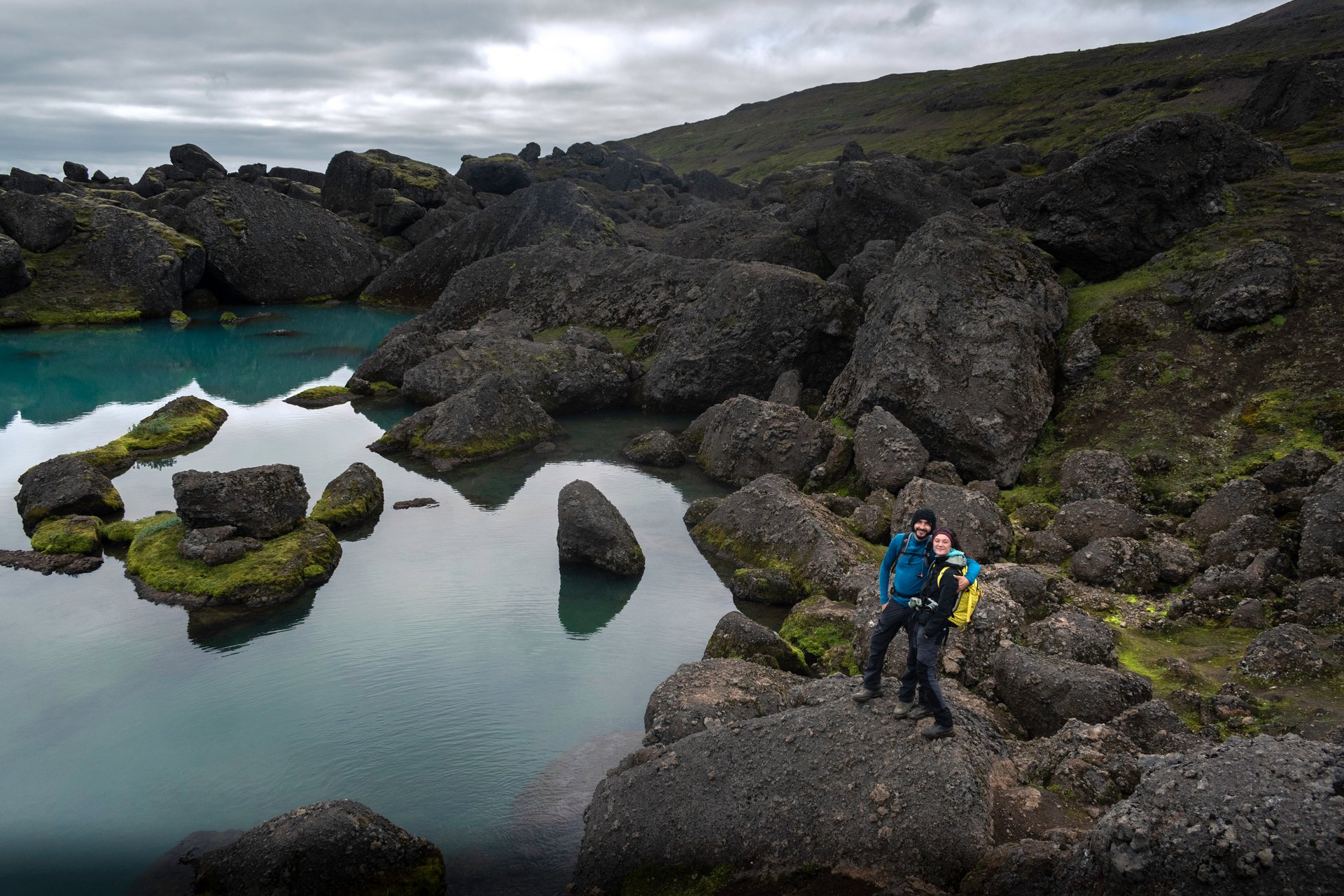
This is where most travelers make their first mistake. Cotton feels comfortable at the hotel. On a glacier, after twenty minutes of walking, it’s soaked with sweat and pulling heat from your body.
Merino wool is the answer. It regulates temperature, wicks moisture, resists odor (you can wear the same base layer for several days without issue), and feels soft rather than scratchy. One or two long-sleeve merino tops and a pair of merino leggings will serve you better than five cotton t-shirts. For summer, a lighter weight works. For winter, go midweight or heavyweight.
If merino isn’t your thing, a quality synthetic base layer does the job. Just avoid cotton. This is the single most repeated piece of advice in the guiding community, and it’s repeated because people keep ignoring it.
Mid Layer — The Warmth
A good fleece or lightweight down jacket sits between your base layer and your shell. This is your insulation — the layer that traps warm air close to your body.
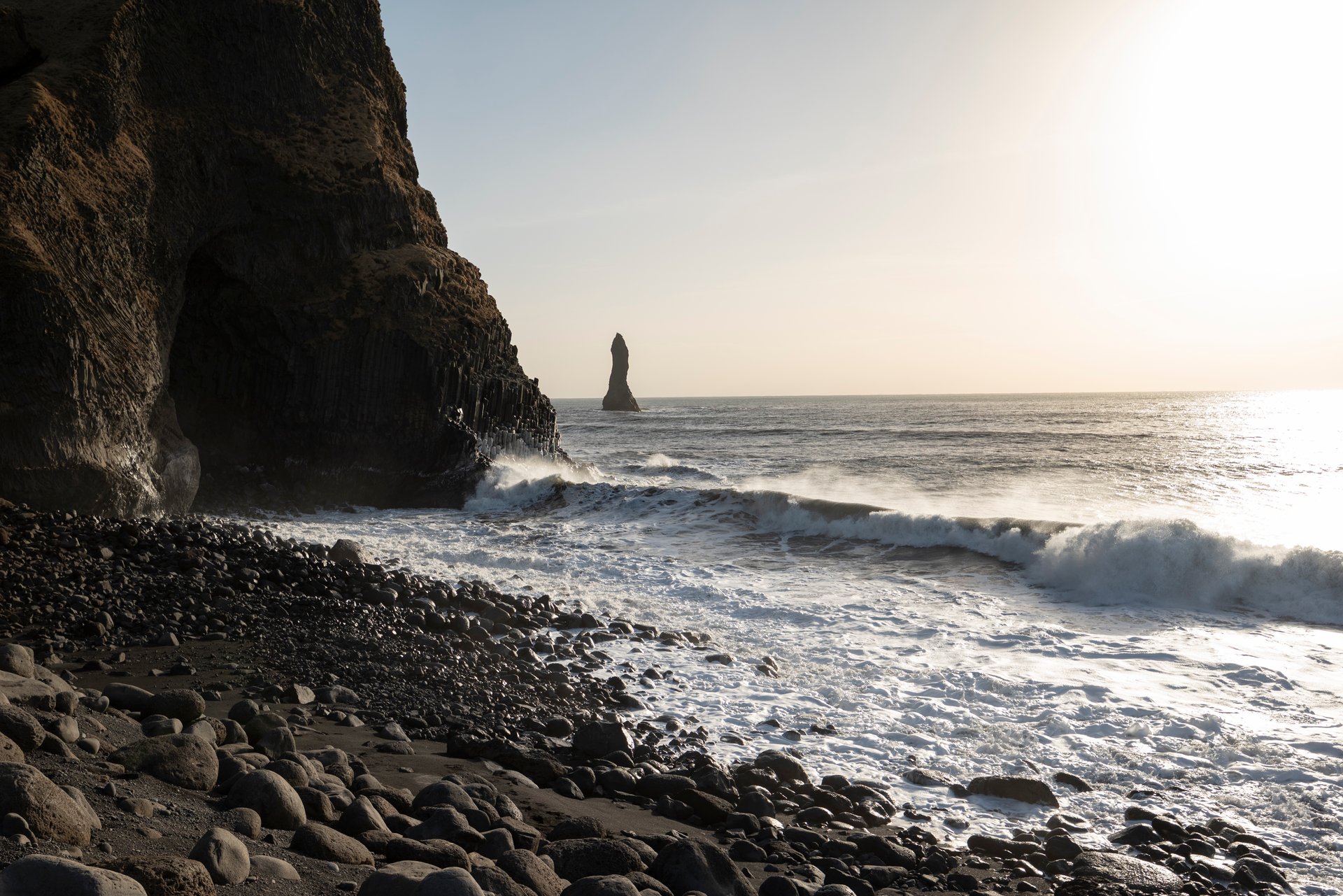
For summer, a midweight fleece is usually enough. For winter, a packable down jacket gives you serious warmth without bulk. The advantage of down is that it compresses into almost nothing, so you can stuff it in a daypack when you don’t need it and pull it out in seconds when the wind picks up at Reynisfjara.
One mid layer is enough for summer. For winter, bring two options — a fleece and a down jacket — so you can double up on colder days or swap depending on the activity.
Outer Layer — The Shield
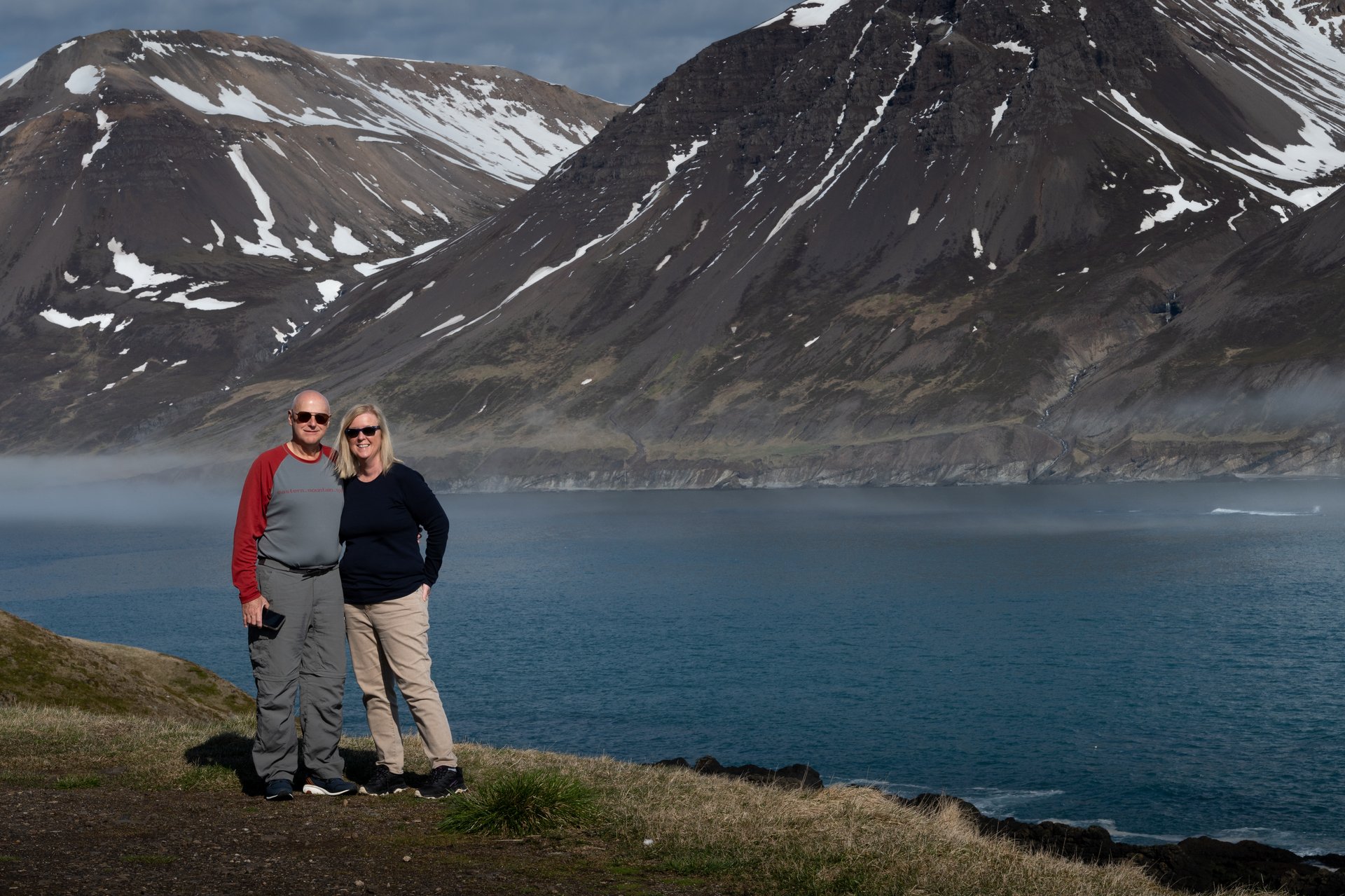
Your outer shell is the most important single item you pack for Iceland. It needs to be waterproof (not water-resistant), windproof, and ideally breathable so you don’t overheat during active moments like hiking.
A Gore-Tex or equivalent hardshell jacket is the standard. It should have a hood that cinches tight enough to stay on in strong wind, sealed seams, and a fit that allows layers underneath without restricting movement. Waterproof trousers are equally important — most travelers forget these and regret it by the second waterfall visit.
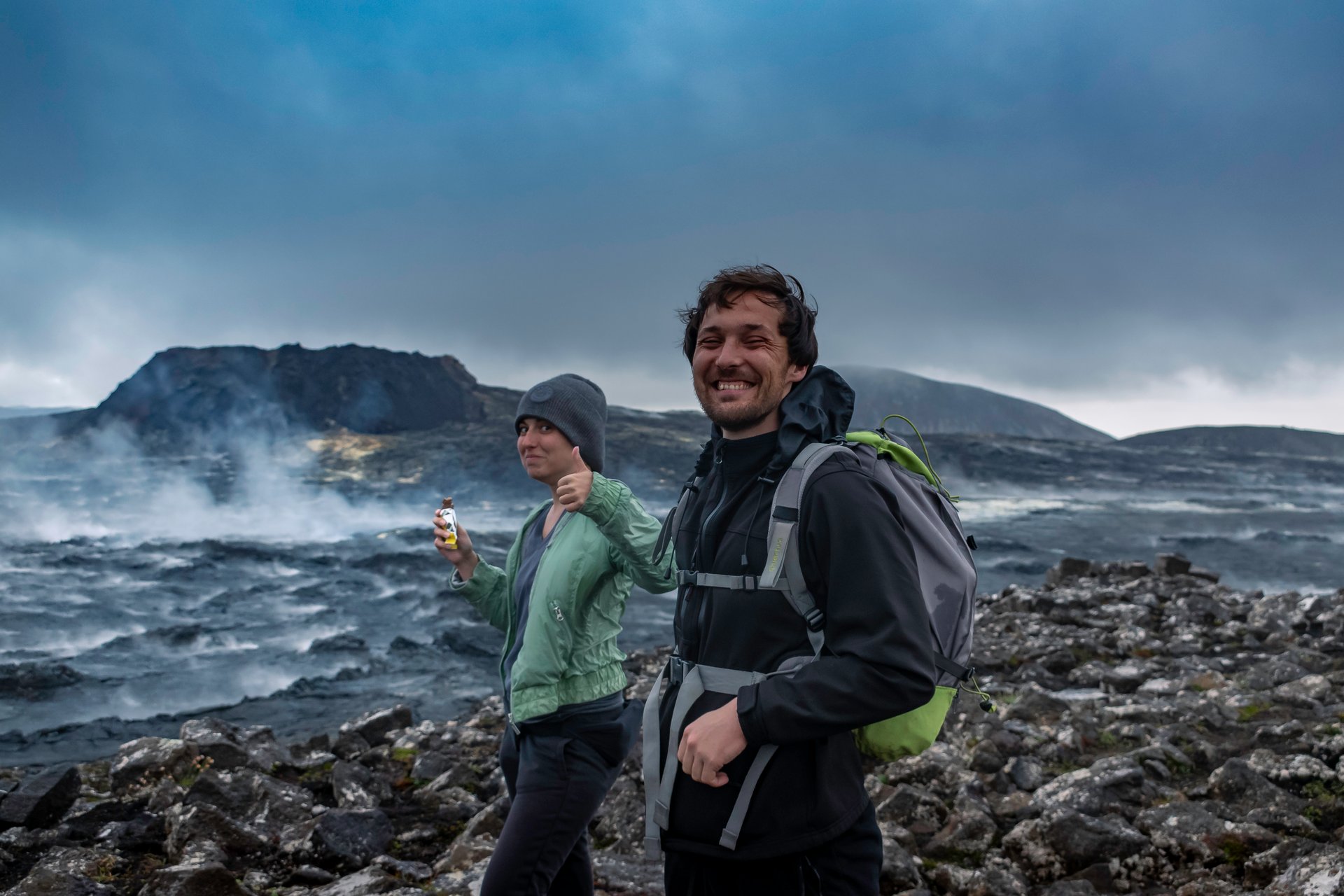
This is one area where investing in quality pays for itself immediately. A proper shell lasts for years and works in every travel scenario, not just Iceland. The difference between a €50 rain jacket and a €250 hardshell becomes obvious the first time you stand behind Seljalandsfoss and the mist hits you from every direction.
Footwear — The One Thing You Cannot Get Wrong
If there’s a single item that determines how much you enjoy Iceland, it’s your boots. I’ve had clients arrive in brand-new hiking boots, still stiff from the box, and spend the rest of their trip nursing blisters instead of enjoying the scenery.
What to bring: Waterproof hiking boots with ankle support, broken in before you travel. This is non-negotiable for anyone planning to do any walking beyond paved paths — and in Iceland, the best experiences are always beyond paved paths. Leather or synthetic with a waterproof membrane (Gore-Tex lined is common) and a decent sole with grip.
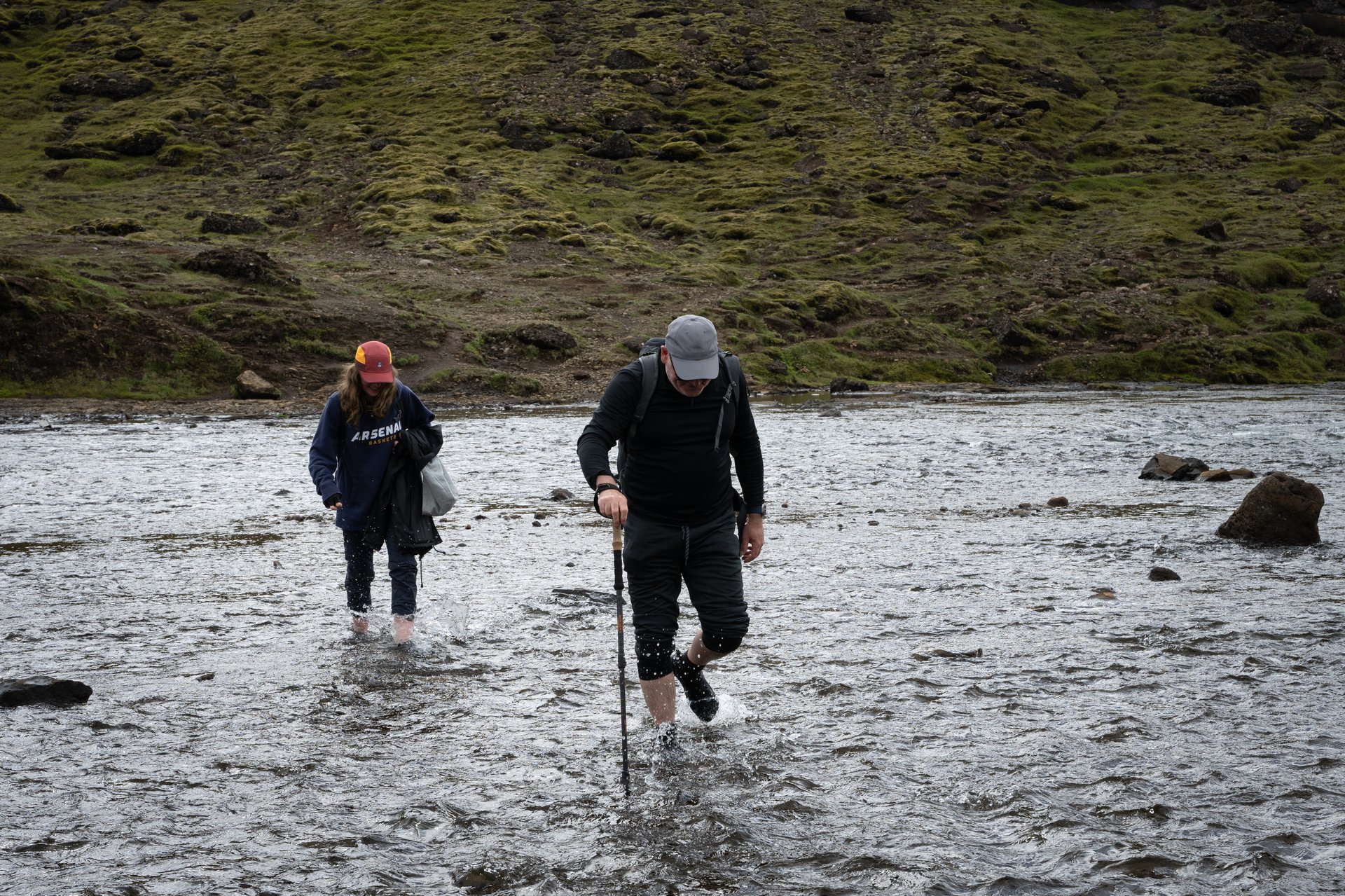
The break-in rule: Wear your boots on at least three or four walks before your trip. Your feet need to adapt to the boot, and the boot needs to adapt to your foot. This is the kind of advice that sounds obvious until you’re three kilometers into Glymur with a raw heel.
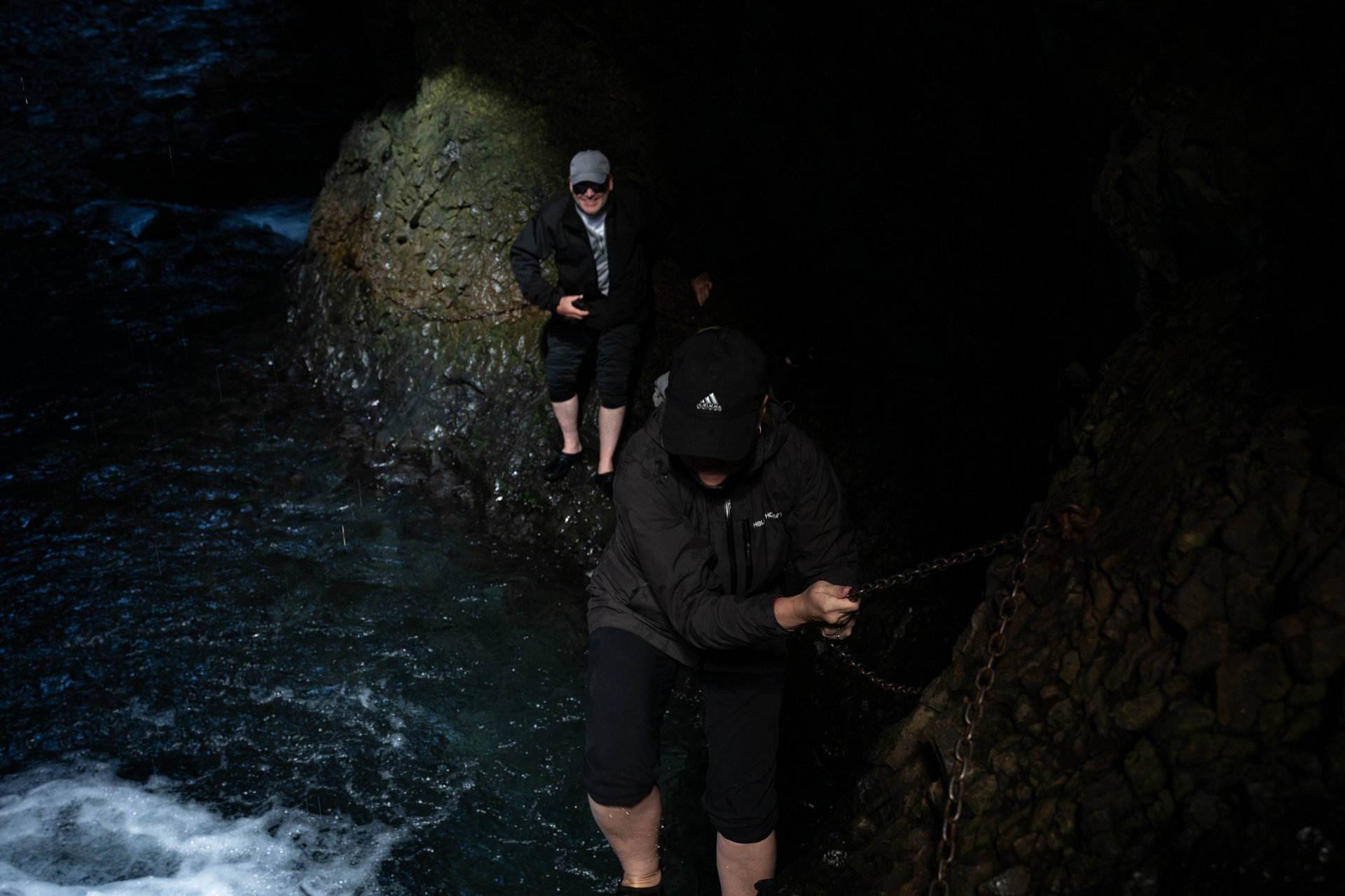
For Glymur and river crossings: Pack lightweight sandals or water shoes. The river crossing near the top of the trail requires wading through knee-deep glacial water. You don’t want to do that in your hiking boots, and you definitely don’t want to do it barefoot on rocky riverbed.
For Reykjavík: A comfortable pair of casual shoes for restaurants and evening walks. Reykjavík is relaxed — even the nicer restaurants don’t require formal footwear. Something clean and comfortable that you can walk cobblestone streets in is perfect.
What to avoid: Trail runners (not waterproof enough for Iceland conditions), fashion boots (no grip, no support), and anything with a smooth sole. Icelandic terrain — lava rock, wet moss, glacier ice — demands traction.
Summer Packing — May to September
Iceland’s summer is milder than most people expect, but “mild” here means 8–15°C on a good day, with the possibility of dropping to 5°C with wind chill even in July. The midnight sun means extended daylight — up to 24 hours in late June — but it does not mean warmth after 10 PM.
Essentials specific to summer:
A swimsuit. This one surprises people, but you’ll need it more than you think. Iceland has hot springs, geothermal pools, and heated rivers accessible year-round. Reykjadalur, the hot spring river near Hveragerði, is one of the highlights of a hiking day — but only if you packed your swimsuit. A quick-dry swimsuit is ideal; bring a small microfiber towel to go with it.
A sleep mask. If you’re visiting between late May and mid-August, it never gets fully dark. Most Icelandic hotels have blackout curtains, but they rarely block every sliver of light. A simple sleep mask solves this entirely.
Sunscreen and sunglasses. The UV at northern latitudes reflects off water, snow, and light-colored lava with surprising intensity. I’ve seen sunburns in June that rival anything from a beach holiday. SPF 30 minimum, applied to face and hands.
Lighter layers. Your layer system still applies, but you can go thinner on the base and mid layers. A merino t-shirt, a light fleece, and your waterproof shell will cover most summer days. Bring one warmer mid layer (a down jacket or heavier fleece) for colder evenings or higher elevations like Landmannalaugar or glacier areas.
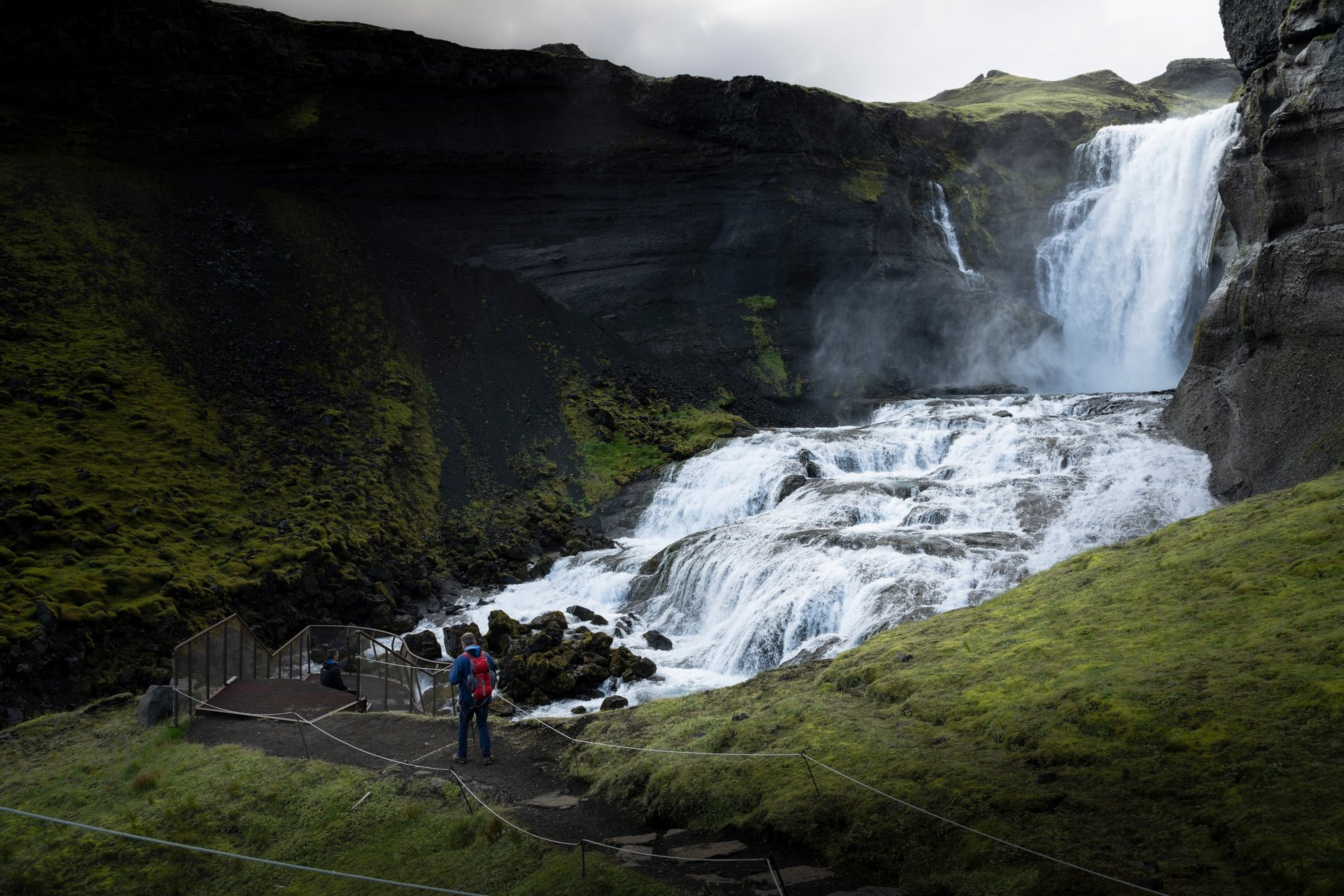
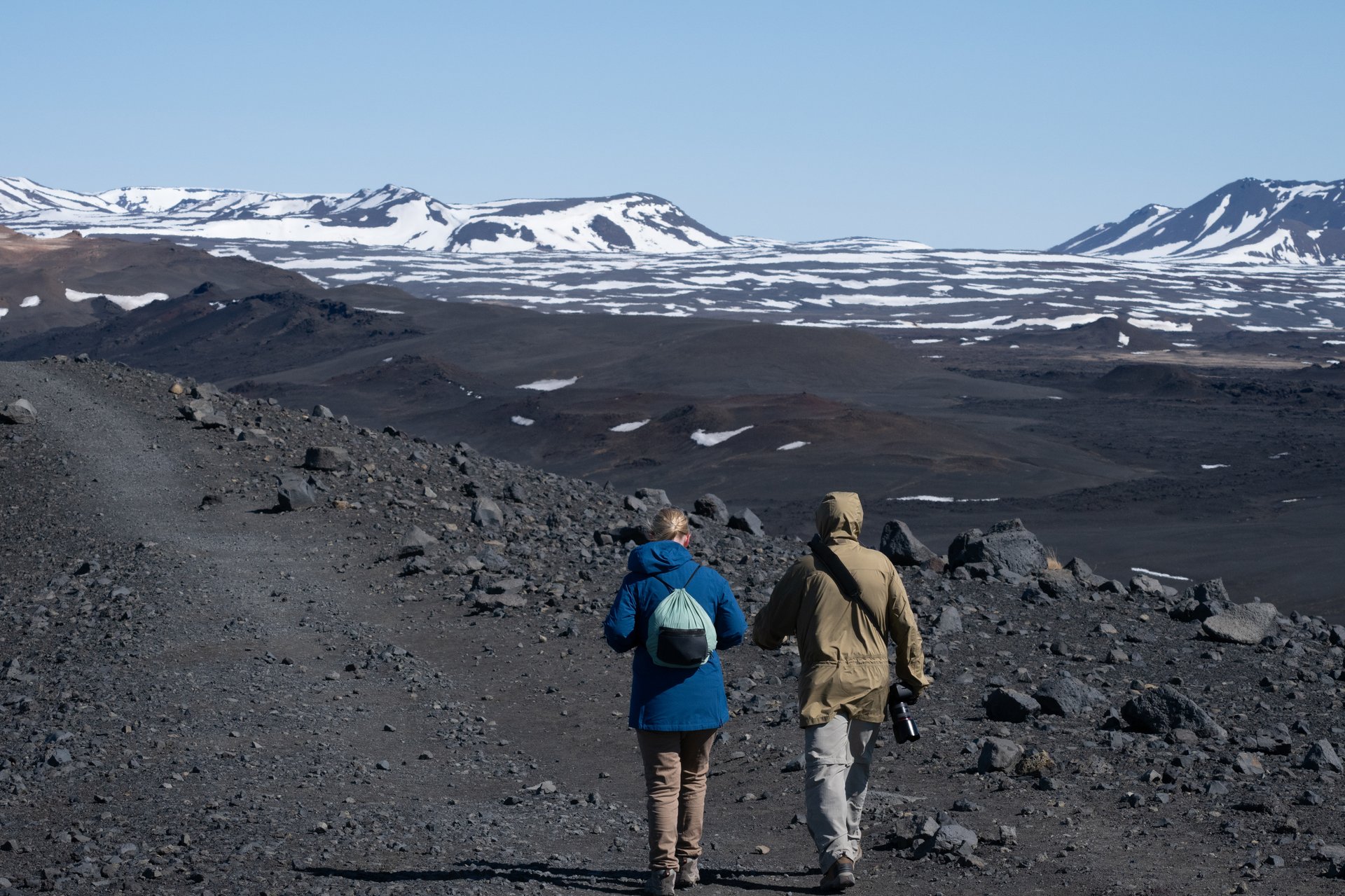
Bug repellent. This is only relevant if you’re heading to the Mývatn area in North Iceland, where midges can be thick in summer. Elsewhere in Iceland, insects are not really a factor.
Winter Packing — October to April
Winter in Iceland is beautiful, dramatic, and genuinely cold. Temperatures hover between -5°C and 5°C on most days, but wind chill can push that much lower. The Northern Lights, ice caves, and snow-covered landscapes make it worth every layer — but you need to pack accordingly.
Essentials specific to winter:
Thermal base layers — heavyweight merino or synthetic. In summer, lightweight bases are fine. In winter, you want the warmest base layer you can find, especially for legs. A pair of heavyweight merino leggings under waterproof trousers makes a significant difference on a glacier hike or an evening spent waiting for the aurora.
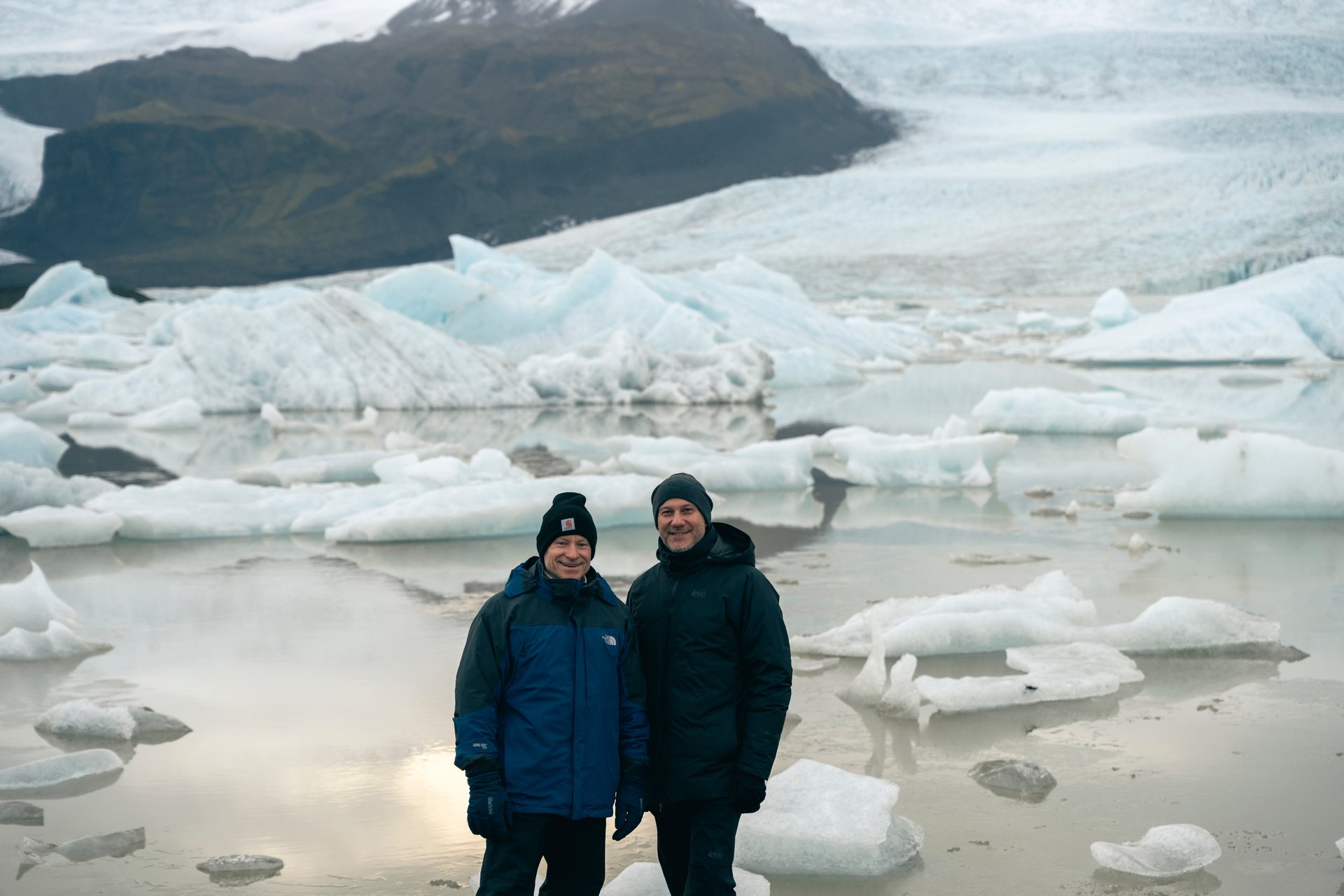
An insulated jacket. Your packable down from the mid-layer section becomes essential in winter, not optional. Some travelers bring a dedicated insulated winter jacket (parka-style) instead. Either works — the key is genuine insulation, not just a thick-looking jacket with minimal fill.
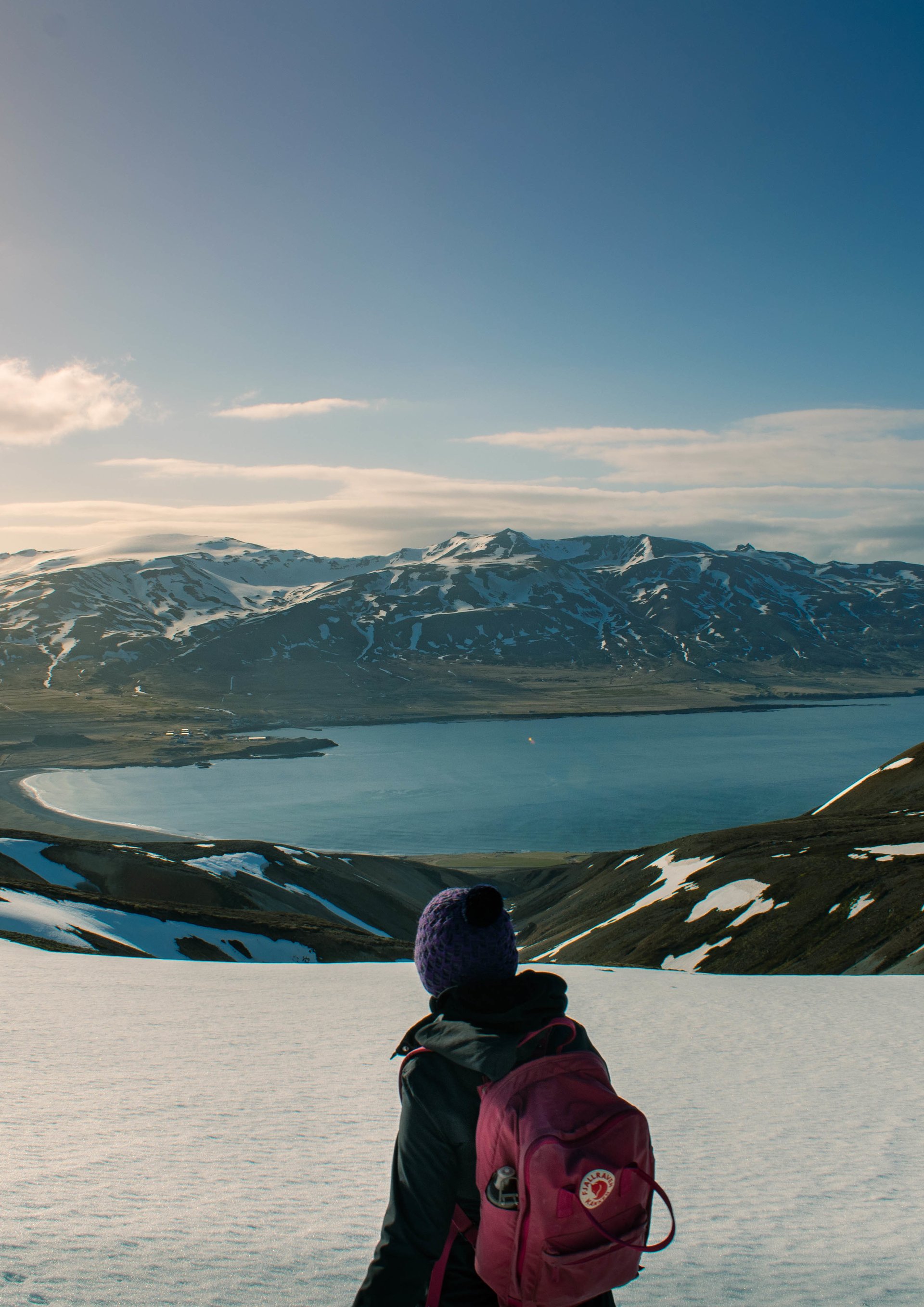
Ice grips or crampons. From November through March, many trails and even some sidewalks in Reykjavík can be icy. Lightweight slip-on crampons (like Yaktrax or similar) weigh almost nothing, fit over your hiking boots, and transform your confidence on icy ground. For dedicated glacier hikes, the tour operator provides professional crampons — but for everyday walking, your own pair is invaluable.
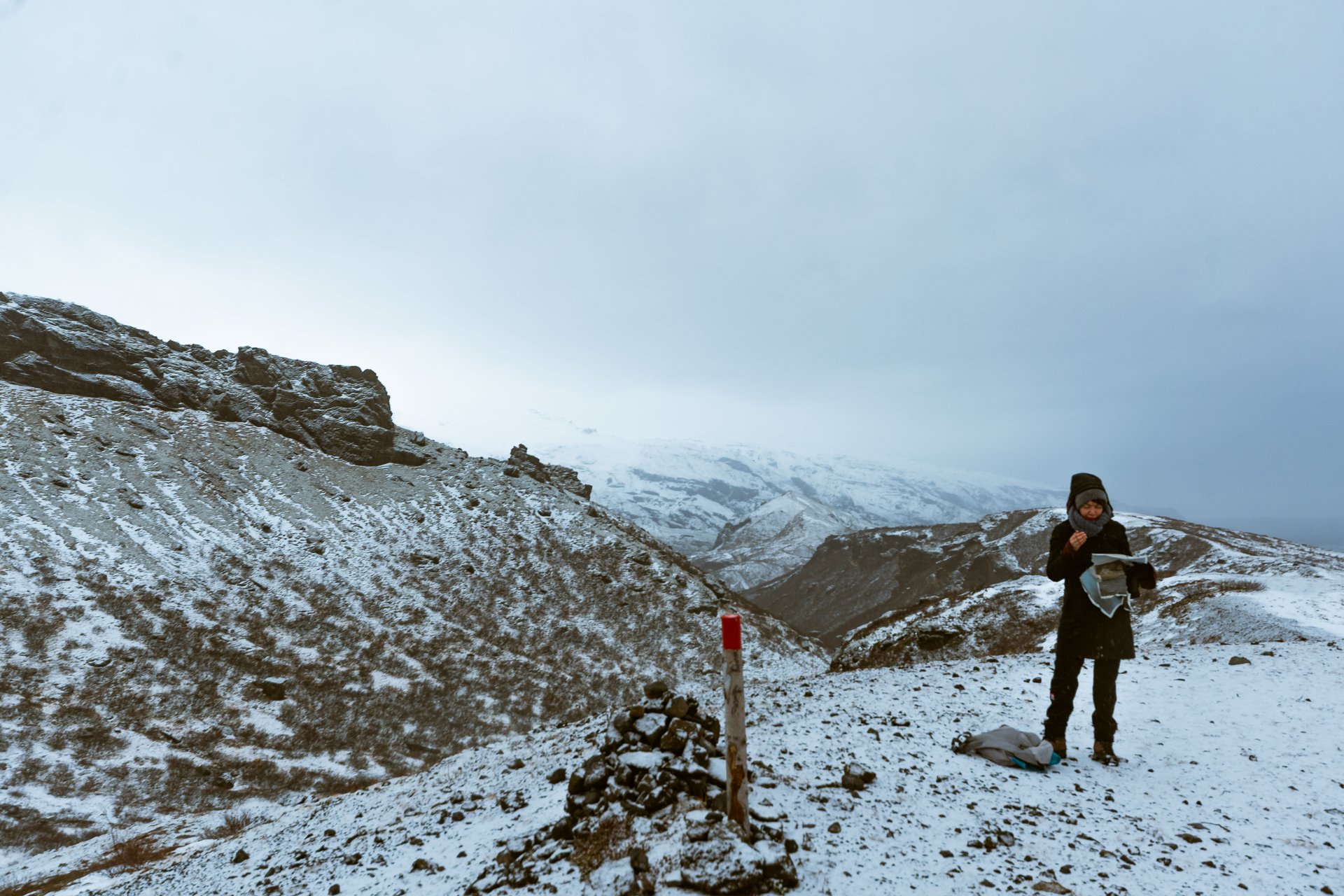
A headlamp. Daylight in December is roughly 11 AM to 3 PM. If you’re doing any walking before or after those hours — which is likely — a small headlamp keeps your hands free and your path visible.
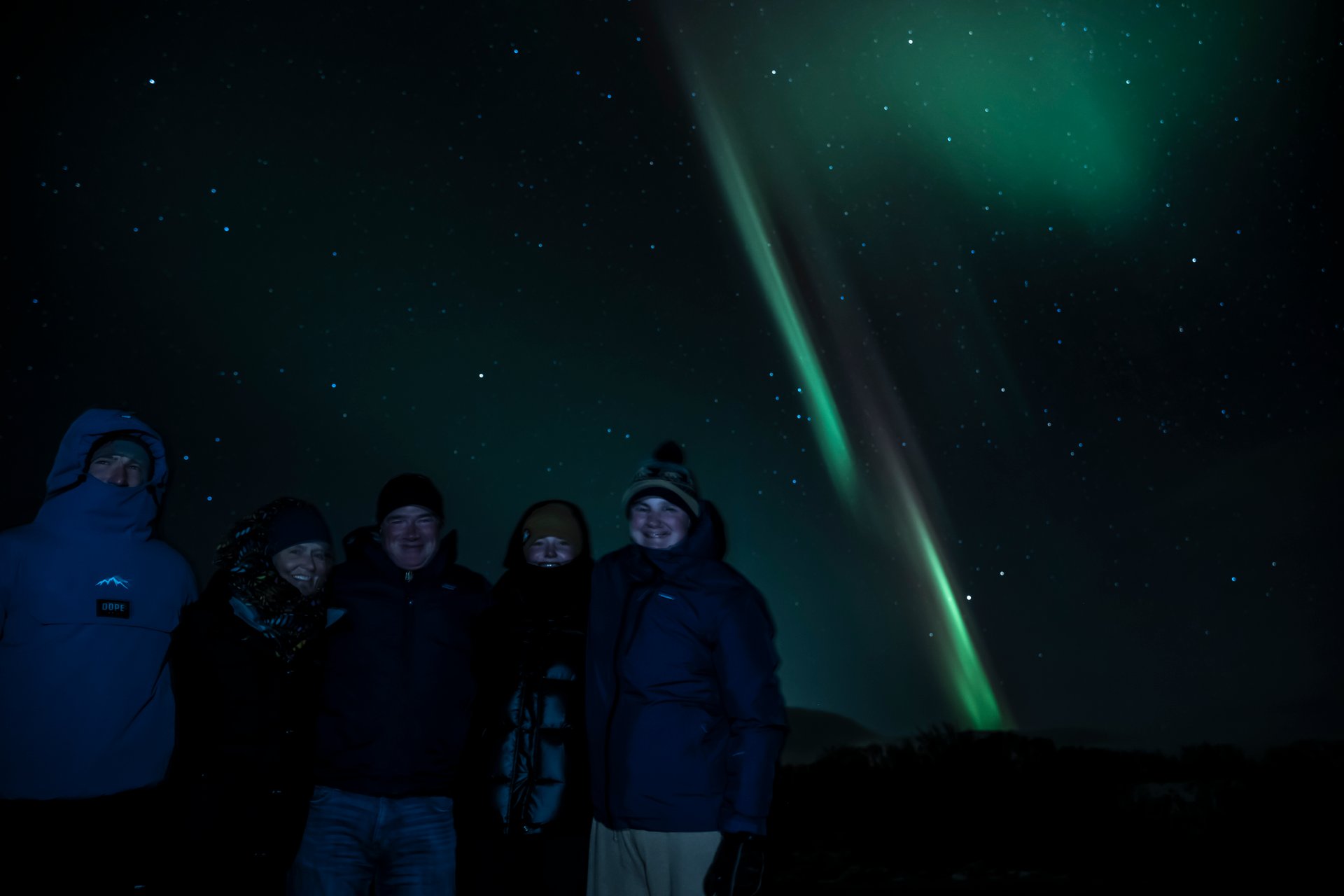
A warm hat, insulated gloves, and a buff or neck gaiter. Extremities lose heat fastest, and Icelandic wind finds every gap. A wool or fleece hat that covers your ears, waterproof insulated gloves (not just knit gloves — waterproof matters), and a versatile neck gaiter that can also cover your face in wind.
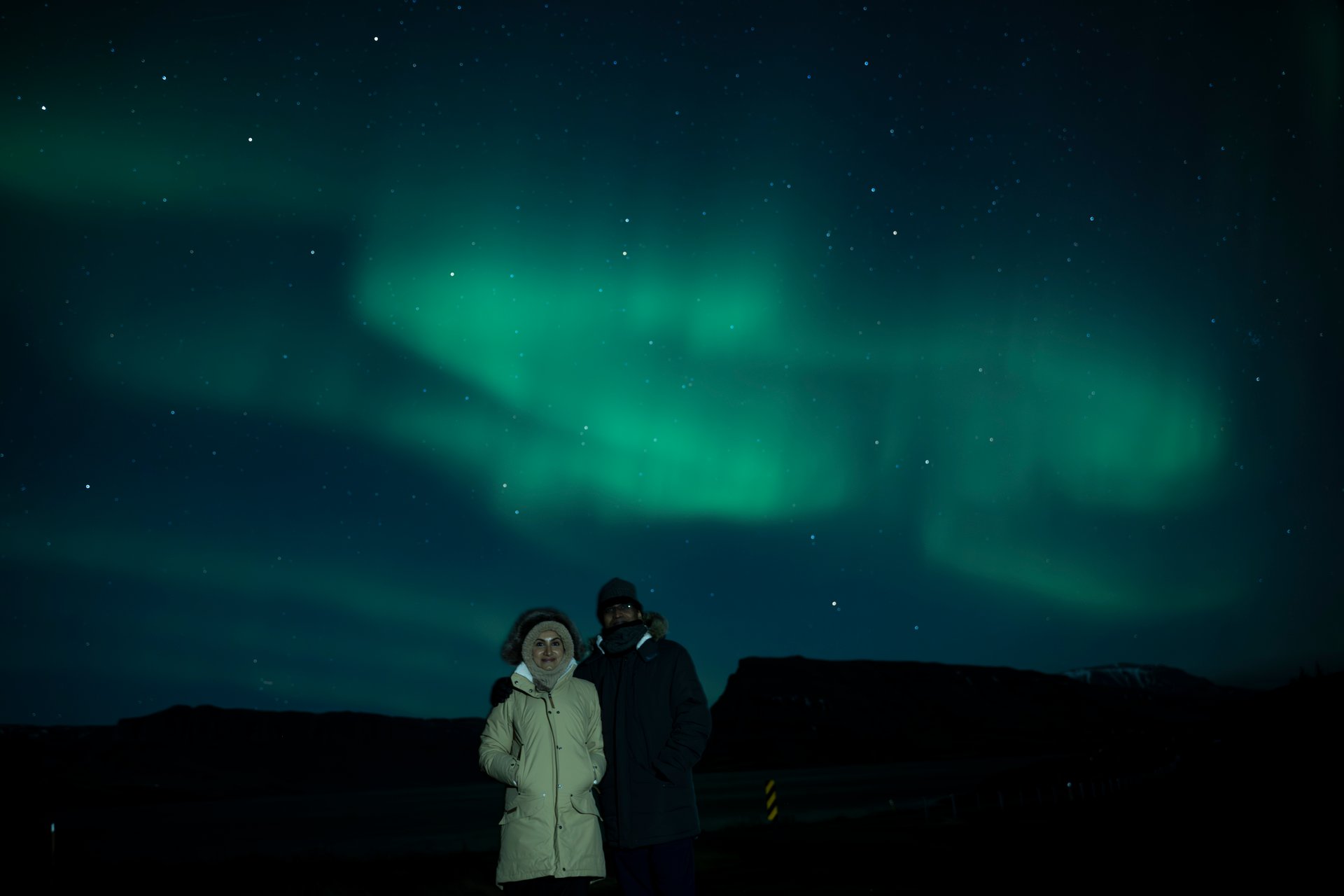
Hand and toe warmers. These small heat packs are easy to carry and can make the difference between enjoying a Northern Lights session for two hours and retreating to the vehicle after twenty minutes.
What Your Guide Wishes You Knew
After four years of picking up travelers and watching how their packing choices play out in real Icelandic conditions, here are the things I find myself wishing every client knew in advance.
Cotton jeans are a disaster. I see it weekly. Cotton denim absorbs water, takes forever to dry, provides zero insulation when wet, and restricts movement on uneven terrain. One pass behind Seljalandsfoss in jeans and you’re uncomfortable for the rest of the day. Bring hiking trousers or softshell pants instead — they’re lighter, they dry in minutes, and they move with you.
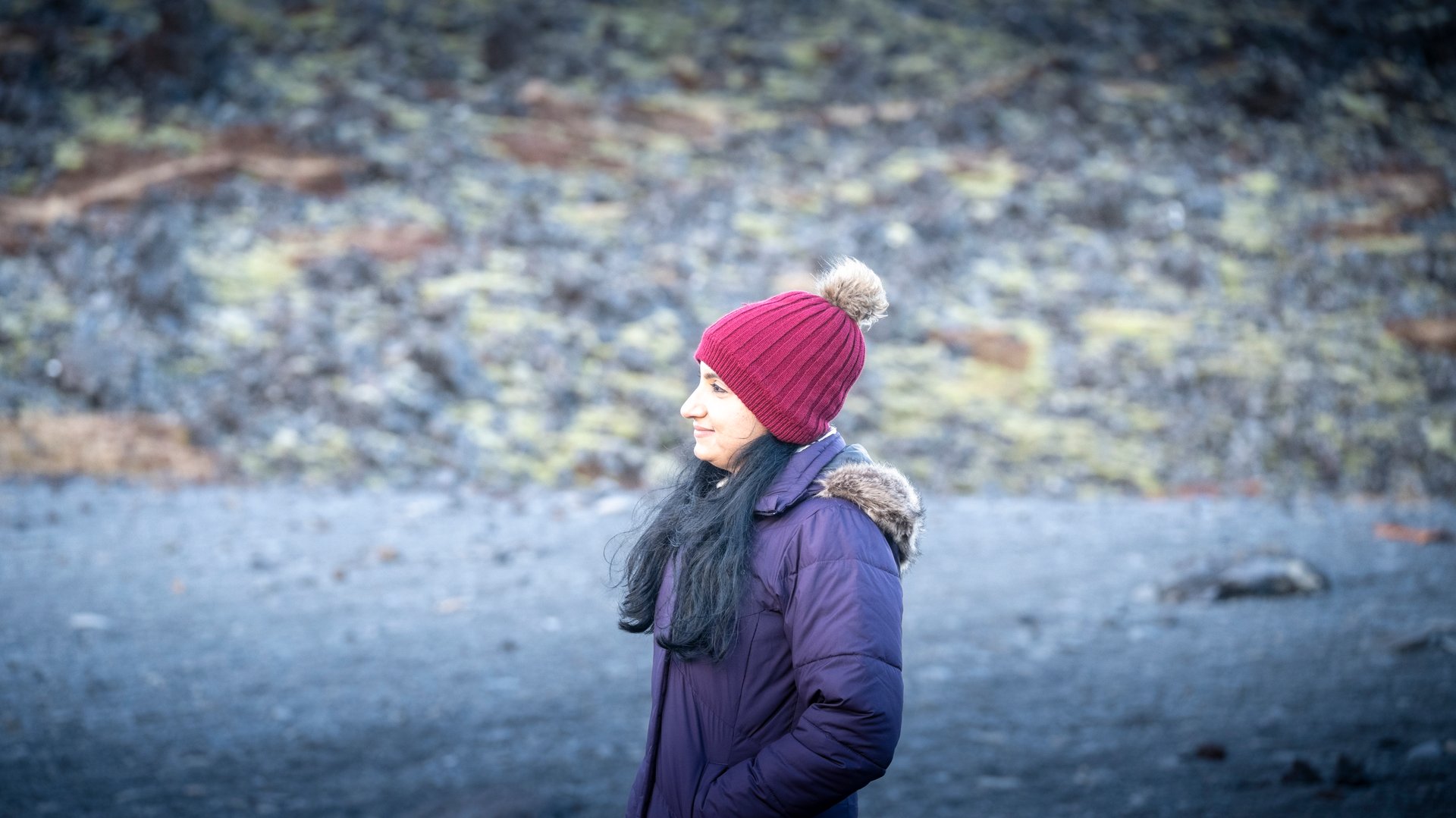
Umbrellas are useless. Iceland’s wind makes umbrellas a liability, not a tool. I have watched more umbrellas turn inside out and break in my four years here than I can count. Your waterproof shell and trousers are your rain protection. Leave the umbrella at home.
You don’t need formal wear. Even Reykjavík’s best restaurants are smart-casual at most. Nobody is checking your shoes at the door. One pair of clean, dark jeans or chinos and a decent top is more than enough for any dining experience in Iceland, including the Michelin-starred options.
“I’ll buy it in Reykjavík” is an expensive plan. Outdoor gear in Iceland is high quality but priced accordingly — this is one of the most expensive countries in Europe. A mid-range fleece that costs €40 at home will cost €80-100 here. Buy your core items before you travel. Reykjavík shops are a good backup for forgotten items, not a primary strategy.
Bring a small daypack. When you’re on a private tour, the vehicle is your mobile base — you can leave your main luggage inside. But for hikes and walks, a small 20-25 liter daypack lets you carry your extra layer, water bottle, camera, and snacks comfortably. It’s the one item people don’t think to pack and end up wishing they had at every stop.
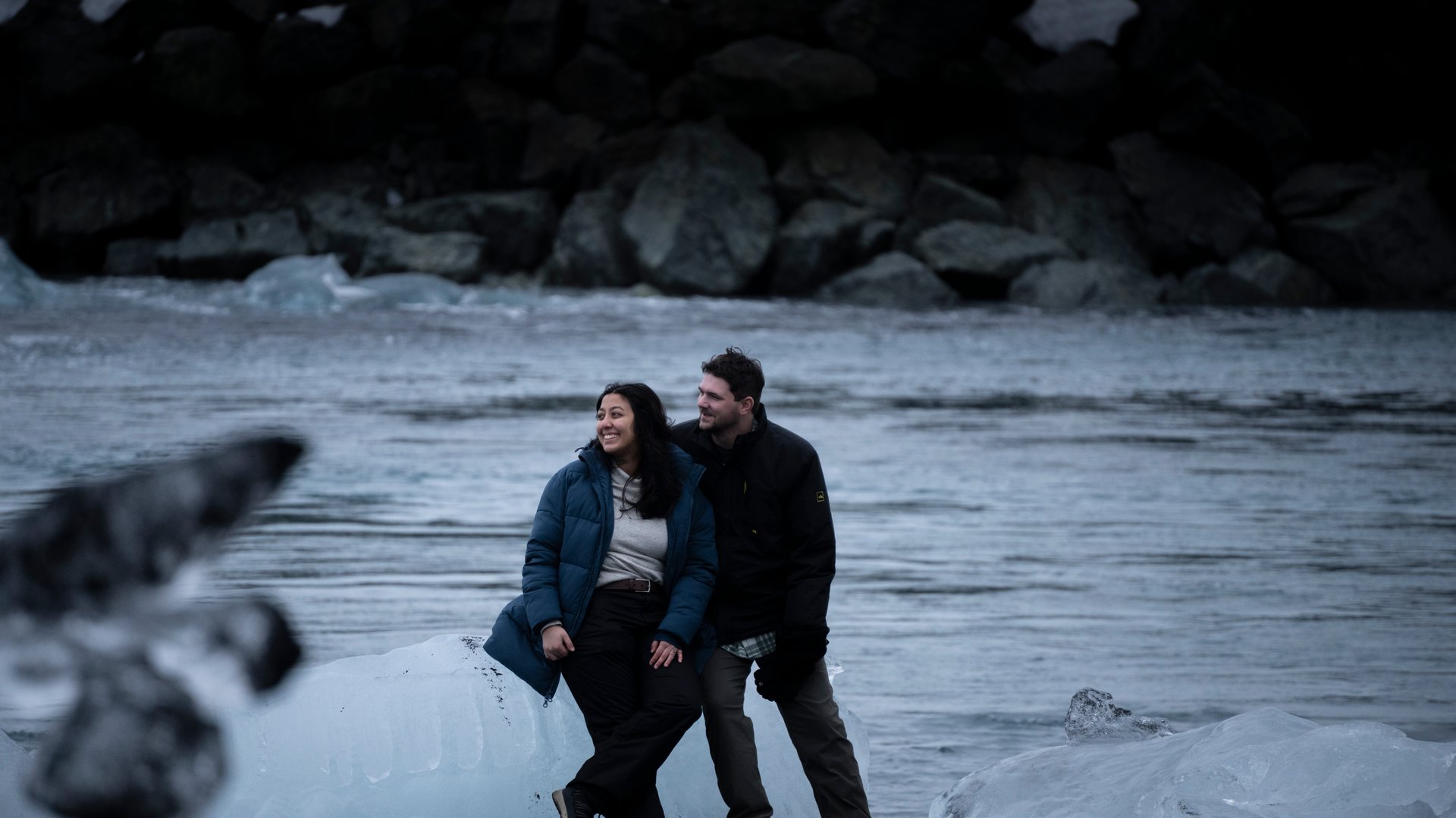
Over-packing is a real problem. With a private vehicle, you have storage space — but Iceland trips often involve switching hotels, and hauling three oversized suitcases in and out of hotels every night gets old fast. One medium suitcase and a daypack is the sweet spot. Pack versatile items that work across multiple days. Nobody in Iceland notices if you wear the same fleece twice.
What NOT to Pack
A quick list of items I’ve seen travelers bring that added nothing to their trip:
An umbrella — already covered, but it bears repeating. Useless against Icelandic wind.
Excessive formal clothing. One smart-casual outfit is enough for the nicest restaurant in the country.
Cotton everything. Cotton socks, cotton t-shirts, cotton underwear — all of it absorbs moisture and stays wet. Merino or synthetic across the board.
Massive suitcases. If you’re doing a multiday tour, you’ll be switching accommodations. Packing light is a favor to yourself.
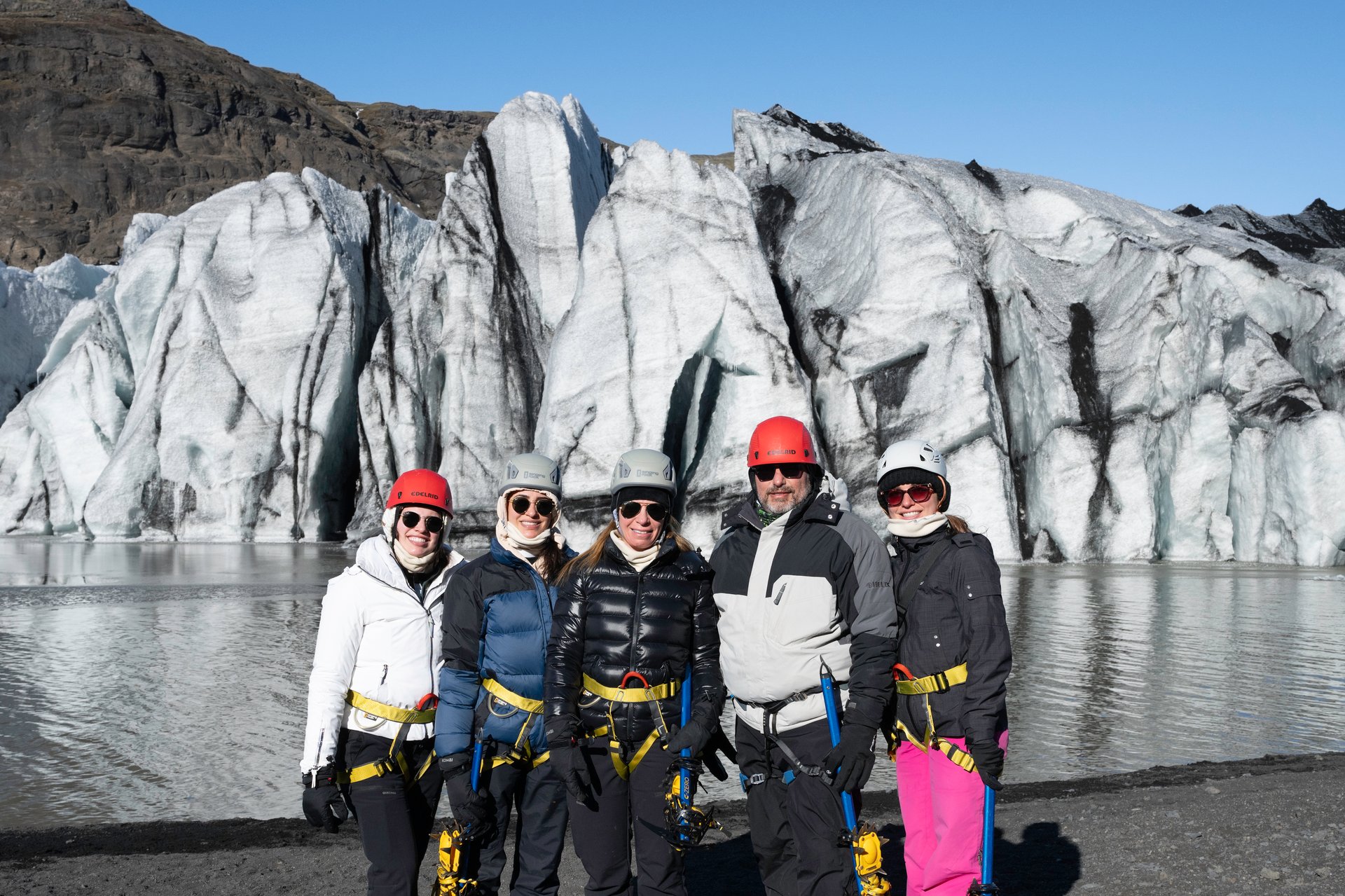
Too many outfit changes. You’re not being photographed at events — you’re hiking waterfalls and crossing lava fields. Two to three base layers, one or two mid layers, and one shell is genuinely all you need for a week.
High heels or dress shoes. I mention this because it happens more than you’d expect. Leave them home.
Hair dryers and straighteners. Every hotel in Iceland provides a hair dryer, and the humidity from waterfalls and rain will undo any styling within minutes anyway.
The Complete Packing Checklist
Base layers: 2-3 merino or synthetic long-sleeve tops, 1-2 pairs merino leggings (winter: heavyweight; summer: lightweight), merino or synthetic underwear, merino socks (3-4 pairs).
Mid layers: 1 midweight fleece, 1 packable down jacket (essential in winter, recommended in summer).
Outer layers: 1 waterproof/windproof hardshell jacket with hood, 1 pair waterproof trousers or pants.
Footwear: Waterproof hiking boots (broken in), casual shoes for Reykjavík, river crossing sandals (if doing Glymur or similar), warm socks that fit in boots.
Accessories: Warm hat covering ears, waterproof insulated gloves, neck gaiter or buff, sunglasses, daypack (20-25L).
Winter additions: Ice grips/crampons, headlamp, hand and toe warmers, heavier insulated jacket.
Summer additions: Swimsuit, quick-dry towel, sleep mask, sunscreen (SPF 30+), bug repellent (for Mývatn area).
Tech and extras: Camera (phone is fine), portable charger, universal adapter (Iceland uses European Type C/F plugs), reusable water bottle (Iceland’s tap water is among the cleanest in the world — no need to buy bottled).
FAQ
What should I wear on a private tour in Iceland?
Dress in layers: a merino base, a fleece or down mid layer, and a waterproof shell on top. Waterproof hiking boots are essential for any stops that involve walking on trails, near waterfalls, or on beaches. Your guide will let you know in advance if any specific gear is needed for the day’s itinerary — for glacier hikes or ice caves, specialized equipment is provided by the activity operator.
Do I need hiking boots for Iceland?
Yes, for anything beyond walking on paved surfaces. Iceland’s terrain — lava rock, moss, wet trails, volcanic gravel — requires proper grip and ankle support. Waterproof hiking boots with a sturdy sole are the right choice. Trail runners and fashion boots are not suitable for most Icelandic conditions.
Can I buy outdoor gear in Reykjavík?
You can. Reykjavík has several excellent outdoor retailers, including 66°North (Icelandic brand) and Cintamani, as well as international chains. Quality is high, but so are prices — expect to pay significantly more than you would at home. Buy your essentials before traveling and use Reykjavík shops as a backup for anything you forgot or underestimated.
What’s the biggest packing mistake visitors make?
Wearing cotton as a base layer, particularly cotton jeans. Cotton absorbs moisture — whether from rain, waterfall spray, or your own sweat — and takes hours to dry. Once it’s wet, it pulls heat from your body and stays uncomfortable for the rest of the day. Switching to merino or synthetic base layers is the single change that makes the biggest difference.
Ready to Experience Iceland the Right Way?
Now that you know what to pack, the next step is making sure your time in Iceland is spent experiencing the country — not managing logistics, navigating weather decisions, or wondering if you took the right road.
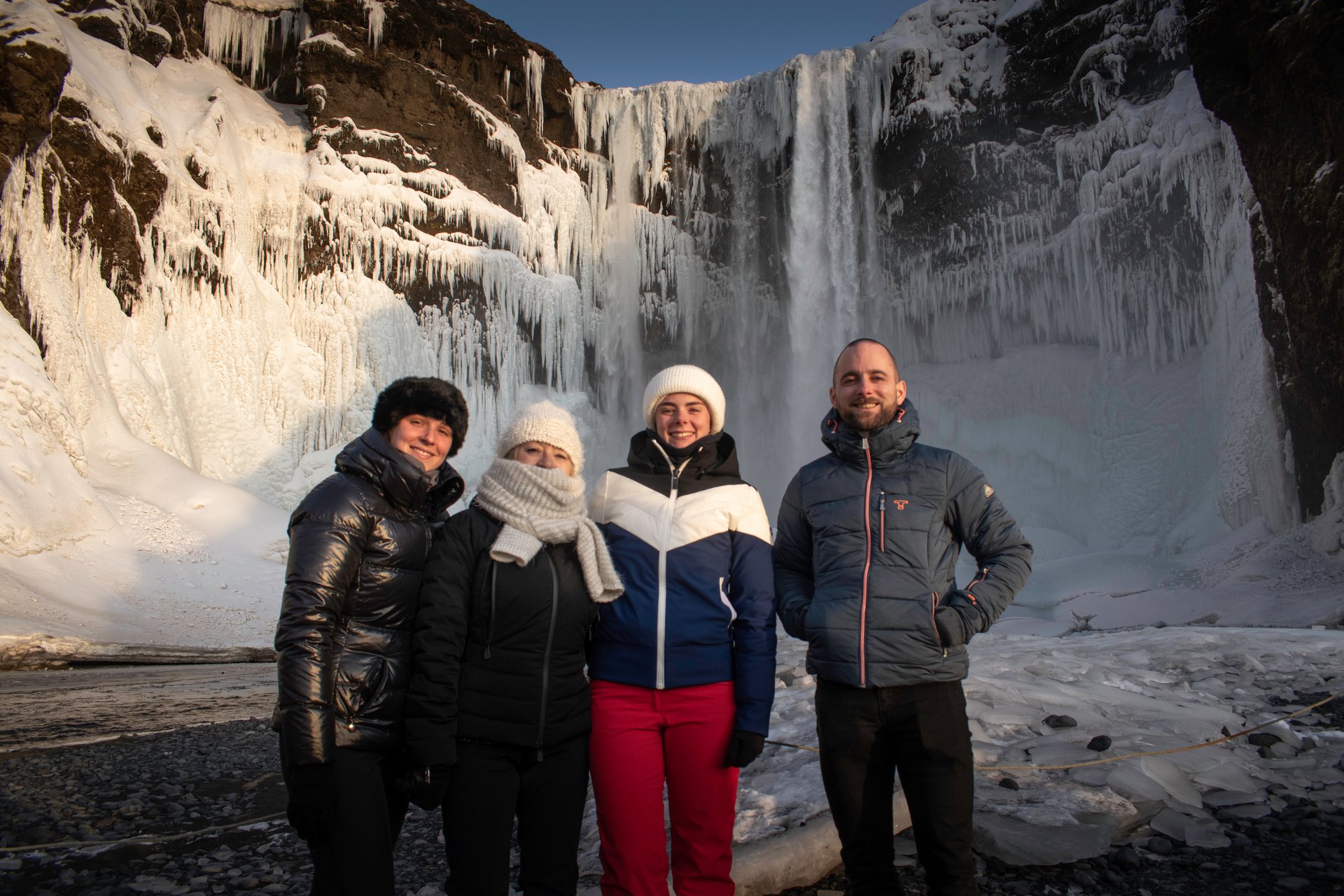
On a private tour with Lilja Tours, you have a local guide and a premium vehicle handling everything while you focus on the landscape, the light, and the moments in between. From the Golden Circle to the South Coast and beyond — pack well, show up, and leave the rest to us.
Contact us to start designing your trip, or browse our day tours to see what’s possible.