The midnight sun in Iceland is one of those things that sounds simple on paper and then completely rearranges your sense of reality when you experience it.
From late May through mid-August, the sun barely sets. In June, it does not set at all in parts of the north, and even in Reykjavík, the sky never fully darkens — you get a golden twilight around midnight that lasts an hour or two before the light starts building again. Your watch says 11 PM and the landscape is bathed in warm, low-angle light that photographers spend their careers chasing.
I have been guiding tours through Icelandic summers for over seven years, and the midnight sun still catches me off guard every June. You lose track of time in the best possible way. Dinner at 9 PM feels early. A hike at 10 PM feels perfectly normal. The whole rhythm of a trip shifts — and if you lean into it, the midnight sun becomes the single most defining feature of a summer visit to Iceland.
This guide covers what the midnight sun actually is, when it happens, what it does to the landscape, and the experiences that are only possible because of it.
What Is the Midnight Sun — And When Does It Happen?
The midnight sun is the result of Iceland’s position just below the Arctic Circle. During summer, the Earth’s axial tilt means the sun traces a low arc across the sky without ever fully dipping below the horizon.
Here is the practical breakdown:
Late May to mid-August is the broad window. During this period, Iceland experiences continuous or near-continuous daylight.
June 20–21 is the summer solstice — the longest day. In Reykjavík, the sun technically sets for about three hours around the solstice, but it never drops far enough below the horizon for the sky to get dark. What you get instead is a prolonged golden twilight that seamlessly transitions into dawn. In Akureyri and the north, the sun barely touches the horizon before climbing again.
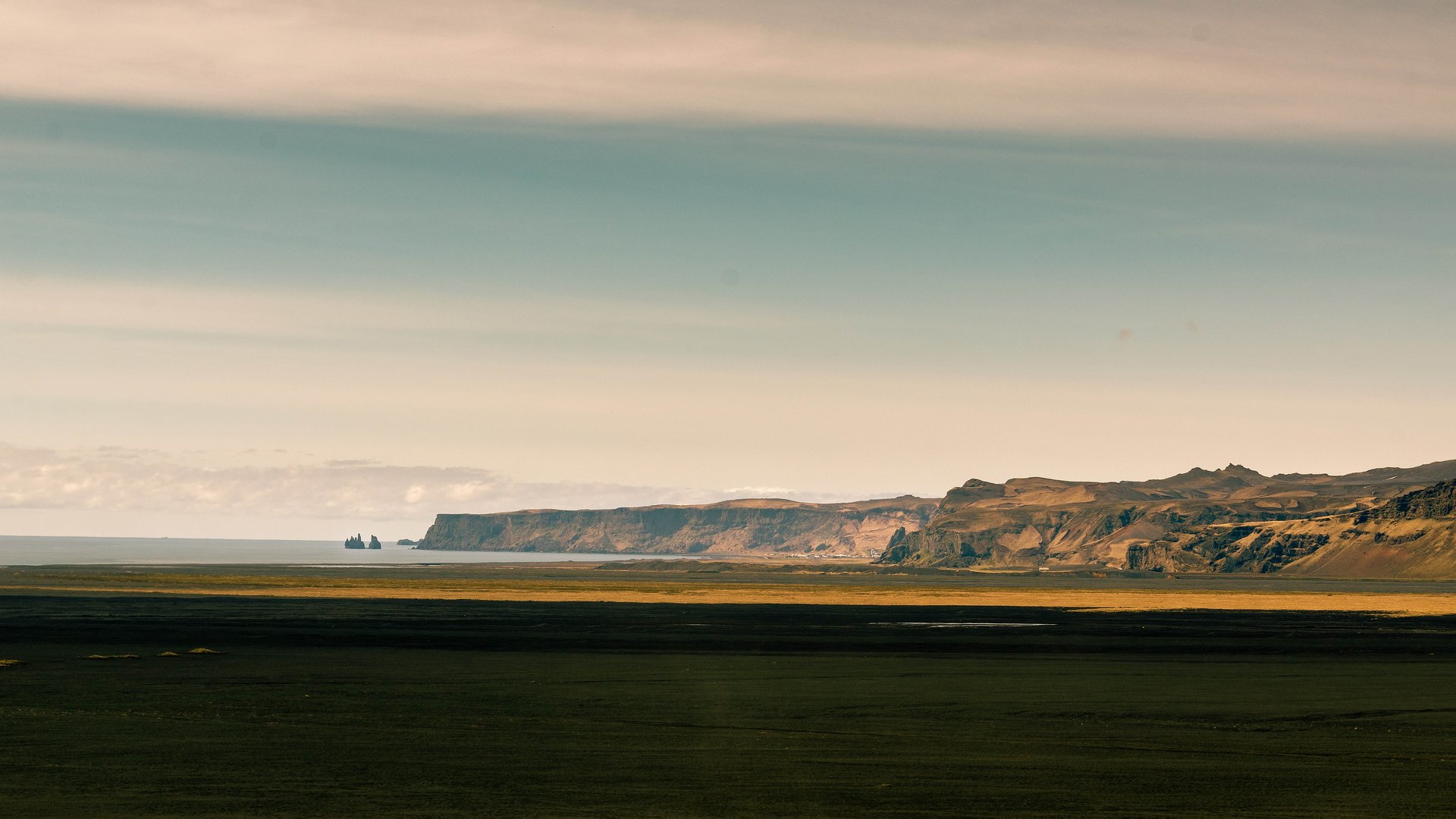
The real experience window is early June through late July. This is when the effect is most dramatic — when you can comfortably read a book outdoors at midnight, when hiking trails are bathed in warm light at 11 PM, and when the concept of “nighttime” becomes largely theoretical.
August still has very long days — 18 to 20 hours of daylight — but the sun does set, and proper darkness returns toward the end of the month. By late August, you might even catch the first Northern Lights of the season.
There is an important distinction between “the sun does not set” and “it is light all night.” Even in Reykjavík, where the sun does technically dip below the horizon in June, the sky never gets darker than a soft blue-gold twilight. For all practical purposes, it is light around the clock.
What the Light Does to Iceland
This is the part that no amount of reading prepares you for.
Iceland in winter has a stark, dramatic beauty — limited daylight creates deep shadows, high contrast, and a moodiness that suits the volcanic landscape. But summer light is something else entirely. The sun sits low on the horizon for hours, producing the kind of warm, golden illumination that most countries only get for twenty minutes around sunrise and sunset. In Iceland, this “golden hour” can last from 9 PM to 3 AM.
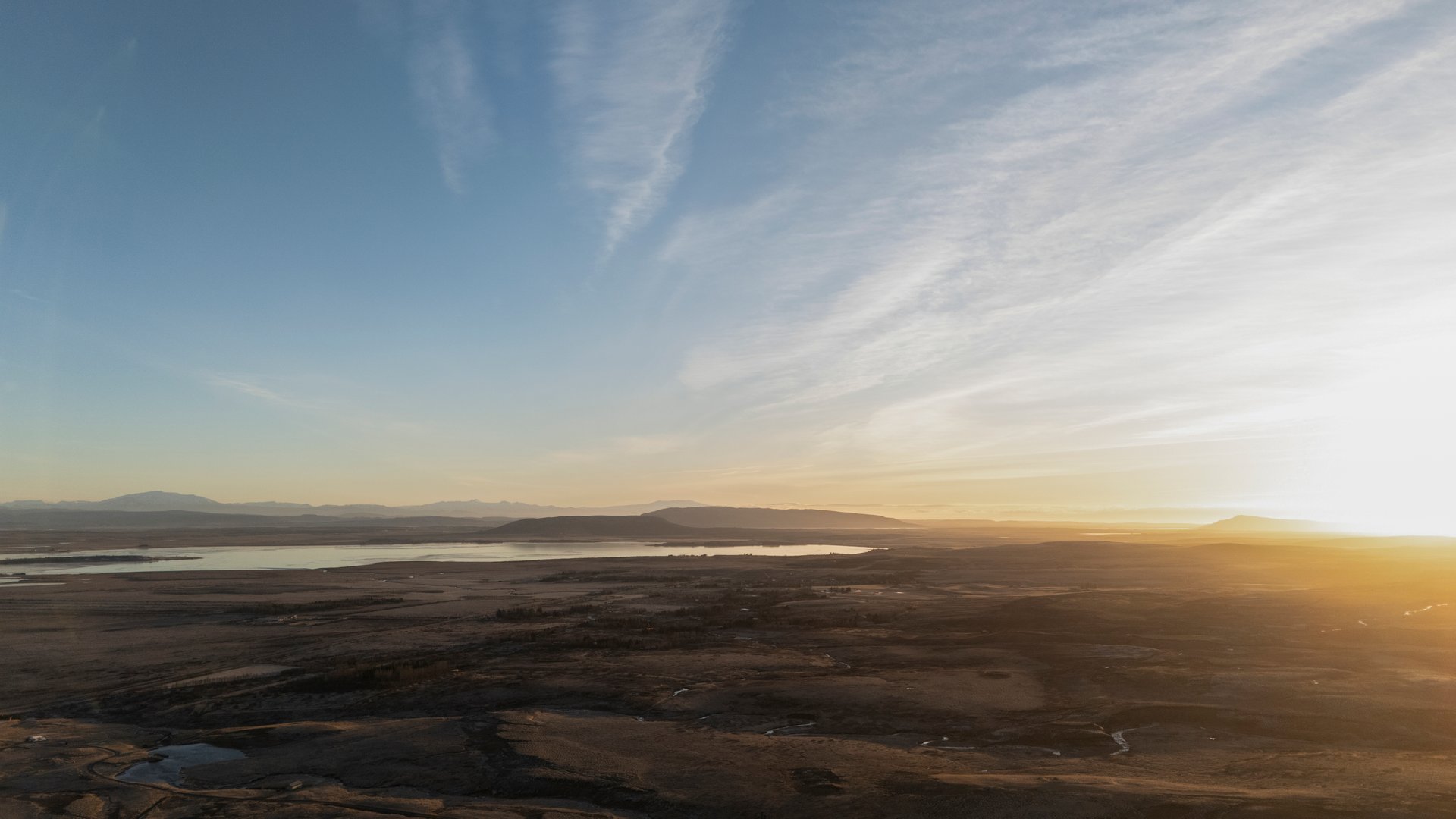
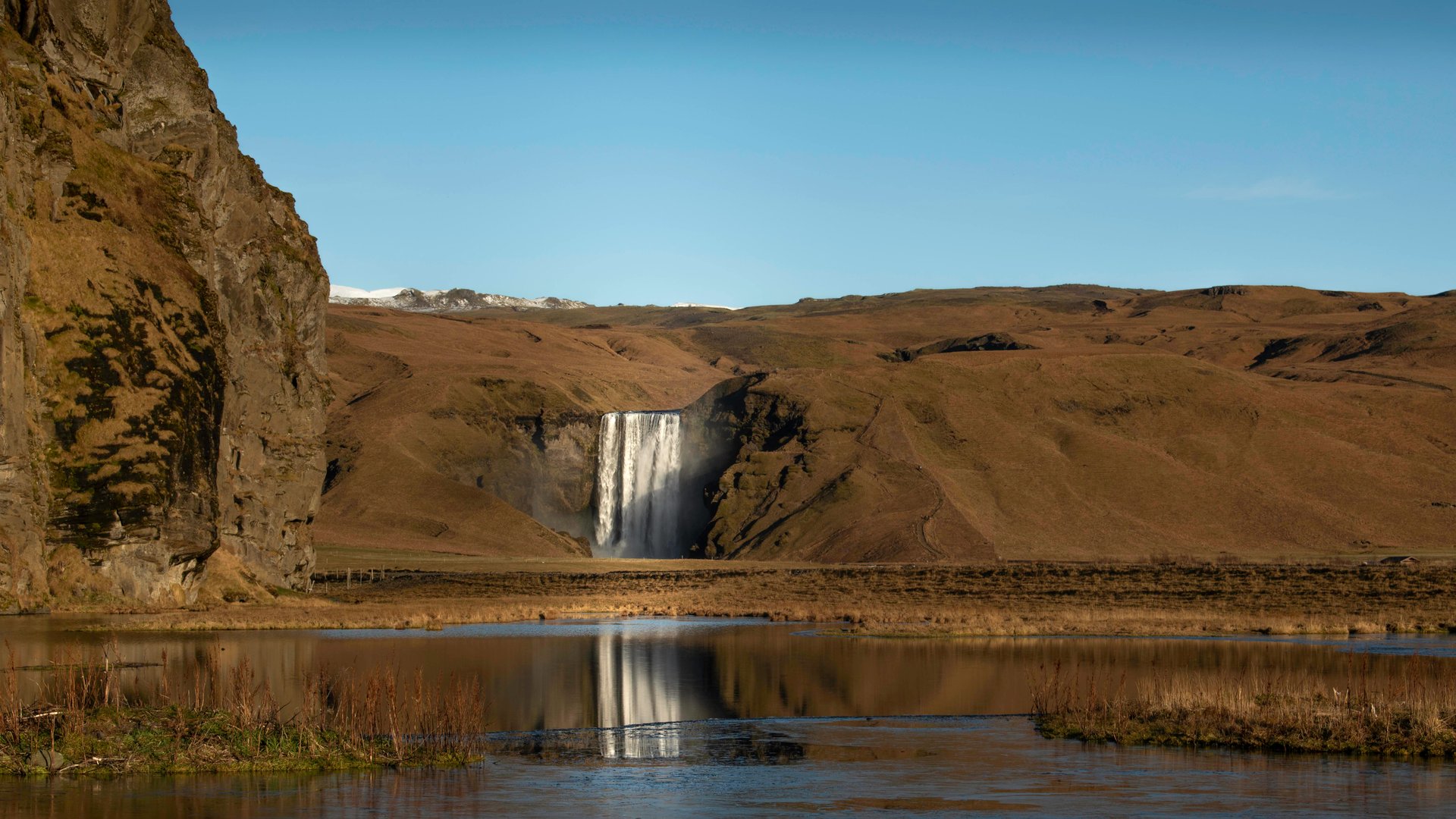
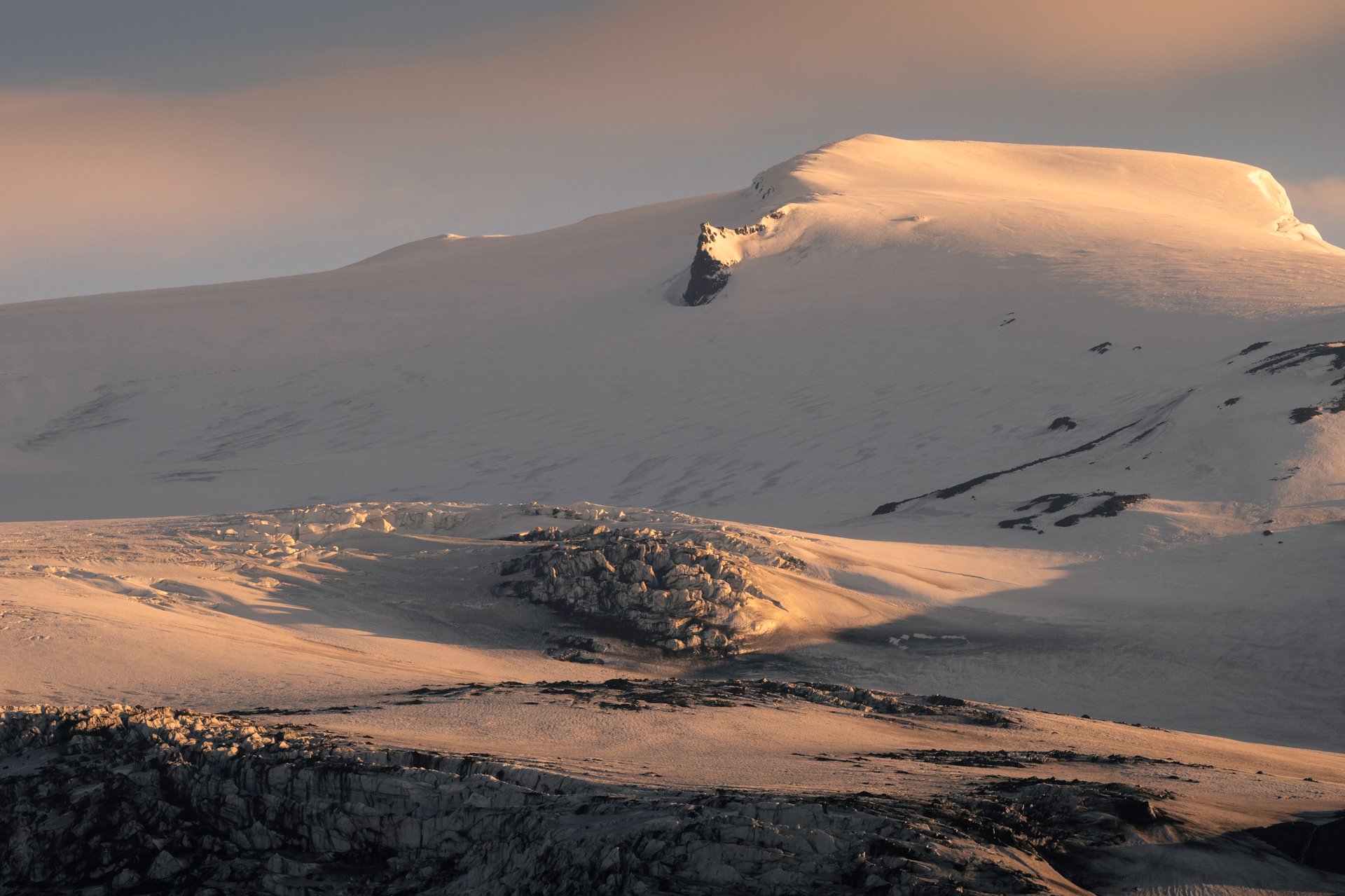
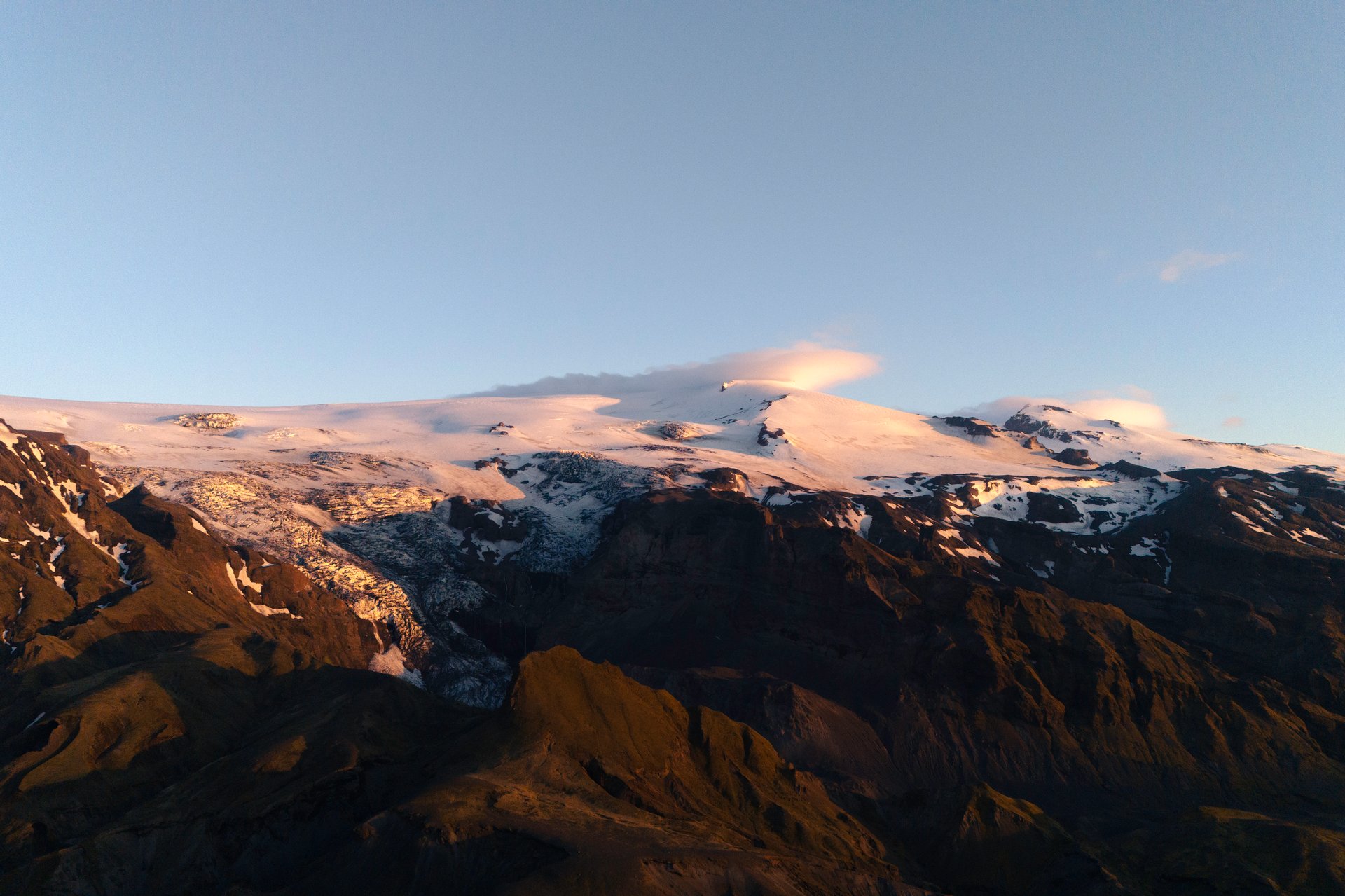
The effect on the landscape is extraordinary. Lava fields glow with a warm amber that makes the moss look like it is lit from within. Waterfalls catch the sideways light and throw rainbows that persist for hours. Glaciers take on a pink-gold tone that makes them look almost unreal. Coastal cliffs cast long shadows across black sand beaches, and the texture of every ridge and lava formation becomes sharply defined.
For photographers, this is the most productive time of year anywhere in the world. For everyone else, it is simply the most beautiful version of Iceland — a country that already trades in dramatic landscapes getting an upgrade in lighting that elevates everything.
And then there is the psychological effect. The continuous light does something to your energy and your mood. Most visitors feel a quiet exhilaration — a sense that the day is not ending, that there is always time for one more stop, one more viewpoint, one more walk along the shore. It is Iceland’s way of telling you to slow down and look around.
The Best Experiences Under the Midnight Sun
The midnight sun does not just change how Iceland looks — it changes what you can do and when you can do it. Here are the experiences that are uniquely enhanced by near-endless daylight.
Late-Night Hiking
This is the experience that surprises visitors most. A hike that starts at 9 PM, when the trails are empty and the light is golden, is a fundamentally different experience from the same hike at noon.
The best hikes near Reykjavík — Glymur, Esja, Reykjadalur — are all accessible in the evening hours, and the parking areas that overflow at midday are nearly empty after 8 PM. Reykjadalur’s hot river is particularly magical in the midnight sun: soaking in warm geothermal water while the sky turns pink and gold over the valley, with no one else around.
On a private tour, this kind of flexibility is natural. We adjust the day’s schedule to take advantage of the best light, which often means a leisurely morning and a late-evening adventure.
The Highlands Open Up
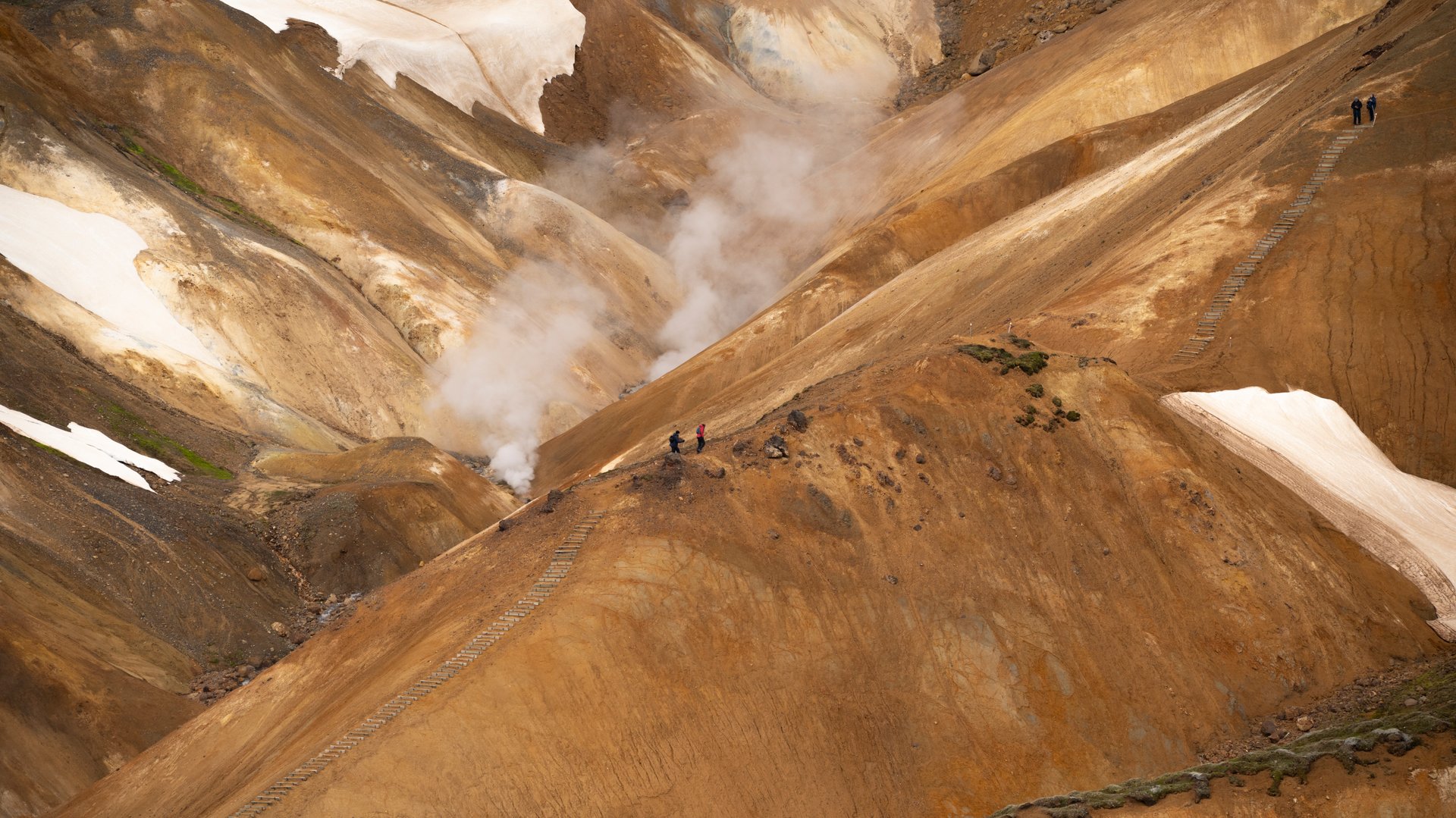
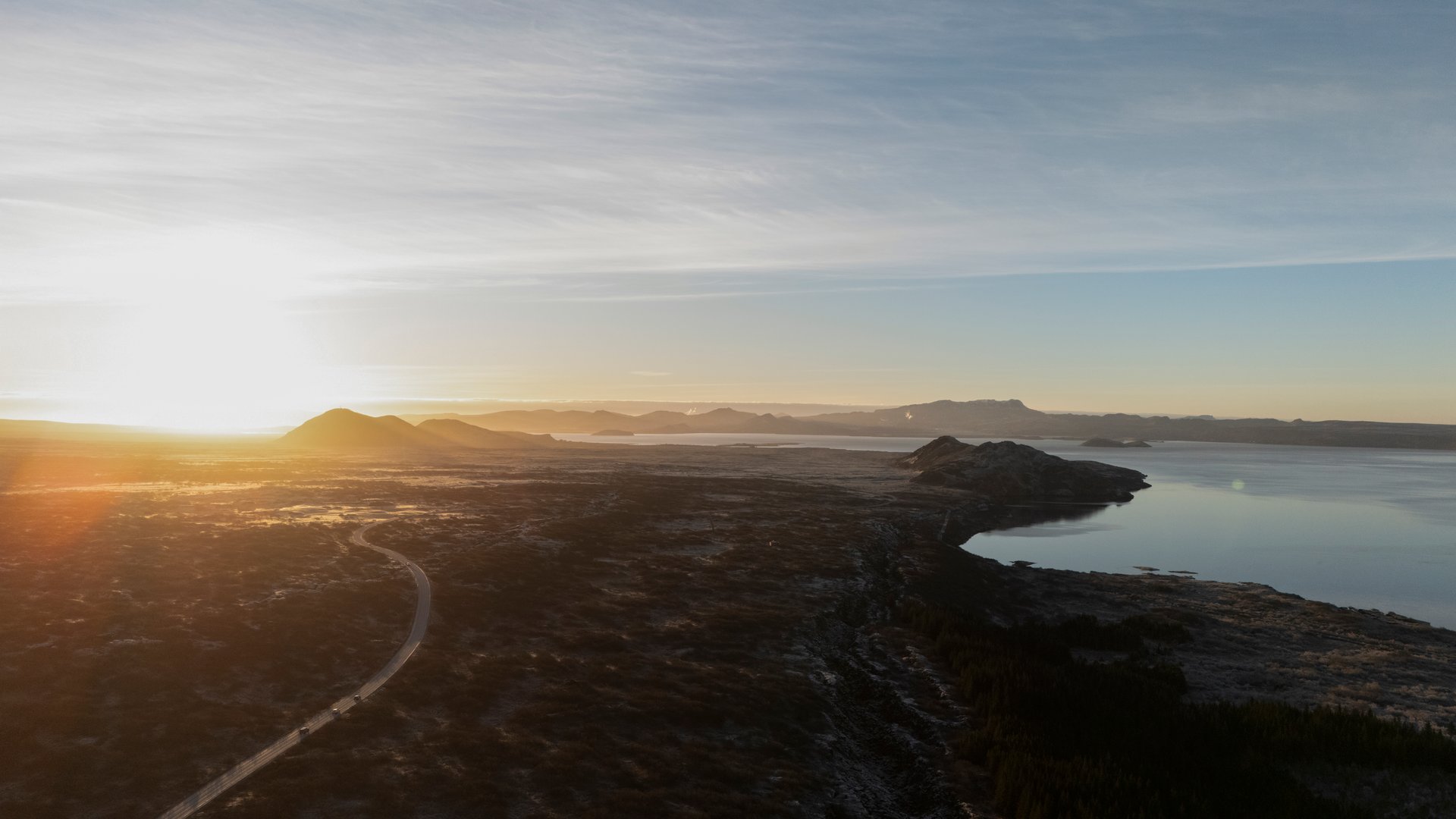
Iceland’s interior Highlands are only accessible from mid-June through September, and the midnight sun is part of what makes the experience so powerful. The F-roads — unpaved mountain tracks that require serious 4x4 vehicles — lead to landscapes that feel genuinely otherworldly: rhyolite mountains in shades of pink, green, and ochre at Landmannalaugar; the volcanic desert of Sprengisandur; the glacial valleys of Þórsmörk.
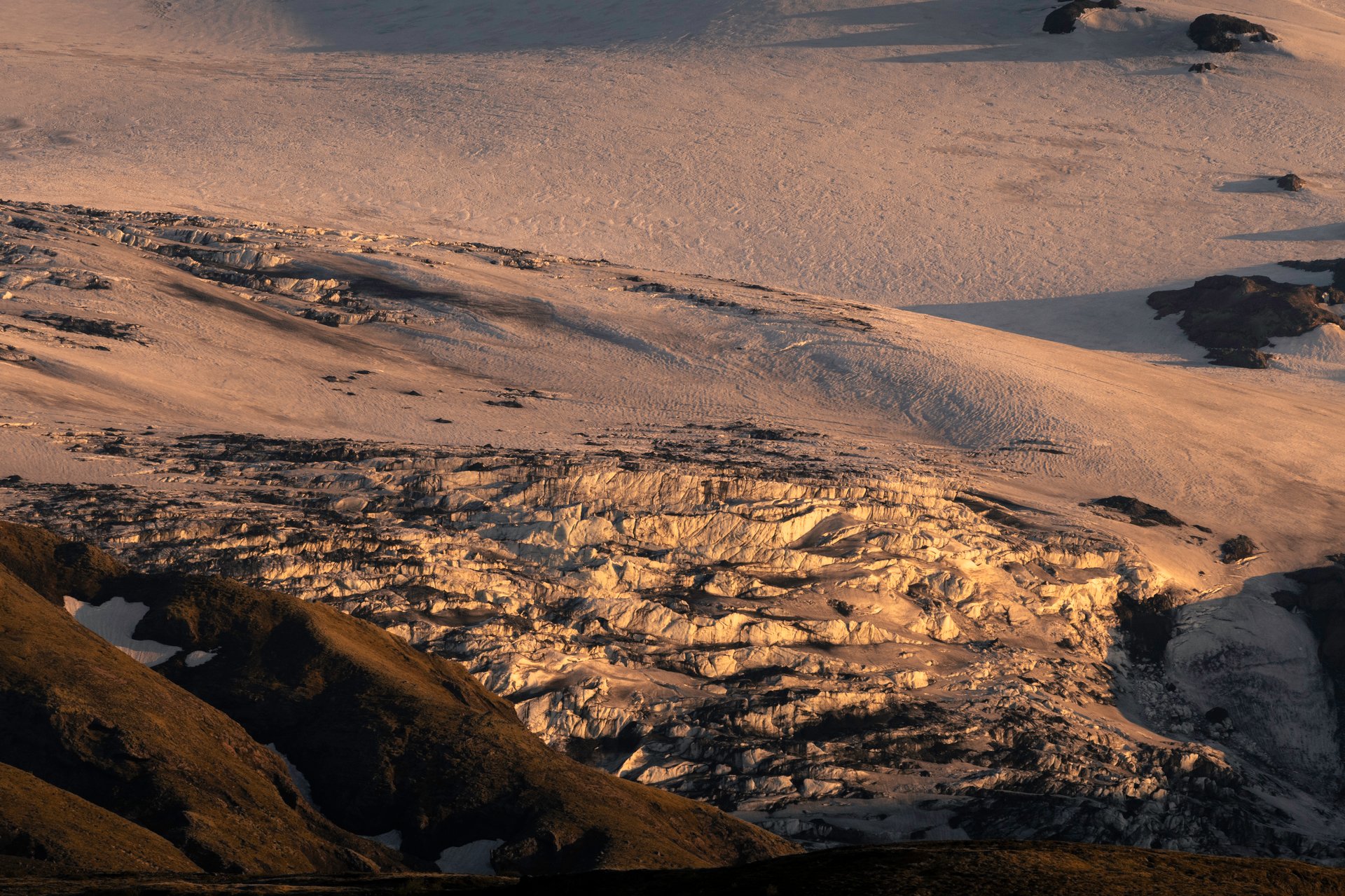
Driving the Highlands in continuous daylight means no pressure to reach your destination before dark. River crossings — the signature challenge of Highland driving — are safer and easier to read in daylight. And the quality of light on volcanic terrain that has never been touched by development is something you do not forget.
Our guide to why private tours are best in the Highlands covers the logistics and the experience in detail.
Whale Watching With Extended Daylight
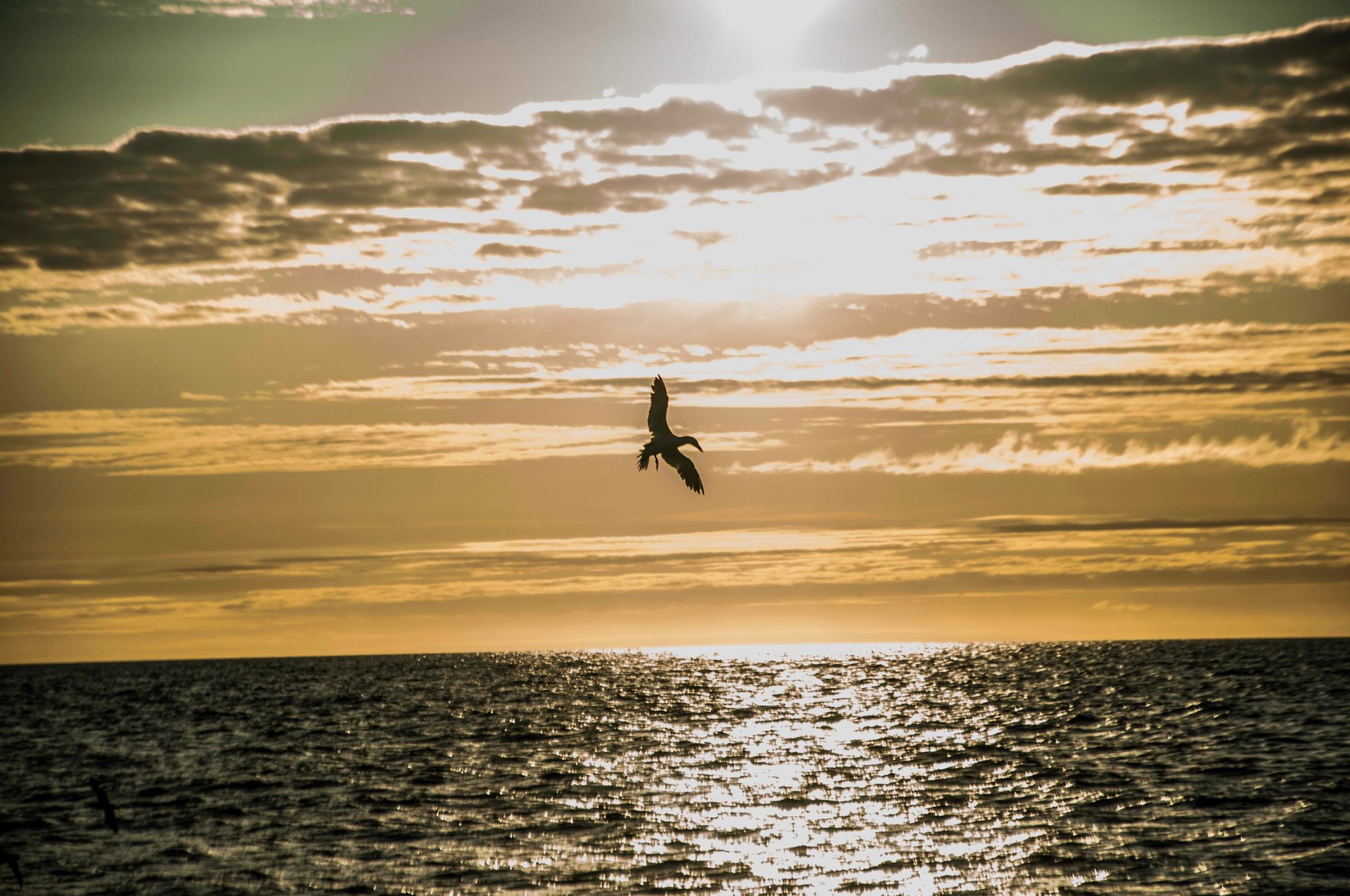
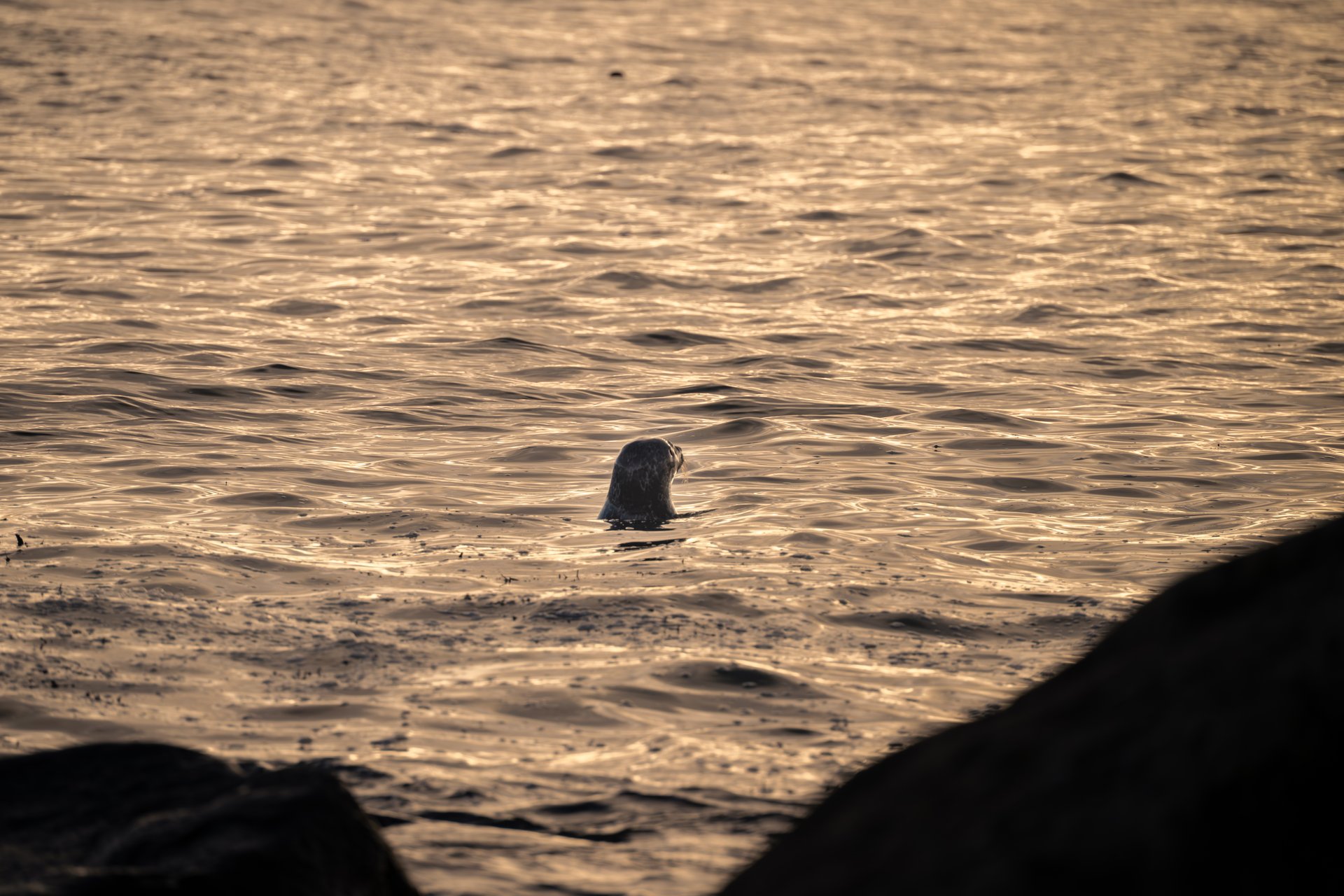
Summer is already peak season for whale watching in Iceland, with humpback whales, minke whales, dolphins, and occasionally blue whales feeding in the nutrient-rich waters. But the extended daylight hours mean more departures, better visibility, and trips that run later into the evening when the sea is often calmest.
Húsavík in the north is Europe’s whale watching capital, and summer departures there can take advantage of the softest, most beautiful light you will ever see on the water.
Puffin Season Overlap
Atlantic puffins nest on Iceland’s coastal cliffs from roughly mid-April through mid-August — almost exactly the midnight sun window. The largest colonies at Látrabjarg in the Westfjords, Borgarfjörður Eystri in the east, and the Westman Islands are most active and photogenic during the long summer evenings.
There is something particularly charming about watching puffins waddle along cliff edges at 10 PM in full daylight. They are completely unbothered by it.
Driving the Ring Road Without a Clock
The ring road — Iceland’s 1,300-kilometer coastal circuit — takes on a different character under the midnight sun. Without the pressure of fading light, you can stop whenever something catches your eye (always park on designated stops), take a detour, or spend an extra hour at a waterfall without worrying about driving in the dark.
This is where a well-planned itinerary becomes even more valuable. With a guide who understands the light patterns and knows which locations look best at which time of day, a ring road trip in June becomes a rolling golden-hour experience.
Late-Night Hot Spring Soaking
Iceland has no shortage of geothermal pools, but soaking in a countryside hot spring at midnight — surrounded by mountains, with the sky glowing amber and no one else in sight — is the quintessential midnight sun experience. The warmth of the water, the cool evening air, the endless light — it is the kind of moment that makes people book their return trip before they leave.
The Flip Side: Practical Challenges of Continuous Daylight
The midnight sun is extraordinary, but it is not without its complications. Being prepared for them makes the difference between a great trip and a slightly disoriented one.
Sleep Can Be a Challenge
Your body is not wired for sleep when the sun is streaming through the window. This catches many visitors off guard, especially in the first few days. The excitement of endless daylight compounds the issue — you stay up later than planned because the light tells your brain it is still afternoon.
What to pack: A good sleep mask is essential — not a flimsy airline freebie, but a proper one that blocks light completely. Many Iceland hotels have blackout curtains, but not all, and guesthouses and farmstays often have thinner coverings. Bring the mask regardless. For more packing tips, check our luxury packing guide.
What to expect: Even with precautions, your sleep rhythm will shift. Most visitors settle into a pattern of slightly later nights and slightly later mornings within a few days. On a private tour, this works in your favor — we adapt the schedule to your energy, not the other way around.
Energy Management
The continuous daylight creates a deceptive sense of unlimited energy. Day one and two, you feel invincible — staying up until midnight, waking early, cramming in activities. By day four, the sleep deficit catches up.
The smartest approach is to pace yourself from the start. Plan for one or two main activities per day, leave afternoons flexible, and resist the temptation to “use every hour of daylight.” There are twenty-plus hours of it — you cannot use them all, and you should not try.
Crowds at Peak Season
June and July are Iceland’s busiest months. The midnight sun draws visitors from across the world, and popular sites like the Golden Circle, Seljalandsfoss, and Reynisfjara can feel congested between 10 AM and 4 PM.
The midnight sun itself is the solution. Visit popular sites early in the morning or late in the evening, when the light is better and the crowds are thinner. On a private tour, I routinely schedule the most popular stops for early morning or late evening — the experience is dramatically better, and the photos are incomparably superior.
It Can Be Harder to Tell Time
This sounds trivial until you experience it. Without the visual cue of the sun setting, the hours blur. You look up from dinner and it is 11 PM. You step outside “for a quick walk” and return two hours later. You think it is mid-afternoon and it is actually 8 PM.
This is not really a problem — it is part of the charm. But it is worth being aware of, especially if you have activities with set departure times (whale watching, glacier hikes, restaurant reservations).
The Midnight Sun With a Private Guide
A private guided tour is not the only way to experience Iceland’s midnight sun — but it is the way to experience it fully.
The difference is timing and local knowledge. A guide who has driven these roads through hundreds of midnight sun evenings knows that Kirkjufell on the Snæfellsnes Peninsula looks transcendent at 10 PM when the light hits from the west. Knows that the Jökulsárlón glacier lagoon is calmest and most reflective at midnight. Knows that the drive through Öxi pass catches the most dramatic shadows at 9 PM.
On a private tour, your schedule adapts to the light, not the other way around. If the sky is extraordinary at 11 PM, we adjust tomorrow’s departure. If the morning is overcast but the evening forecast is clear, we shift the day’s priorities. This kind of real-time optimization is impossible on a fixed-schedule group tour, and extremely difficult to replicate when you are self-driving and managing logistics yourself.
The midnight sun makes every decision about timing more impactful — and having someone beside you who reads the light professionally is the difference between a good trip and one that consistently delivers extraordinary moments.
→ Explore our multiday tours or get in touch to start planning your midnight sun trip.
FAQ
When does the midnight sun happen in Iceland? The midnight sun window runs from late May to mid-August, with the peak around the summer solstice (June 20–21). The most dramatic effect — when the sky never fully darkens — lasts from early June through late July. Even outside this peak, Iceland has 18-20 hours of daylight from May through August.
Can you see the midnight sun from Reykjavík? Yes, though technically the sun does dip just below the horizon for a few hours around midnight in Reykjavík, even at the solstice. The sky never gets dark, though — it transitions through a golden twilight that barely registers as “night.” In northern Iceland (Akureyri, Húsavík), the sun stays above the horizon even longer.
Do I need blackout curtains to sleep? A sleep mask is more reliable than depending on hotel curtains. Many Icelandic hotels have good blackout curtains, but quality varies, especially at guesthouses and countryside accommodations. Bring a quality sleep mask and you are covered regardless.
What is the best month for the midnight sun? June is the peak — maximum daylight, the longest days, and the most dramatic golden-hour light. July is nearly as good with slightly shorter days but warmer temperatures. For a balance of long days and the first chance of Northern Lights, late August offers a unique transition.
Is Iceland crowded during the midnight sun season? June and July are the busiest months, particularly at popular sites during midday. The continuous daylight is actually the solution — visiting popular attractions in the early morning or late evening offers better light, fewer people, and a dramatically superior experience.