The Silver Circle in Iceland is a scenic driving route through the Borgarfjörður region in West Iceland. It connects Hraunfossar and Barnafoss waterfalls, Deildartunguhver hot spring, Víðgelmir lava cave, Langjökull glacier, Krauma geothermal baths, and the historic village of Reykholt in a loop of roughly 115 km — all accessible as a day trip from Reykjavík.
The Silver Circle is West Iceland’s answer to the famous Golden Circle, offering equally spectacular scenery with far fewer crowds. This scenic route through the Borgarfjörður region combines unique waterfalls, Europe’s most powerful hot spring, ancient lava caves, glacier adventures, and Viking history in one unforgettable journey.
Ready to start planning? Check out our Silver Circle day trip itineraries for four ready-to-use routes combining the best attractions with activities and relaxation.
The Silver Circle
Where is it?
The Silver Circle route winds through the Borgarfjörður region in Western Iceland, approximately 100 km north of Reykjavík. The loop itself covers about 115 km, but including the drive from the capital, expect a round trip of approximately 280 km. Without stops, the drive takes around four hours, though most visitors extend this to a full day or overnight trip to properly explore.
The route follows paved roads accessible year-round, passing through a landscape shaped by volcanic activity, glacial rivers, and centuries of human settlement. Majestic mountains and glaciers accompany you throughout, their peaks glistening in the sunlight—a sight that inspired the route’s precious name.
Why is it called the “Silver Circle”?
The name “Silver Circle” positions this route as the precious alternative to the more famous Golden Circle. While the Golden Circle draws massive crowds, the Silver Circle remains surprisingly overlooked despite its proximity to Reykjavík and the Ring Road. The name also evokes the shimmering glaciers and sparkling waterfalls that define the region’s landscape.
Some say the silver refers to the silvery threads of Hraunfossar’s countless waterfalls, while others point to the gleaming ice caps visible from throughout the route. Whatever the origin, the name captures the route’s status as an underrated gem offering beauty and peace without the tourist crowds.
Sightseeing
Hraunfossar
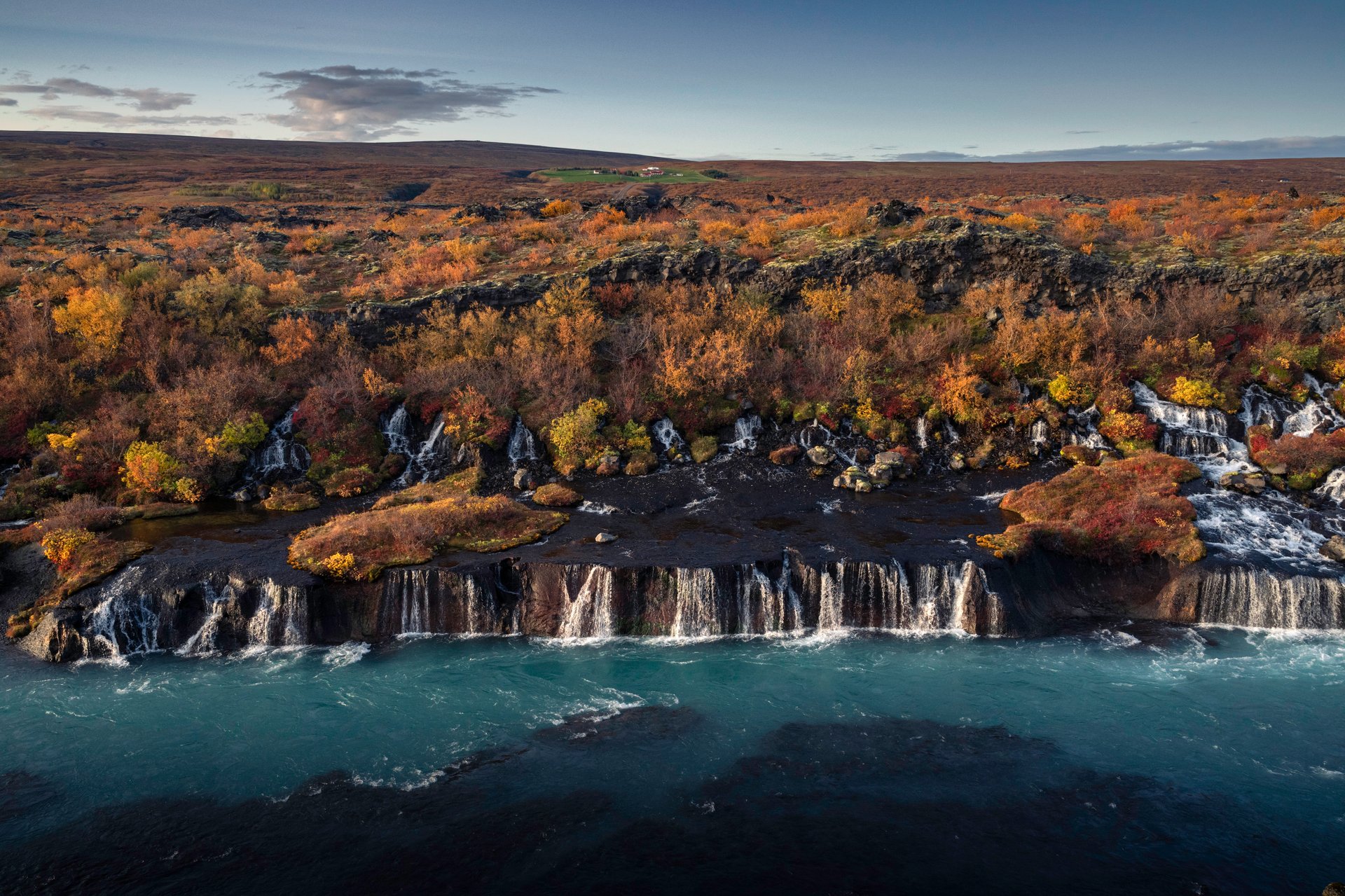
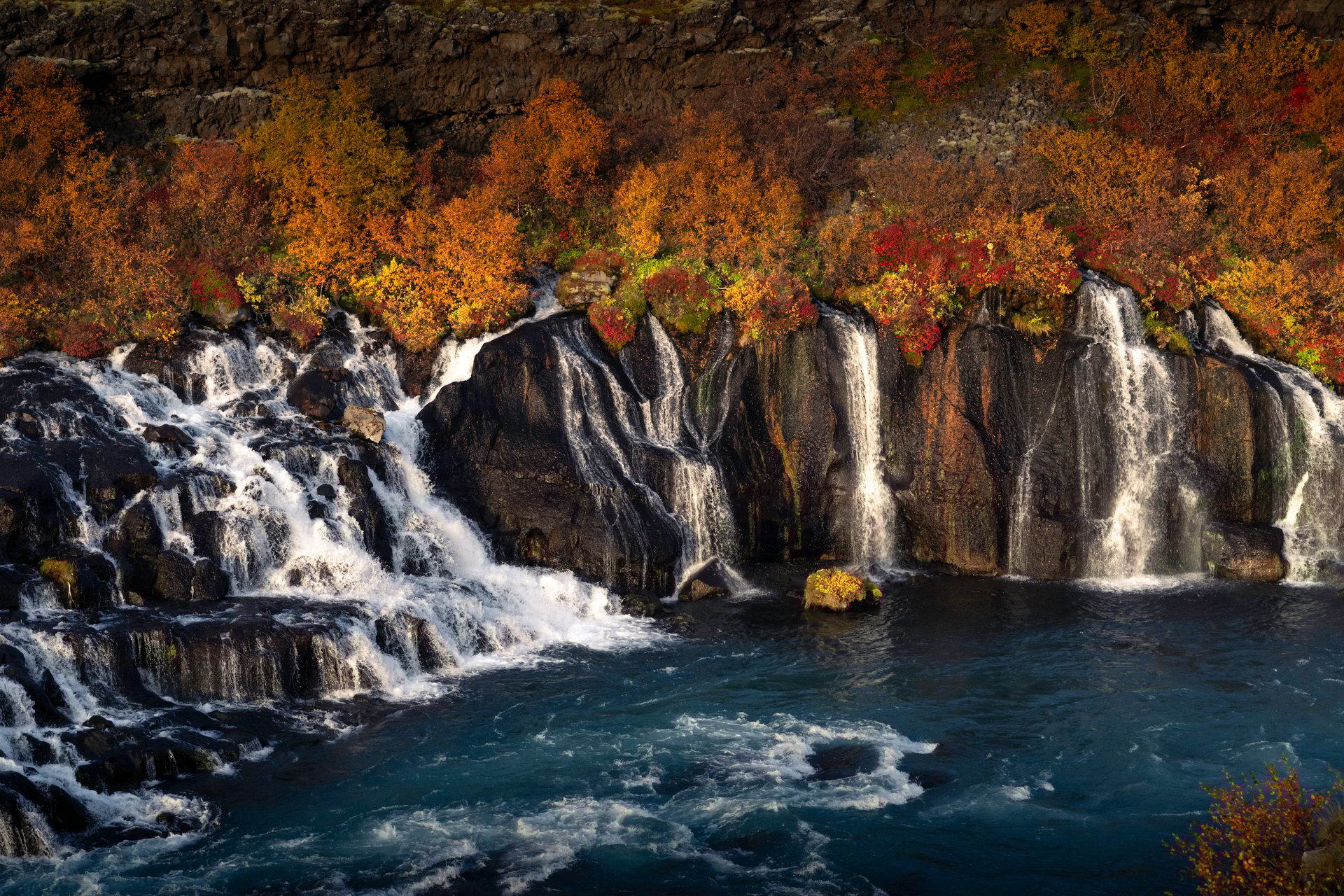
Hraunfossar, meaning “Lava Falls,” ranks among Iceland’s most unusual waterfalls. Rather than plunging from a single river, countless rivulets of crystal-clear water seep through the Hallmundarhraun lava field, cascading over a 900-meter cliff edge into the glacial Hvítá River below.
The effect is mesmerizing: hundreds of small waterfalls emerge directly from the porous lava rock, their turquoise waters contrasting dramatically with the dark volcanic stone. The water filters through the lava from Langjökull glacier, taking decades to complete the underground journey before emerging here.
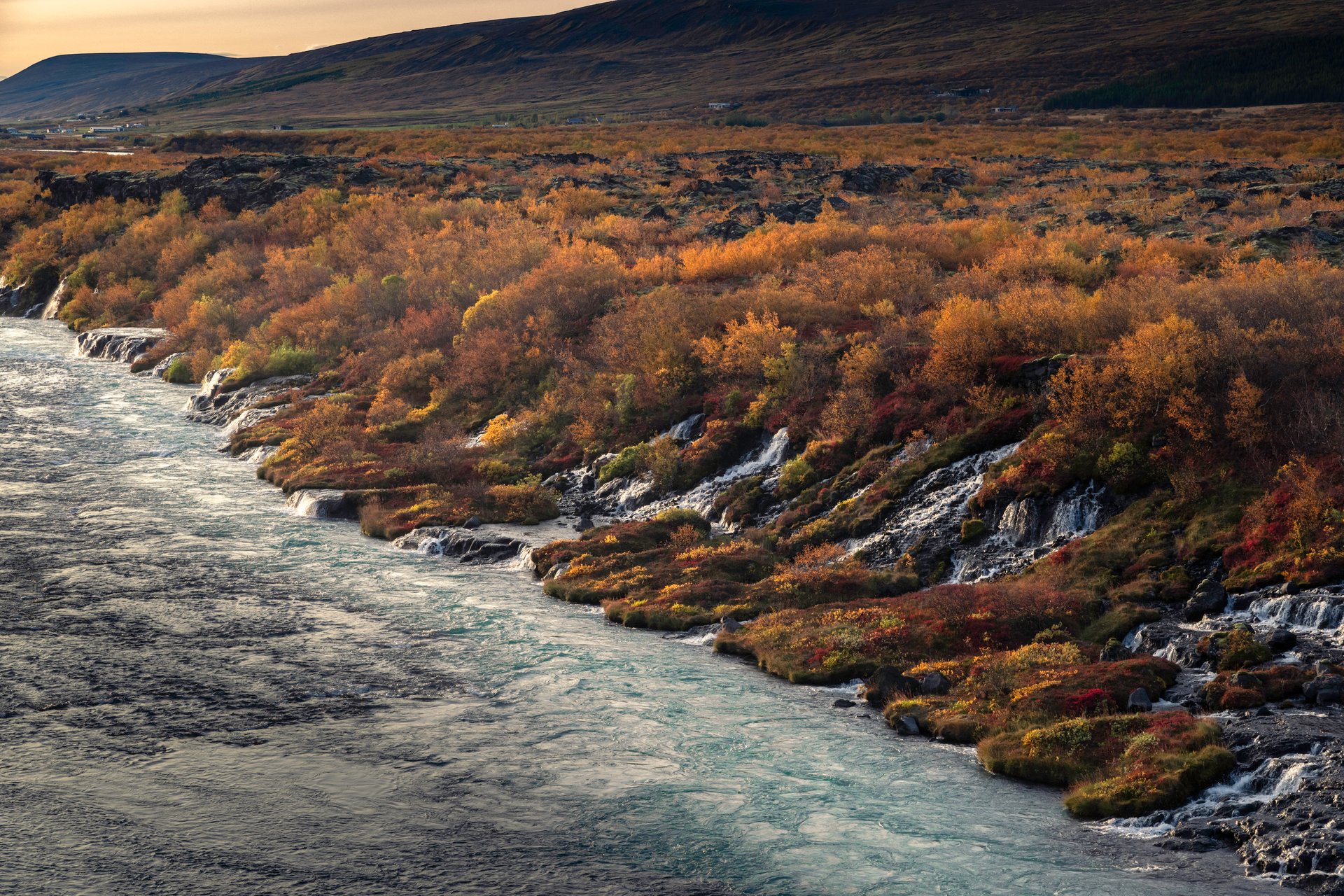
A wooden walkway follows the cliff edge, offering multiple viewpoints along the cascade. Autumn colors frame the falls beautifully, while winter transforms the scene with ice formations. The parking area includes facilities and connects directly to nearby Barnafoss.
Barnafoss
Just upstream from Hraunfossar, Barnafoss (“Children’s Falls”) presents a dramatic contrast. Here the Hvítá River forces through a narrow channel in the lava, creating violent rapids and churning blue-white water.
The waterfall takes its name from a tragic legend: two children from a nearby farm reportedly fell into the rapids while crossing a natural stone arch to attend Christmas mass. Their mother, grief-stricken, destroyed the arch to prevent further tragedy. Archaeological evidence suggests the arch did exist until sometime in the past centuries.
A short trail connects Hraunfossar and Barnafoss, making it easy to visit both in a single stop. The viewpoint offers close-up views of the rapids roaring through the narrow canyon.
Deildartunguhver
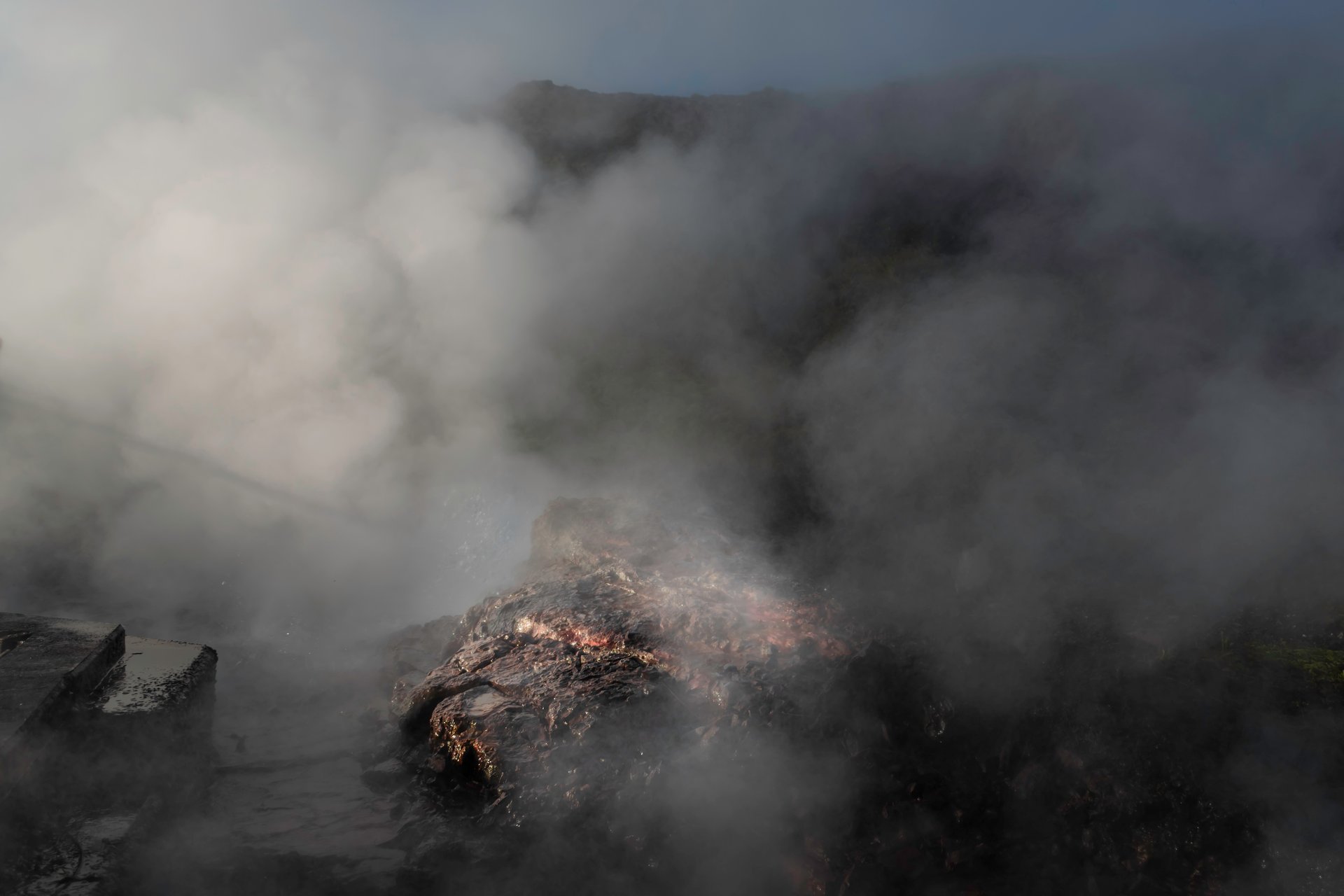
Deildartunguhver holds the title of Europe’s most powerful hot spring, discharging 180 liters of 100°C water per second. Steam rises constantly from the bubbling pools, creating an otherworldly atmosphere against the backdrop of red volcanic rock and vivid green moss.
This geothermal powerhouse provides hot water to towns up to 65 kilometers away, including Borgarnes and Akranes. A boardwalk allows visitors to safely observe the boiling springs and steaming vents. The dramatic contrast of rising steam, colorful mineral deposits, and lush vegetation makes this a photographer’s paradise.
The site sits adjacent to Krauma spa, making it easy to combine geological exploration with geothermal relaxation.
Grábrók and Glanni (with a little detour)
A short detour from the main Silver Circle route leads to two complementary attractions near the settlement of Bifröst: an ancient volcanic crater and a folklore-rich waterfall.
Grábrók
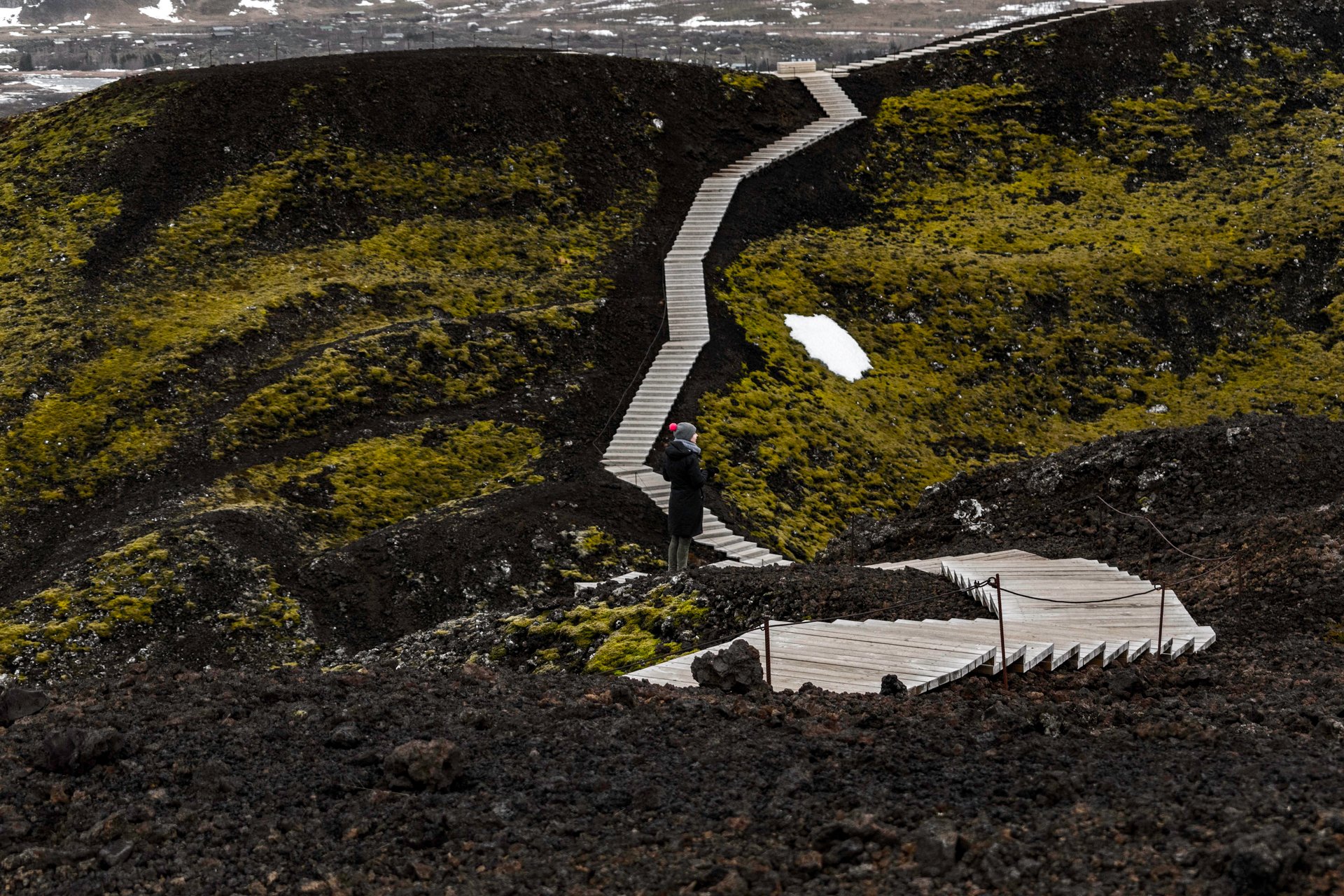
Grábrók crater formed approximately 3,400 years ago during a fissure eruption that created the surrounding Grábrókarhraun lava field. The 170-meter-high crater is part of the active Ljósufjöll volcanic system, though it has been quiet for millennia.
The well-maintained hiking trail features wooden stairs and gravel paths, taking 20-30 minutes to reach the rim. Once at the top, you can walk around the entire crater edge, gazing into its grassy basin while enjoying sweeping views of Bifröst University, Glanni waterfall, and the surrounding lava fields.
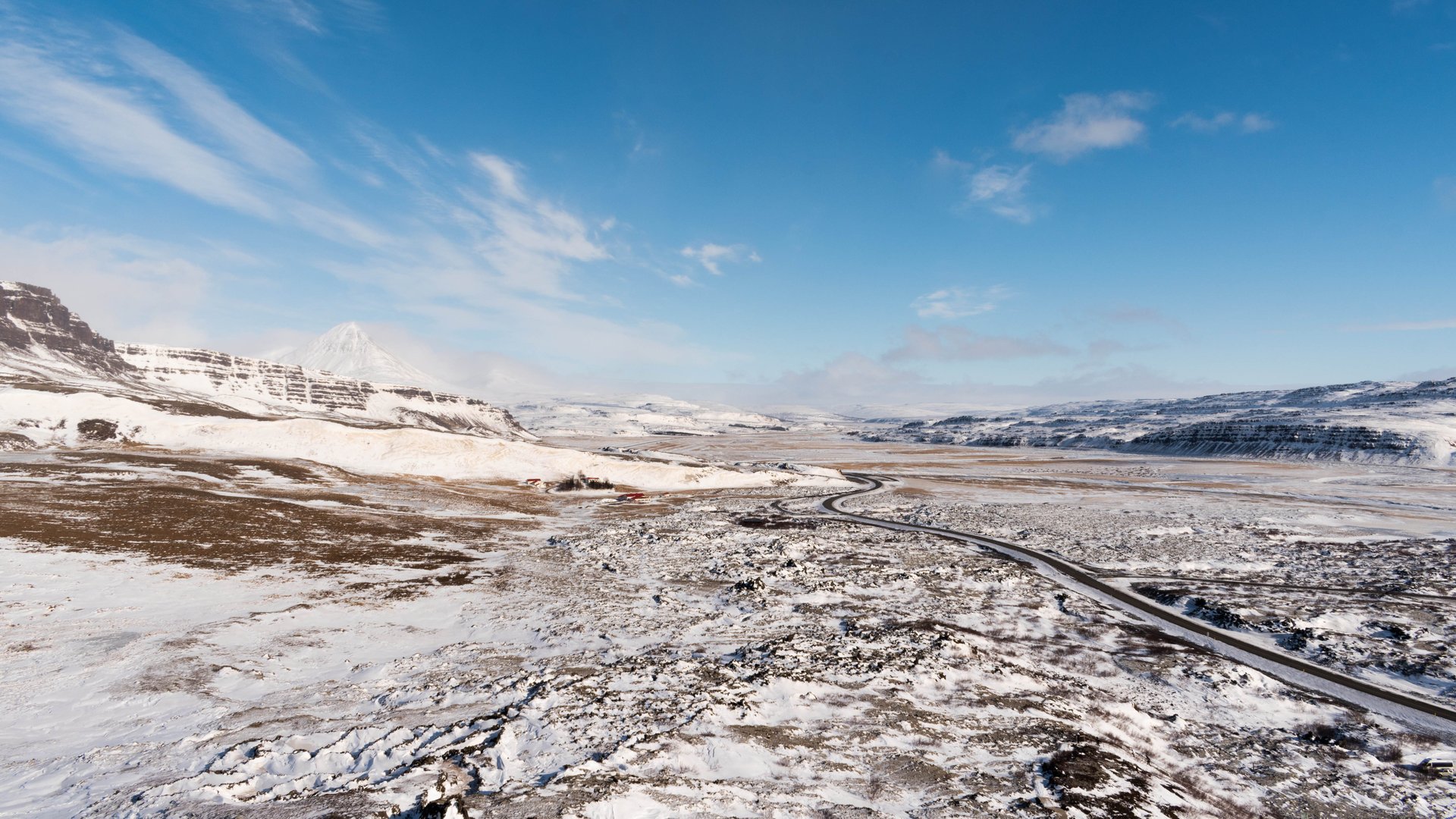
The area has been protected as a nature preserve since 1962. Three craters—Grábrók, Rauðbrók, and Smábrók—are all accessible from the free parking area beside the Ring Road.
Glanni
Just five minutes from Grábrók, Glanni waterfall tumbles over the Norðurá River in a series of picturesque cascades. Local folklore holds this spot as home to elves and trolls, adding mystical atmosphere to an already enchanting setting.
The waterfall sits within the Grábrók lava field, surrounded by moss-covered volcanic rock and lush vegetation. In summer, you might spot salmon leaping up the falls—Norðurá ranks among Iceland’s most renowned salmon fishing rivers.
A short walk from the falls leads to Paradísarlaut (“Paradise Hollow”), a peaceful blue-green pool surrounded by lava formations. The combination of waterfall, pool, and mythology makes this detour well worthwhile.
Hiking in Húsafell
See the visitor center
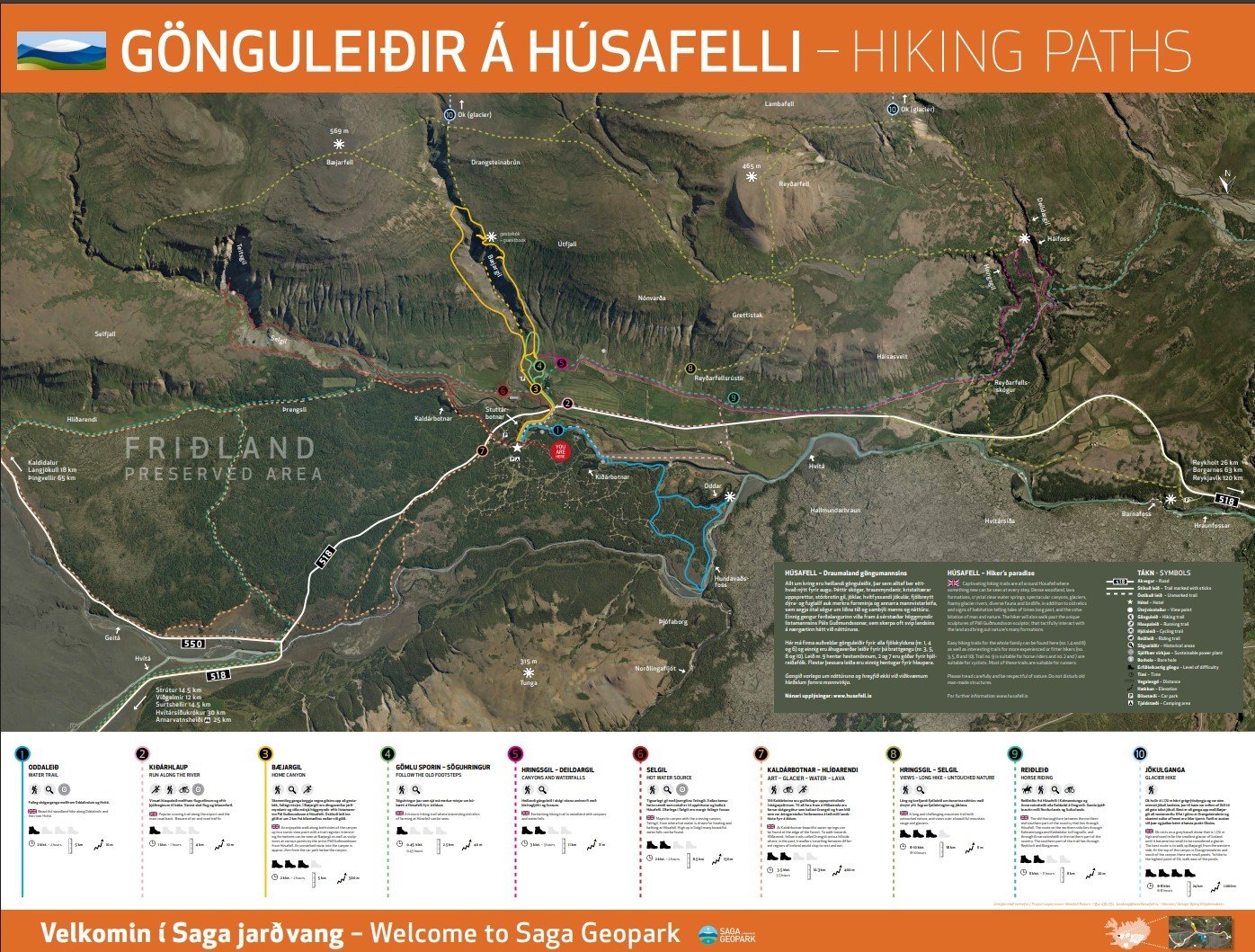
Húsafell serves as the recreational hub of the Silver Circle, offering extensive hiking opportunities through varied terrain. The Húsafell Visitor Center provides trail maps covering routes from easy walks to challenging mountain treks.
The area features marked trails through birch forests, along glacial rivers, and across lava fields. Popular routes include walks to viewpoints overlooking Langjökull glacier and paths leading to hidden waterfalls and geothermal areas.
The visitor center also arranges guided hikes and provides information on trail conditions, particularly useful for accessing more remote areas. Trails remain accessible from late spring through early autumn, with some lower routes walkable year-round.
Hot Springs and spas
Krauma geothermal spas
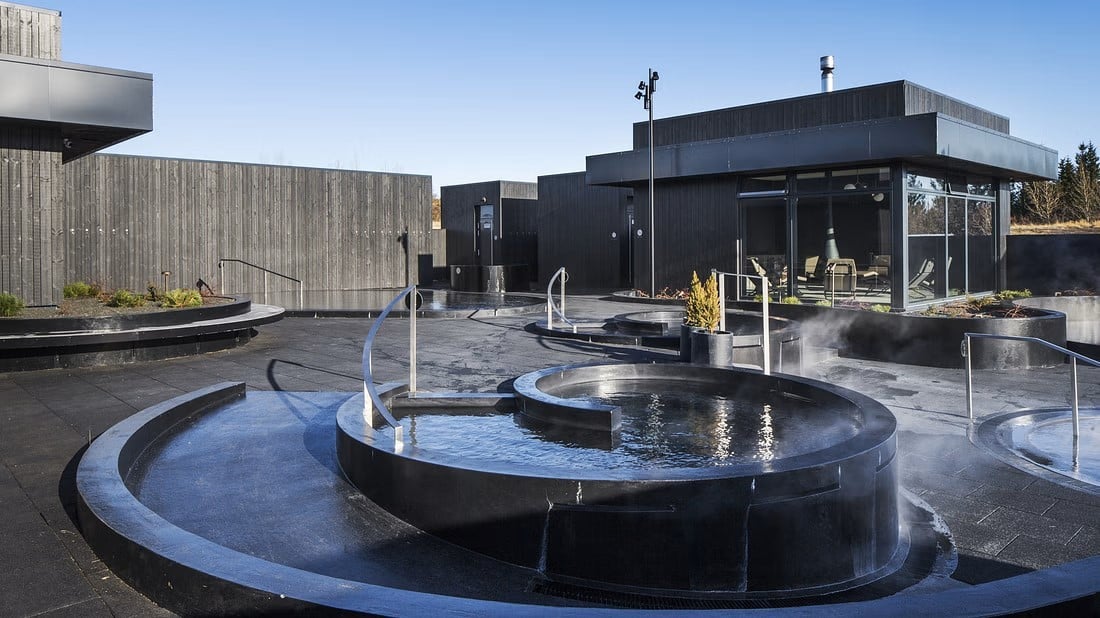
Krauma spa draws its water directly from neighboring Deildartunguhver, Europe’s most powerful hot spring. The facility features five natural hot baths ranging from 38°C to 44°C, plus a cold tub for contrast bathing and two relaxation rooms with soothing ambient sounds.
The baths are designed with locally sourced materials, blending seamlessly into the volcanic landscape. Unlike larger commercial spas, Krauma maintains an intimate atmosphere with views toward the surrounding mountains and occasional glimpses of the steaming hot spring next door.
The on-site restaurant serves Icelandic cuisine, making it easy to extend your visit. Krauma operates year-round, offering Northern Lights viewing from the warm water during winter months.
Húsafell Canyon Baths
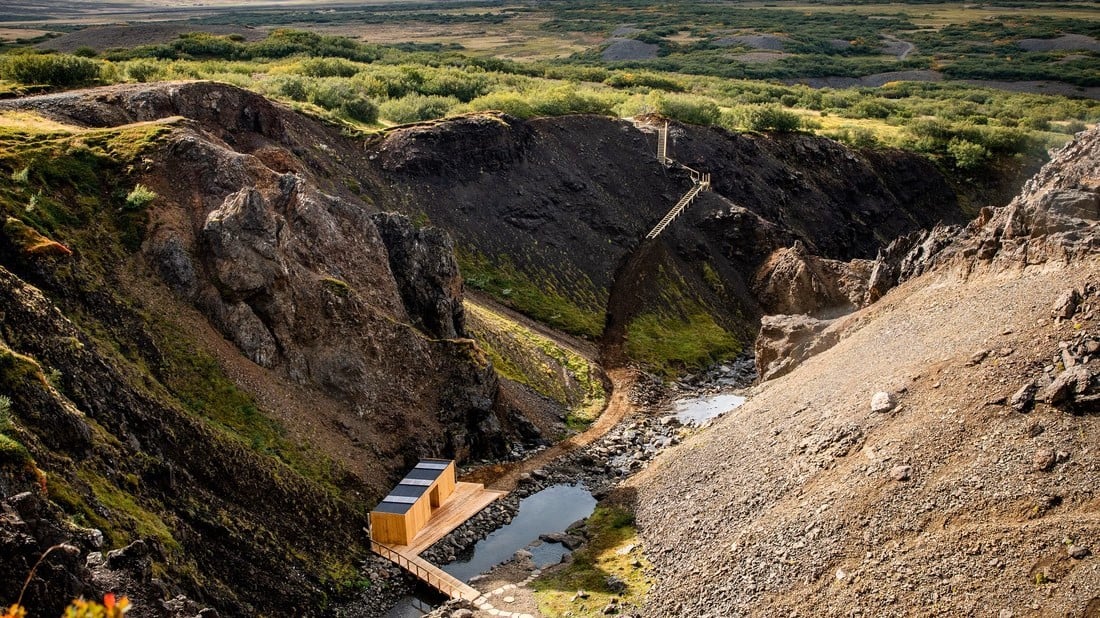
The Húsafell Canyon Baths, locally known as Húsafell Giljaböð, offer one of Iceland’s most exclusive bathing experiences. Opened in 2019, these two geothermal pools occupy a dramatic canyon setting accessible only by guided tour.
The pools maintain temperatures between 30-41°C and accommodate only 16 visitors at a time, ensuring tranquility. Constructed from locally sourced flagstone using techniques inspired by Snorralaug (the 10th-century heritage pool in nearby Reykholt), the baths blend naturally into the canyon landscape.
Tours depart from Hotel Húsafell and include a moderate hike both ways. Once at the site, 64 steps descend into the canyon. The combination of exclusive access, spectacular scenery, and limited capacity creates a truly memorable experience.
On the way back: Hvammsvík Hot Springs
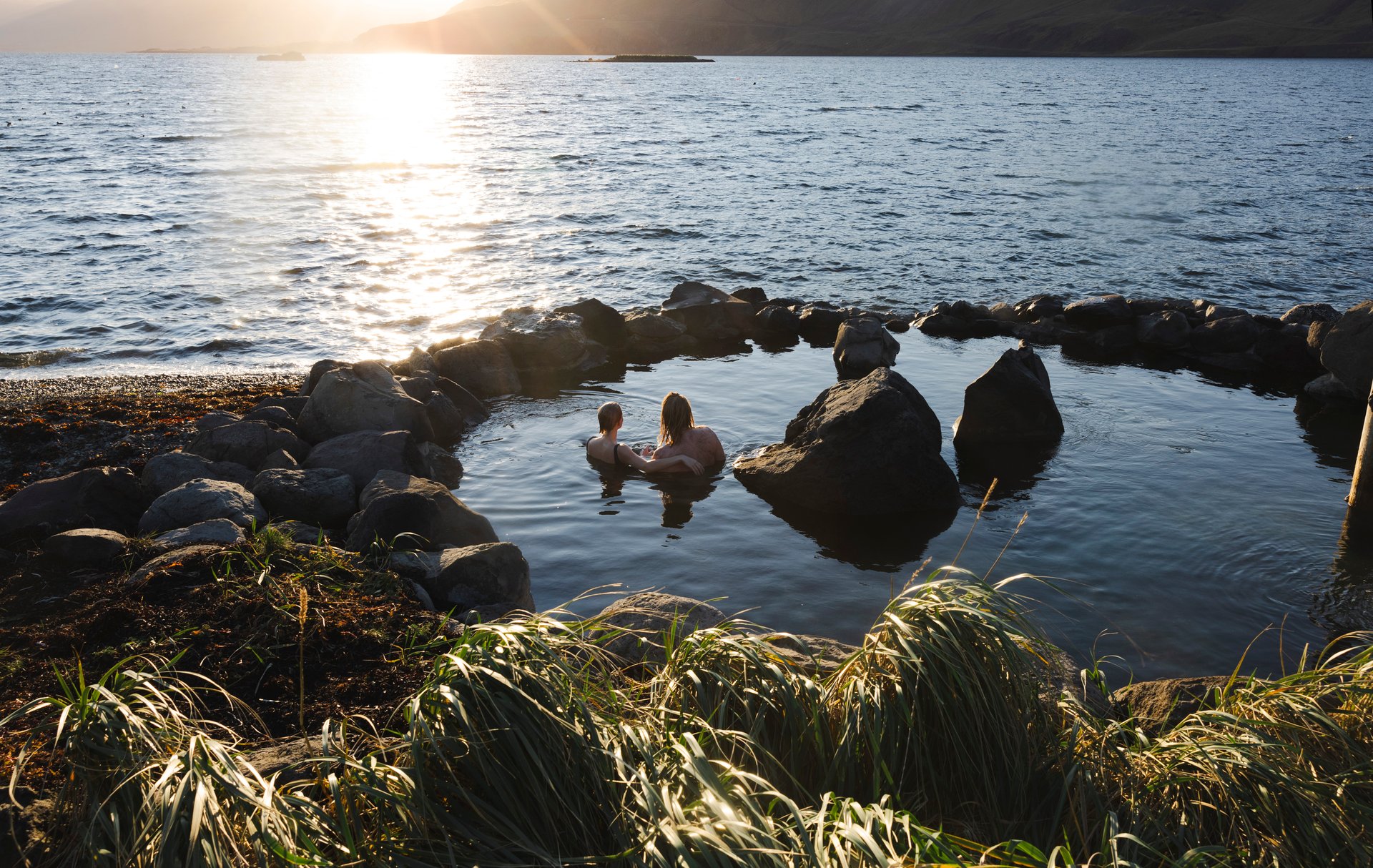
Located 45 minutes from Reykjavík on the return journey, Hvammsvík Hot Springs offers eight geothermal pools perched on the Atlantic Ocean’s edge. Temperatures range from 10°C in the ocean-fed pools to 42°C in the hottest springs.
The hot springs occupy a 1,200-acre private estate, with pools fed by geothermal water from 1,400 meters underground mixed with ocean water. This natural circulation maintains exceptional water quality. Facilities include a steam bath, outdoor showers, and an on-site bar and restaurant accessible directly from the bathing area.
Hvammsvík provides a perfect final stop, allowing muscles tired from hiking and exploration to recover in warm water with views of mountains and wildlife.
Guided visits
Into the Glacier
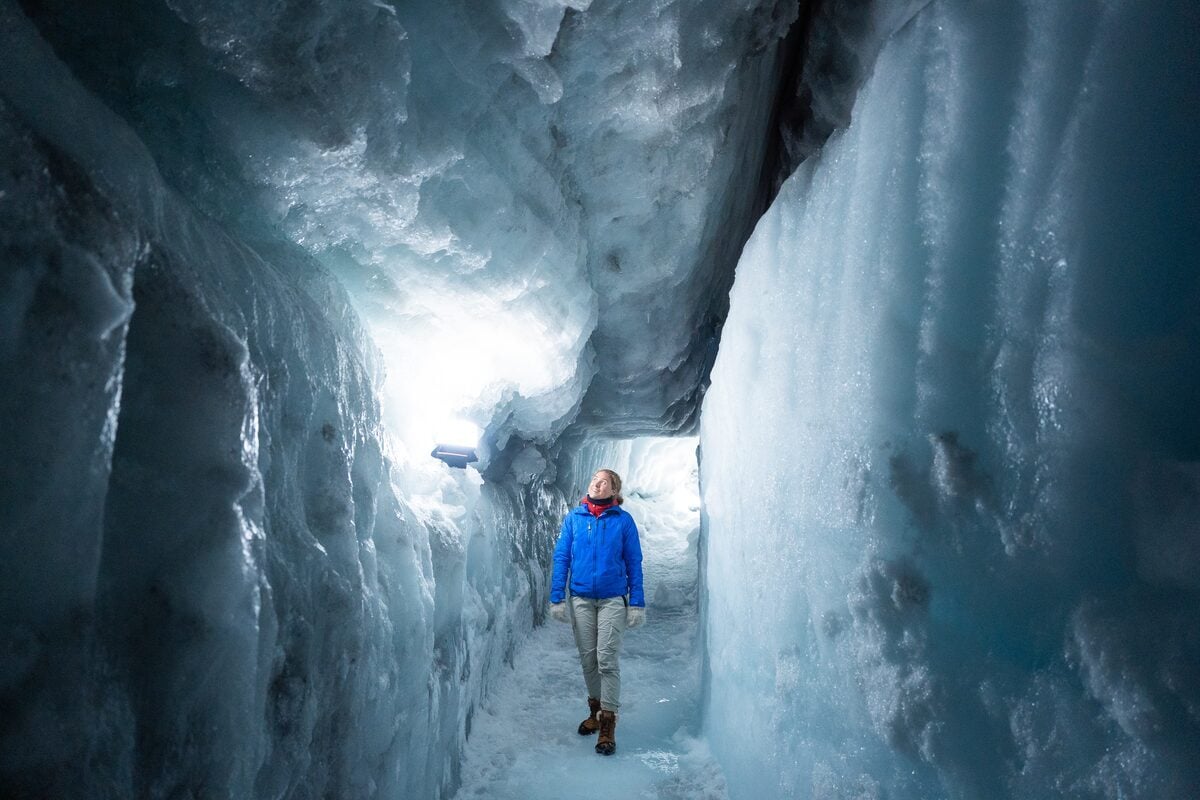
Into the Glacier offers year-round access to a man-made ice tunnel system within Langjökull, Iceland’s second-largest glacier covering 870 km². This engineering marvel allows visitors to walk into the heart of a glacier regardless of season.
The experience begins with a specially equipped vehicle journey onto the glacier, followed by entry into the 500-meter tunnel system. Inside, blue-white ice walls reveal the glacier’s layered history, with corridors leading to a chapel and exhibition spaces carved entirely from ice.
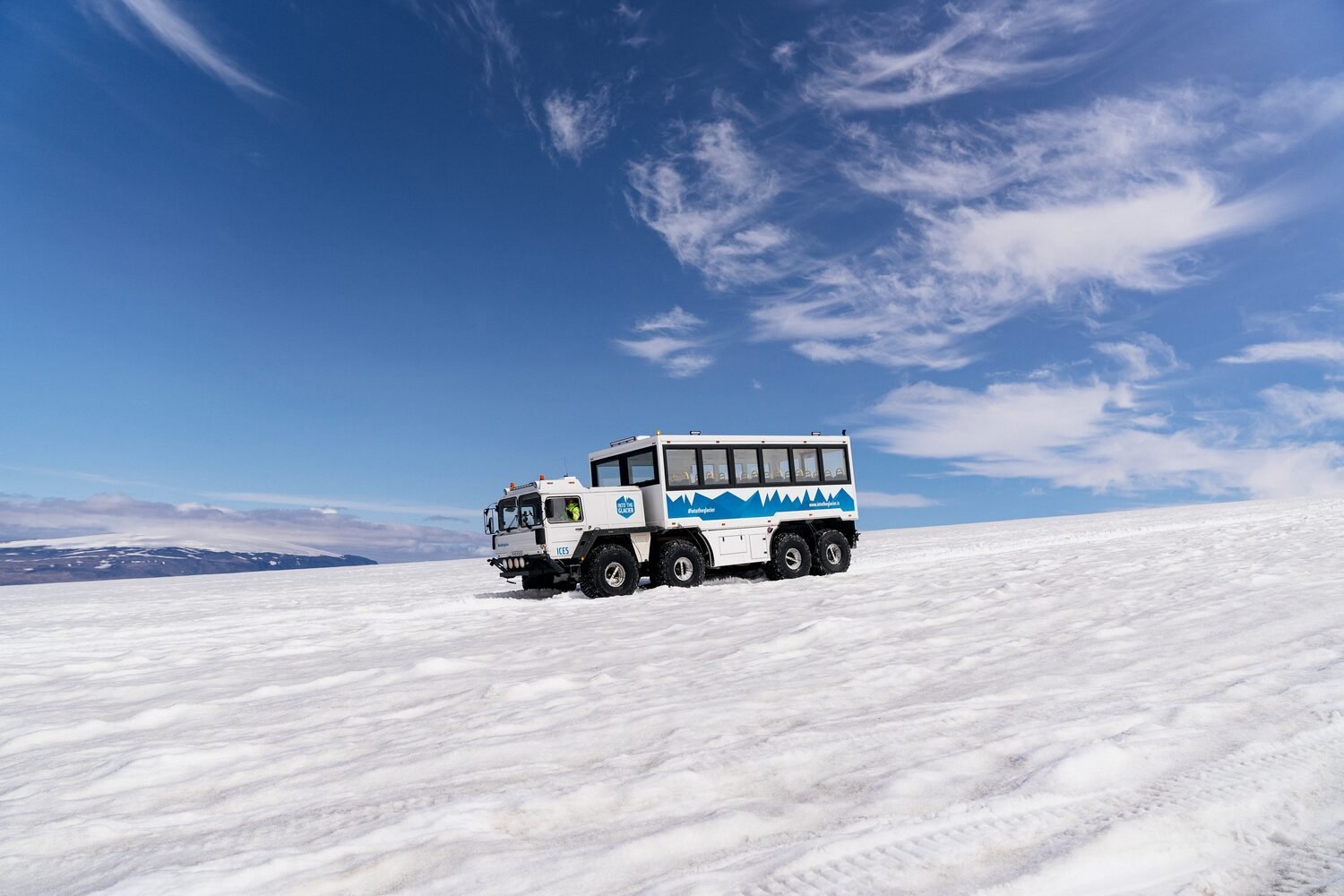
Tours depart from the Húsafell area and typically last 3-4 hours including transport. The ice tunnel maintains temperatures around 0°C year-round, making warm clothing essential. This is one of Iceland’s most unique experiences, offering perspectives impossible to achieve any other way.
Víðgelmir Lava Tunnel
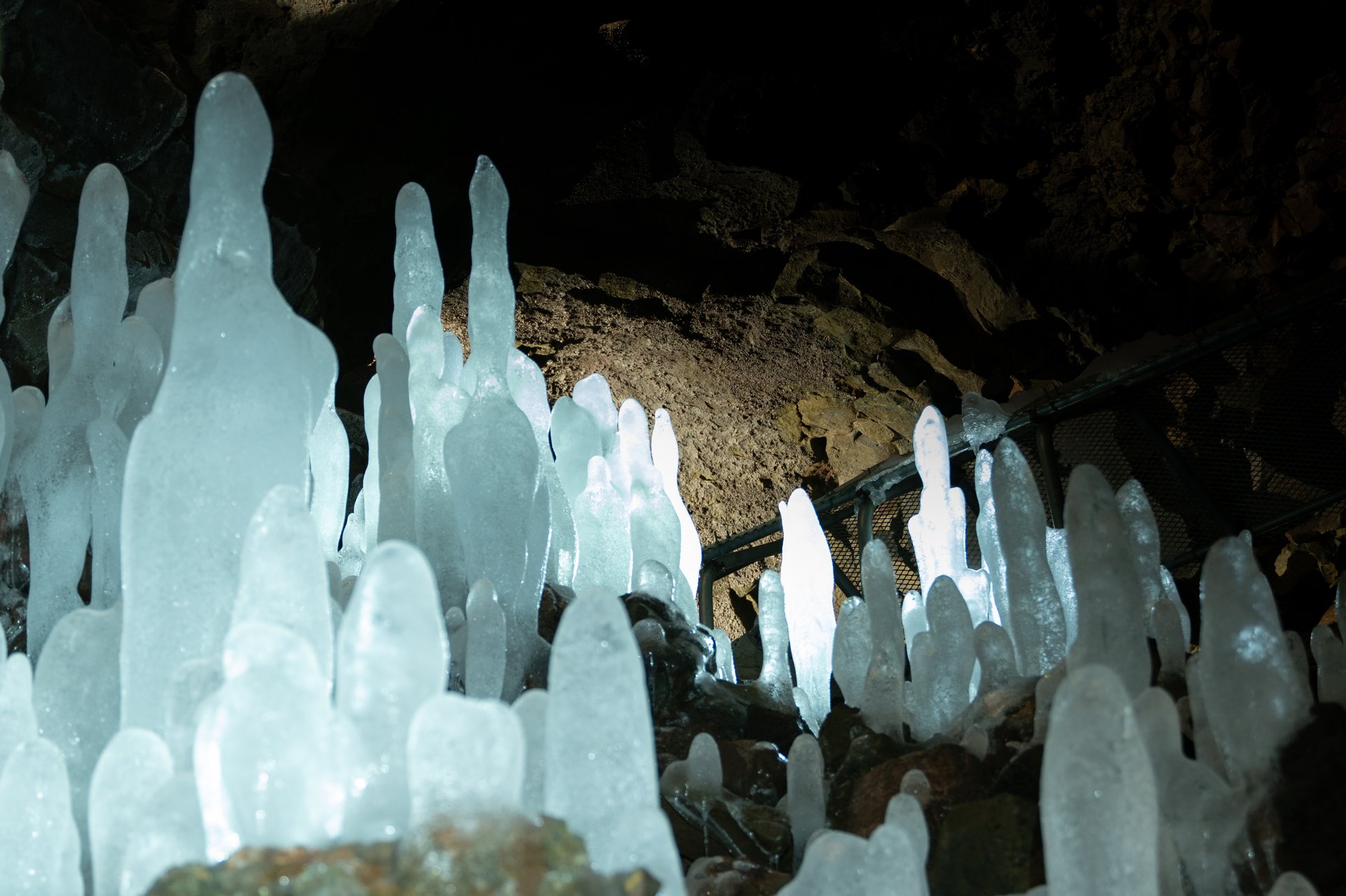
Víðgelmir ranks among Iceland’s largest lava caves, stretching 1,600 meters through the Hallmundarhraun lava field—the same formation that creates Hraunfossar waterfalls. Guided tours lead visitors through illuminated sections featuring multicolored rock formations, stalagmites, stalactites, and seasonal ice formations.
The cave formed during an eruption thousands of years ago when the outer layer of a lava flow cooled while molten rock continued flowing beneath, eventually draining to leave hollow tunnels. Colors ranging from red to blue to silver result from different mineral compositions in the rock.
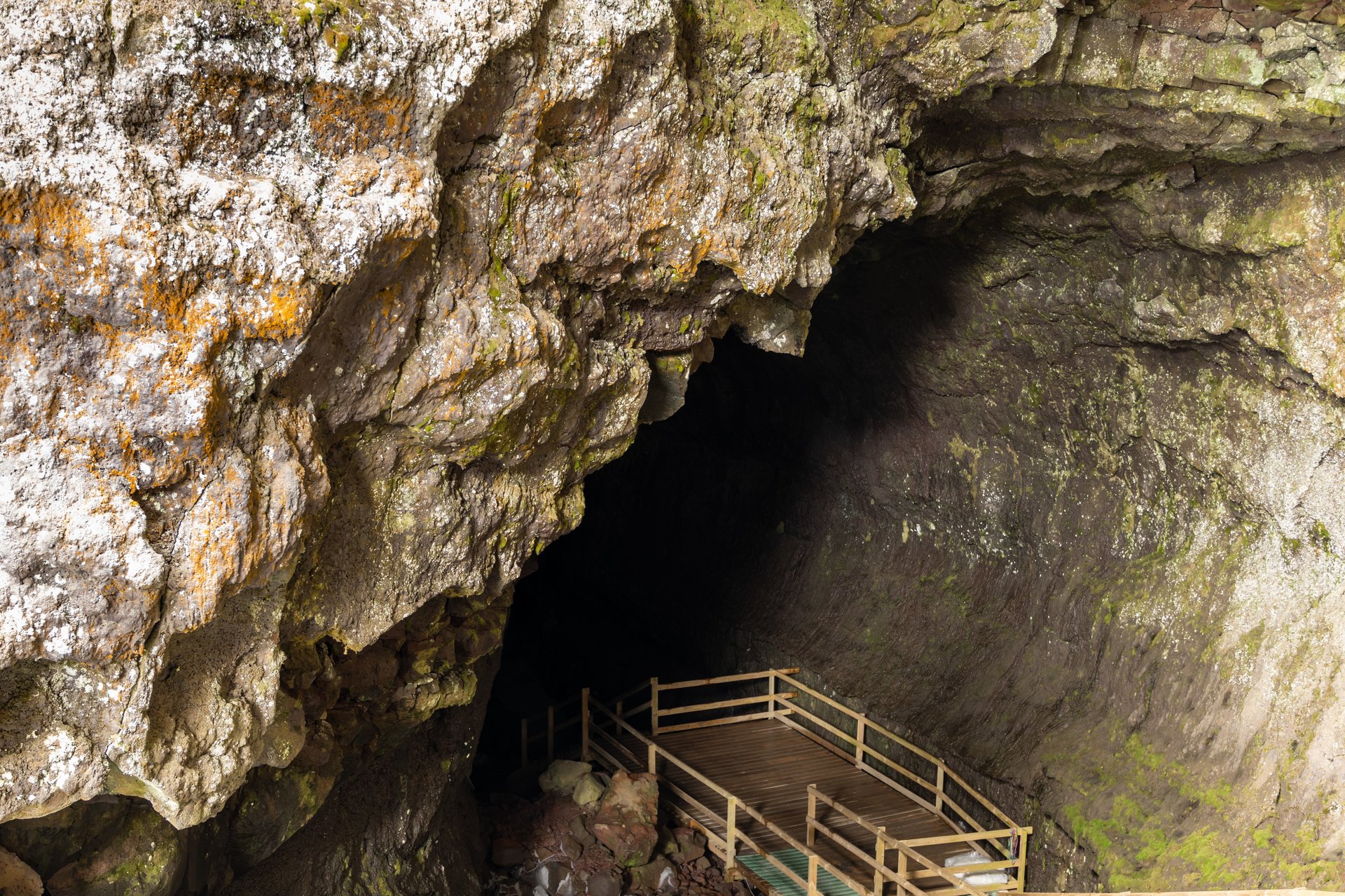
Tours include helmets and flashlights, with walkways providing safe access through the otherwise rugged terrain. The cave maintains a constant 2°C temperature year-round, offering relief from summer heat and relative warmth during winter visits.
Culture
The historical village of Reykholt
Reykholt stands as one of Iceland’s most historically significant sites, forever associated with Snorri Sturluson (1179-1241), the medieval scholar, poet, and politician whose writings preserved much of what we know about Norse mythology and Viking history.
Snorri’s works include the Prose Edda, explaining Norse mythology, and Heimskringla, chronicling Norwegian kings. He served twice as Iceland’s lawspeaker and was ultimately assassinated here by rivals in 1241. His legacy makes Reykholt a pilgrimage site for anyone interested in Norse culture.
The village features Snorralaug, Iceland’s oldest geothermal pool, dating to the 10th century and recently excavated and restored. A tunnel once connected the pool to Snorri’s farmhouse, allowing him to bathe privately.
The Snorrastofa cultural center provides context through exhibitions on Snorri’s life and medieval Iceland. The site includes a church and historical buildings worth exploring.
Where to eat?
Restaurant in Krauma
Krauma’s on-site restaurant serves Icelandic cuisine focusing on local ingredients. The menu changes seasonally but typically includes lamb, fish, and vegetarian options. Large windows offer views of the geothermal landscape while you dine.
The restaurant welcomes non-spa visitors, making it a convenient lunch stop even without bathing. The warm atmosphere provides welcome refuge during inclement weather.
Hraunfossar buffet
The café at Hraunfossar parking area serves traditional Icelandic food including soup, fresh bread, and baked goods. The simple menu emphasizes local flavors at reasonable prices.
Outdoor seating offers waterfall views during summer months. The café makes a convenient stop for refreshments while visiting the falls.
Húsafell bistro
Hotel Húsafell’s bistro provides the area’s most comprehensive dining option, serving breakfast, lunch, and dinner with views toward Langjökull glacier.
Reservations are recommended during summer months when glacier tours bring increased visitors to the area.
Where to stay?
Hótel Húsafell
Hotel Húsafell offers the Silver Circle’s premier accommodation, with modern rooms facing Langjökull glacier. The property serves as the base for Into the Glacier and Húsafell Canyon Baths tours, making it ideal for multi-activity stays.
Amenities include an on-site restaurant, bar, and spa facilities. The location provides excellent Northern Lights viewing in winter months, with minimal light pollution. We offer private transfers to and from Húsafell for guests preferring not to self-drive.
Hótel Básalt (a bit off track)
Located in Borgarnes at the Silver Circle’s edge, Hotel Básalt provides comfortable accommodation with fjord views. While slightly removed from the route’s main attractions, its proximity to Route 1 makes it convenient for combining Silver Circle exploration with Ring Road travel.
The hotel’s restaurant serves local cuisine. Borgarnes itself offers the Settlement Center museum for those interested in Viking history.
How to get there?
Our private transfer to/from Húsafell
We offer private transfers between Reykjavík and Húsafell, allowing you to reach the Silver Circle without driving. This service suits travelers uncomfortable with Icelandic roads or those preferring to arrive relaxed and ready to explore.
We also provide airport transfers directly to Húsafell from Keflavík International Airport, bypassing Reykjavík entirely for travelers heading straight to West Iceland.
Our two day tour to Snæfellsnes and Borgarfjörður
For travelers seeking a comprehensive West Iceland experience, our 2-Day Snæfellsnes & Silver Circle Tour combines both iconic regions into one unforgettable journey.
Day one explores the Snæfellsnes Peninsula—often called “Iceland in Miniature” for its remarkable diversity of landscapes. Visit iconic Kirkjufell mountain, dramatic coastal cliffs at Arnarstapi, black sand beaches, and the mystical Snæfellsjökull glacier-capped volcano that inspired Jules Verne.
Day two takes you through the Silver Circle highlights covered in this guide: Deildartunguhver, Hraunfossar, Barnafoss, and optional experiences like Into the Glacier or Víðgelmir lava cave. The tour concludes with relaxation at your choice of geothermal baths before returning to Reykjavík.
This two-day format allows deeper exploration without rushing, with overnight accommodation in the Snæfellsnes region.
With your own vehicle
Paved road, usable all year long
The standard approach follows Route 1 north from Reykjavík through the Hvalfjörður tunnel (toll: approximately 1,500 ISK) to Borgarnes, then Route 50 and Route 518 to Húsafell. This route remains fully paved and accessible year-round, though winter conditions may require caution.
Total driving time from Reykjavík: approximately 2-2.5 hours to Húsafell, depending on stops.
Kaldidalur road
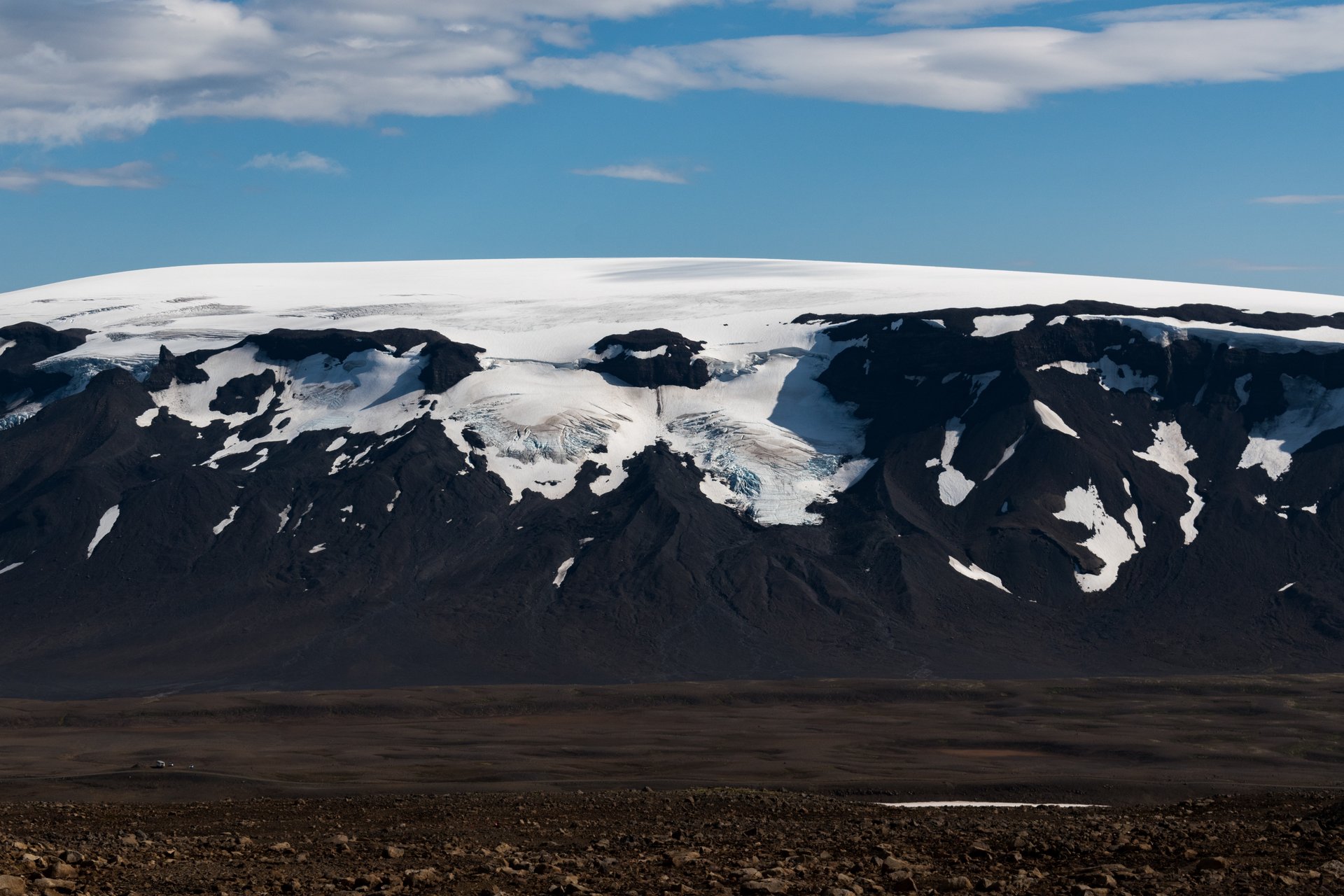
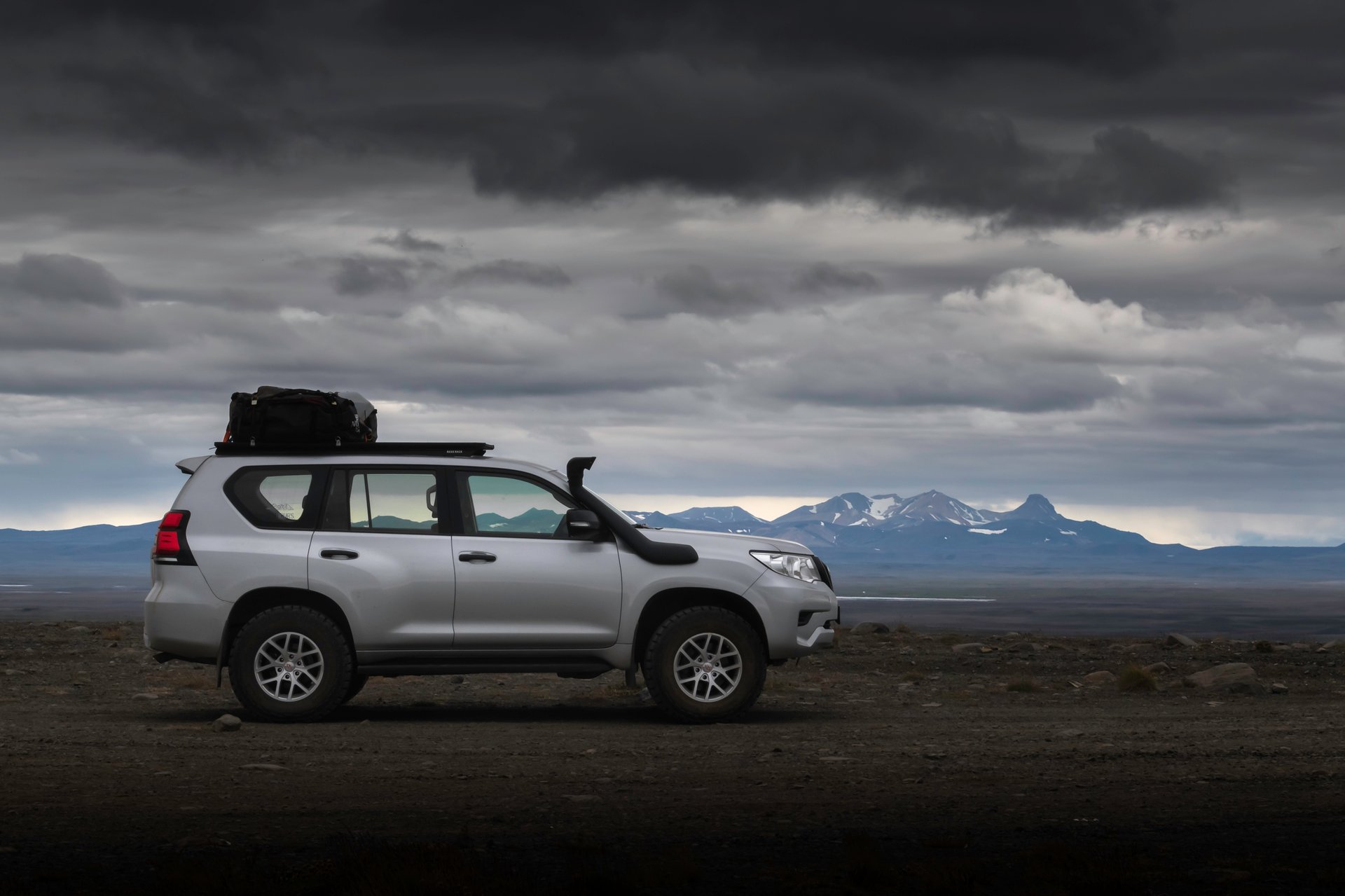
For adventurous summer travelers with 4x4 vehicles, the Kaldidalur highland road (Route 550) offers a dramatic alternative connecting the Silver Circle to Þingvellir and the Golden Circle. This gravel mountain road passes between Langjökull and Ok glaciers with spectacular high-altitude scenery.
The road typically opens in late June and closes with autumn snows, usually by late September. 4x4 vehicles are mandatory—the road is impassable for standard cars. Check road conditions at road.is before attempting this route.
The Kaldidalur connection makes possible a combined Golden and Silver Circle loop, though this requires a long day or overnight stop.
Conclusion
The Silver Circle delivers West Iceland’s finest attractions in a single accessible route. From the ethereal cascades of Hraunfossar to the depths of Víðgelmir lava cave, from Europe’s most powerful hot spring to the frozen heart of Langjökull glacier, this route packs remarkable variety into manageable distances.
The region remains refreshingly uncrowded compared to southern Iceland’s tourist corridors. Overnight stays allow for deeper exploration, but a full-day trip can cover the highlights. Spring and autumn offer especially pleasant conditions with smaller crowds, while winter brings Northern Lights viewing opportunities.
Start early to maximize daylight and allow flexibility for weather changes. The Silver Circle rewards those who take time to explore—whether soaking in Krauma’s geothermal waters, hiking Grábrók’s volcanic rim, or simply absorbing the region’s otherworldly landscapes.