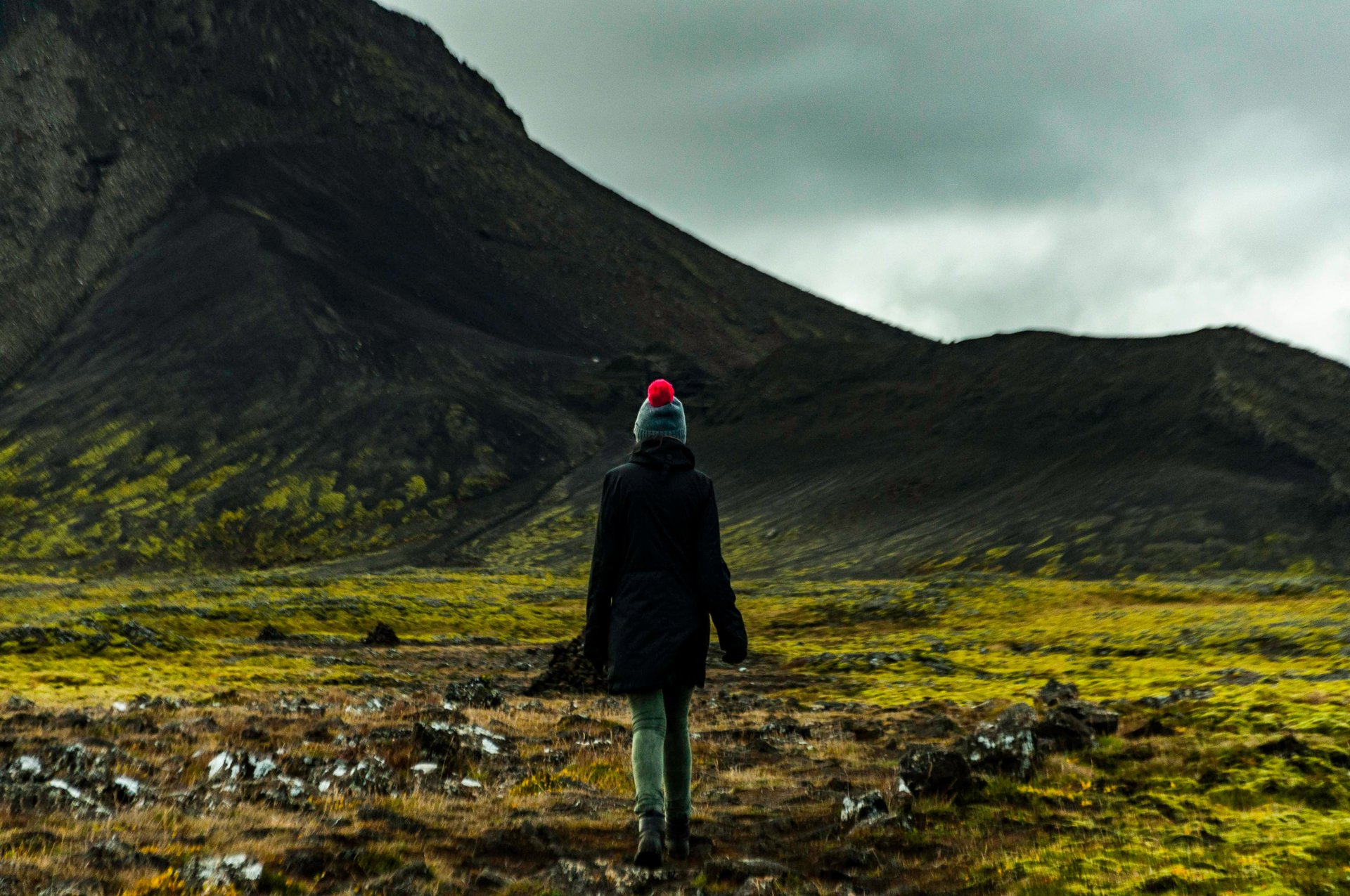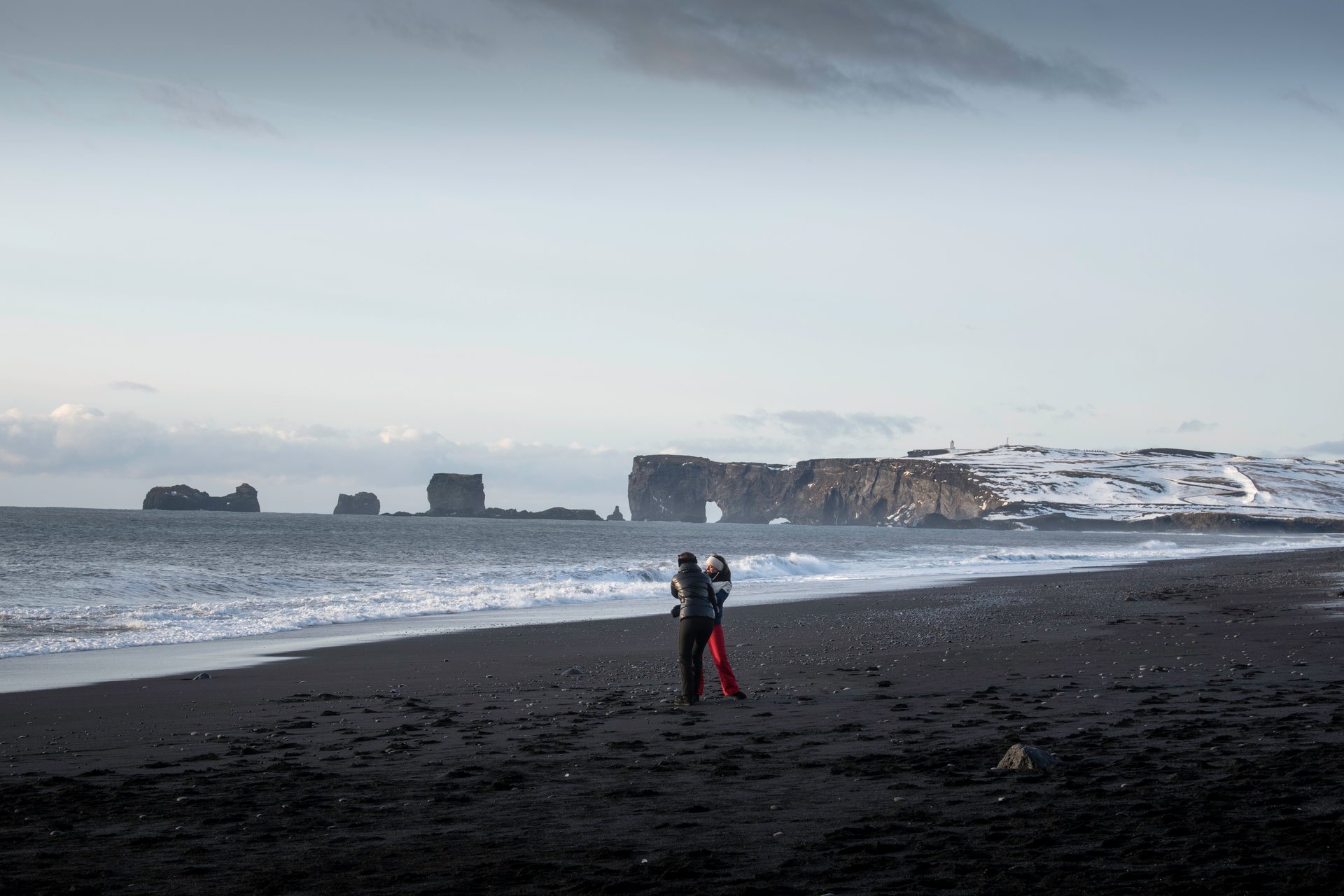
The Reykjanes Peninsula in Iceland is a volcanic region in the southwest, less than an hour from Reykjavík and minutes from Keflavík Airport. It features active geothermal areas like Gunnuhver and Seltún, the Bridge Between Continents, Kleifarvatn lake, dramatic coastal cliffs, the Blue Lagoon, and recent eruption sites from the Sundhnúksgígar crater row.
The Reykjanes Peninsula is a less-visited volcanic wonderland, less than an hour from Reykjavík. Its recent volcanic history makes it an even more compelling destination. This comprehensive guide to the Reykjanes Peninsula covers the major attractions, dining options, and activities across this extraordinary region.
We did our best to regroup everything we know and love about the Reykjanes Peninsula, but let’s be honest, we kept a few hidden gems and secrets to ourselves and our clients! Even though this is a compact region, you’ll need much more than a day to experience it all.
Sites of Interest on the Reykjanes Peninsula
Kleifarvatn
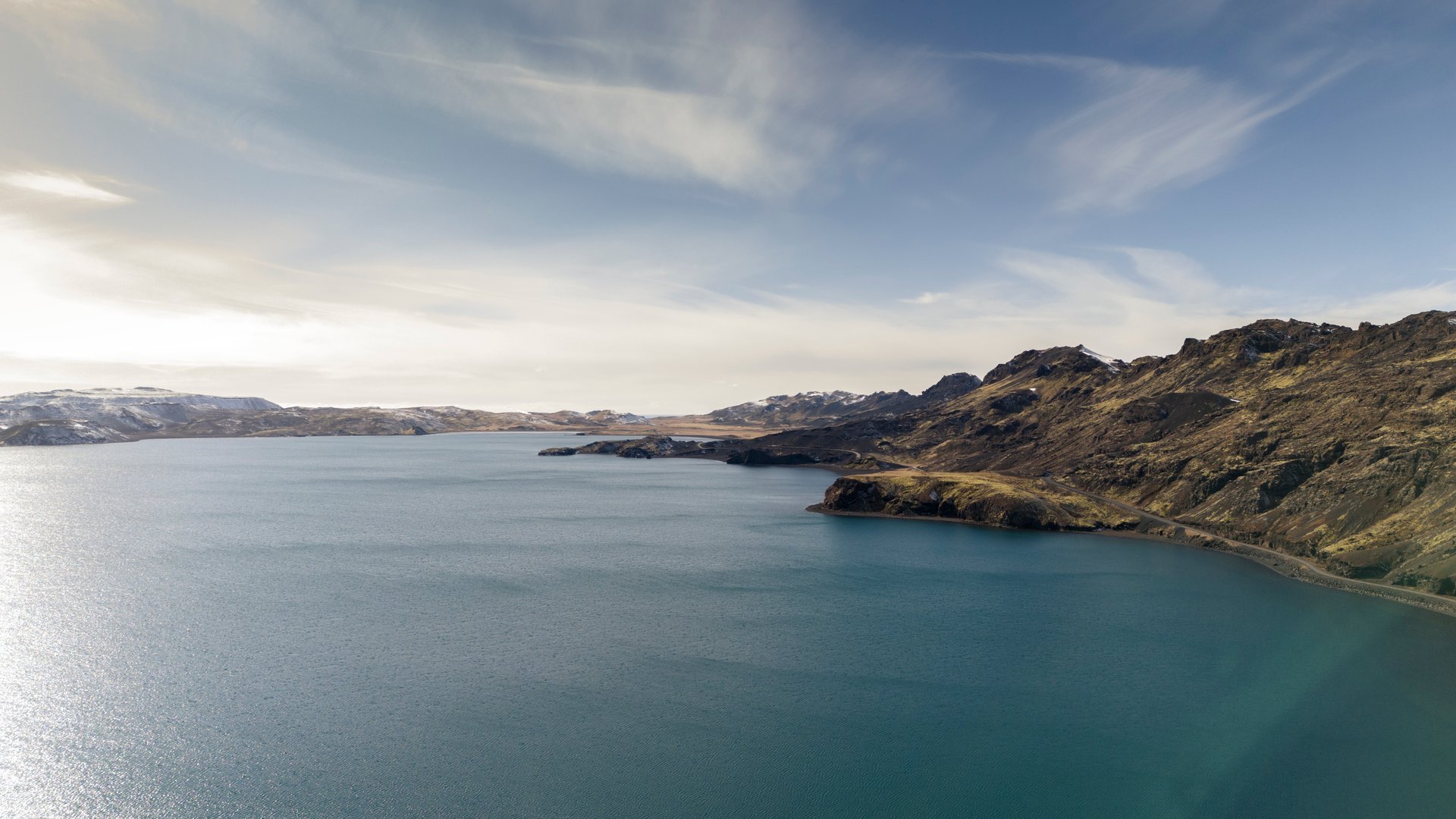
Kleifarvatn ranks among Iceland’s deepest lakes at 97 meters, sitting in a volcanic crater surrounded by barren mountains. The lake has no visible outlet, draining instead through porous lava beneath its surface.
The lake’s dark waters reflect the surrounding landscape, creating mirror images of their slopes. On calm days, the surface becomes perfectly still, doubling the visual impact. The shoreline offers several parking areas where you can stop for photographs and short walks along the black sand beaches.
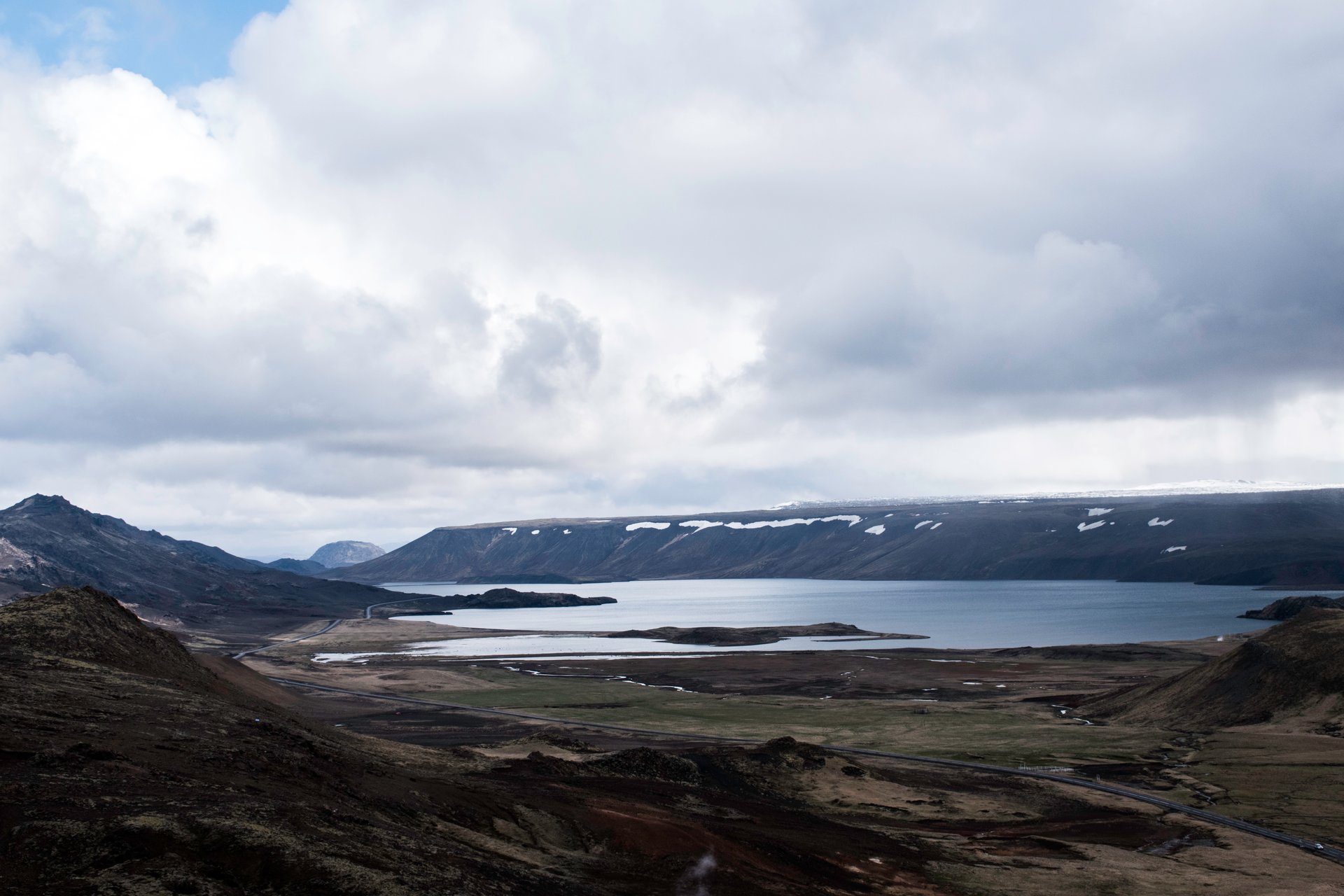
Water temperature stays cold year-round, making swimming inadvisable despite the lake’s size. The area serves better for contemplative walks and landscape photography than active recreation.
Seltún Area
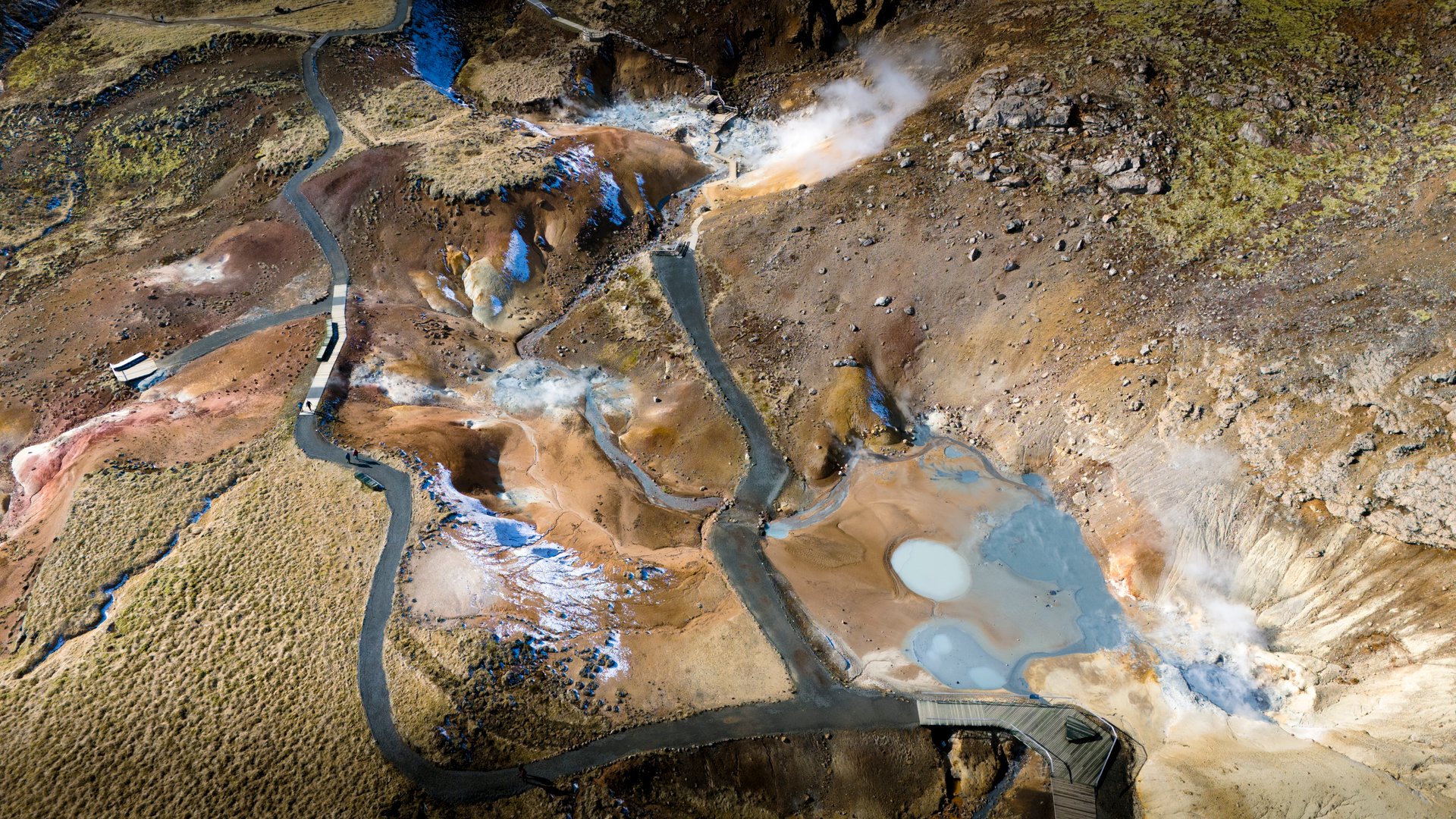
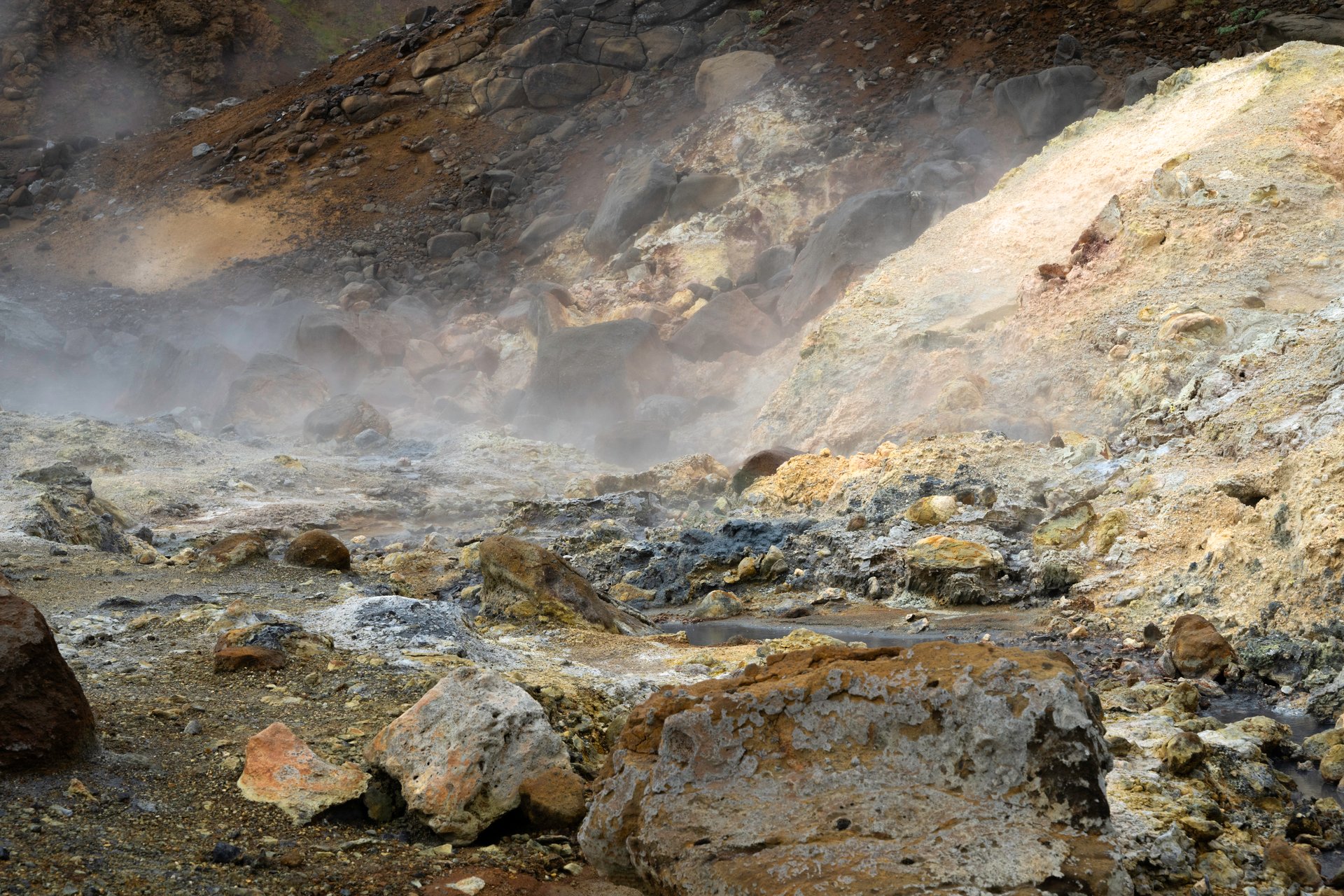
Seltún showcases one of Iceland’s most accessible and colorful geothermal areas. Wooden boardwalks wind through bubbling mud pools, steaming fumaroles, and mineral deposits painted in yellows, oranges, and reds. The colors come from sulfur and other minerals depositing as geothermal fluids reach the surface and cool.
The ground temperature just beneath your feet can exceed 200°C, making the boardwalks essential for safety. Steam rises constantly from cracks in the earth, and the air carries the distinctive sulfur smell that characterizes active geothermal zones.
Plan for 30-45 minutes to walk the entire boardwalk system and appreciate the various features. Early morning visits often mean fewer crowds and better photographic light.
Grænavatn
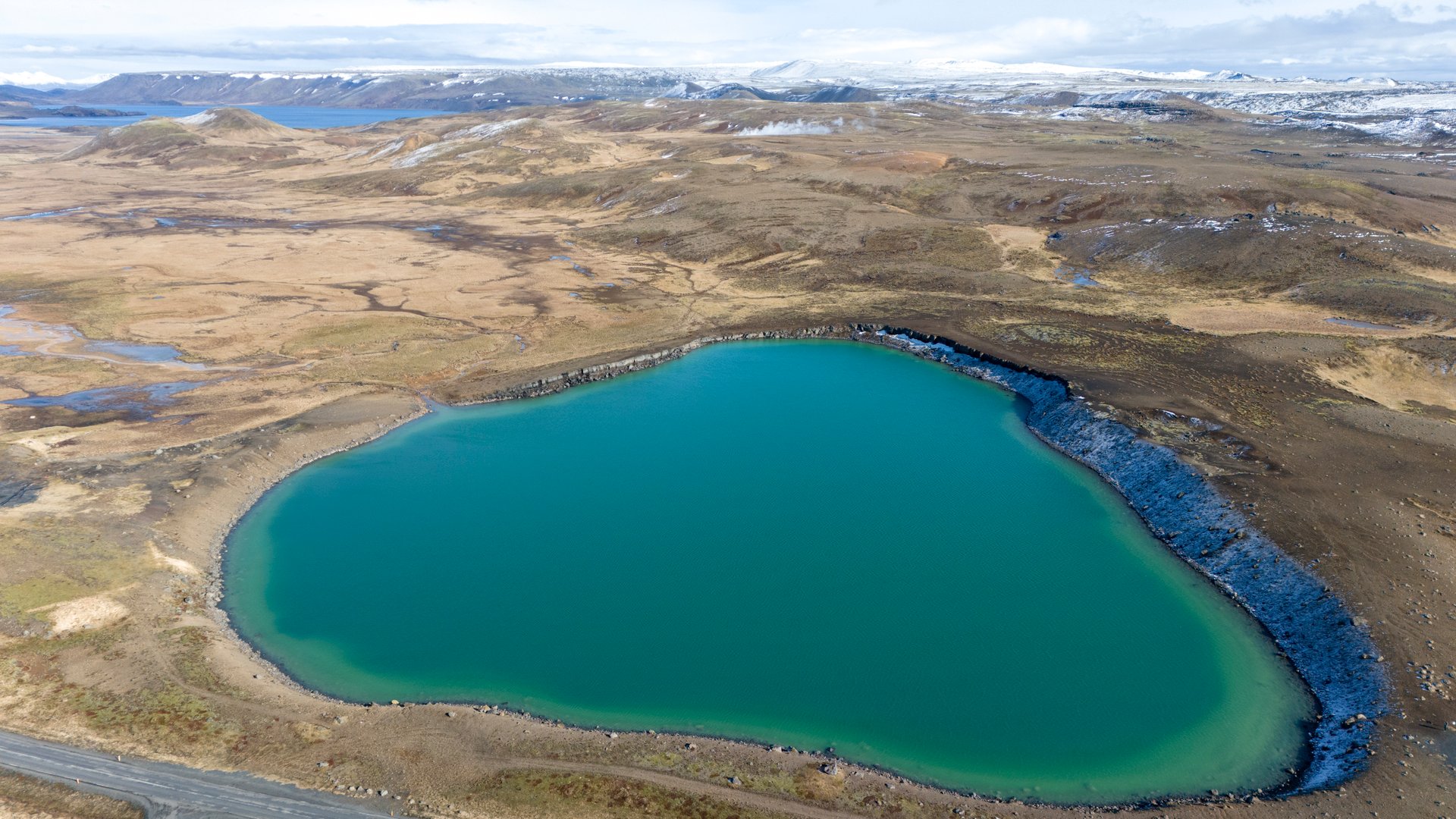
Grænavatn translates to “Green Lake,” and the name fits perfectly. This explosion crater filled with water displays a striking green color resulting from minerals and algae in the water. The crater formed during a phreatomagmatic eruption when rising magma met groundwater, causing a violent explosion that blasted a crater into the landscape.
Walking to the crater rim takes just a few minutes from the parking area, rewarding you with views down into the vibrant waters.
The green hue varies with season, light conditions, and recent weather. Summer typically brings the most intense color as algae blooms respond to warmer temperatures and extended daylight.
Krýsuvíkurbjarg
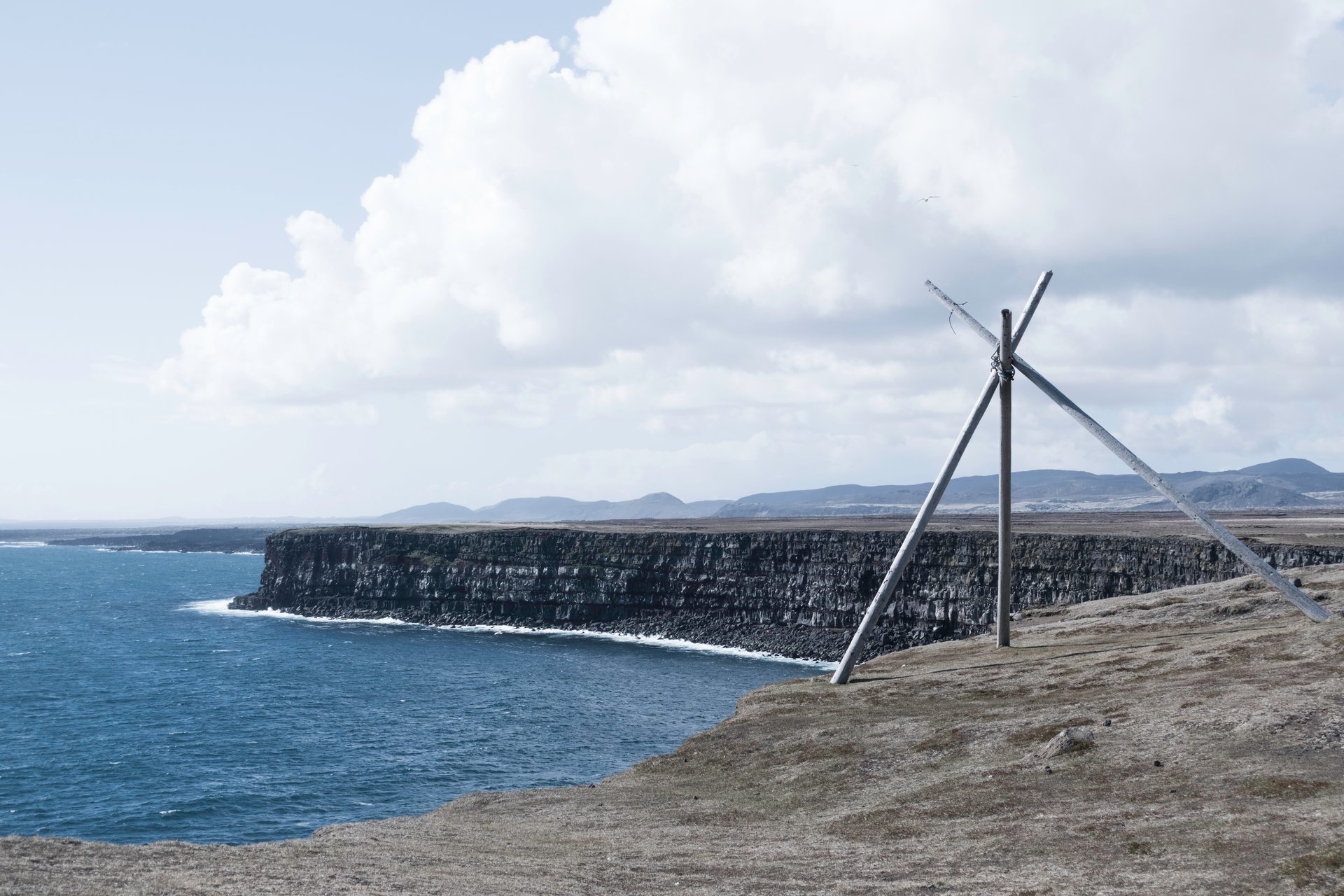
Krýsuvíkurbjarg presents dramatic sea cliffs rising 60 meters above the Atlantic Ocean. These basalt cliffs serve as nesting sites for thousands of seabirds including fulmars, guillemots, and razorbills during breeding season from May through August.
Stand at the cliff edge (carefully!) and watch waves crash against the base far below.
The area lacks barriers or developed infrastructure, requiring caution near the cliff edges. Strong winds are common, so brace yourself and avoid approaching the edge in severe weather. Also, you will very likely need a good 4x4 vehicle to reach up there!
Hike to Fagradalsfjall Crater from the 2021 Eruption
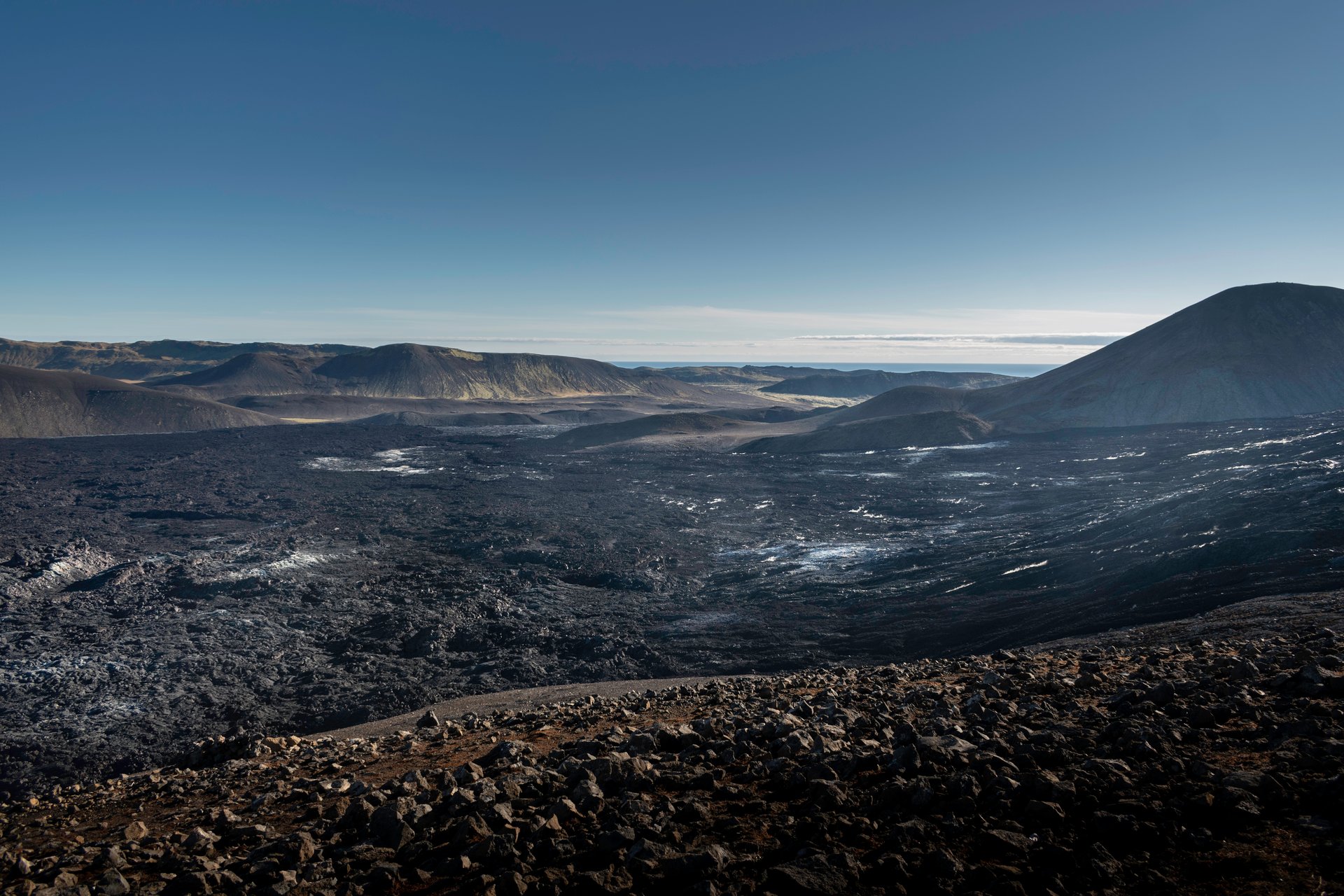
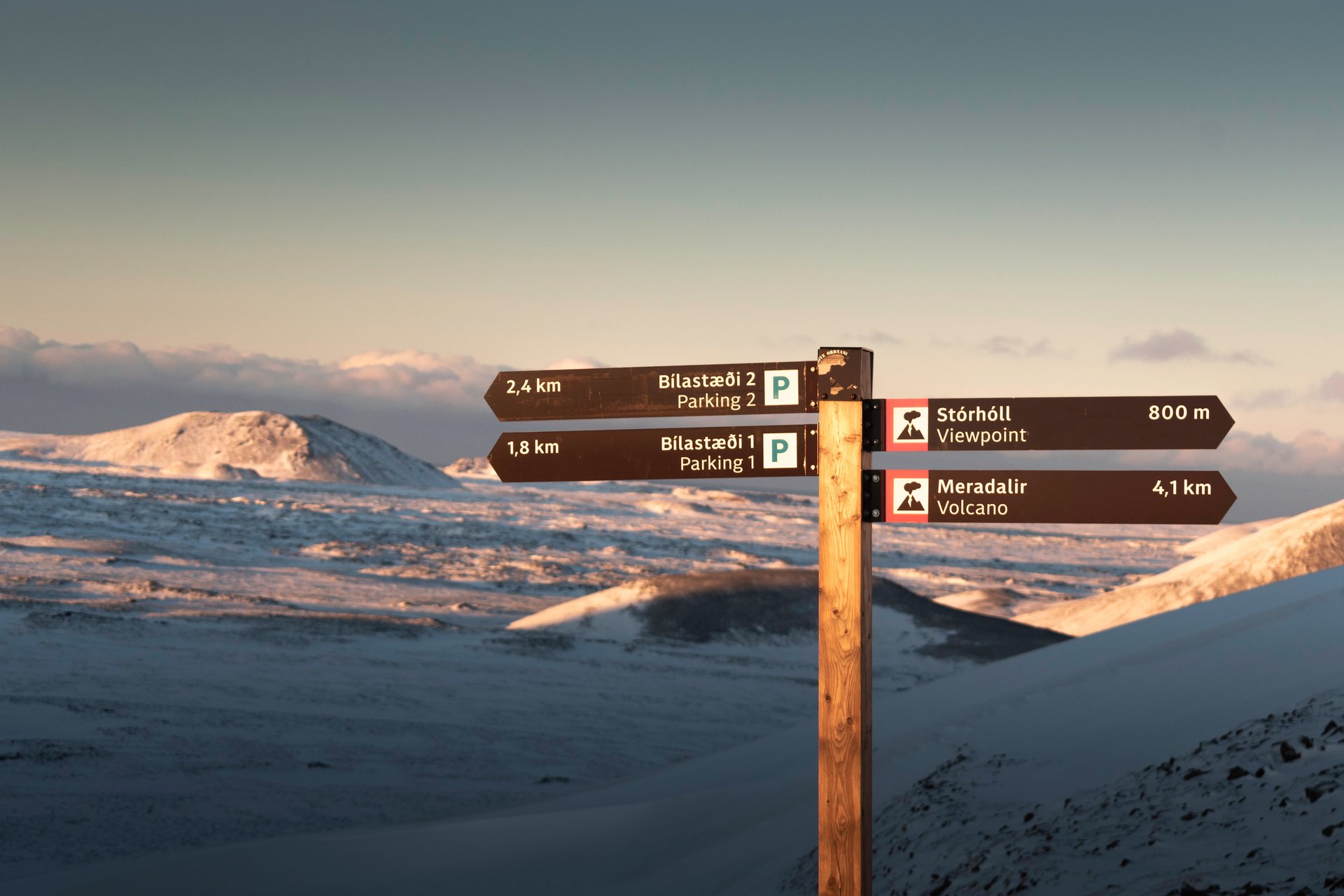
The hike to the 2021 Fagradalsfjall eruption site offers an intimate encounter with Iceland’s newest land. The trail crosses older lava fields before reaching Geldingadalir valley, where lava fountains erupted for six months in 2021.
The hike covers roughly 7 kilometers round trip with about 300 meters of elevation gain. Expect 3-4 hours total, including time to explore the eruption site. The path isn’t technically difficult, but the volcanic rock underfoot demands attention with every step. Sharp edges and uneven surfaces make ankle-supporting hiking boots essential.
The volcanic field spreads across the valley floor, with the main crater rim visible from multiple viewpoints. You can see where lava fountains shot skyward, the channels where molten rock flowed, and the solidified pools where lava ponded before cooling.
Steam still rises from cracks where rainwater seeps down to warm rock. The ground remains hot in places several years after the eruption ended.
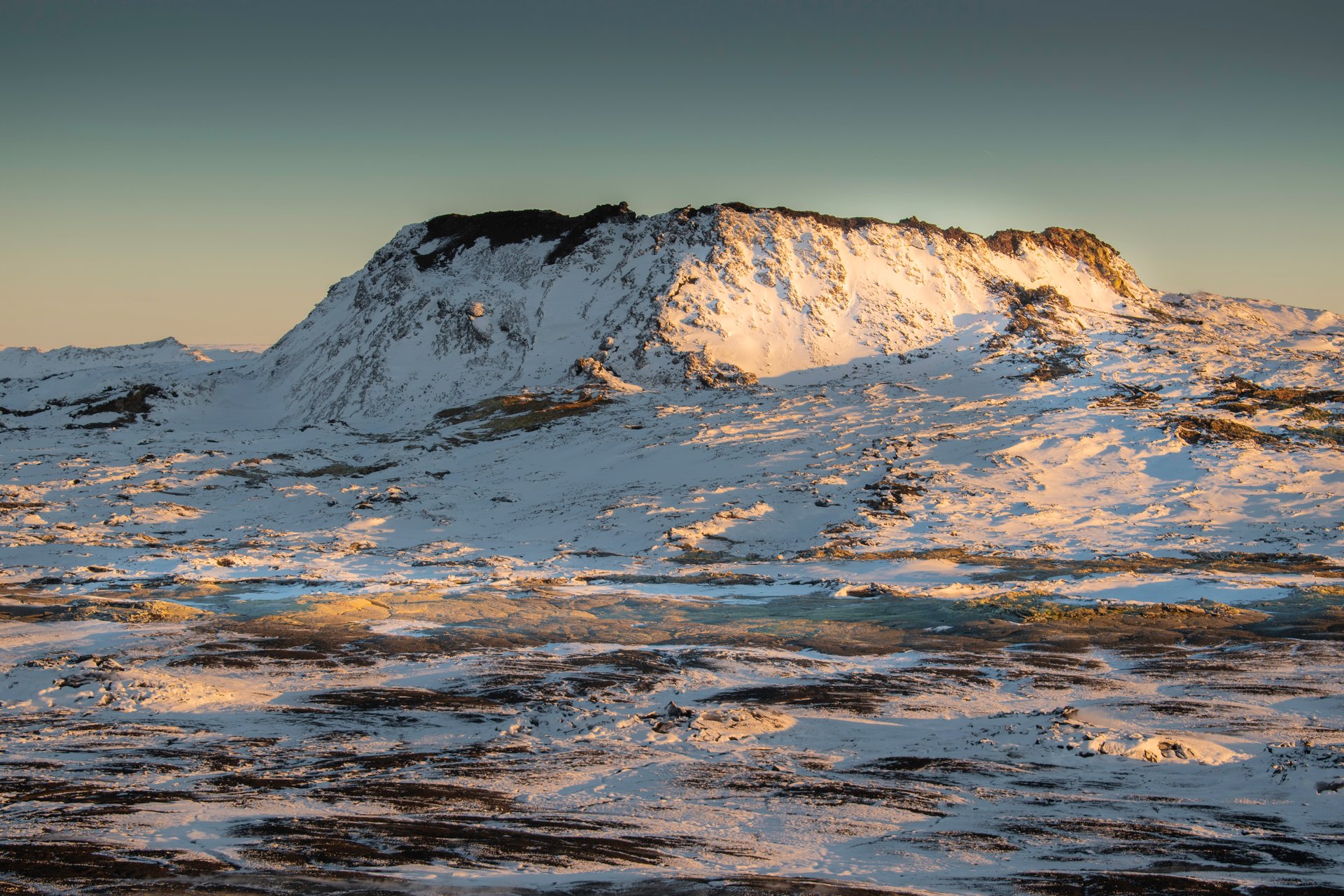
Check conditions before hiking as weather on the peninsula changes rapidly. Bring water, snacks, warm layers, and fully charged phones. The trail lacks facilities or shelter. For a more comprehensive guide on visiting volcanic sites, see our article on how to see lava in Iceland.
Brimketill
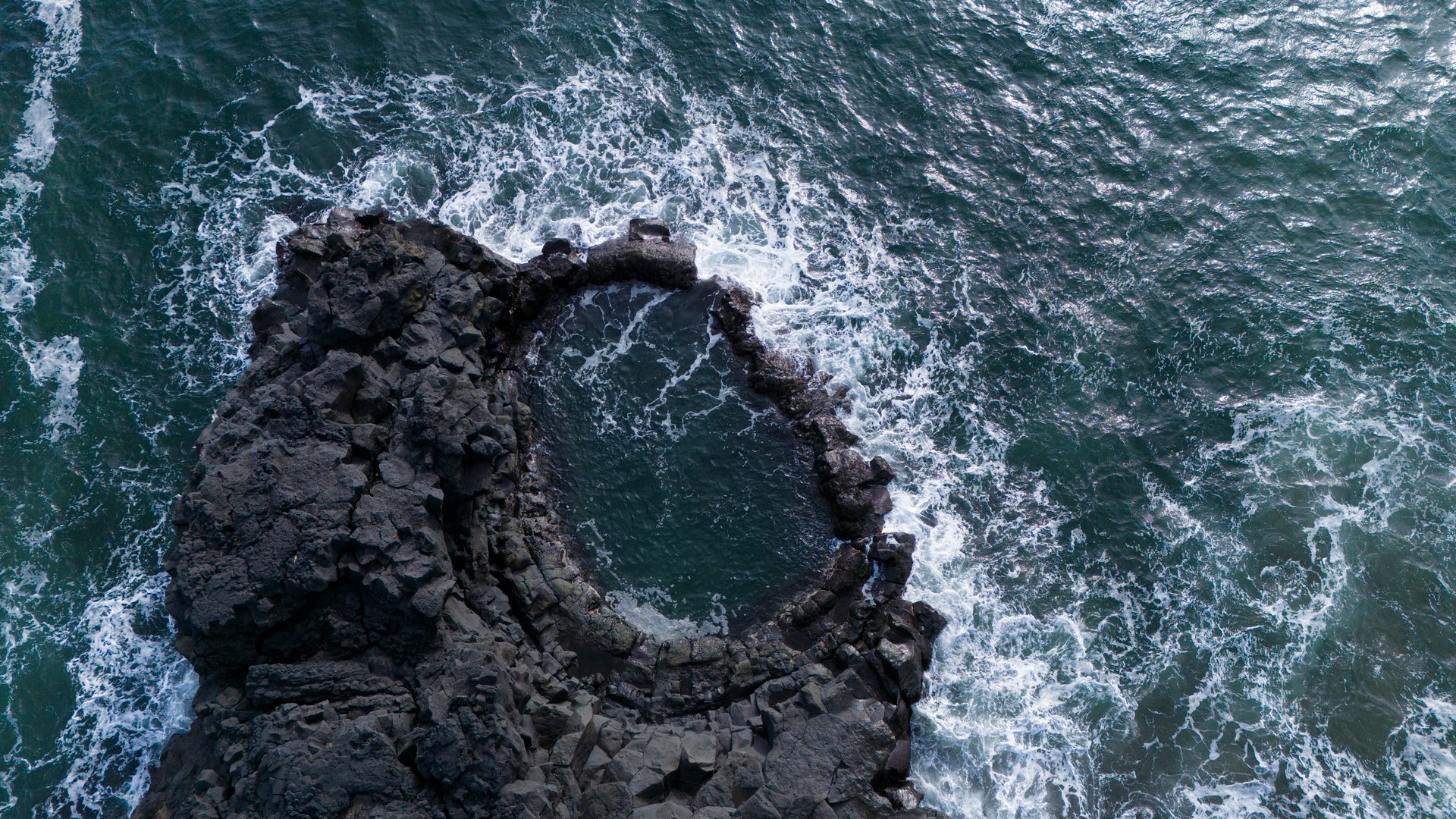
Brimketill, meaning “wave kettle,” is a natural pool carved by Atlantic waves into the coastal lava rock. Folklore claims it served as the bathing pool for the giantess Oddný, but geology tells a different story: thousands of years of wave action hollowed this depression from the volcanic rock.
The pool sits just meters from the ocean, connected through underground channels. When swells arrive, waves surge into the pool, sometimes filling it completely before draining back out. The power is mesmerizing on days when large swells run, though such conditions also make approaching dangerous.
Barriers and warning signs mark the viewing area for good reason. Admire Brimketill from the designated platform and resist the temptation to climb closer.
The pool’s appearance changes with tide and wave conditions. High tide with large swells creates dramatic wave action, while low tide in calm conditions reveals the pool’s full depth and the erosional features that shaped it.
Gunnuhver
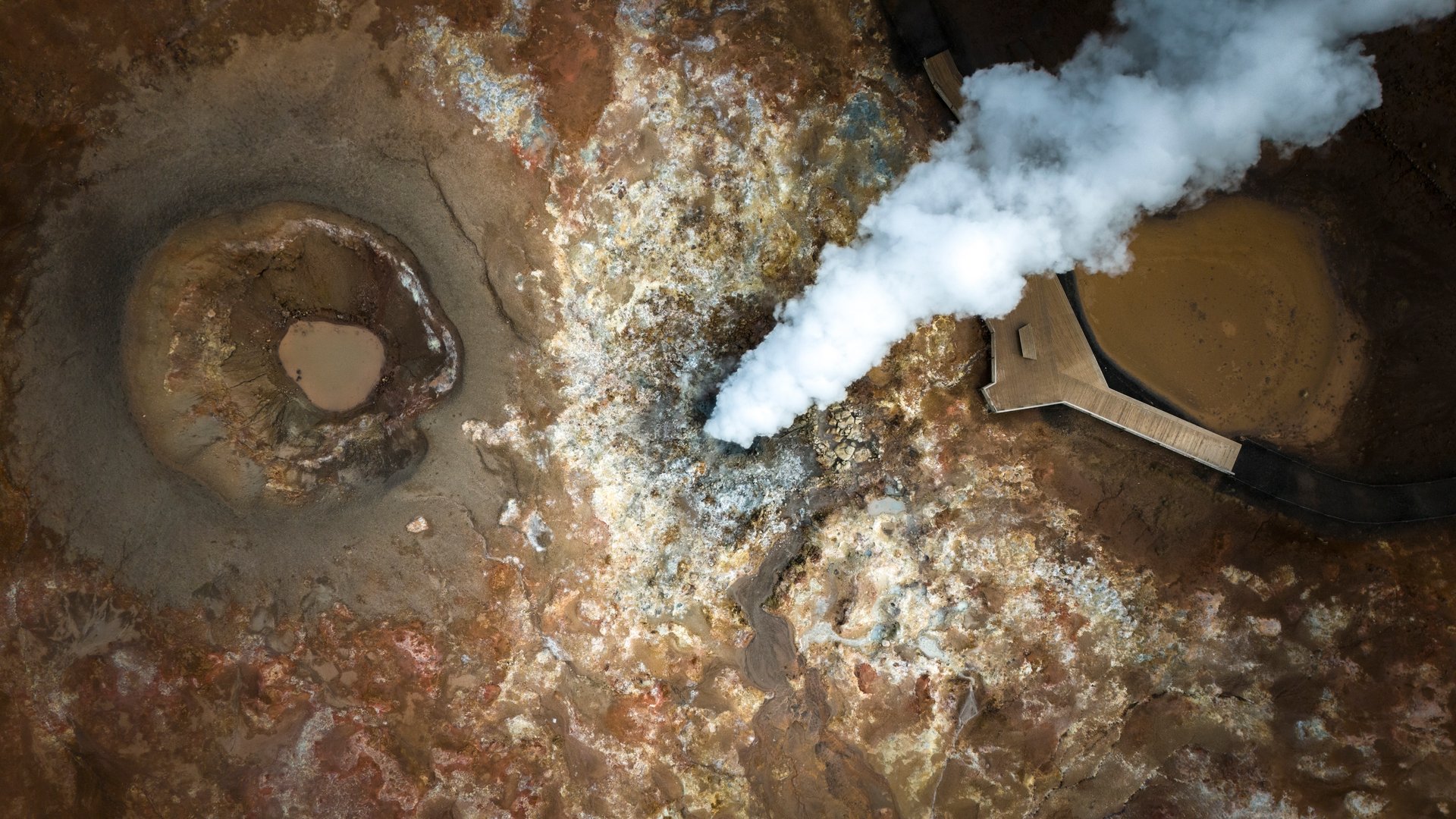
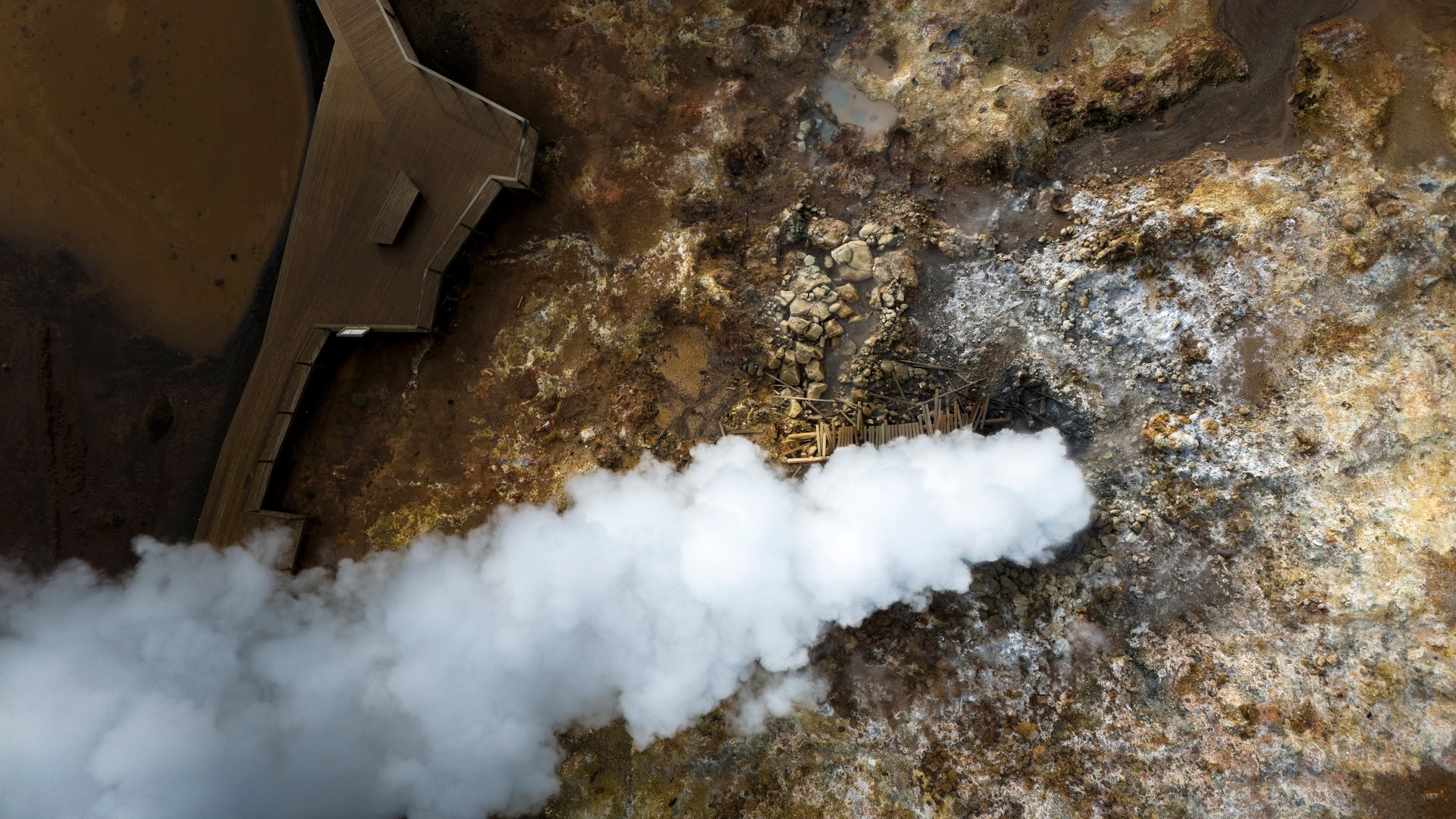
Gunnuhver ranks among Iceland’s most powerful geothermal areas, named after the ghost Guðrún who supposedly haunts the site. The main steam vent produces enormous quantities of superheated steam that roars from the ground with incredible force.
Boardwalks provide safe viewing of the various features including mud pools, fumaroles, and mineral deposits. The ground temperature reaches extreme levels just beneath the surface, and breaking through the crust would result in severe burns. Stay on the boardwalks at all times.
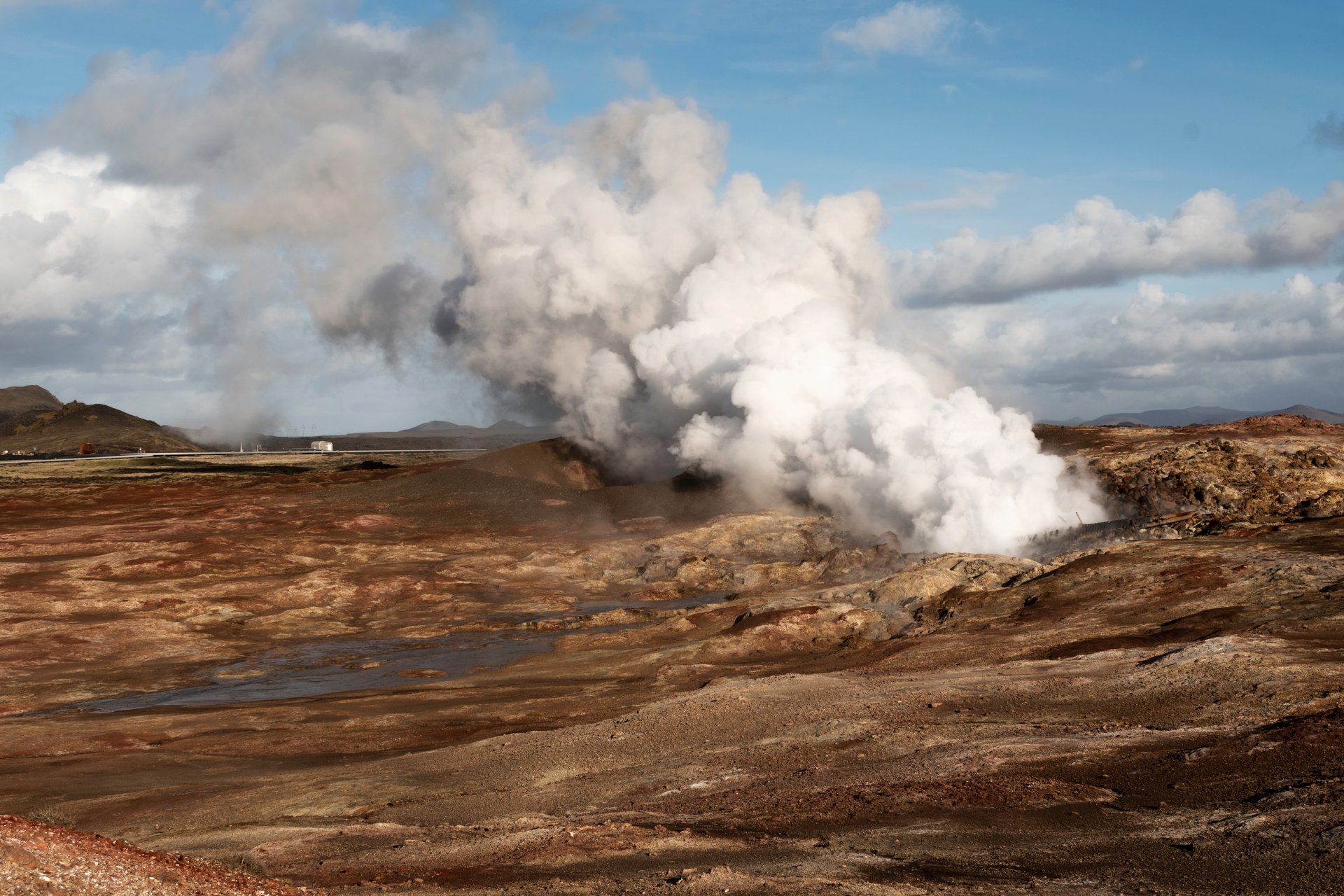
Gunnuhver’s geothermal activity has destroyed viewing platforms multiple times when ground instability caused collapses. The current boardwalk system accounts for these risks, routing visitors away from the most unstable areas while still providing excellent viewing angles.
The Gunnuhver power station visible nearby harnesses this geothermal energy to generate electricity and provide hot water to the surrounding communities.
Reykjanesviti
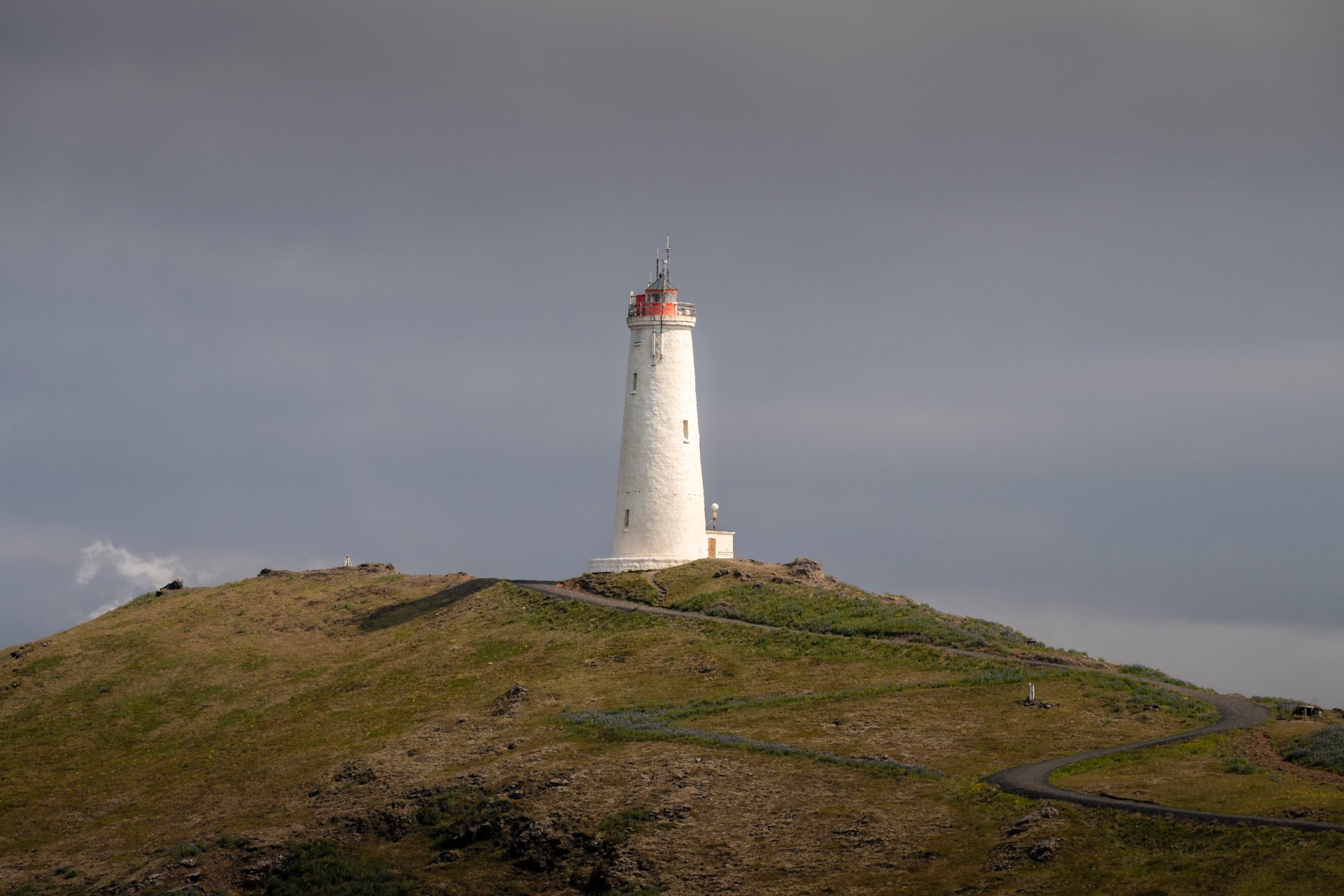
Reykjanesviti lighthouse stands at Iceland’s southwestern tip, marking where the Reykjanes Peninsula meets the Atlantic Ocean. The current lighthouse dates from 1929, replacing an earlier structure from 1907-1908 that was Iceland’s first lighthouse.
The location offers dramatic coastal scenery with waves crashing against lava cliffs. On clear days, you can see across to the Reykjanes Ridge, the section of the Mid-Atlantic Ridge closest to Iceland’s shores. The lighthouse sits within the Reykjanes Global Geopark, recognizing the area’s exceptional geological significance.
Seabirds nest on the nearby cliffs during breeding season, and the coastal areas provide feeding grounds for multiple species. The combination of geological features and biological diversity makes Reykjanesviti more than just a photogenic lighthouse.
Valahnúkur
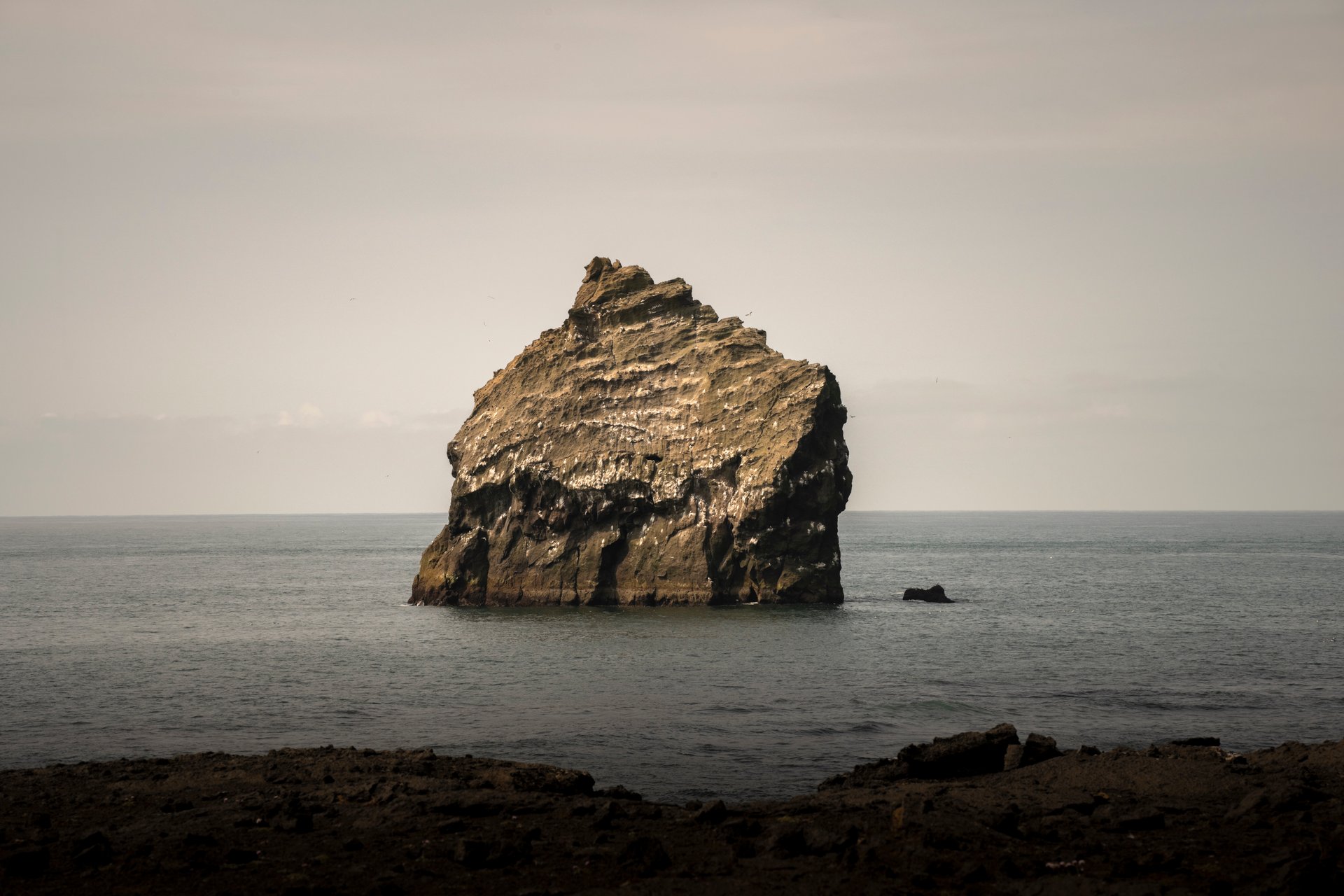
Valahnúkur provides another excellent coastal viewpoint on the Reykjanes Peninsula’s southwestern shore. The cliff overlook delivers views across the rough Atlantic coastline, with waves constantly reshaping the volcanic rock.
The short walk from the parking area takes just minutes but brings you to cliff edges overlooking churning water below. The geological layering in the cliff faces tells millions of years of volcanic history, with each distinct layer representing a separate lava flow or ash deposit.
Valahnúkur sees fewer visitors than some peninsula highlights, offering a quieter experience for those seeking solitude with dramatic scenery. The lack of development means no facilities or barriers, requiring personal responsibility for safety near the cliff edges.
Bridge Between Continents
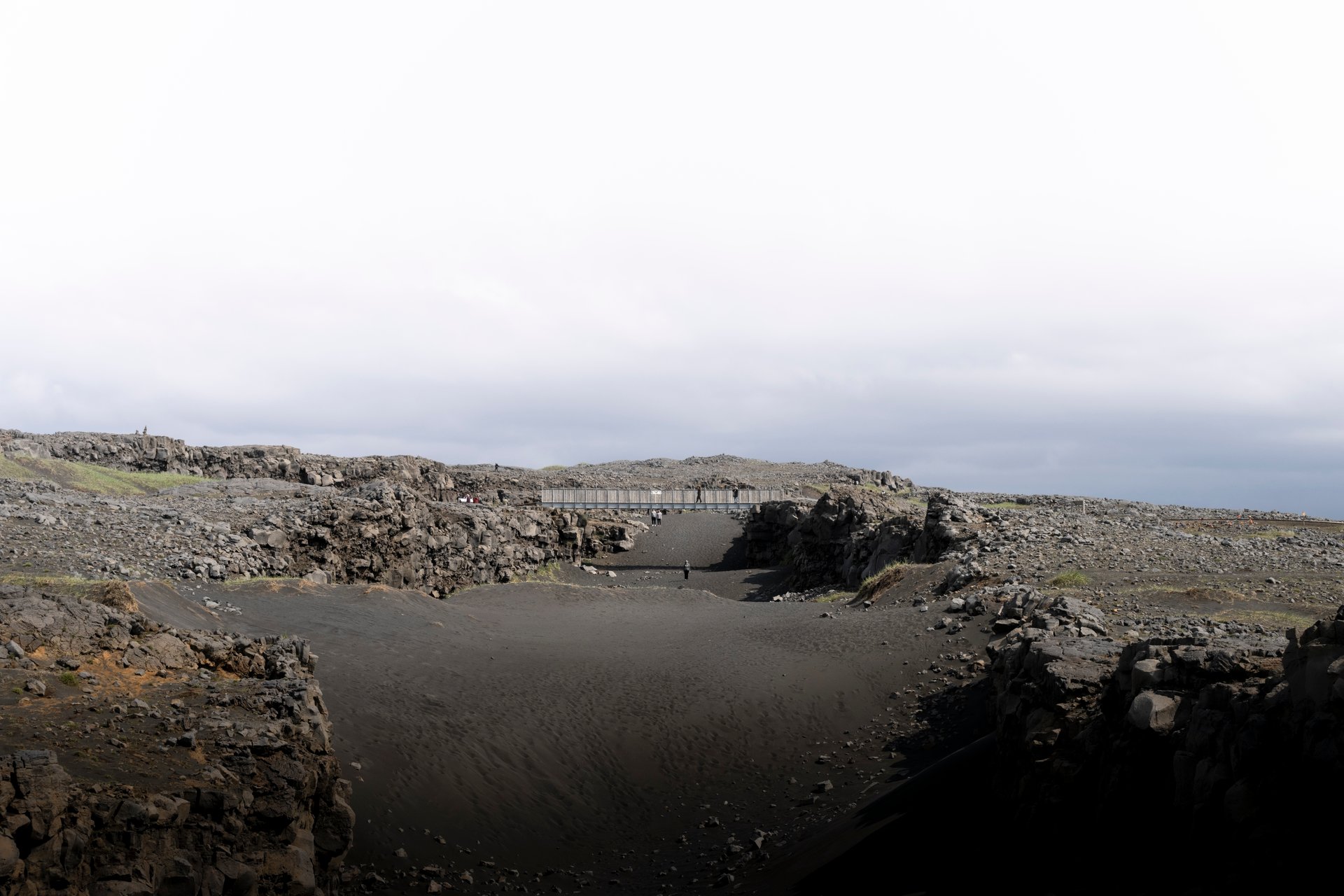
The Bridge Between Continents offers a symbolic crossing between the North American and Eurasian tectonic plates. This footbridge spans a fissure in the Mid-Atlantic Ridge, the boundary where these two massive plates pull apart at roughly 2 centimeters per year.
Walking across takes less than a minute, but the symbolic significance resonates: you’re literally stepping between continents, with North America on one side and Europe on the other.
The surrounding lava fields show the fractured terrain characteristic of active rift zones. Fissures, cracks, and collapsed sections demonstrate the forces pulling Iceland apart, even as volcanic activity continuously adds new material to fill the gap.
Lighthouses of Garður
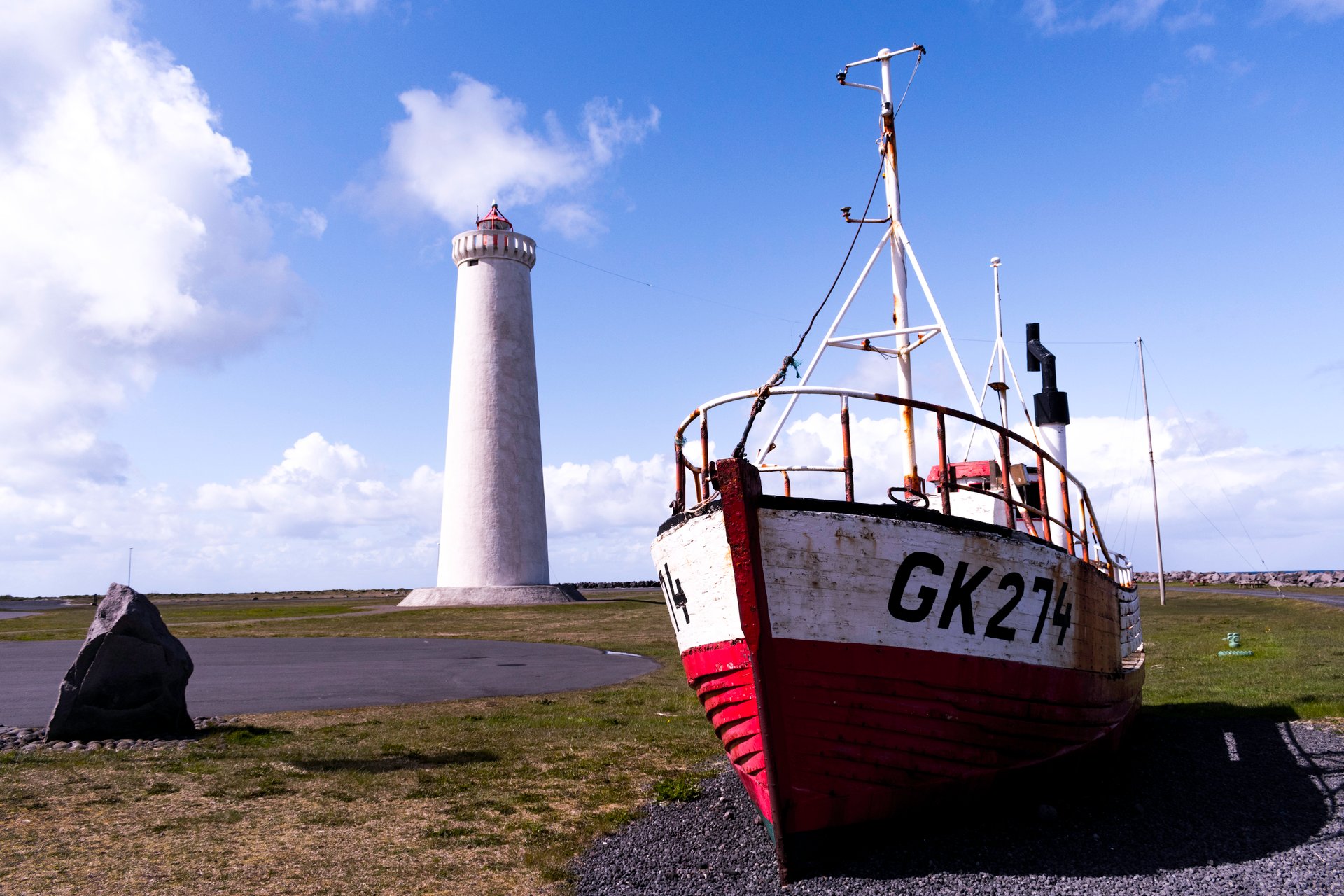
Garður features two lighthouses standing side by side, representing different eras of Icelandic maritime history. The older lighthouse dates from 1897, built from stone when Iceland was still under Danish rule. The newer structure, built in 1944, rises 28 meters and remains operational.
The pairing creates a photogenic scene, particularly during golden hour when low sun illuminates both structures against the ocean backdrop. The older lighthouse’s weathered stonework contrasts with the newer tower’s painted concrete, visually representing Iceland’s maritime evolution.
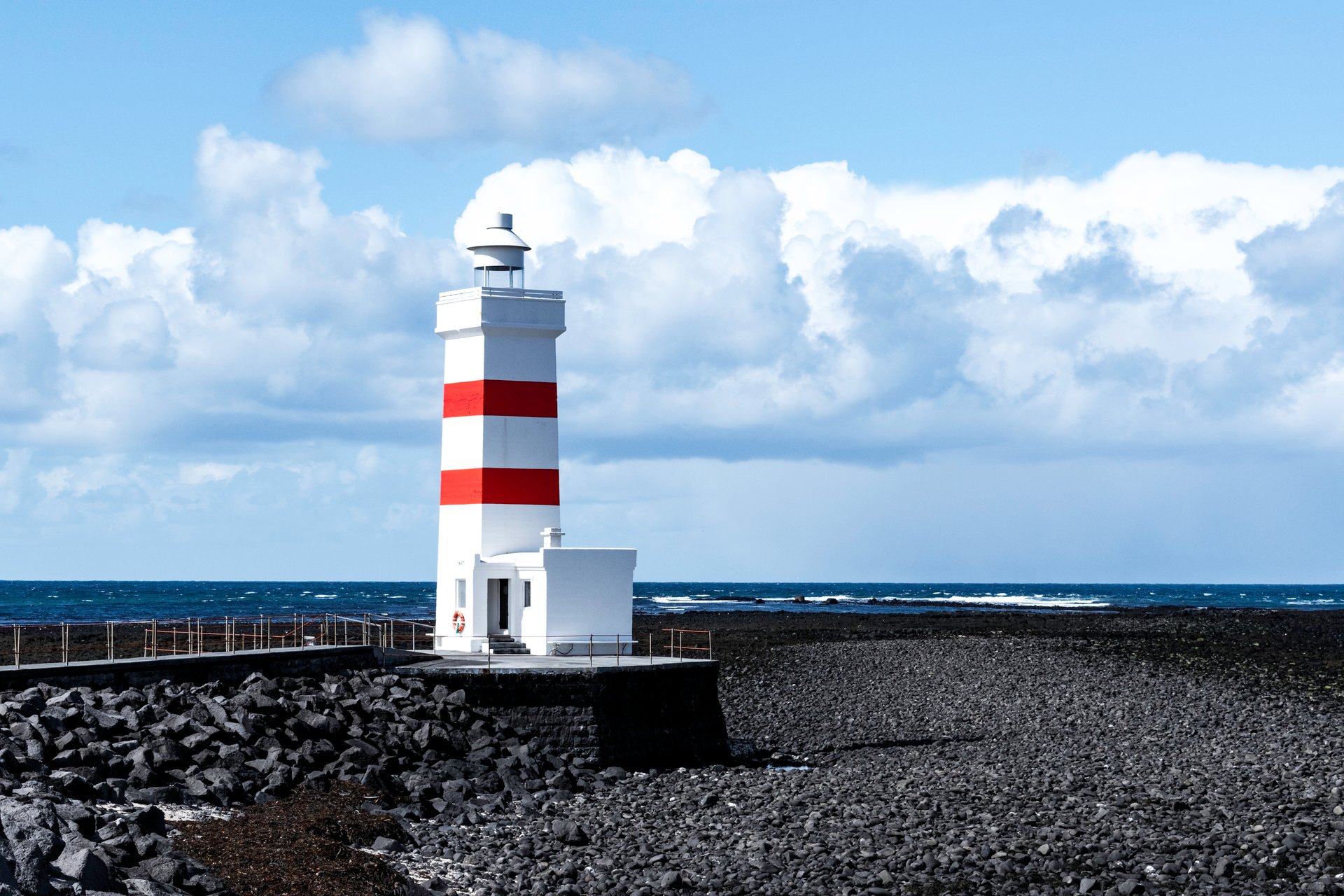
This northwestern section of the peninsula sees fewer tour buses, making it a quieter alternative to southern highlights.
Hot Springs
Sky Lagoon
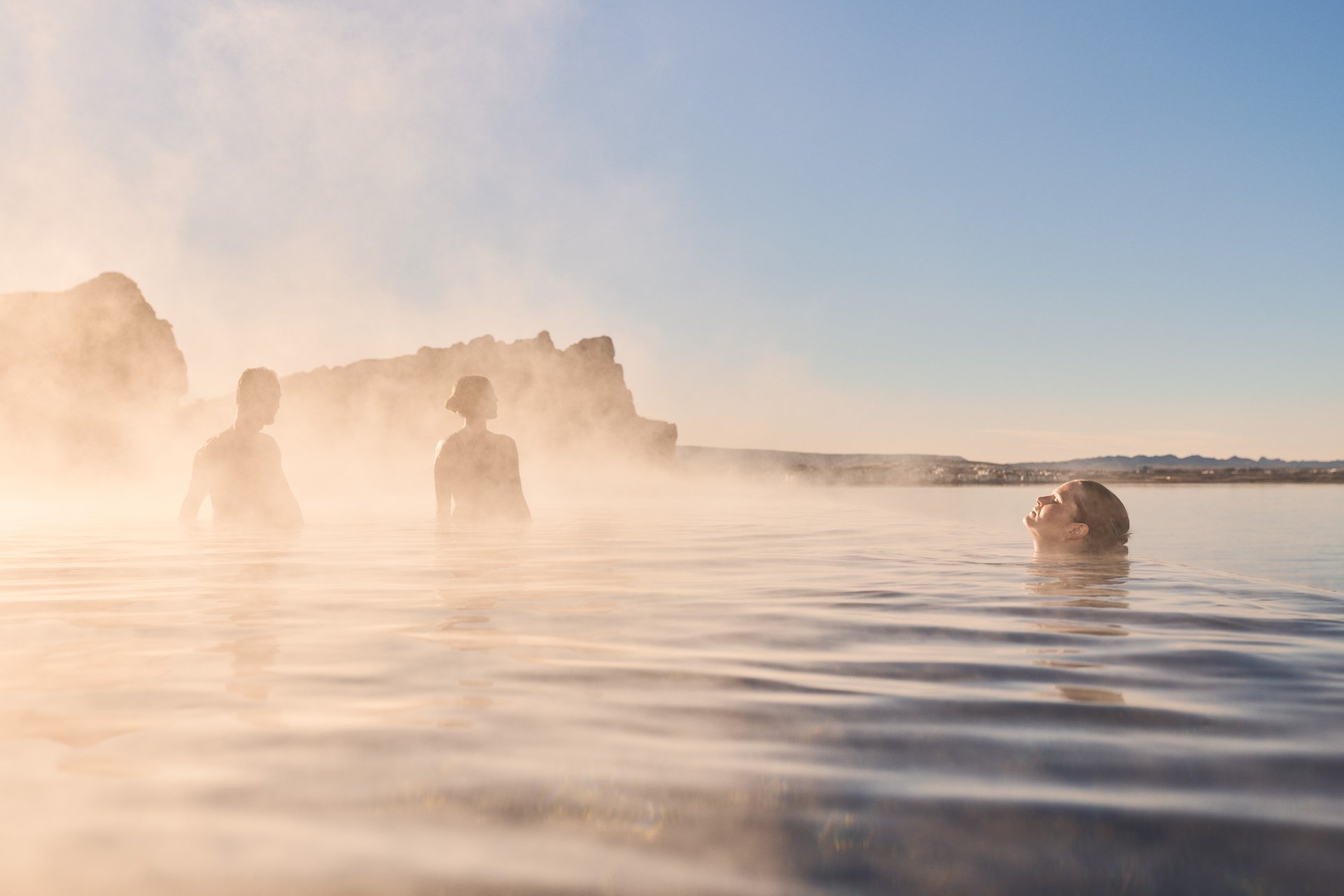
Sky Lagoon opened in 2021, bringing a luxurious geothermal bathing experience to Reykjavík’s coast. The lagoon’s design emphasizes the connection between hot water, cold ocean air, and dramatic North Atlantic views.
The infinity edge creates the illusion that the warm lagoon water merges directly with the ocean. Sitting in the warm water while gazing across cold Atlantic swells produces a memorable sensory contrast. The lagoon maintains a comfortable 38-40°C year-round, making it equally appealing in winter and summer.
Sky Pass includes lagoon access and the Sky Lagoon ritual, a seven-step spa journey incorporating a cold plunge, sauna, body scrub, steam room, and shower ritual. This pass also includes private facilities and other improvements.
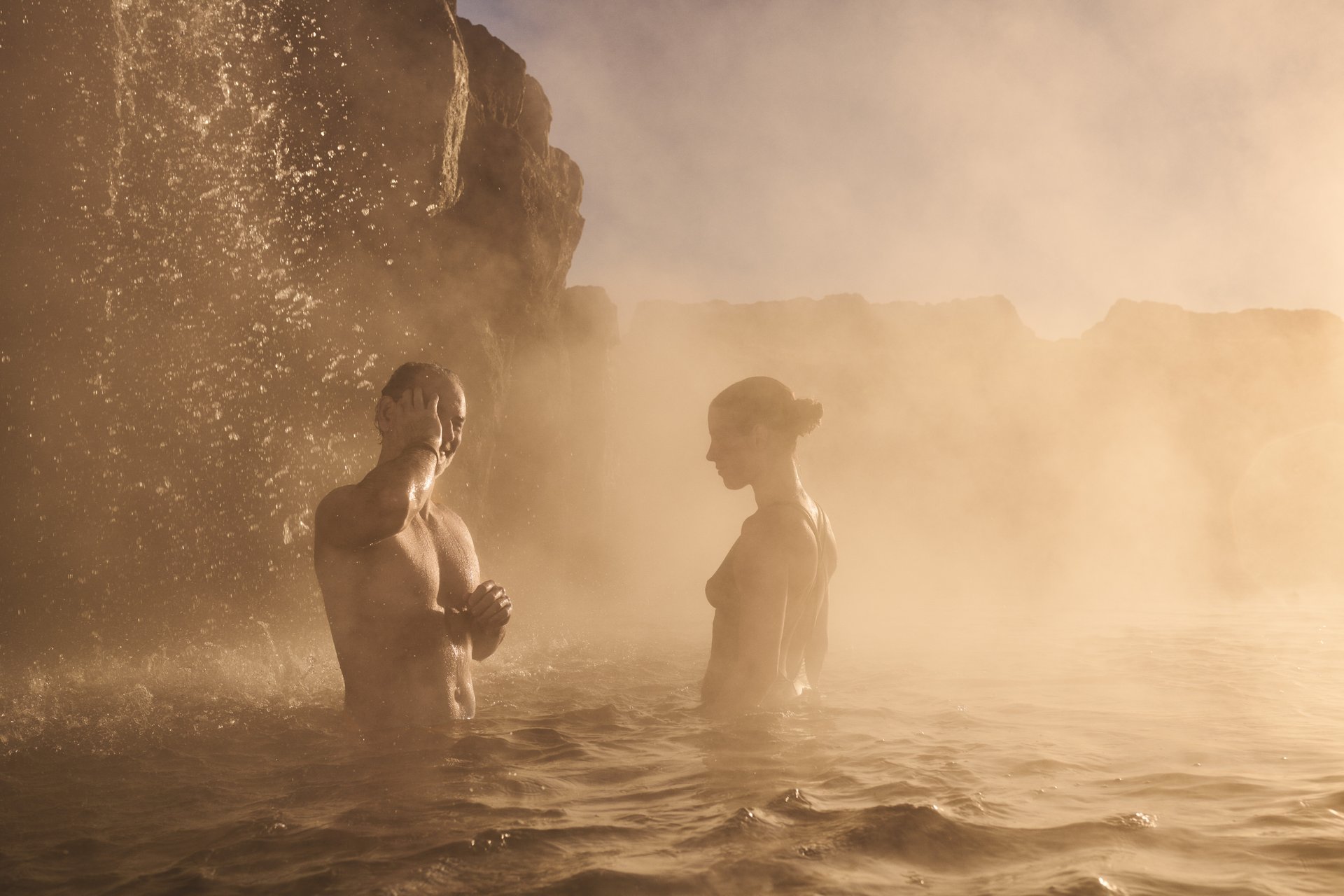
Pure Pass provides lagoon access with the ritual as well, but with the standard facilities.
Both passes require advance booking, particularly during peak season. The facility limits daily visitors to maintain a quality experience without overcrowding. Evening visits offer the possibility of Northern Lights viewing from the warm water during winter months.
The World Famous Blue Lagoon
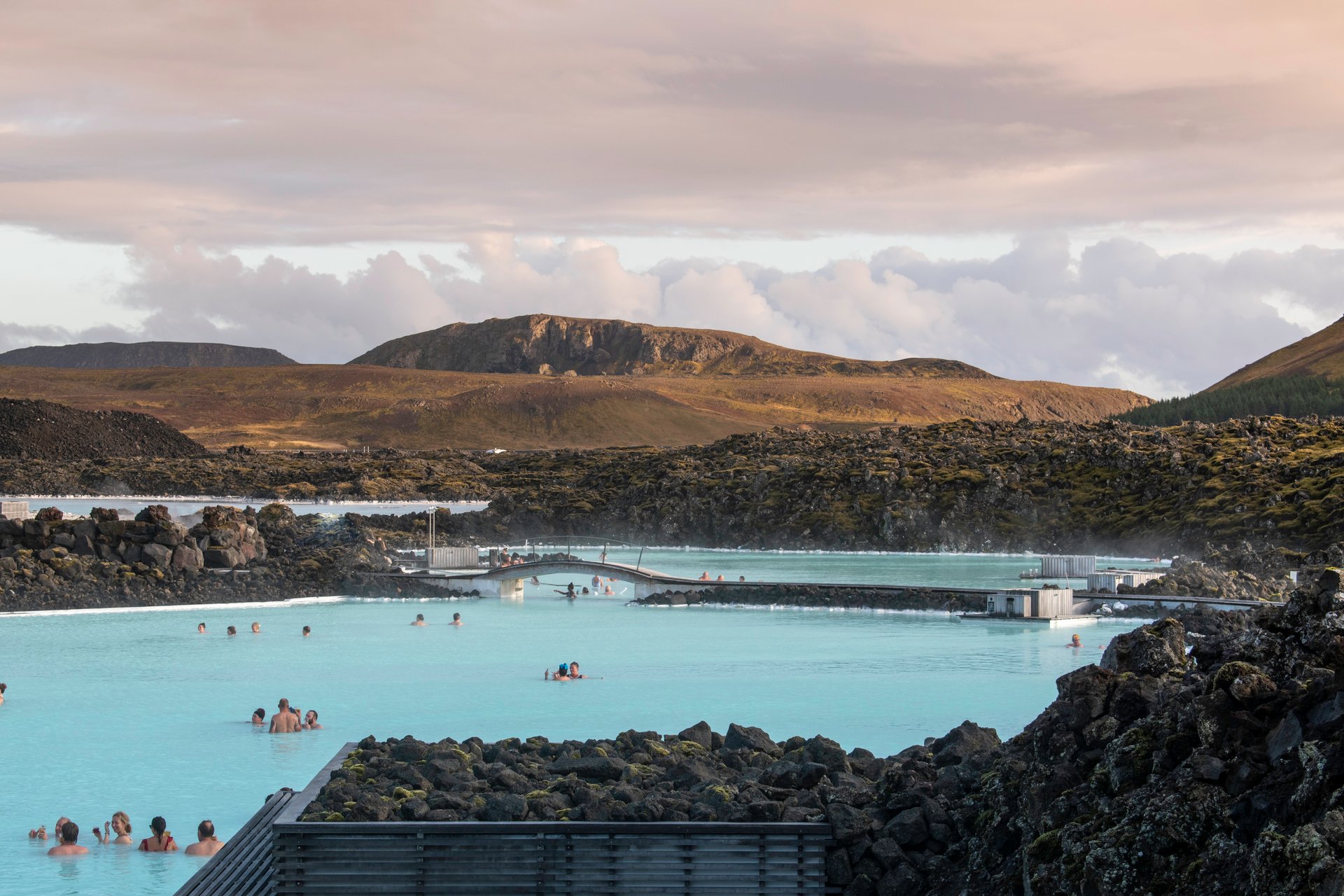
The Blue Lagoon ranks among Iceland’s most iconic attractions, drawing visitors worldwide to its milky blue geothermal waters. The lagoon sits in a lava field near the Svartsengi geothermal power plant, using the mineral-rich runoff water from the plant’s operations.
The distinctive blue color comes from silica suspended in the water. This silica, along with algae and minerals, gives Blue Lagoon water its reputed skin benefits. Many visitors apply silica mud masks while soaking, using the complimentary silica available throughout the lagoon.
Water temperature ranges from 37-39°C, comfortable for extended soaking sessions. The lagoon spans a large area with varying depths, swim-up bars and multiple entry points. Despite hosting hundreds of visitors daily, the size prevents overcrowding in most areas.
Several experience levels exist:
- Comfort: Basic lagoon access with towel, drink, and silica mud mask
- Premium: Comfort level plus bathrobe, slippers, table reservation, and additional skin care products
- Retreat Spa: Premium level plus private changing areas, Retreat Lagoon access (quieter, adults-only), and sparkling wine
Book well in advance as the Blue Lagoon frequently sells out weeks ahead, particularly during summer. Consider visiting early morning or late evening to avoid peak crowds. We offer private transfers including a Blue Lagoon stop for a seamless arrival experience.
For those planning a luxury wellness weekend in Iceland, the Blue Lagoon makes an excellent centerpiece activity.
Where to Eat
Grindavík has suffered incredible damage and loss due to recent eruptions. We encourage any visitor to the Reykjanes Peninsula to stop there and have lunch to support the local community. The best fresh fish and chips in Iceland comes from one of these restaurants, though we won’t dare pick sides!
Bryggjan Grindavík
Bryggjan sits directly at the harbor, serving the freshest possible seafood in a casual atmosphere. The menu focuses on local catch prepared simply to highlight the quality.
The harbor views add ambiance, with fishing boats coming and going throughout the day.
Papa’s Restaurant
Papa’s has earned a loyal following for generous portions and friendly service. The fish and chips compete with Bryggjan for local supremacy, and the heated debate over which is better has no clear winner. Sample both if your schedule allows and judge for yourself.
Other Activities
The Lava Tunnel
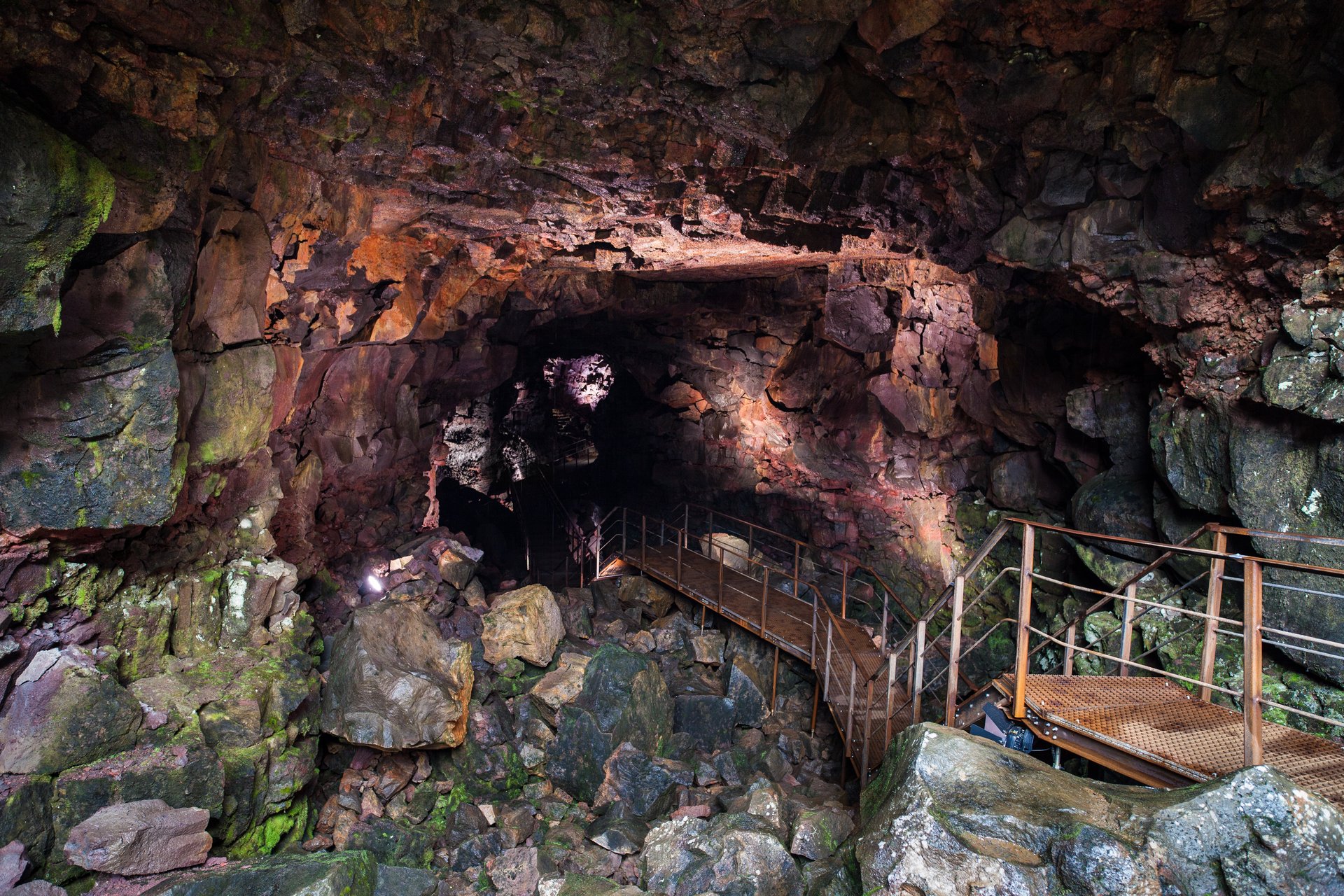
The Lava Tunnel takes you inside Raufarhólshellir, one of Iceland’s longest and most accessible lava tubes. The tunnel formed when a lava flow’s outer surface cooled and solidified while molten lava continued flowing through the interior. When the eruption ended, the remaining liquid lava drained out, leaving a hollow tube through the solidified rock.
Raufarhólshellir extends 1,360 meters through the lava field, with the walkable section covering about 900 meters of tunnel. Electric lights illuminate the passage, and elevated walkways provide safe access over the rough lava floor. The tunnel’s interior reveals incredible geological details: stalactites formed from dripping lava, flow lines showing how molten rock moved, and mineral deposits in various colors.
Two tour options exist:
- Standard tour: 1-hour guided walk through the illuminated main tunnel, suitable for most fitness levels
- Adventure tour: 3-4 hour exploration extending deeper into the cave system with some crawling sections, requires higher fitness
The tunnel maintains a constant 0°C temperature year-round, making warm clothing essential even in summer. The facility provides helmets and flashlights for all tours.
Day Tours to the Peninsula
Private Tour
Our private Reykjanes Peninsula tour offers complete flexibility to explore at your own pace. Visit the sites that interest you most, spend extra time at locations you find compelling, and skip attractions that don’t appeal to you.
A private guide provides geological context, historical background, and local knowledge that transforms the landscape from visually striking to deeply understood. They’ll explain how specific features formed, point out details you’d otherwise miss, and adjust the itinerary based on current conditions and your interests.
Private tours accommodate special interests whether you’re focused on photography, geology, birdwatching, or simply scenic appreciation. The pace matches your preference rather than conforming to a fixed schedule.
Small Group Tour
Small group tours to Reykjanes provide excellent value while maintaining a quality experience. These tours visit the peninsula’s highlights on a set itinerary designed to showcase the region’s diversity.
Sharing the experience with other travelers often enhances enjoyment through different perspectives and questions that provoke interesting discussions. Group sizes stay small enough that everyone receives attention and has opportunities for questions.
The structured itinerary ensures efficient use of time, visiting multiple sites without backtracking or navigation confusion. Guides know exactly where to stop for best views and how long each site typically requires.
Conclusion
The Reykjanes Peninsula packs extraordinary geological diversity into a compact area accessible from Reykjavík. From powerful geothermal areas to recent volcanic eruptions, from dramatic coastlines to historic lighthouses, the region offers days of exploration without repetition.
Whether you spend a single day covering highlights or multiple days diving deeper into specific areas, Reykjanes delivers experiences found nowhere else on Earth. The peninsula’s position on the Mid-Atlantic Ridge creates geological processes visible at the surface, making complex earth science tangible and accessible.
Plan your visit to include both famous sites like the Blue Lagoon and lesser-known spots like Krýsuvíkurbjarg. The combination creates a complete picture of what makes this volcanic peninsula so compelling. And remember to support Grindavík’s restaurants during your visit, helping a resilient community continue recovering from recent volcanic challenges.
For more detailed information on the peninsula’s volcanic activity, explore our recent volcanic history article, or browse our photographic documentation of the eruptions.