The Snæfellsnes Peninsula in Iceland is a region in West Iceland, about two hours from Reykjavík, often called “Iceland in Miniature.” It features the glacier-capped Snæfellsjökull volcano, Kirkjufell mountain, black sand beaches at Djúpalónssandur, the coastal village of Arnarstapi, Ytri-Tunga seal beach, and Vatnshellir lava cave — all on one peninsula.
The Snæfellsnes Peninsula, often called Iceland in Miniature, concentrates the country’s diverse landscapes into one accessible region. From the glacier-capped Snæfellsjökull volcano to black sand beaches, dramatic coastal cliffs, and charming fishing villages, this peninsula delivers Iceland’s natural wonders without the crowds found at more famous locations. Whether you’re planning a private day tour from Reykjavík or a longer West Iceland adventure, this comprehensive guide covers everything worth seeing and doing.
Snæfellsnes is also a land of tales, legends, and sagas that have shaped Icelandic culture for centuries. The peninsula’s mystical atmosphere inspired Jules Verne’s “Journey to the Center of the Earth,” with the entrance located at Snæfellsjökull glacier.
The Volcano-Glacier: Snæfellsjökull
History and Geology
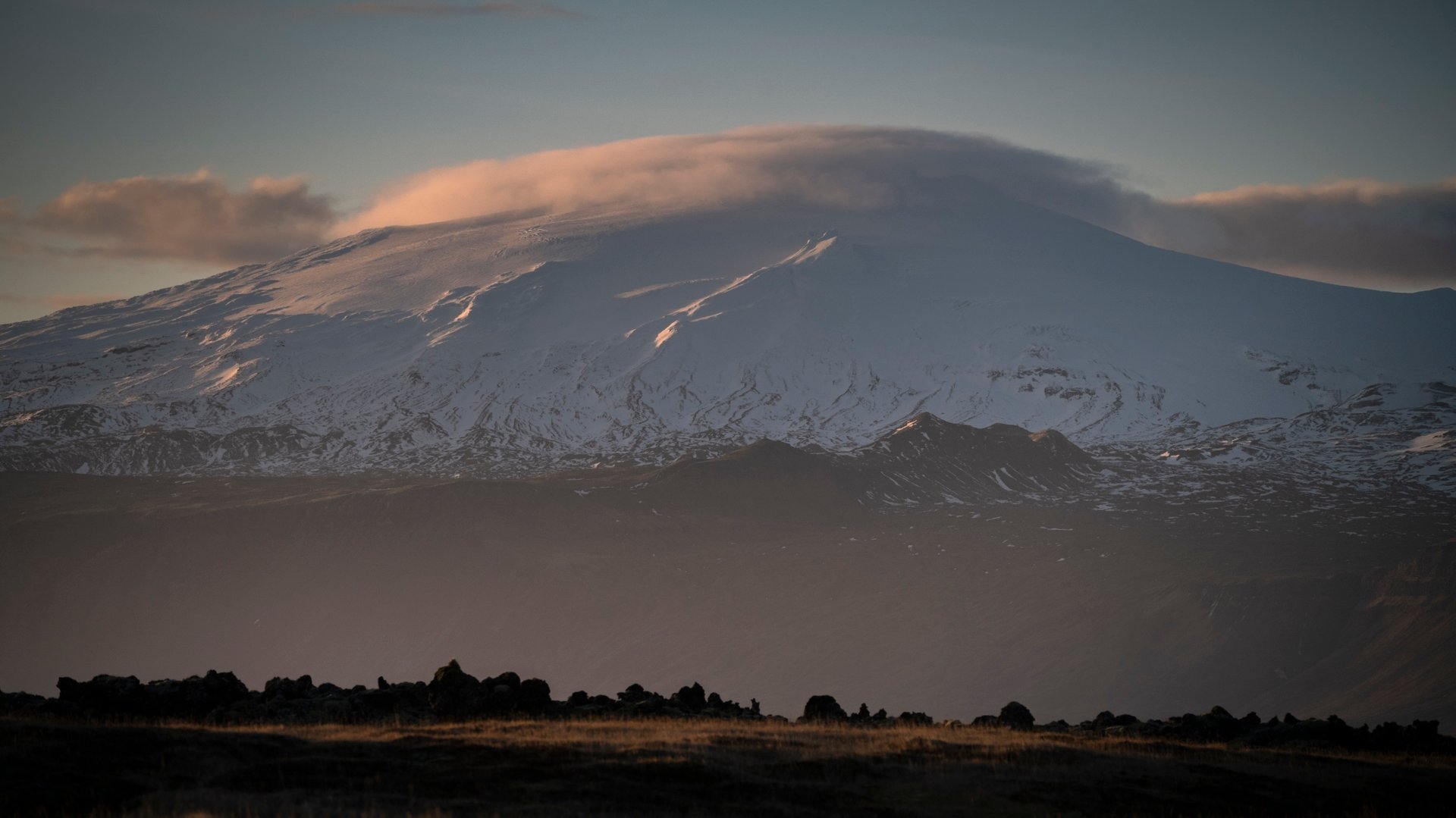
Snæfellsjökull dominates the western tip of the peninsula, a 700,000-year-old stratovolcano capped with a glacier. This 1,446-meter peak creates a beacon visible from Reykjavík on clear days, 120 kilometers away. The volcano last erupted approximately 1,800 years ago, producing lava flows that shaped much of the surrounding landscape.
The glacier covering the summit has retreated significantly in recent decades due to climate change. Scientists predict the glacier may disappear within the next century, making visits to Snæfellsjökull increasingly precious for witnessing this combination of ice and volcanic rock.
The Roads F-570 and F-575
Two mountain roads lead toward Snæfellsjökull from the southern side of the peninsula. These F-roads (F-570 and F-575) require 4x4 vehicles and remain open only during summer months when snow melts. The roads climb toward the glacier, offering spectacular views of the coast and surrounding lava fields.
F-570 approaches from Arnarstapi, while F-575 connects from the northeast side. Both roads deliver stunning perspectives of the glacier and access to hiking routes. Check road conditions before attempting these routes as weather changes rapidly at higher elevations.
The Main Sites to Visit on Snæfellsnes
Berserkjahraun
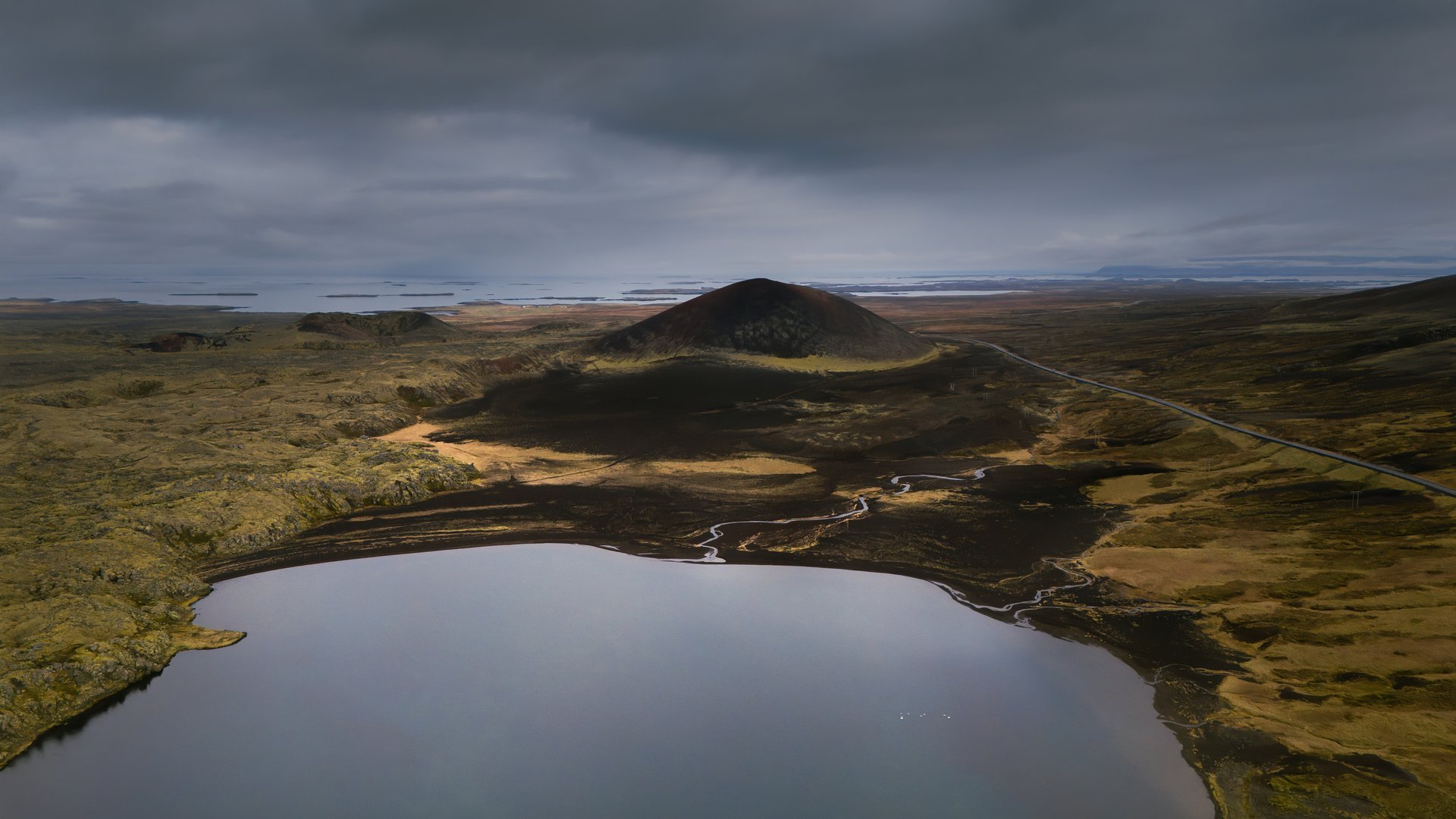
Berserkjahraun lava field stretches across the northern section of the peninsula, formed 3,000-4,000 years ago. The name translates to “Berserker Lava Field,” referencing an Icelandic saga about two Swedish berserkers who built a path through the rough lava to win the hand of a farmer’s daughter.
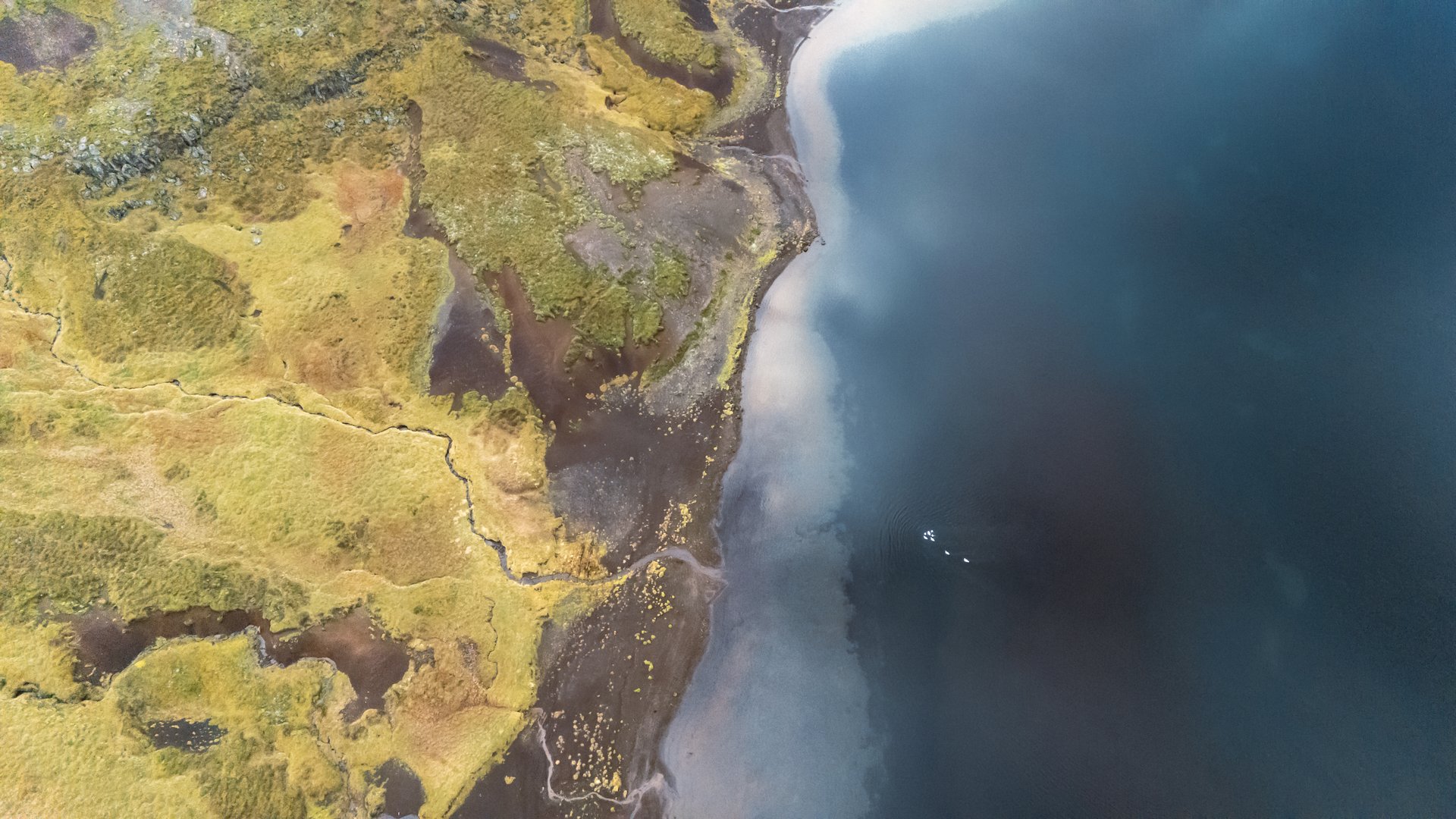
The lava field shows various stages of volcanic cooling, creating dramatic formations now covered in moss and lichen. A walking path leads through the lava, offering close views of how volcanic eruptions shape landscapes over millennia.
Kirkjufell
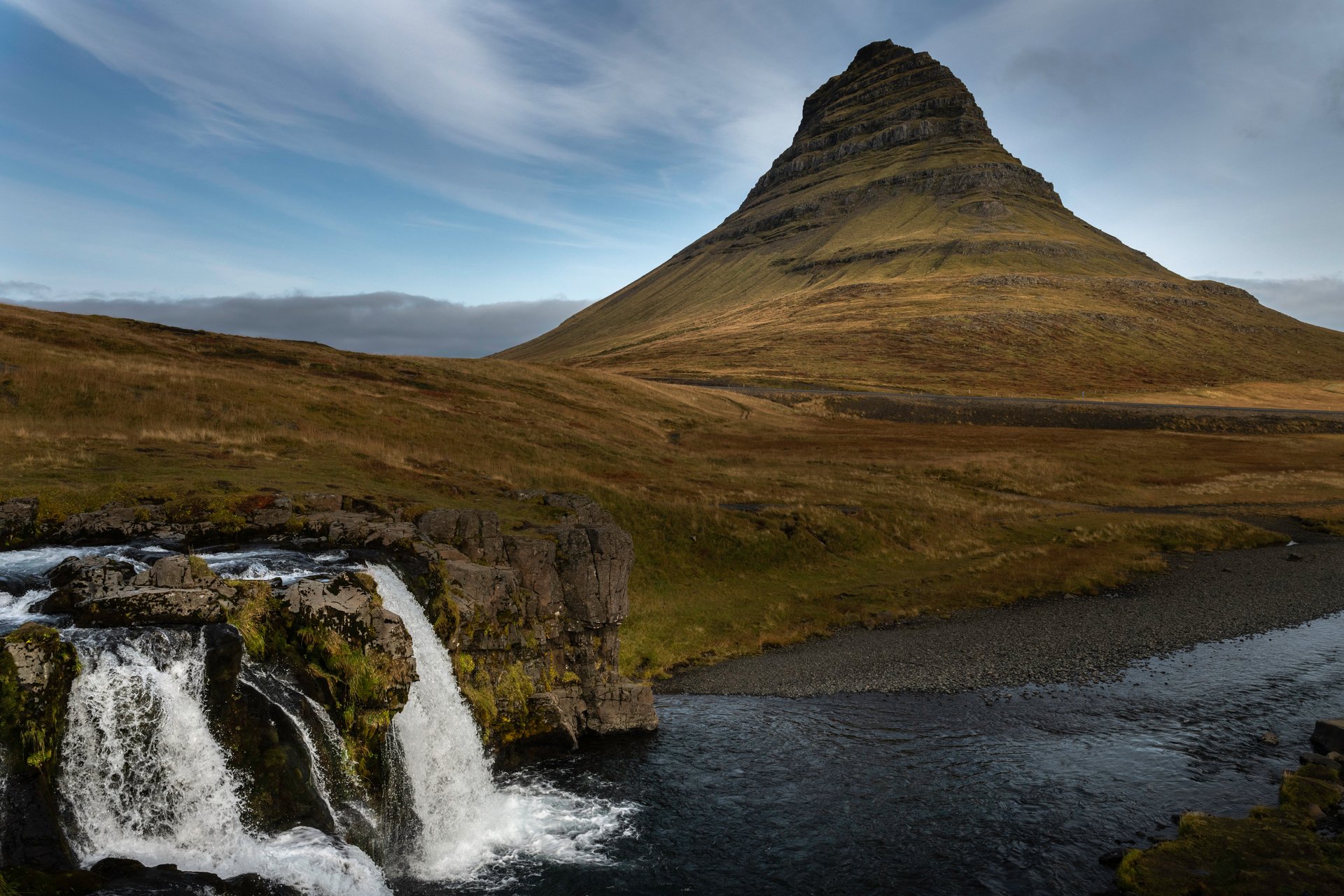
Kirkjufell ranks among Iceland’s most photographed mountains due to its distinctive pyramid shape rising 463 meters from the coastline. The mountain gained international recognition appearing in Game of Thrones as “Arrowhead Mountain.”
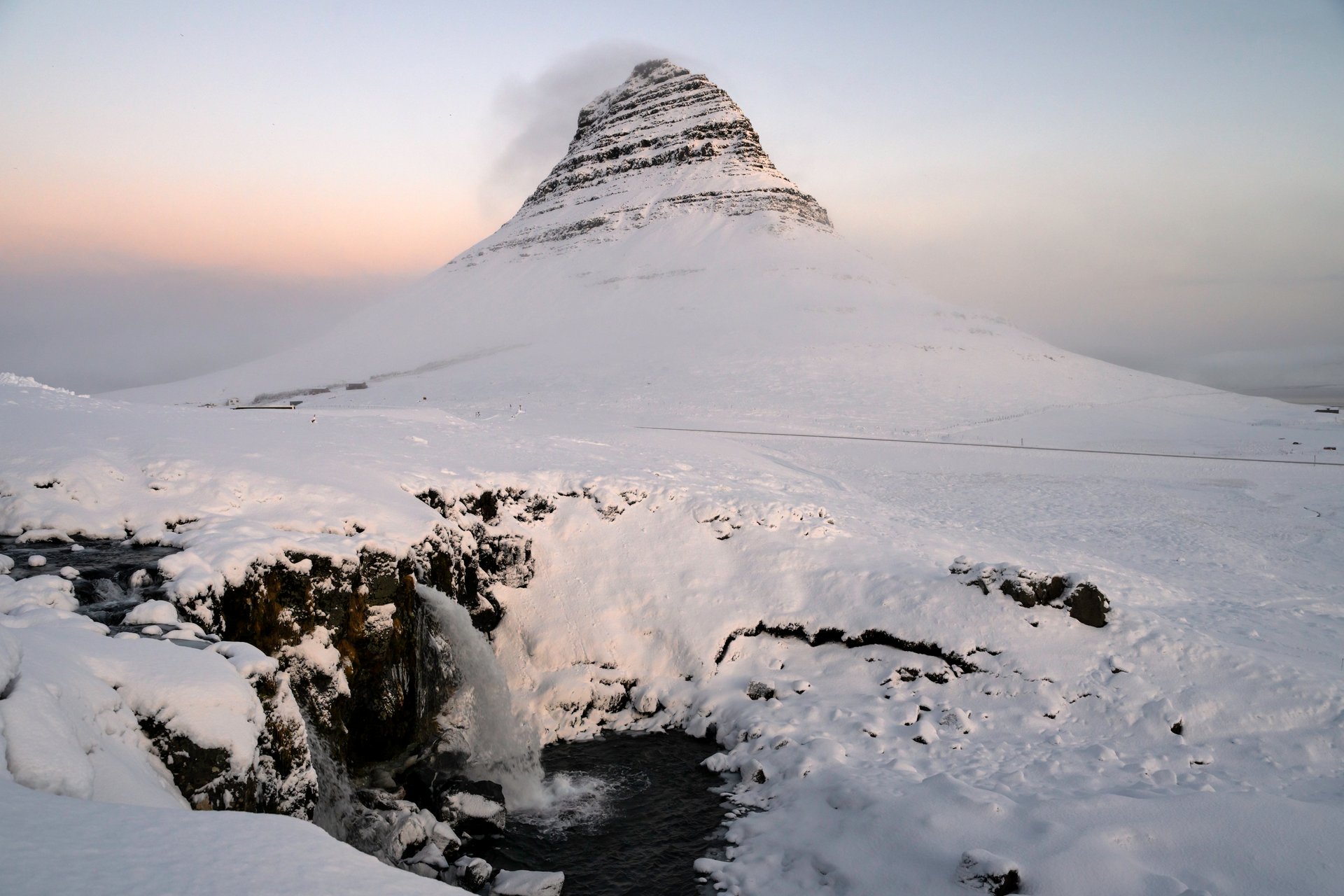
Kirkjufellsfoss waterfall provides the perfect foreground for photographs, creating the classic composition that made this location famous. Visit during golden hour for warm light illuminating the mountain, or during blue hour when long exposures capture smooth water flow.
The mountain’s name translates to “Church Mountain” due to its resemblance to a church tower when viewed from certain angles. A hiking trail leads to the summit for experienced hikers, taking 1.5-2 hours with steep sections requiring caution.
Djúpalónssandur
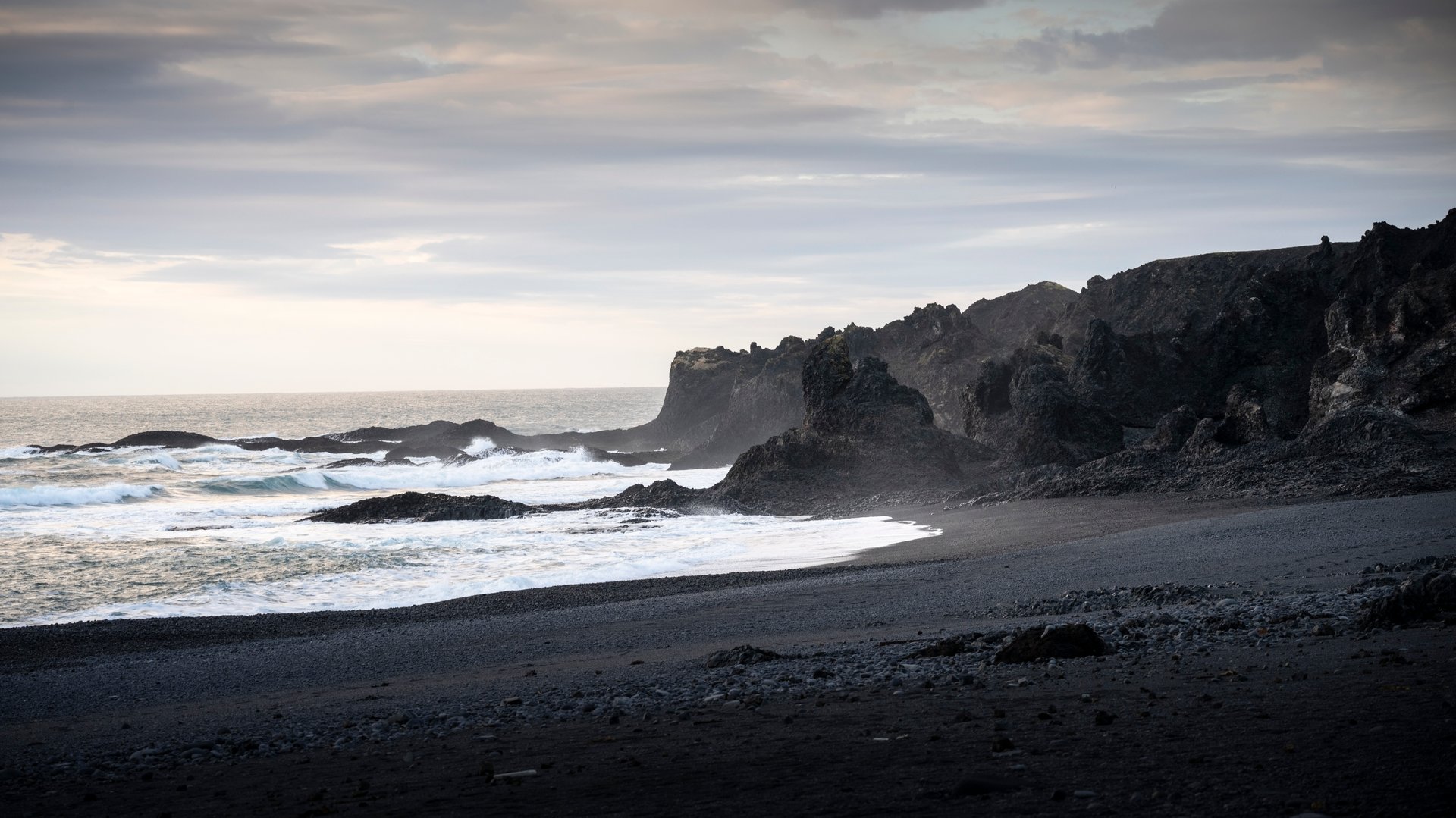
Djúpalónssandur black sand beach showcases volcanic origins with dark sand created from lava meeting the ocean. The beach holds historical significance through four ancient lifting stones that fishermen used to test their strength before joining fishing crews. The stones range from 23kg to 154kg, with traditional names: Amlóði (Useless), Hálfdrættingur (Weakling), Hálfsterkur (Half-strong), and Fullsterkur (Full-strength).
Scattered across the beach, rusted remnants of the British trawler Epine GY7 serve as reminders of Iceland’s maritime dangers. The ship wrecked here in 1948, claiming lives and leaving metal fragments visible among the black sand and lava formations.
The dramatic lava formations framing the beach create an otherworldly atmosphere. Walk carefully as waves can be powerful and unpredictable along this exposed coastline.
Lóndrangar
Lóndrangar basalt cliffs rise dramatically from the ocean as towering volcanic plugs, remnants of a crater formed 70,000-80,000 years ago. The two peaks reach 75 meters and 61 meters high, creating nesting sites for numerous seabirds including fulmars and guillemots.
These formations represent the hardened core of an ancient volcano, with softer surrounding material eroded by Atlantic waves over millennia. The basalt columns display hexagonal patterns typical of slow-cooling lava.
A short walking path from the parking area leads to viewpoints overlooking the cliffs and surrounding coastline. The area offers excellent opportunities for seabird watching and photography of dramatic rock formations against crashing waves.
Arnarstapi
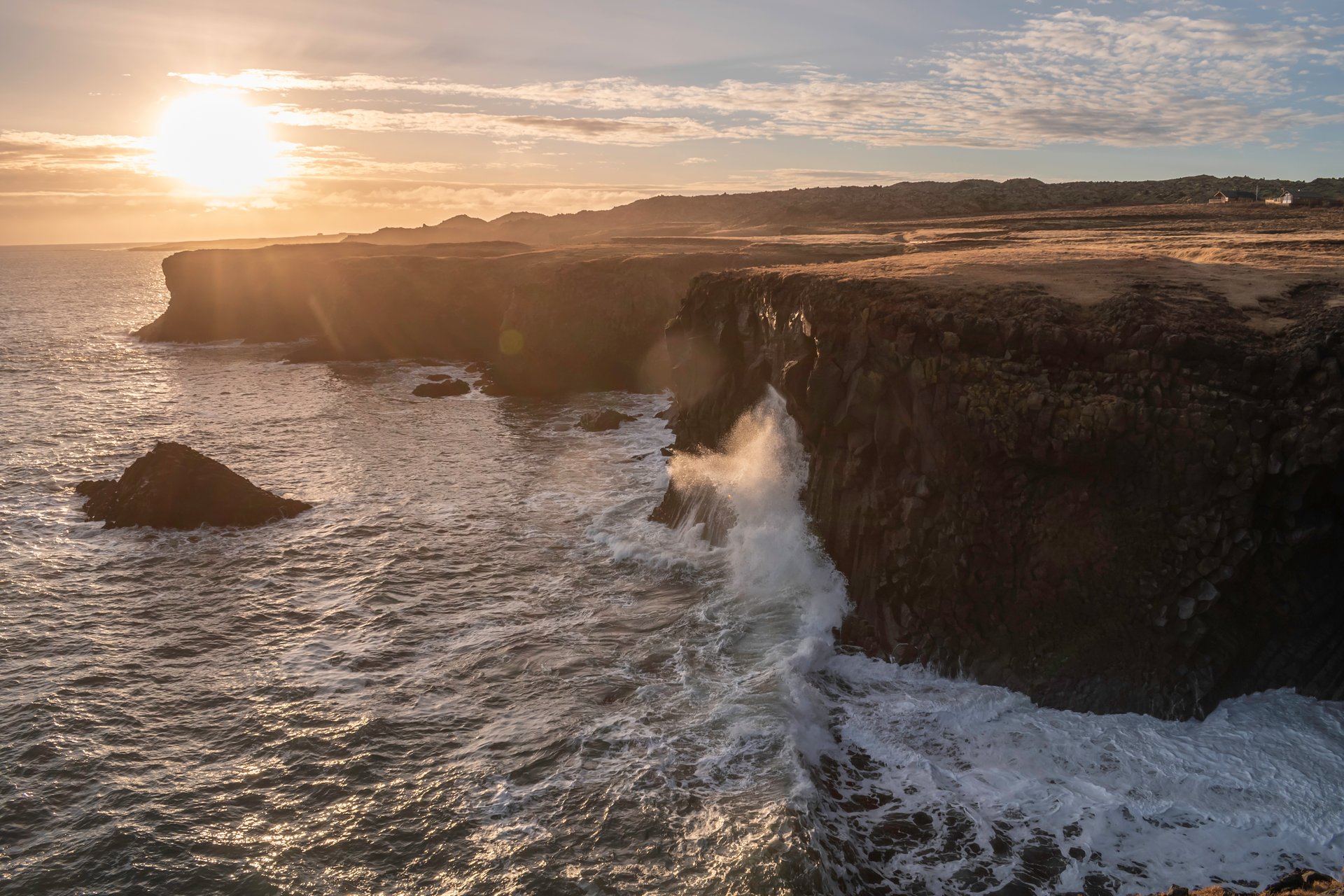
Arnarstapi serves as a historic fishing village transformed into a base for exploring Snæfellsjökull National Park. The village sits on dramatic coastal cliffs where Atlantic waves have carved natural arches and basalt formations into spectacular shapes.
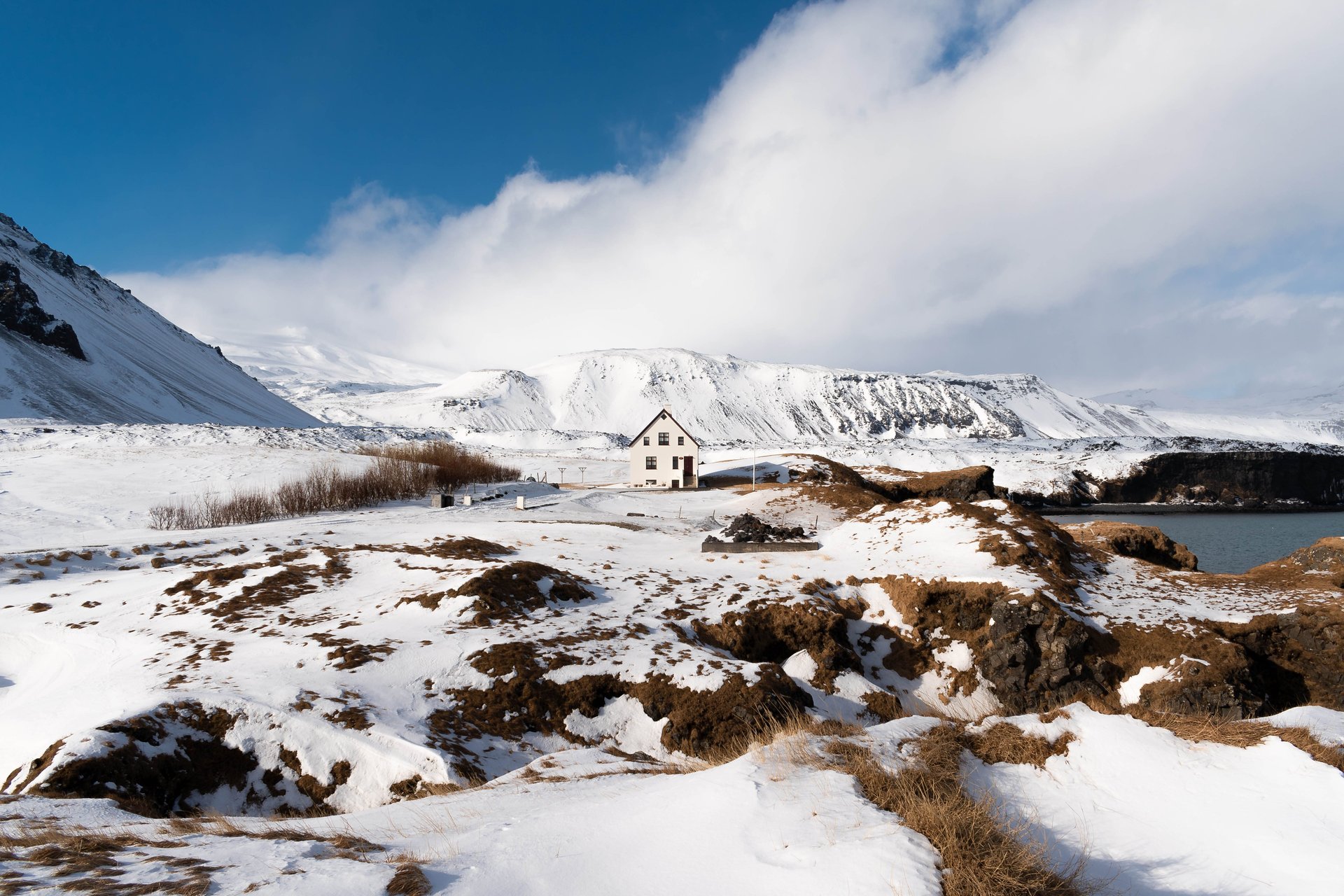
A coastal walking path connects Arnarstapi to nearby Hellnar village, following clifftops with constant ocean views. The 2.5-kilometer walk takes 45-60 minutes one way, passing through landscapes of lava fields, rock arches, and nesting seabird colonies.
The stone statue of Bárður Snæfellsás guards the coastline, a half-troll, half-human figure from Icelandic sagas who became the guardian spirit of Snæfellsjökull. The sculpture creates a dramatic subject against the rocky shore.
Búðakirkja
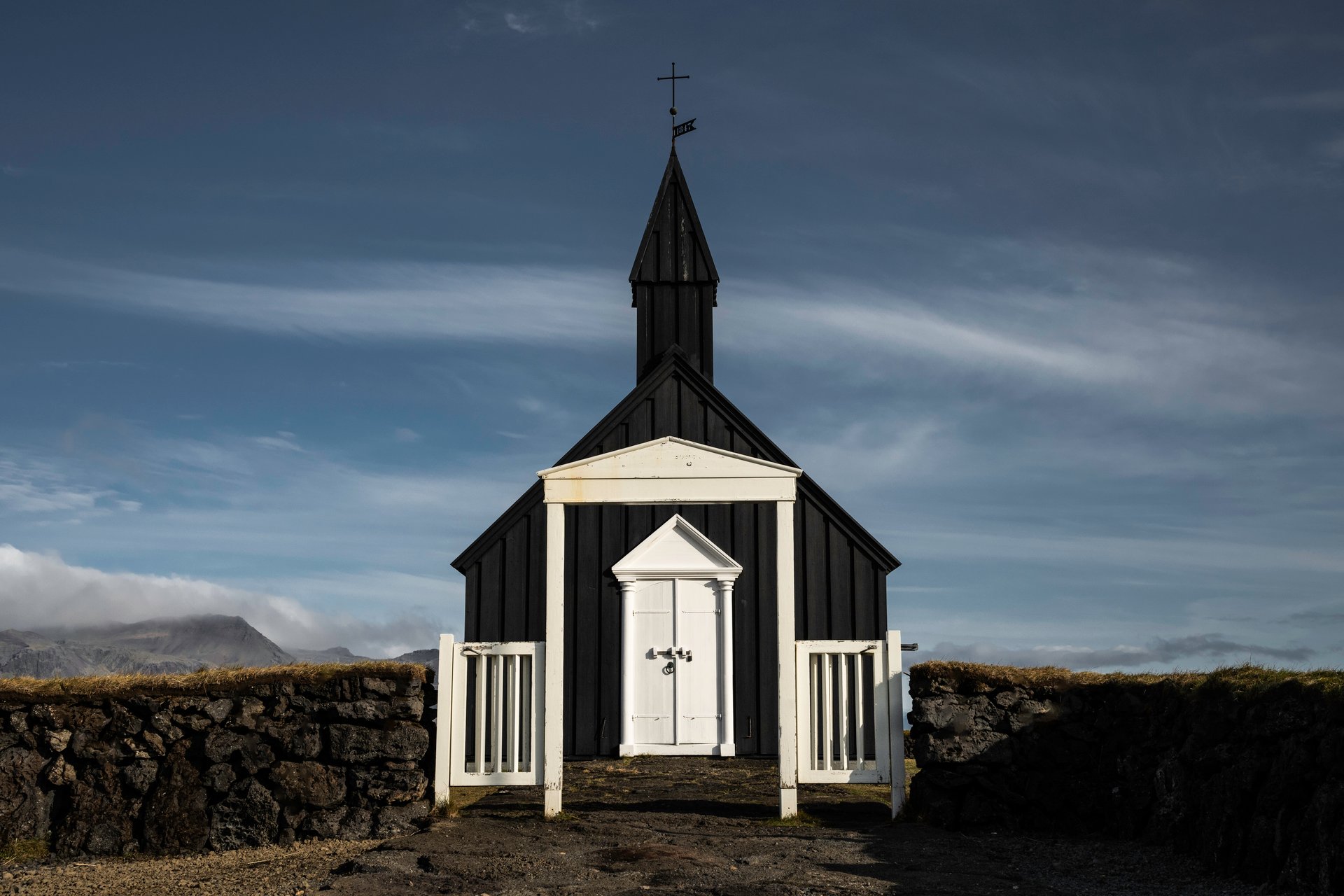
Búðakirkja stands as Iceland’s most photographed church, a striking black wooden structure contrasting against golden grass and lava fields. Built in 1703 and rebuilt in its current form in 1987, this small Lutheran church represents enduring Christianity in Iceland’s remote regions.
The church sits alone in the landscape with Snæfellsjökull glacier visible in the distance on clear days. The surrounding lava field and coastal location create exceptional photography opportunities, especially during golden hour when warm light illuminates the black walls.
The church remains active for services and weddings, though visitors can photograph the exterior anytime. The interior features simple wooden furnishings maintaining traditional Icelandic church architecture.
Ytri-Tunga
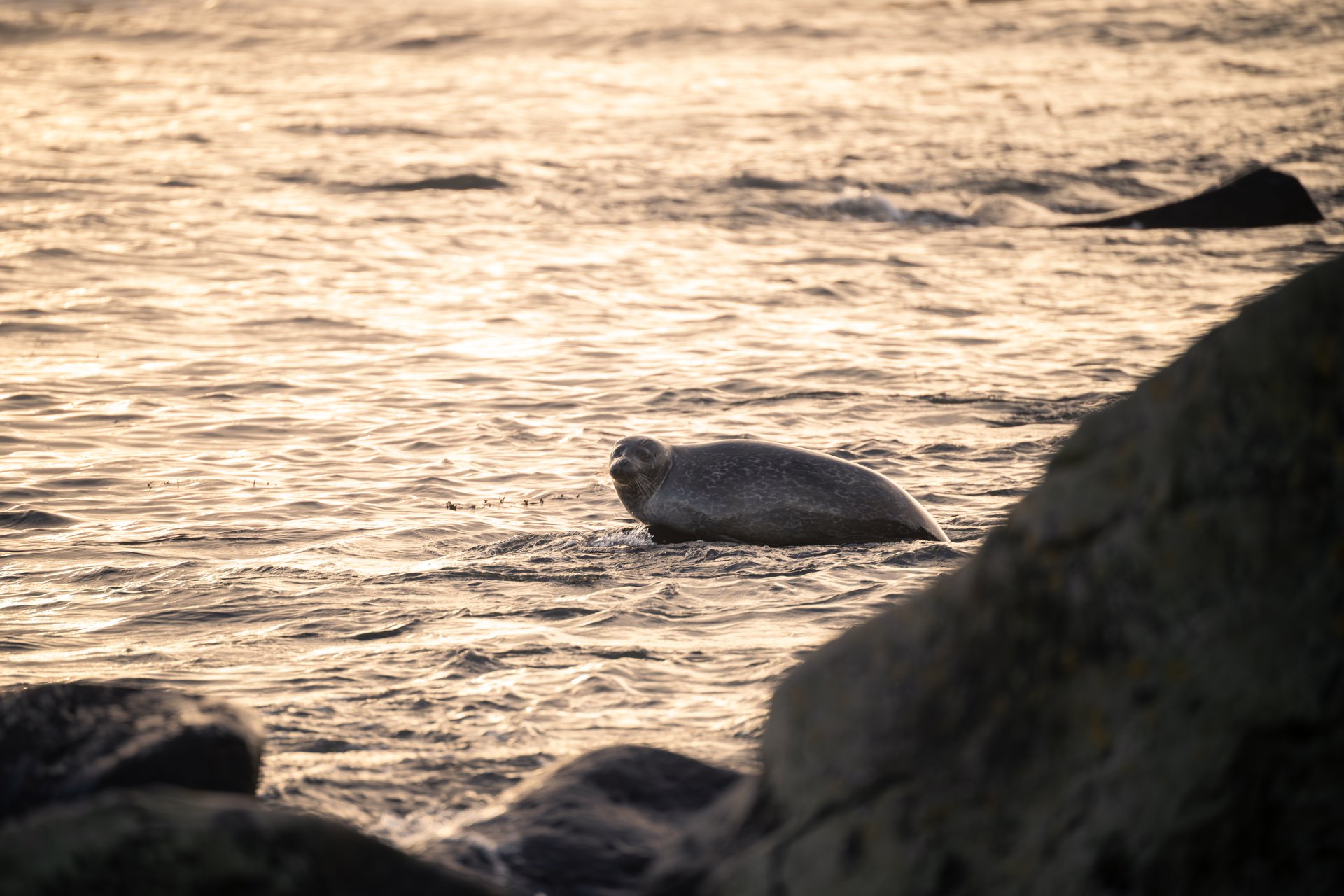
Ytri-Tunga beach provides one of Iceland’s most accessible seal colonies, where harbor and grey seals lounge on golden sand or play in the surf. The sheltered location and abundant food supply make this an ideal habitat for seals to rest and raise pups.
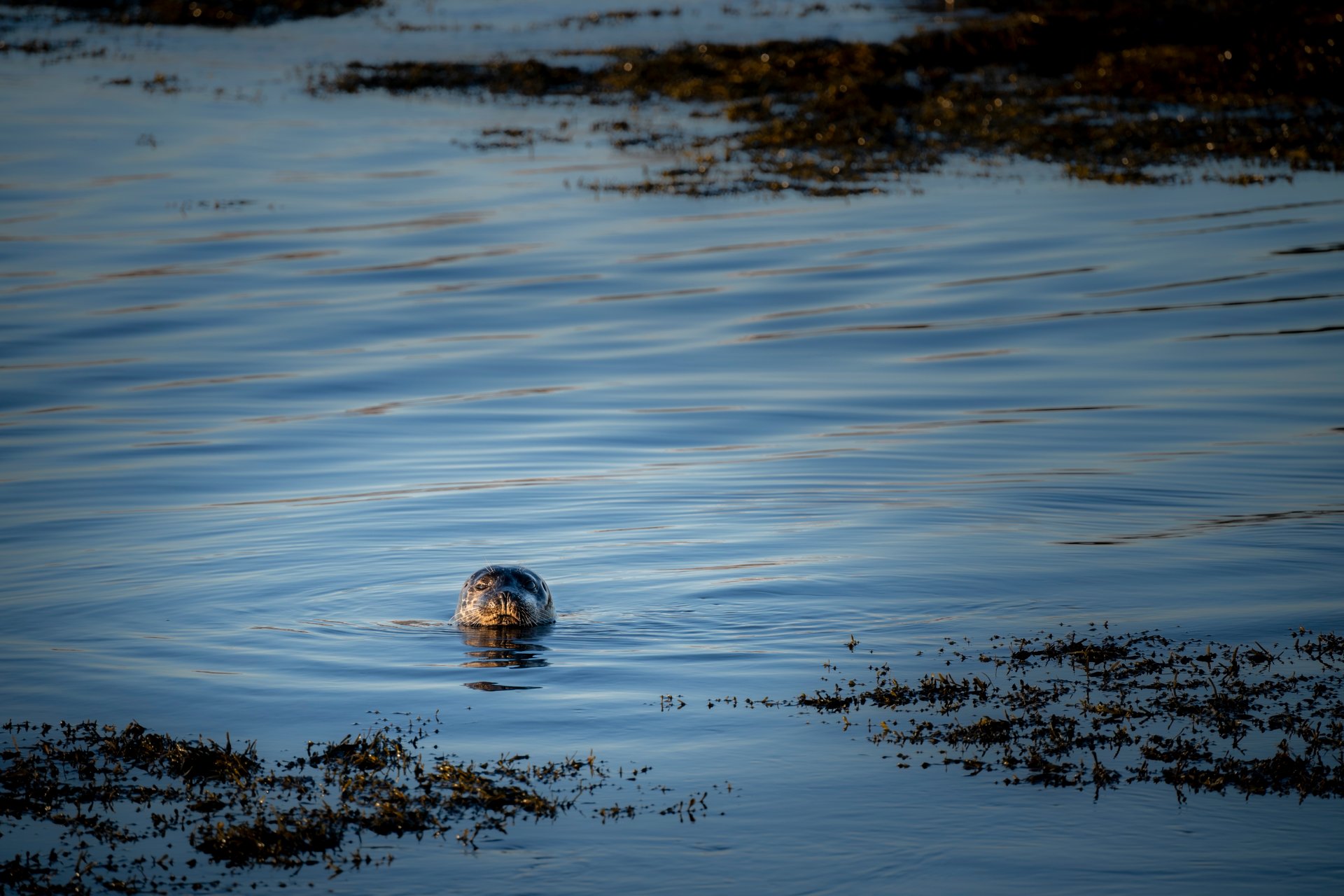
Visit during low tide when seals prefer to rest on exposed rocks and sand. Maintain respectful distance to avoid disturbing the animals, though seals often approach surprisingly close to shore out of curiosity. Bring telephoto lenses for photography while keeping safe distances.
The beach extends along the southern coast of the peninsula with views toward Snæfellsjökull. Early morning or late afternoon provides the best lighting for photography and often coincides with peak seal activity.
A Few Less Known and Less Visited Places
Gerðuberg Cliffs
Gerðuberg cliffs display some of Iceland’s most impressive columnar basalt formations, stretching nearly half a kilometer along the peninsula’s southern edge. These hexagonal columns reach up to 14 meters high, formed when lava cooled slowly and cracked into geometric patterns.
The cliffs sit close to Route 54, making them easily accessible with minimal walking from the parking area. The regular geometric patterns create striking visual effects, especially when photographed with people for scale. The formations rival more famous basalt columns elsewhere in Iceland but remain relatively uncrowded.
Rauðafellsgjá
Rauðafellsgjá canyon cuts through volcanic rock near Arnarstapi, creating a narrow gorge with red-hued walls. The canyon formed through erosion by a small stream flowing toward the ocean, exposing colorful mineral deposits in the rock layers.
A short walk from the main coastal path leads to the canyon rim, offering views into the narrow chasm. The red and orange tones contrast with surrounding black lava, creating unique photographic opportunities. Visit during midday when sun illuminates the canyon walls for the best colors.
Svöðufoss
Svöðufoss waterfall flows from the slopes of Snæfellsjökull, dropping approximately 10 meters over layered basalt columns. This small waterfall remains less visited than peninsula highlights, providing a quiet spot for photography and reflection.
The waterfall sits along Route 574 on the northern side of the peninsula. A short walk from the roadside parking leads to viewing positions below and beside the falls. The basalt columns behind the water create layered patterns typical of volcanic landscapes.
Saxhóll
Saxhóll crater offers an easy climb with rewarding panoramic views of the surrounding lava fields and coastline. This 100-meter-wide crater formed approximately 3,000-4,000 years ago during the same volcanic activity that created nearby lava fields.
Metal stairs climb the crater’s side to the rim, making the ascent accessible for most visitors. The 360-degree views from the top span Snæfellsjökull glacier, the coastline, and vast lava fields stretching in all directions. The short climb takes 10-15 minutes and provides excellent orientation for understanding the peninsula’s volcanic landscape.
Bjarnafoss
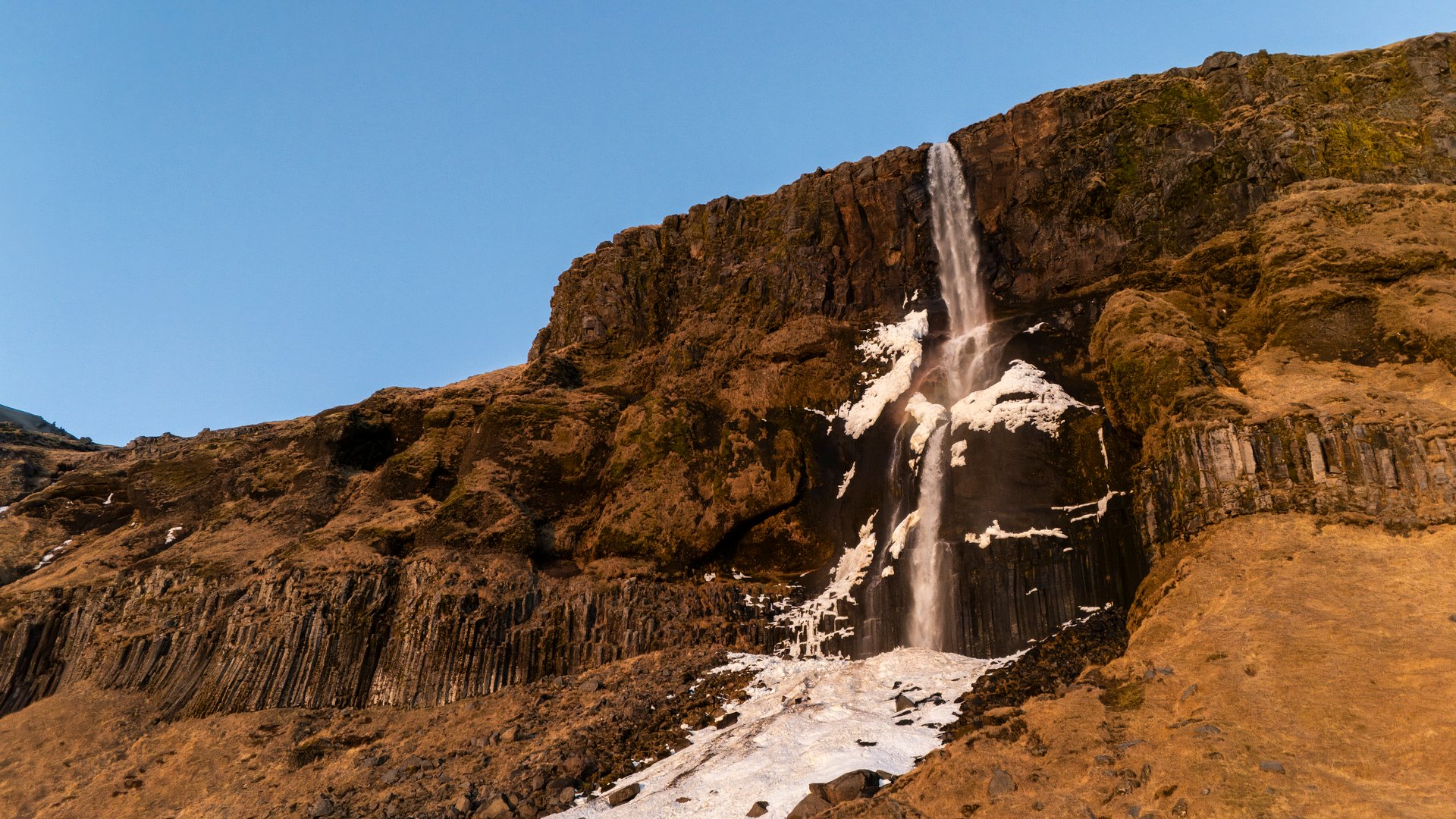
Bjarnafoss waterfall drops from the mountainside along the northern coast, creating a powerful cascade visible from Route 54. The waterfall runs with meltwater from higher elevations, flowing strongest during summer months and after rainfall.
A short walk from the parking area leads to viewing positions near the base. The waterfall’s power and the surrounding cliffs create an impressive atmosphere. The location remains less crowded than major peninsula attractions while delivering equally dramatic natural beauty.
Where to Eat?
Sker Restaurant
Sker restaurant in Hellissandur offers quality dining with focus on local ingredients and fresh seafood. The menu features traditional Icelandic preparations alongside international influences, served in a cozy atmosphere with views toward Snæfellsjökull.
Try the catch of the day, sourced from local fishing boats that supply many peninsula restaurants. The lamb dishes showcase Icelandic meat prepared with herbs and vegetables from regional farms. Prices reflect Iceland standards but quality justifies the cost.
Reservations help during summer months when the restaurant fills with tour groups and independent travelers. The restaurant also features a small bar serving local beers and wines.
Activities
Whale Watching in Ólafsvík
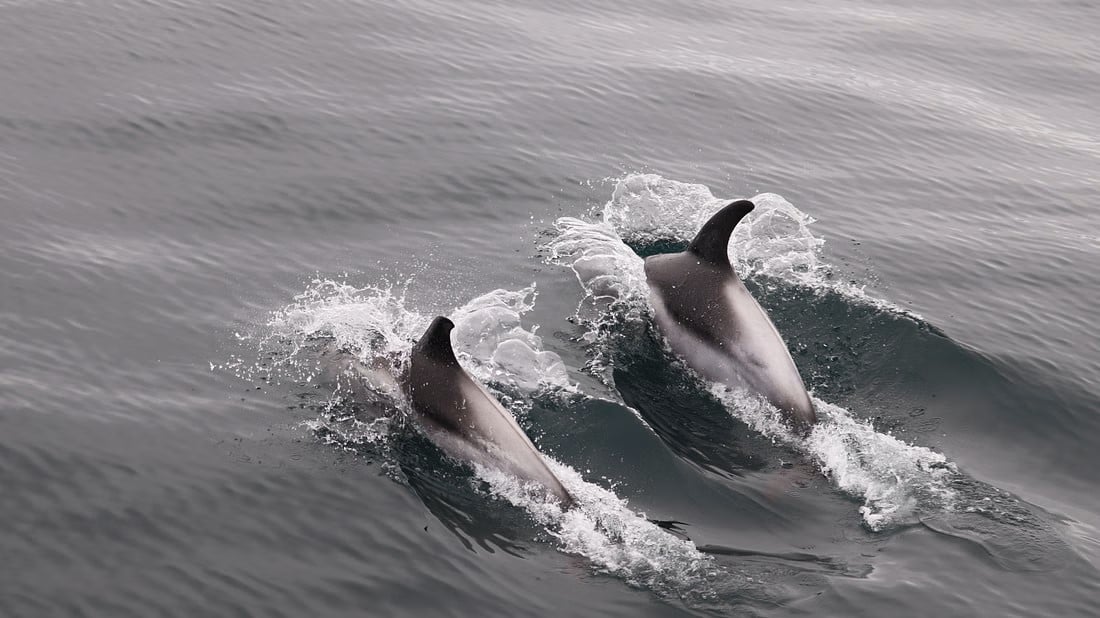
Whale watching tours depart from Ólafsvík harbor on the northern coast during summer months (typically April through October). The waters around Snæfellsnes attract orcas, humpback whales, minke whales, and dolphins drawn by rich feeding grounds.
Tours last 2-3 hours aboard traditional fishing boats or faster RIB vessels. Operators provide warm overalls and safety equipment, though bringing additional layers helps against wind and spray. Success rates for whale sightings remain high throughout the season, with multiple species often visible in a single tour.
The dramatic backdrop of Snæfellsjökull glacier and coastal cliffs creates exceptional photography opportunities even beyond marine wildlife. Early morning tours often encounter calmer seas and better lighting conditions.
The Shark Museum
The Shark Museum (Bjarnarhöfn Shark Museum) provides insight into Iceland’s traditional hákarl production, fermented shark meat that remains part of Icelandic food culture. The small museum explains the fermentation process and history of shark fishing in Iceland.
Visitors can sample hákarl alongside traditional brennivín schnapps, experiencing flavors that most foreigners find challenging. The ammonia smell and acquired taste make this a cultural experience rather than culinary pleasure for most visitors. The museum tour lasts about 30 minutes including tasting.
Located near the northern coast, the museum occupies a working farm that continues producing hákarl using traditional methods passed through generations. Love it or hate it, tasting hákarl provides authentic connection to Iceland’s fishing heritage and survival foods developed during harsh centuries.
Vatnshellir Lava Cave
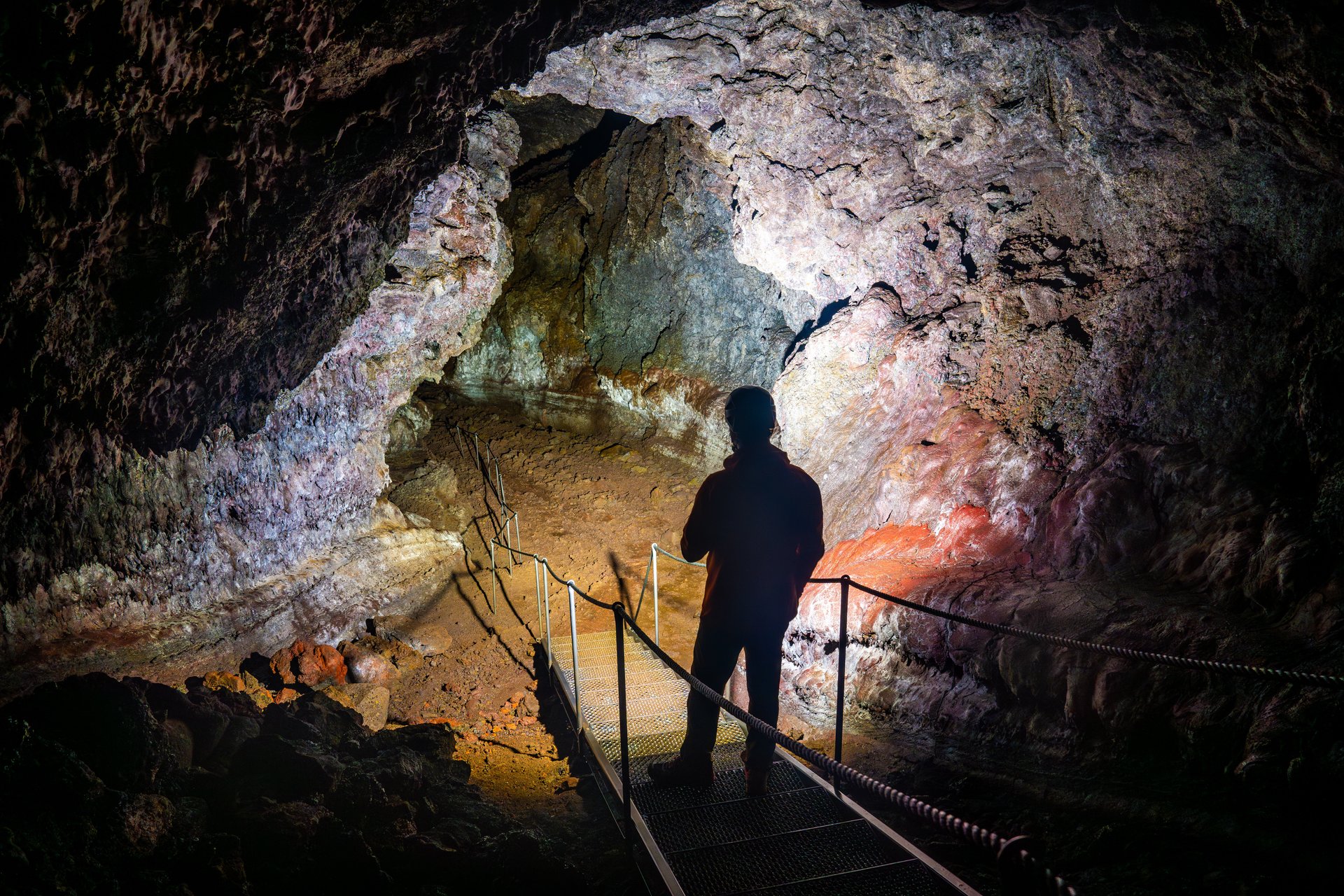
Vatnshellir lava cave tour takes visitors 35 meters underground into an 8,000-year-old lava tube. The 45-minute guided tour explores volcanic formations created when lava flowed beneath the hardened surface, leaving hollow tubes once the eruption ended.
The cave maintains constant temperatures of 2-4°C year-round, requiring warm clothing regardless of surface weather. Guides provide helmets with LED headlamps and explain geological processes that formed these underground chambers. The cave’s location beneath Snæfellsjökull glacier adds to its significance as the inspiration for Jules Verne’s novel.
Maximum group size of 19 people ensures an intimate experience. Tours operate year-round with consistent conditions, making this reliable regardless of season. The experience suits most fitness levels, though the spiral staircase descent requires basic mobility.
Best Hotels on the Peninsula
Hotel Búðir
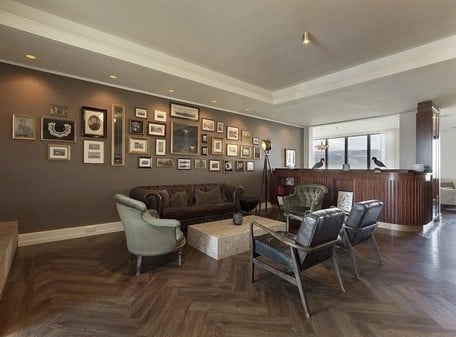
Hotel Búðir represents the peninsula’s most upscale accommodation, combining boutique character with exceptional location beside Búðakirkja black church. The property features elegant rooms with views across lava fields toward the ocean, an excellent restaurant focusing on Icelandic ingredients, and intimate service.
The hotel’s isolation creates a peaceful atmosphere perfect for Northern Lights viewing during winter months. The on-site restaurant serves multi-course dinners showcasing local lamb, seafood, and seasonal vegetables. Premium positioning means higher prices but exceptional quality justifies the investment for special occasions.
Book well ahead during summer as the 28 rooms fill quickly with travelers seeking upscale peninsula accommodation. Winter offers better availability and opportunities for aurora viewing from the property.
FossHotel Hellnar
FossHotel Hellnar provides comfortable accommodation near Arnarstapi with direct access to coastal walking paths. The property features modern rooms, an on-site restaurant, and panoramic windows showcasing Snæfellsjökull views.
The location makes this an excellent base for exploring the western peninsula and Snæfellsjökull National Park. The restaurant serves buffet breakfasts and dinner with focus on Icelandic cuisine and fresh ingredients. Prices reflect mid-range positioning between budget guesthouses and luxury properties.
The hotel caters primarily to tour groups and independent travelers, creating a social atmosphere in common areas. Rooms toward the back offer quieter stays away from main reception activity.
Looking for a Tour?
Our Private Tours to Snæfellsnes
- Day tour: Private Snæfellsnes Peninsula Tour covers the main highlights in 11 hours from Reykjavík, visiting Kirkjufell, Snæfellsjökull, coastal cliffs, and fishing villages with fully customizable itinerary
- Multiday tour: 2-Day West Iceland & Silver Circle combines Snæfellsnes with Silver Circle attractions including Hraunfossar waterfalls, Deildartunguhver hot spring, and glacier experiences, with premium accommodation included
Both tours include expert local guides, comfortable transportation, hotel pickup in Reykjavík, and flexible schedules adapting to your interests.
Small Group Tours
Iceland for You offers two small group tours:
- Snæfellsnes Peninsula and Lava Cave - Full-day tour combining main peninsula highlights with Vatnshellir cave exploration
- Snæfellsnes Peninsula Small Group Tour - Classic peninsula tour visiting Kirkjufell, Arnarstapi, Djúpalónssandur, and more
Conclusion
The Snæfellsnes Peninsula delivers Iceland’s diverse landscapes in one accessible region, earning its nickname “Iceland in Miniature.” From the mystical Snæfellsjökull glacier-capped volcano to dramatic coastal cliffs, black sand beaches, and charming fishing villages, the peninsula concentrates natural wonders without the crowds found at more famous locations.
Plan at least a full day to cover main sites without rushing, or extend to two days for including activities like Vatnshellir cave tours, whale watching, and geothermal relaxation. Summer provides long daylight and whale watching opportunities, while winter offers Northern Lights viewing and dramatic storm-enhanced landscapes.
Whether you choose a private Snæfellsnes tour with customized itinerary, join a small group adventure, or drive yourself, the peninsula delivers authentic Icelandic experiences away from mass tourism. Start early to photograph Kirkjufell without crowds, allow flexibility for weather changes, and embrace the mystical atmosphere that inspired centuries of sagas and Jules Verne’s imagination.