Reynisfjara, Iceland’s most famous black sand beach, has been making headlines in February 2026. A massive landslide beneath Reynisfjall mountain, combined with unprecedented coastal erosion, has dramatically reshaped the shoreline. If you are planning a trip to Iceland’s South Coast, here is everything you need to know about Reynisfjara beach in 2026.
What Is Reynisfjara?
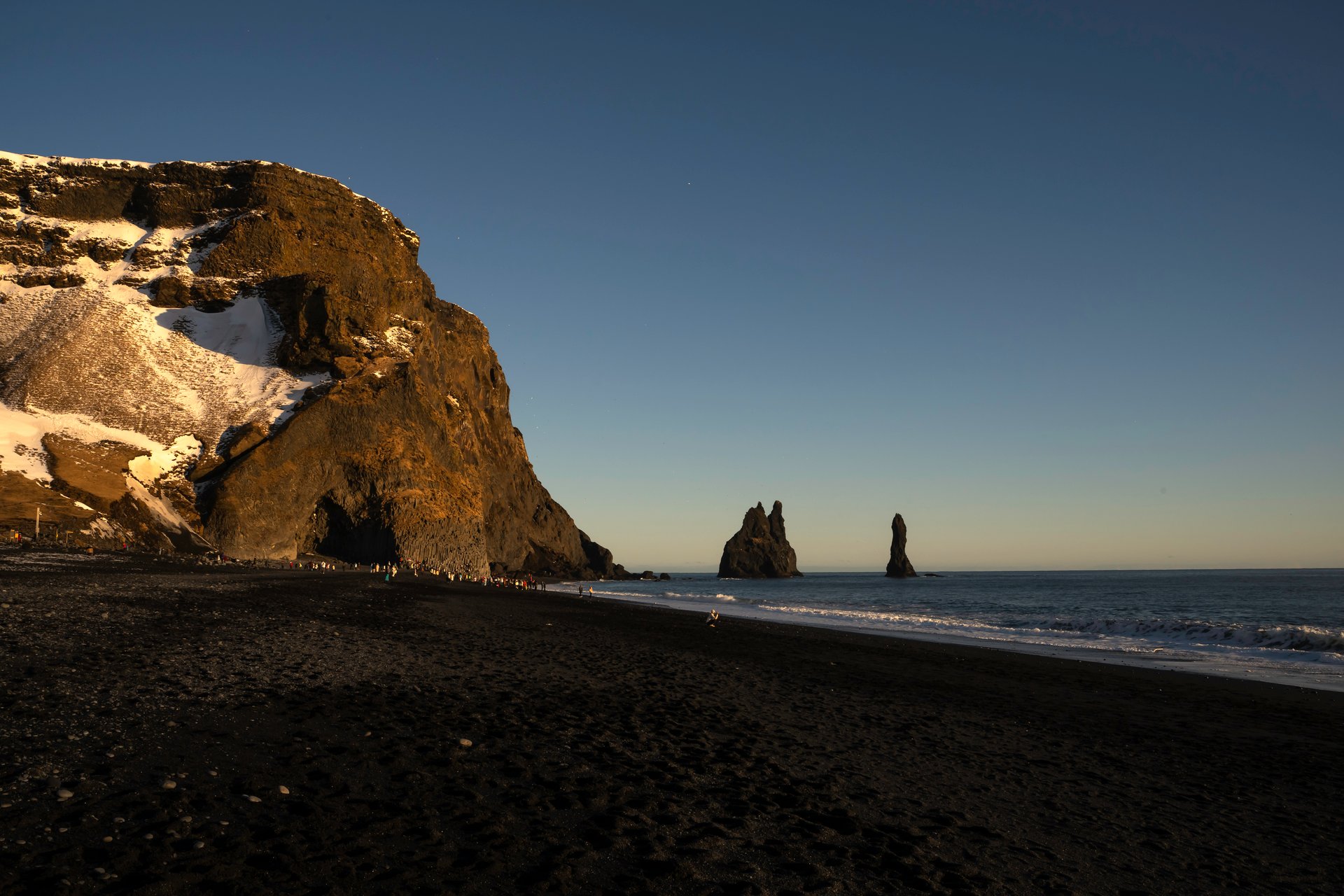
Reynisfjara is a volcanic black sand beach located near the village of Vík í Mýrdal on Iceland’s South Coast, roughly 180 kilometers from Reykjavík. It is part of the Katla UNESCO Global Geopark and sits on privately owned farmland.
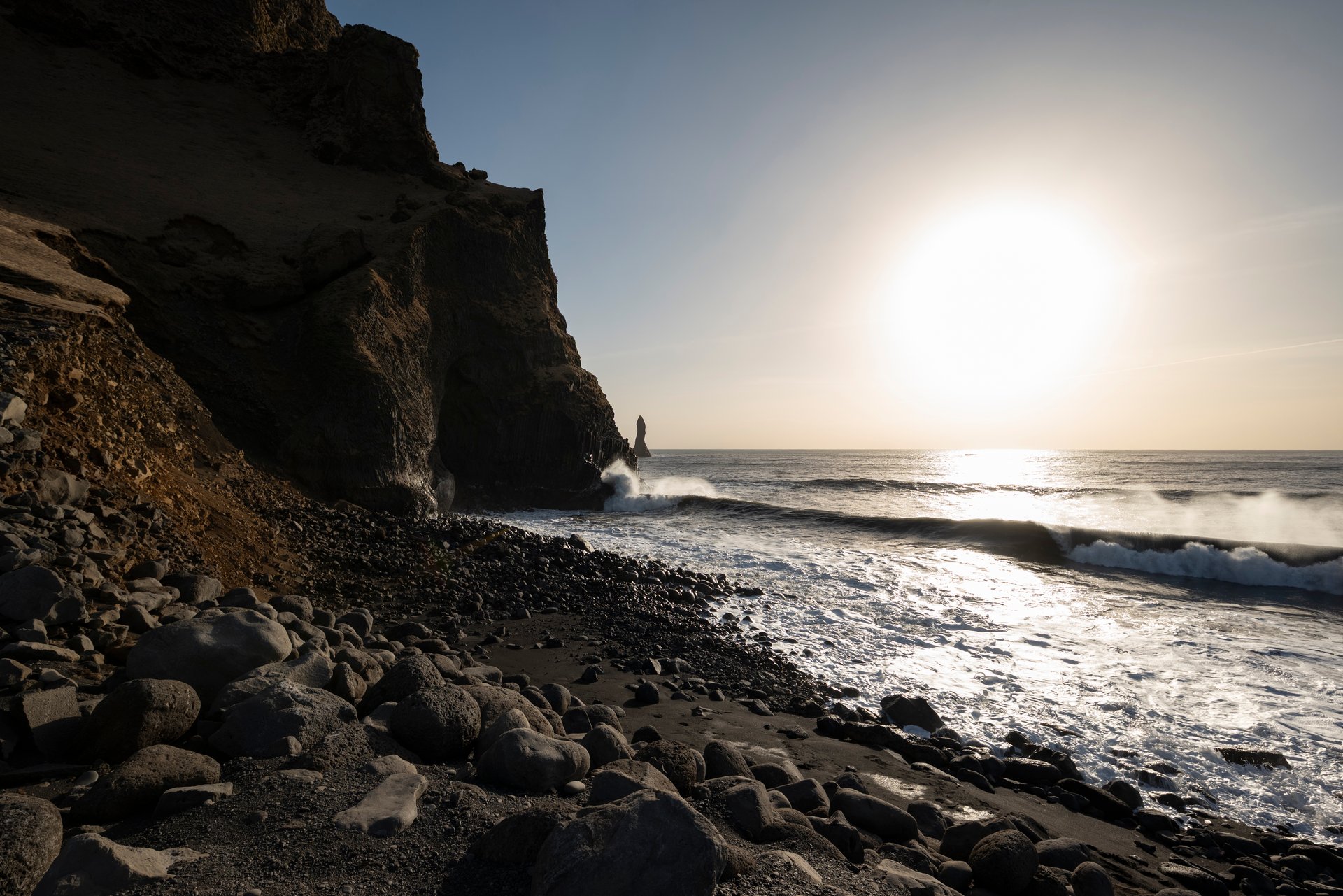
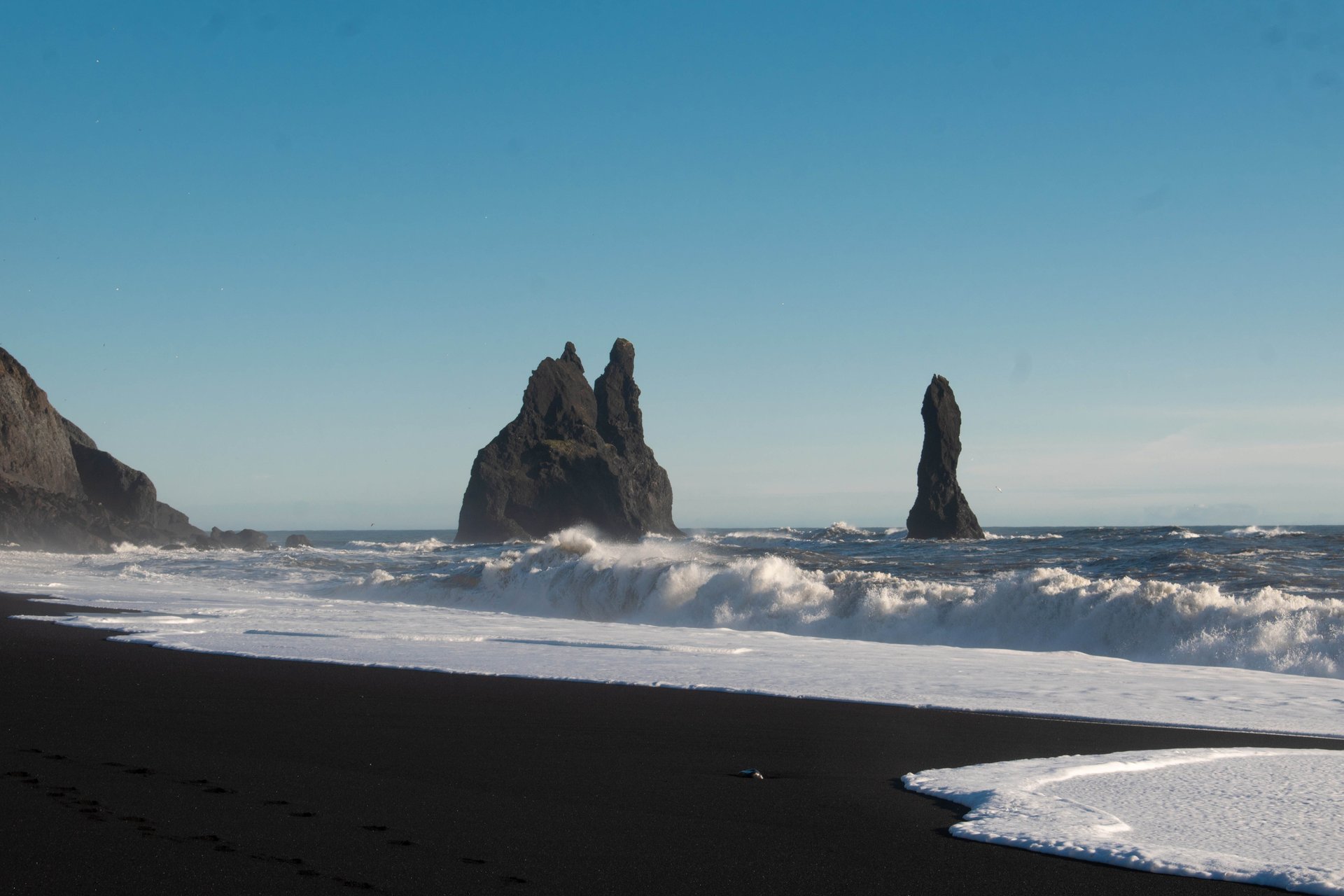
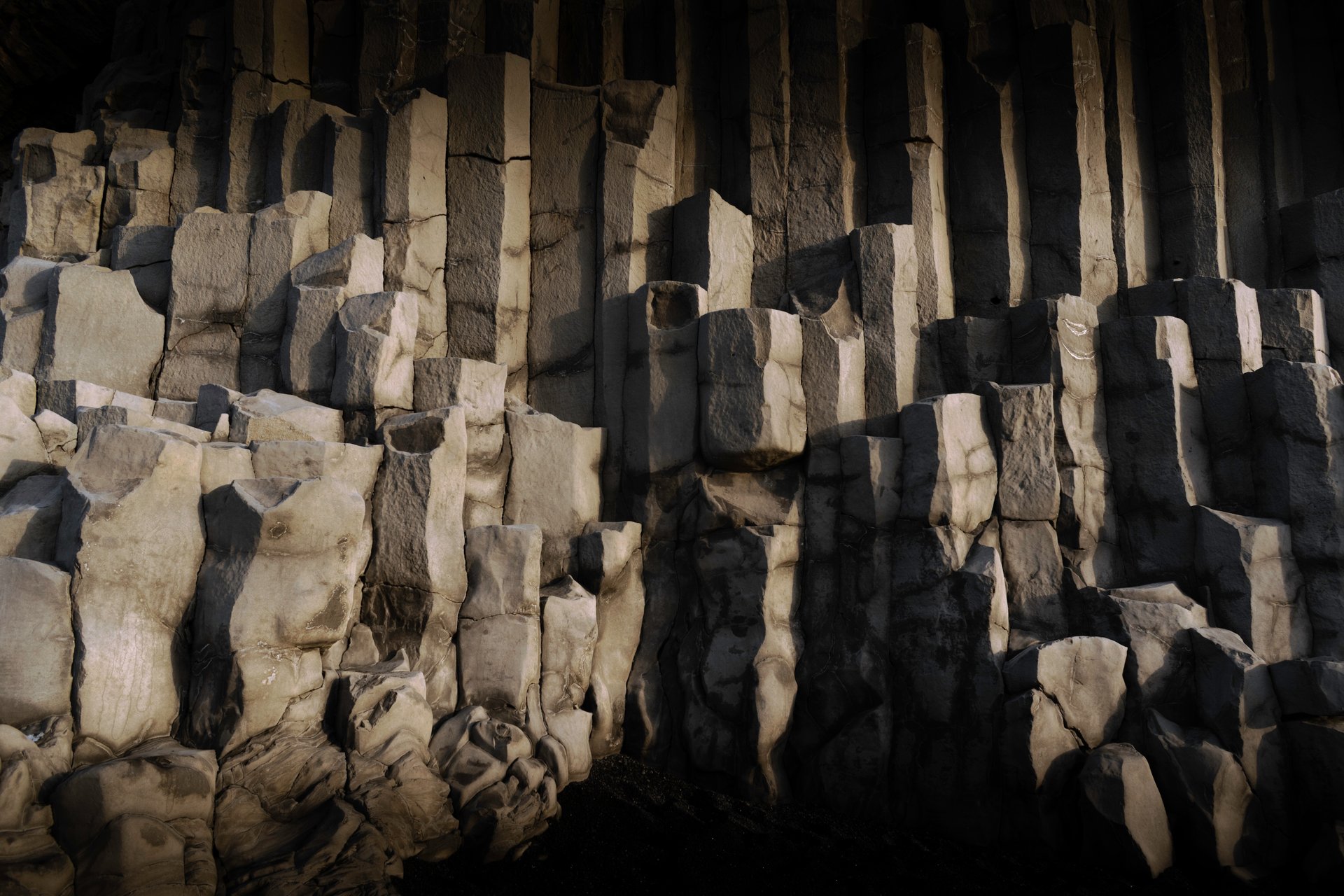
The beach is renowned for its basalt column formations inside the Hálsanefshellir cave, the towering Reynisdrangar sea stacks rising from the ocean, and the raw power of the North Atlantic crashing onto jet-black sand. It has been featured in countless films and TV shows, most notably as a Game of Thrones filming location.
A Beautiful but Dangerous Place
Reynisfjara has always demanded respect. The beach is notorious for its sneaker waves, powerful surges that rush far inland without warning. The ocean floor drops off steeply, allowing waves to retain enormous energy until they hit the shore. Over the years, these waves have claimed lives and injured many visitors who underestimated the danger.
Safety signs, warning lights, and a viewing platform have been installed by the local landowners, but the fundamental rule at Reynisfjara has never changed: never turn your back on the ocean.
What Happened in February 2026
In the first two weeks of February 2026, Reynisfjara underwent a dramatic transformation due to a combination of a major landslide and severe coastal erosion.
The Landslide
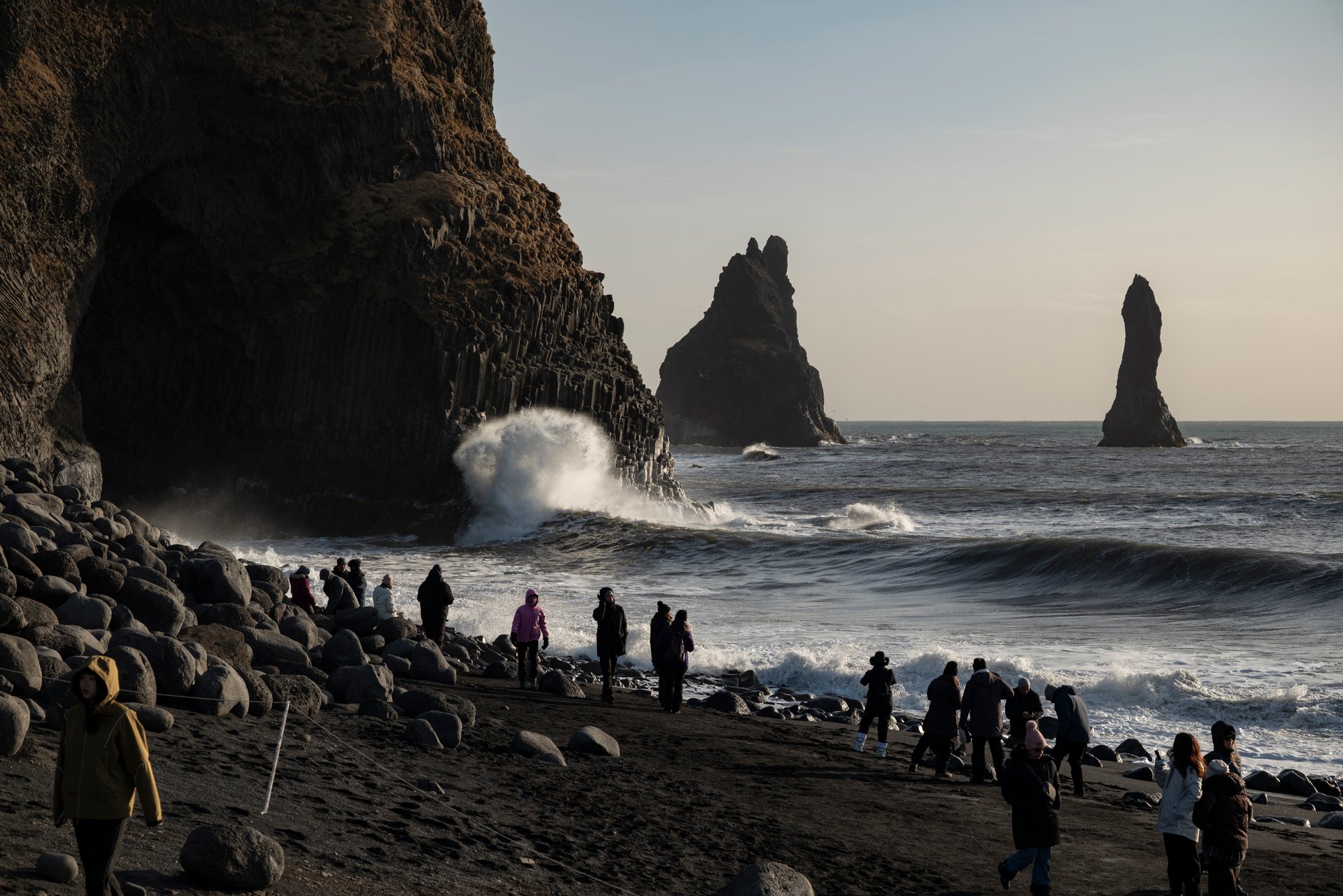
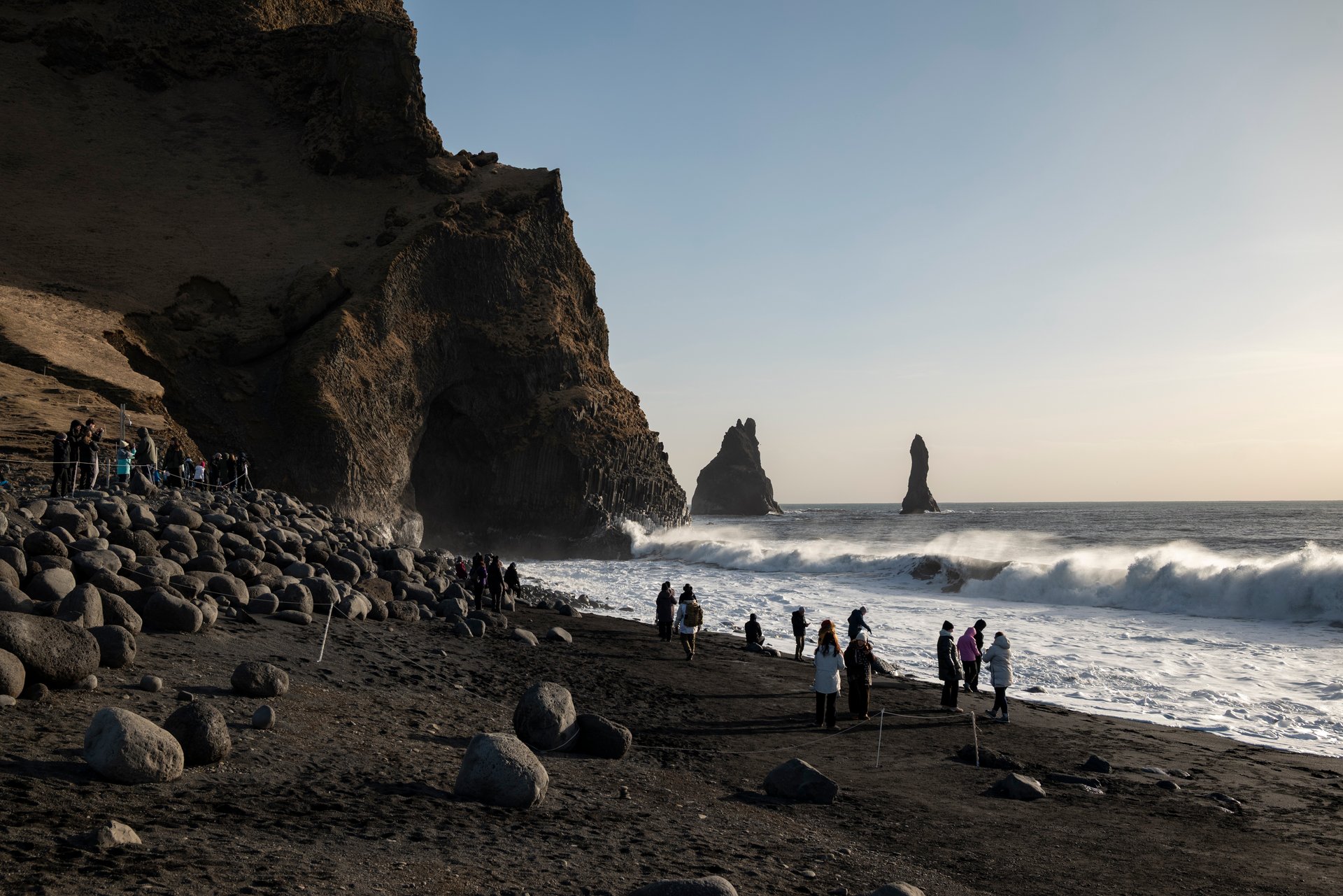
A large section of the slope beneath Reynisfjall mountain collapsed, sending rocks and debris all the way down to the beach, reaching the warning signs near the shoreline. The surf was powerful enough to toss boulders weighing one to two tons as if they were pebbles.
The Erosion
Simultaneously, an extraordinary volume of black sand was swept away by the sea. The cause was an unusual weather pattern. Throughout the winter of 2025–2026, persistent easterly winds dominated instead of the typical south-westerly prevailing winds.
Normally, south-westerly winds carry sand eastward along the coast, replenishing Reynisfjara. This winter, low-pressure systems tracked far south of Iceland, generating sustained easterlies that transported sand in the opposite direction, towards the west. Because Reynisfjall mountain juts out into the sea, it blocks any sand coming from the east, leaving Reynisfjara without its usual replenishment.
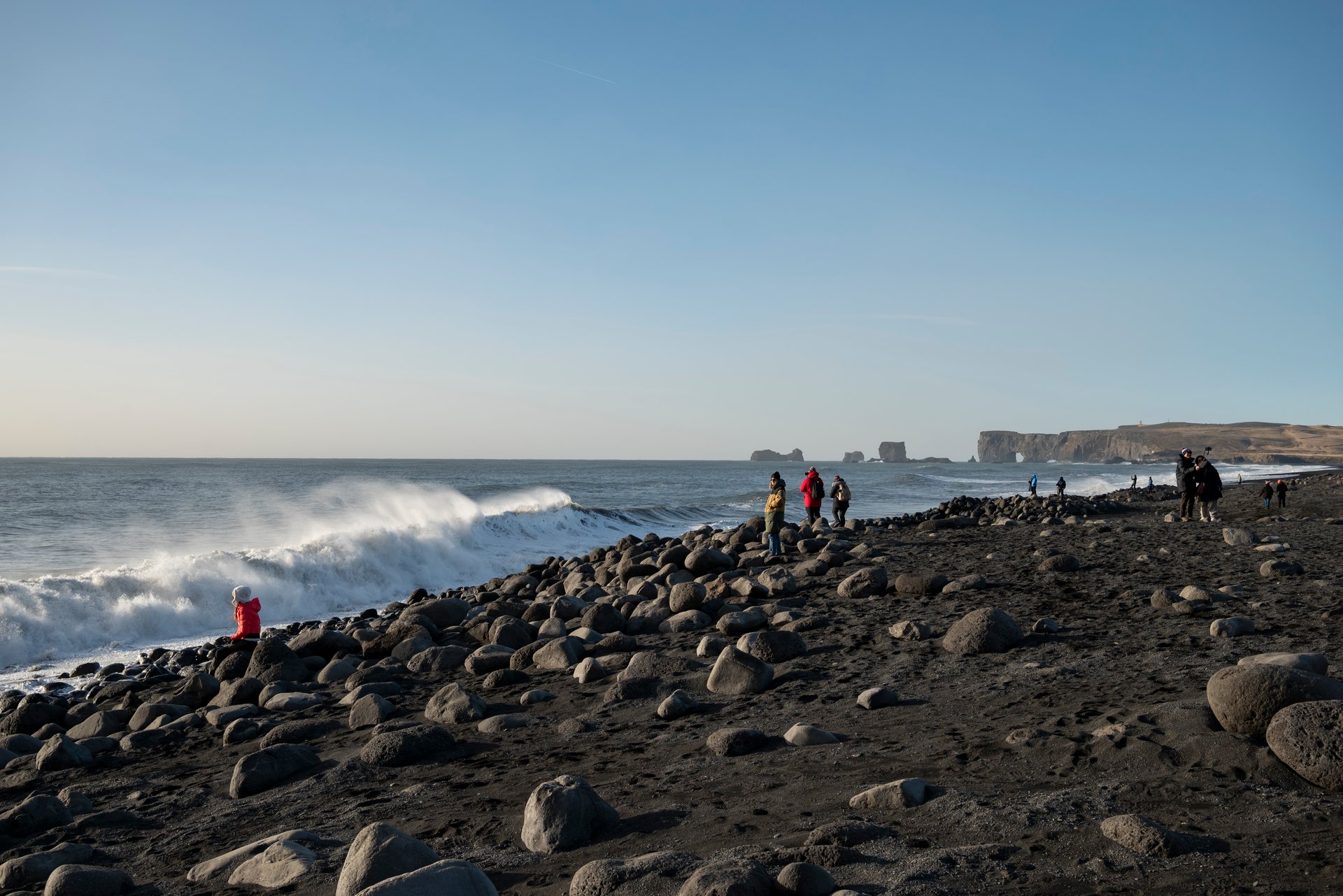
The result is striking. Areas that were wide, walkable stretches of black sand just months ago are now steep erosion banks or underwater. Local landowners, who have farmed this land for generations, say they have never witnessed erosion on this scale.
The Response
The landowners, a seventh-generation farming family, immediately took action. Using heavy machinery, they gathered basalt rocks thrown onto the beach by the surf and used them to build protective barriers around the viewing platform and parking area. Revenue from the service fee introduced at the end of 2023 is being directed toward new signage, safety equipment, and infrastructure repairs planned for spring 2026.
At a national level, Iceland’s Minister of Industries has signaled that new legislation may be introduced to address safety at popular tourist sites, with Reynisfjara specifically mentioned.
What Is Left to See at Reynisfjara
Reynisfjara has changed, but it has not disappeared. The beach remains a visually powerful destination, though the experience differs from what it was before.
What You Can Still See
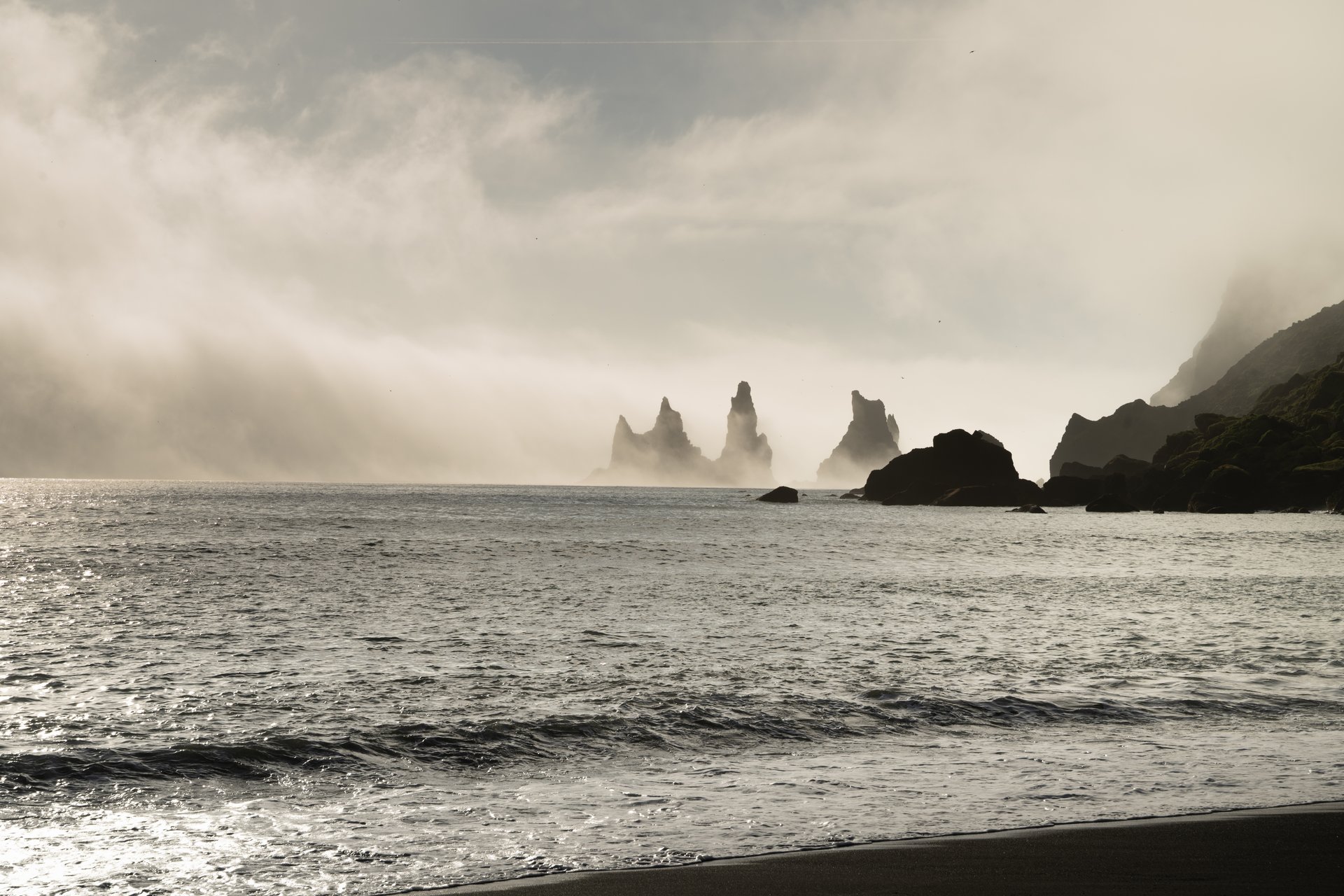
The Reynisdrangar sea stacks still rise from the ocean. These iconic rock formations, said to be petrified trolls in Icelandic folklore, are completely unaffected by the erosion.
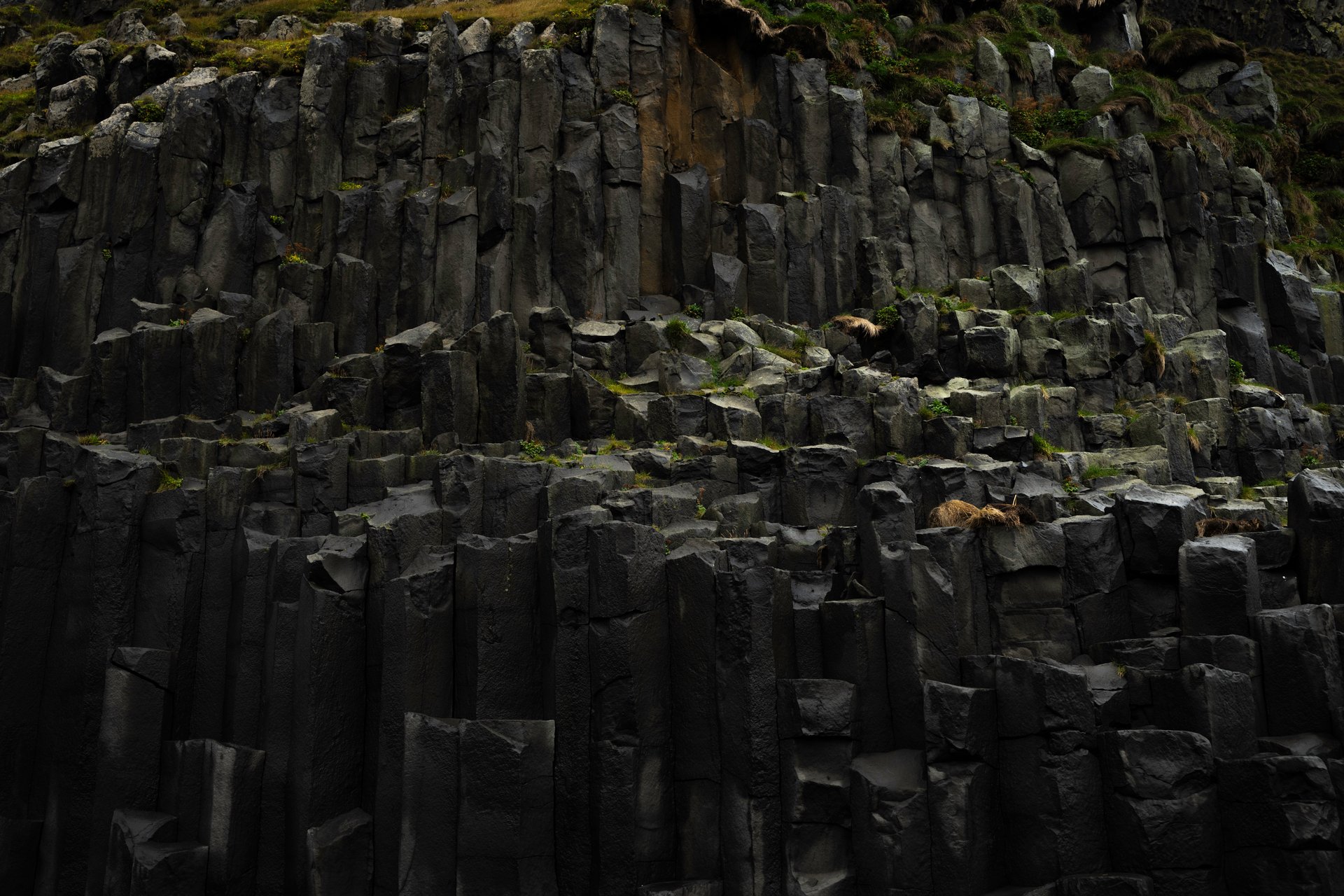
The basalt columns are still intact. However, they now sit much closer to (or even within) the surf during high tide. Walking up to them as visitors used to is currently not possible in most conditions.
The dramatic contrast of black volcanic rock against the white foam of the Atlantic remains as spectacular as ever, arguably even more dramatic given the raw, freshly exposed terrain.
What Has Changed
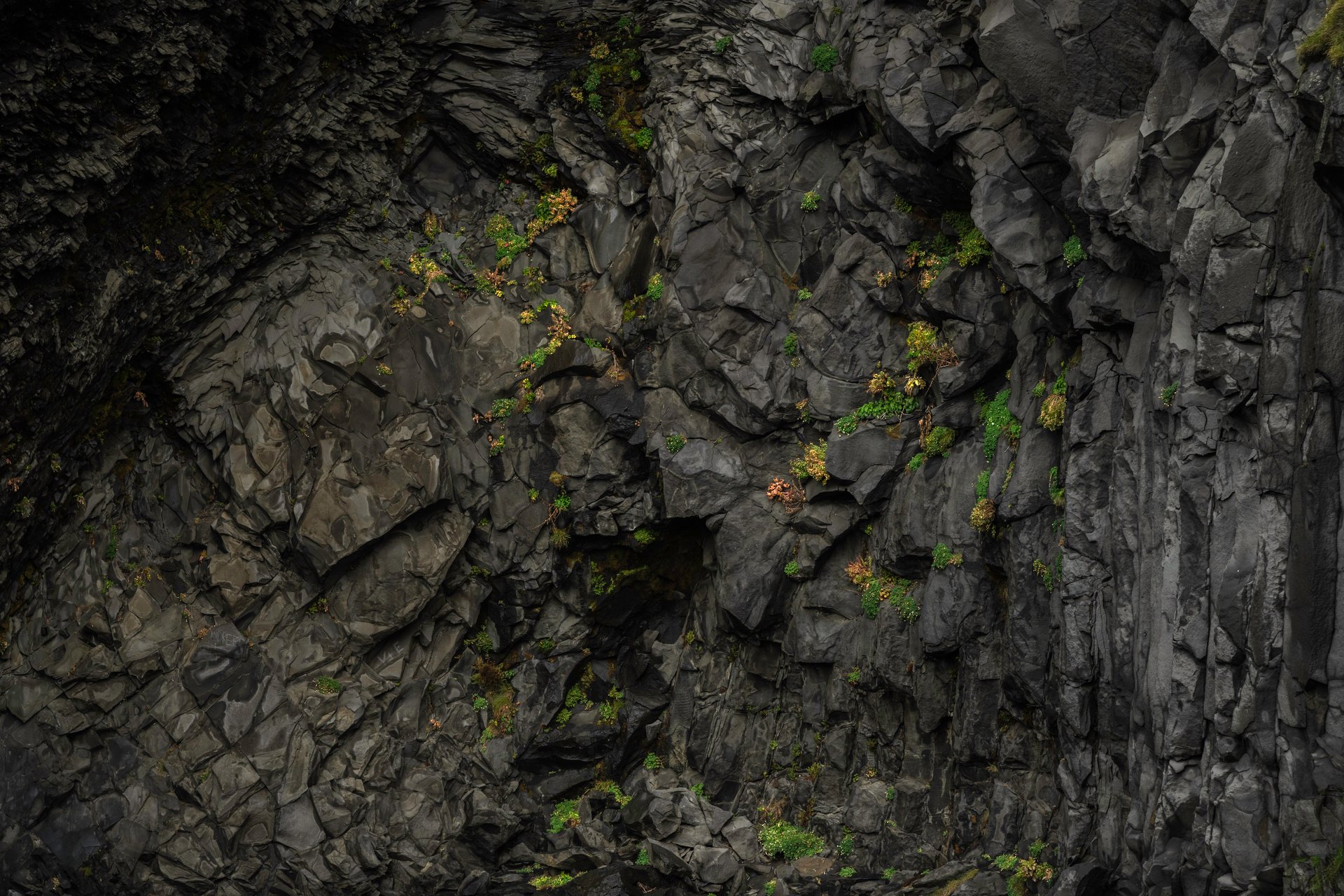
The Hálsanefshellir cave is currently cut off by the sea. Following a fatal incident in late 2025 and the subsequent erosion, the cave area is closed during all Red Warning conditions and is largely inaccessible.
Access to the beach itself is restricted. Visitors are currently directed to the upper viewing platforms rather than walking down to the waterline. The flat “buffer zone” of sand that once gave visitors a runway to retreat from sneaker waves is gone, making proximity to the water significantly more dangerous.
The parking lot is open, but erosion has reached dangerously close to it. Reinforcement work is ongoing.
Will the Sand Come Back?
Experts believe it could, at least partially. If wind patterns shift back to the prevailing south-westerlies for a sustained period, sand could gradually redeposit along the beach. However, the landslide debris, has altered the shoreline’s profile in ways that are unlikely to reverse. It all depends on future wind and wave patterns.
Important Safety Advice
Before visiting Reynisfjara, always check the real-time hazard level on the SafeTravel Iceland Black Beach safety page. Conditions can change by the hour. Follow all signage and respect any closures, even if other visitors around you do not.
Is There an Alternative Black Sand Beach?
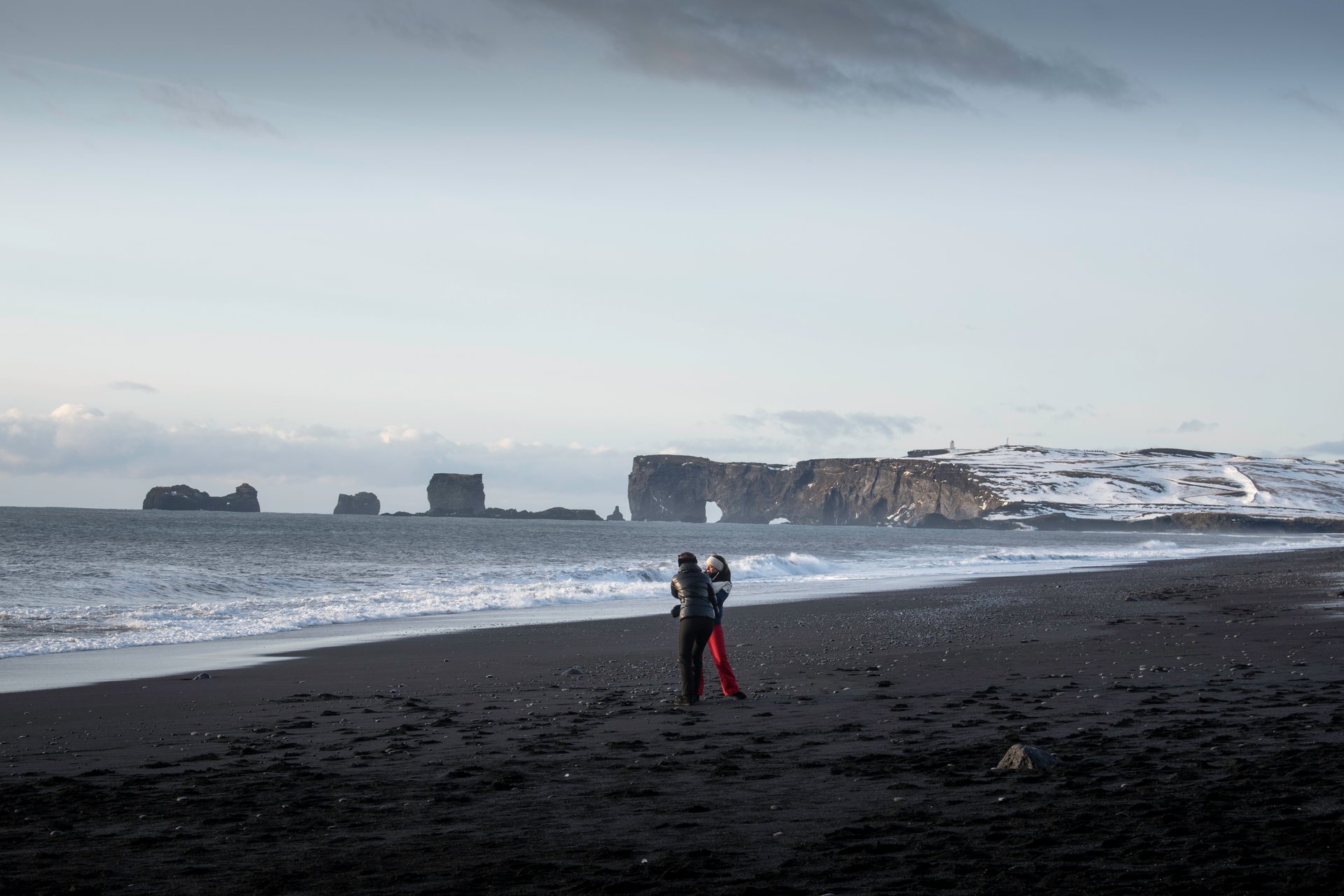
Yes. Just on the other side of Reynisfjall mountain, closer to Vík, there is another black sand beach called Víkurfjara that is often overlooked by visitors. This beach offers a wide, open stretch of volcanic sand with views of the Reynisdrangar sea stacks from a different angle. It tends to be far less crowded than Reynisfjara and provides a more peaceful experience.
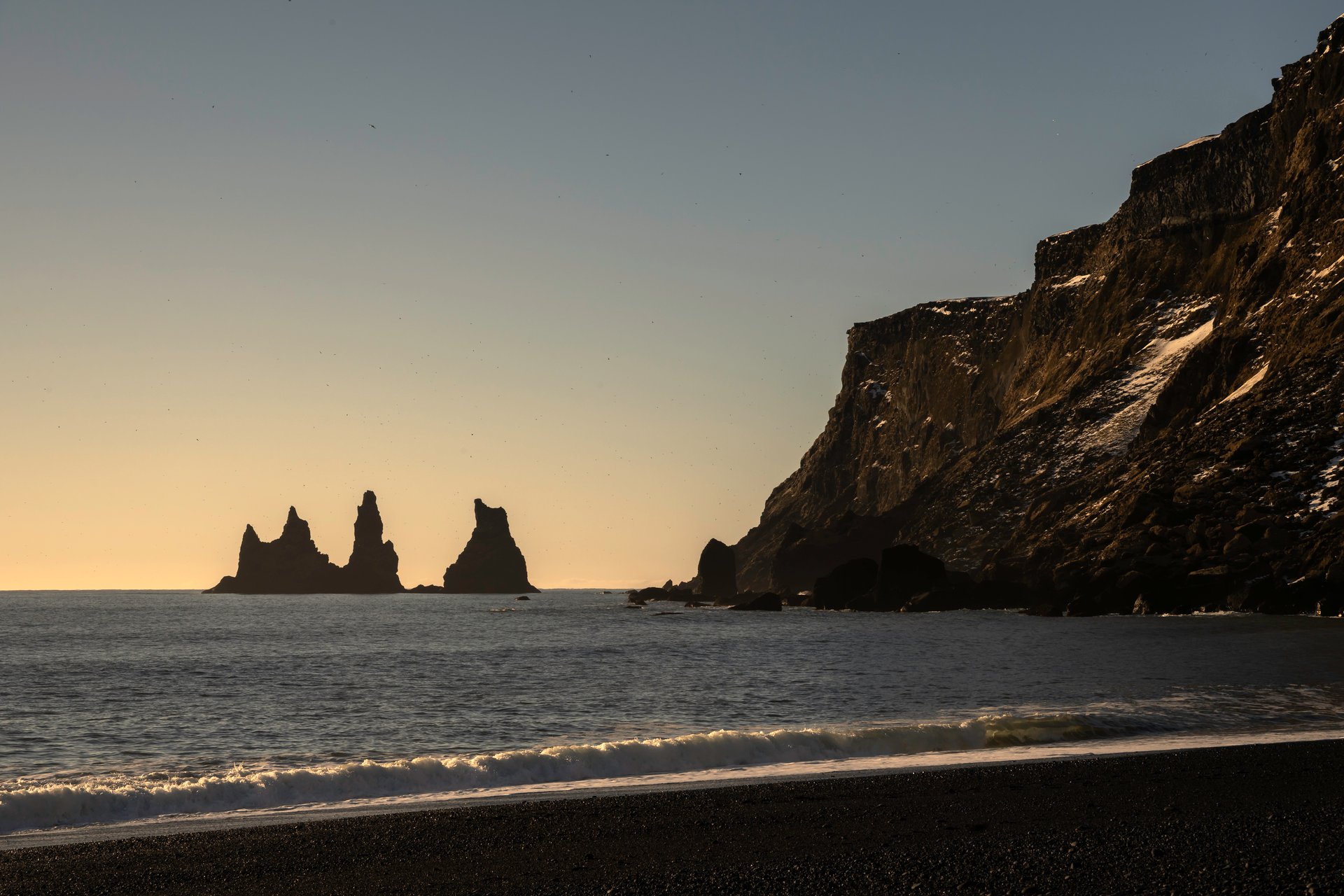
While it does not have the basalt columns or the cave, it gives visitors the full black sand beach experience with the dramatic backdrop of Vík’s cliffs and the same powerful Atlantic waves. Your guide will know whether conditions make this a better option on the day of your visit — one of the many advantages of traveling with a local expert rather than following a fixed self-drive itinerary.
A Change for the Better?
It is easy to look at the headlines and feel like Reynisfjara has been lost. But take a step back, and there is another way to see what happened.
For years, the Hálsanefshellir cave drew visitors dangerously close to the most treacherous part of the beach. People would wander deep into the cave, unaware that a single sneaker wave could trap them against the rock. Tragically, it did. With the cave now cut off by the sea, that particular danger is essentially gone.
The restricted access has also changed the atmosphere. Fewer people venture past the viewing platforms, meaning those who do visit Reynisfjara today are met with something that had become increasingly rare: a sense of solitude. No crowds jostling for the same photo in front of the basalt columns. No lines of tourists shuffling into the cave. Just the ocean, the cliffs, the sea stacks, and the raw, unfiltered power of the North Atlantic.
In a way, Reynisfjara has returned to what it always was before mass tourism arrived: a wild, untamed edge of the world. And that might be exactly what made it so special in the first place.
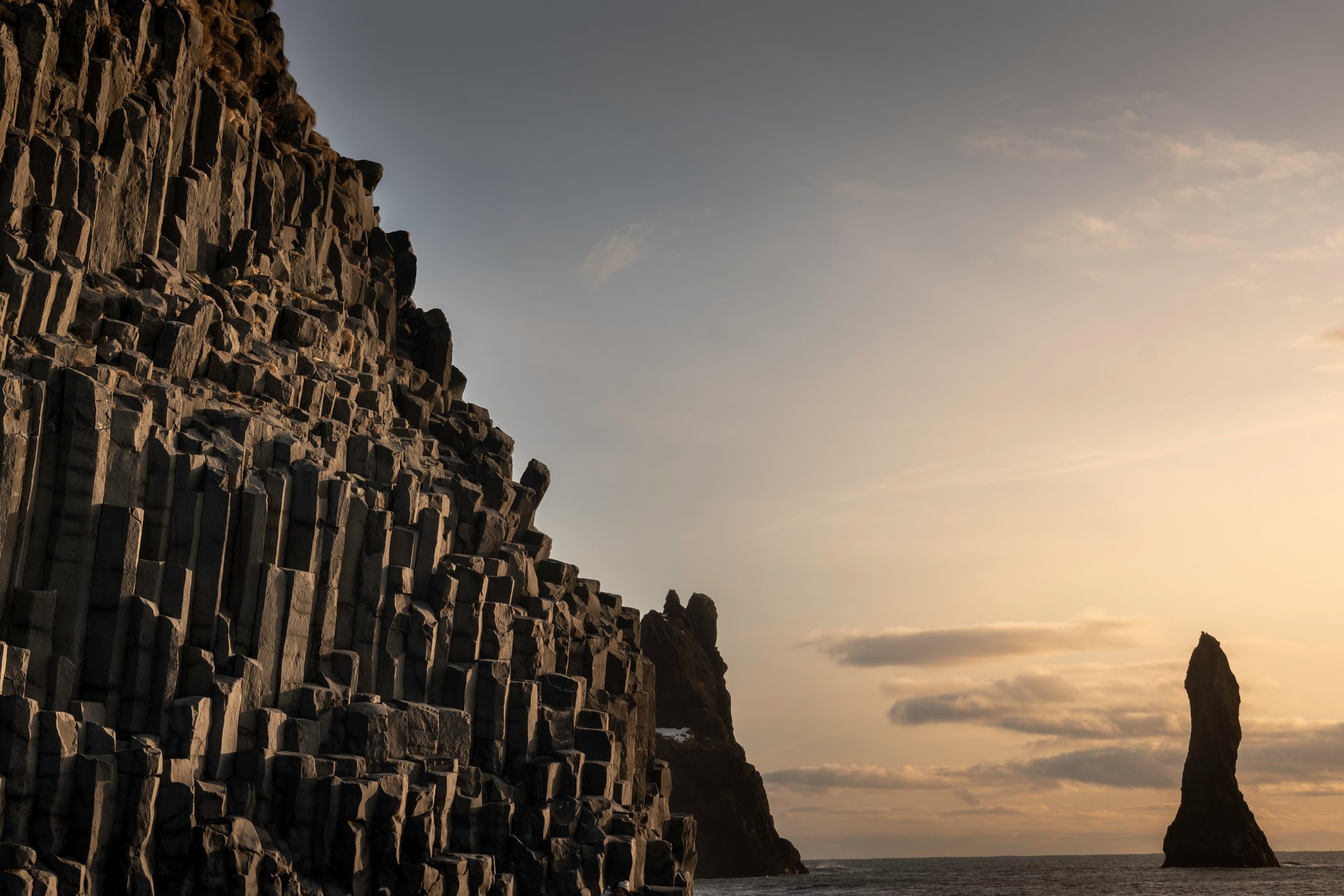
Nature reshaped this beach. It did not ruin it.
Discover Reynisfjara on a Private Tour with Lilja Tours
Reynisfjara is a highlight of virtually every South Coast itinerary, and having a knowledgeable local guide by your side makes all the difference, especially now. Our guides monitor conditions daily, adapt the itinerary in real time, and know exactly where to take you for the best and safest experience.
Our Day Tours That Visit Reynisfjara
-
South Coast Complete Adventure — A comprehensive 9-hour journey covering Seljalandsfoss, Skógafoss, Sólheimajökull glacier, Dýrhólaey, and Reynisfjara.
-
South Coast and Glacier Hike — All the iconic South Coast waterfalls and Reynisfjara, plus a guided glacier hike on Sólheimajökull.
Our Multiday Tours That Include Reynisfjara
-
2-Day South Coast Adventure — Extends the South Coast experience over two days, reaching the glacier lagoons further east with optional glacier hiking and the Lava Show in Vík.
-
Any of our custom Ring Road itineraries will include a stop at Reynisfjara. Get in touch and we will design the perfect trip for you.
Last updated: February 2026. Conditions at Reynisfjara are evolving. We will keep this article updated as the situation develops.