Winter or summer in Iceland? This is one of the most common questions travelers ask when planning their trip. Both seasons offer completely different experiences, and choosing the right time depends on what you want to see and do. In this guide, we break down how the seasons differ and help you decide when to book your private tour in Iceland.
What Exactly Are “Winter” and “Summer” in Iceland?
First, let’s define what we actually mean by winter and summer. In Iceland, we essentially recognize only two seasons. While the winter solstice falls on December 21st and the summer solstice on June 21st, the practical reality differs from astronomical definitions.
The Old Norse Calendar
Historically, the old Norse calendar placed the first day of summer on the Thursday between April 19th and 25th. In Iceland, this remains a traditional holiday. Local folklore states that bad weather on this day promises a good summer ahead, while sunshine and beautiful weather predicts a poor summer to come.
According to the same calendar, the first day of winter falls on the Saturday between October 21st and 27th. Unlike the first summer day, it goes largely uncelebrated.
The Seasonal Reality
Iceland’s weather remains notoriously unpredictable. No two winters are the same, and no two summers either. However, broad patterns emerge that help define the seasons based on experience rather than folklore or astronomy.
Winter effectively runs from late September to late April. Summer spans from early June to late September. This is no exact science, just a very personal perception based on years of guiding visitors.
But what about May? May is a wild card. You never know what you’ll get. I’ve driven through some of the fiercest blizzards I’ve ever seen in May. I’ve also experienced the warmest days I’ve ever known in May, desperately seeking shade from the scorching sun. Once, during a very pleasant, mildly warm May with weeks of beautiful weather, I woke up to a blanket of snow and freezing temperatures for what turned out to be a full-blast 24-hour winter.
So in my personal opinion, May is not winter, May is not summer. May is just… May.
Why You Should Visit Iceland in Winter
Winter Wonderland Landscapes
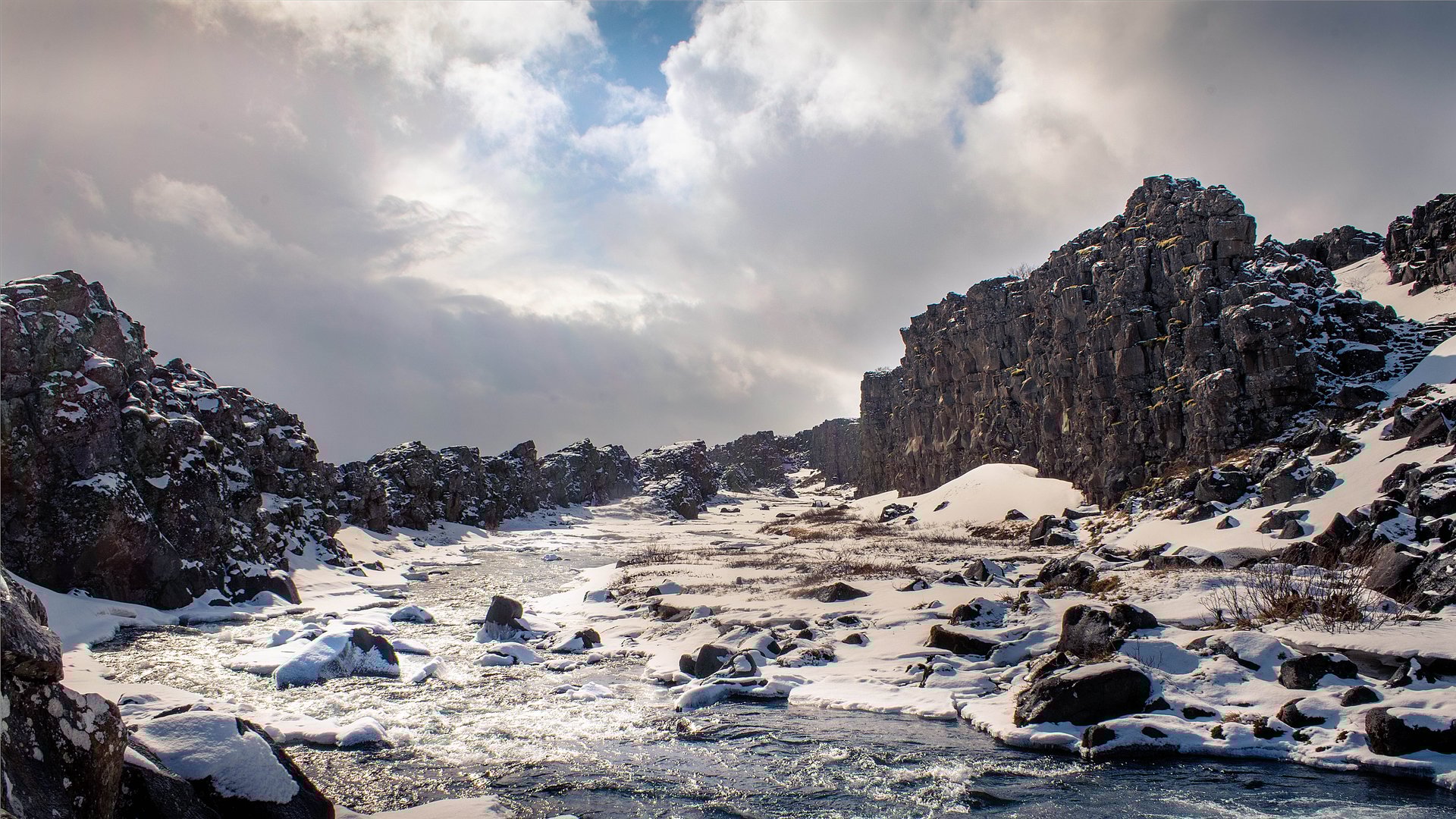
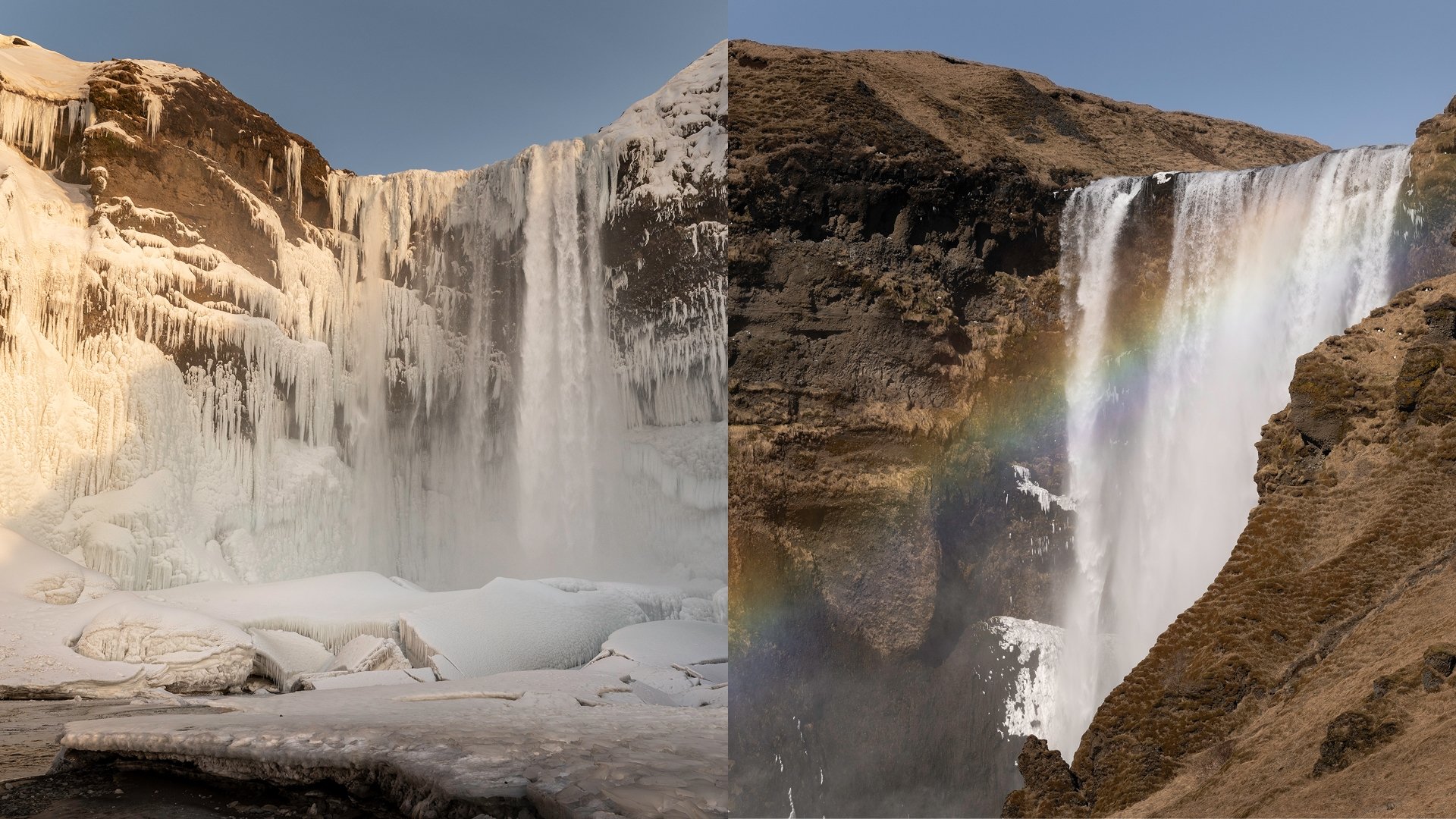
Iceland transforms into a magical frozen realm during winter. Snow-capped mountains, frozen waterfalls, and ice-covered landscapes create scenes straight from a fairy tale. The contrast between white snow, black volcanic sand, and dramatic rock formations produces some of the most striking scenery on Earth.
Northern Lights
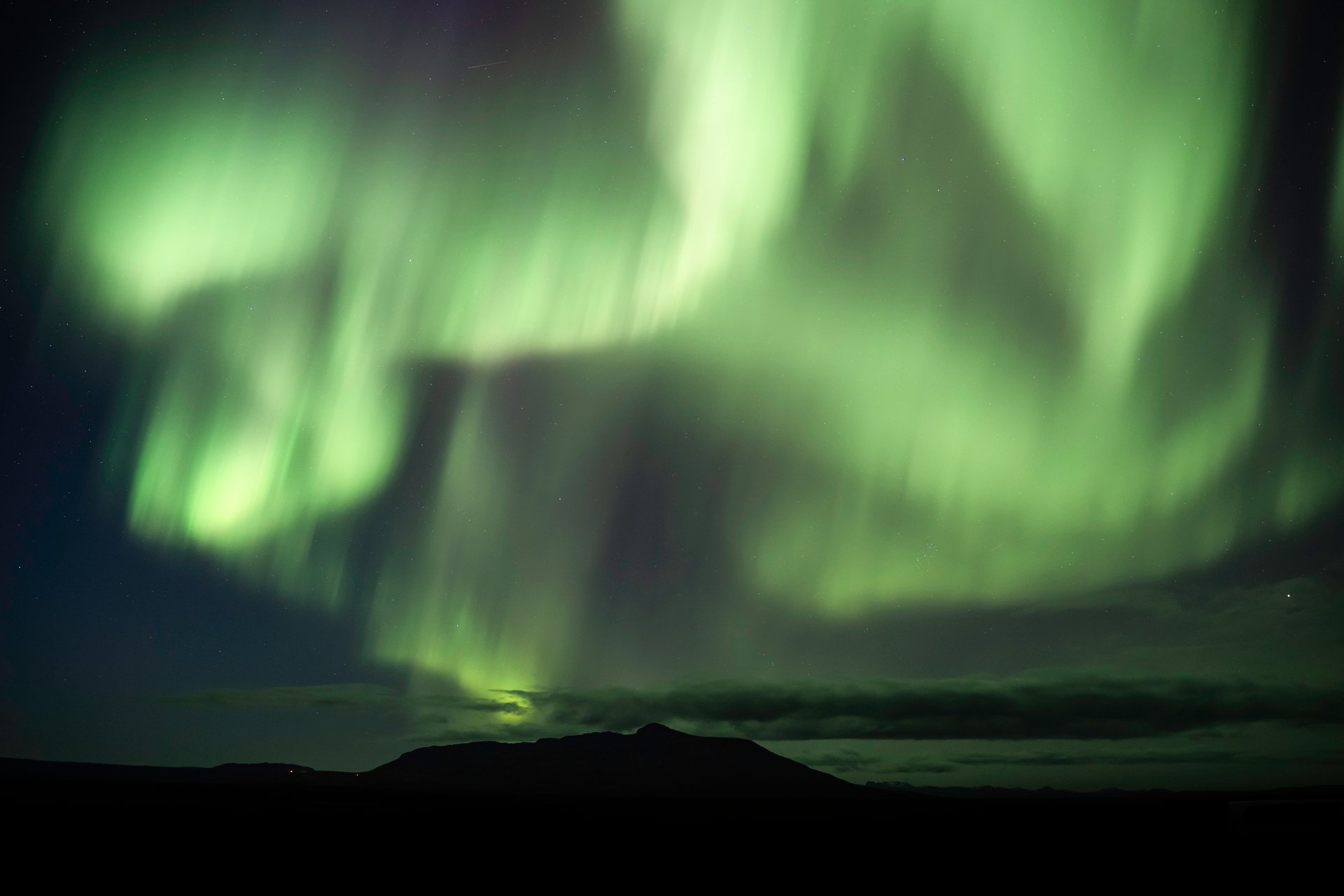
The Aurora Borealis remains Iceland’s most sought-after winter attraction. From September through April, the dark skies provide the perfect canvas for nature’s most spectacular light show. Green, pink, and purple curtains of light dance across the heavens when conditions align.
Seeing the northern lights requires darkness, clear skies, and solar activity. Our private northern lights tours take you away from city light pollution to maximize your chances. We monitor forecasts and conditions to find the best viewing spots each night.
Ice Caves
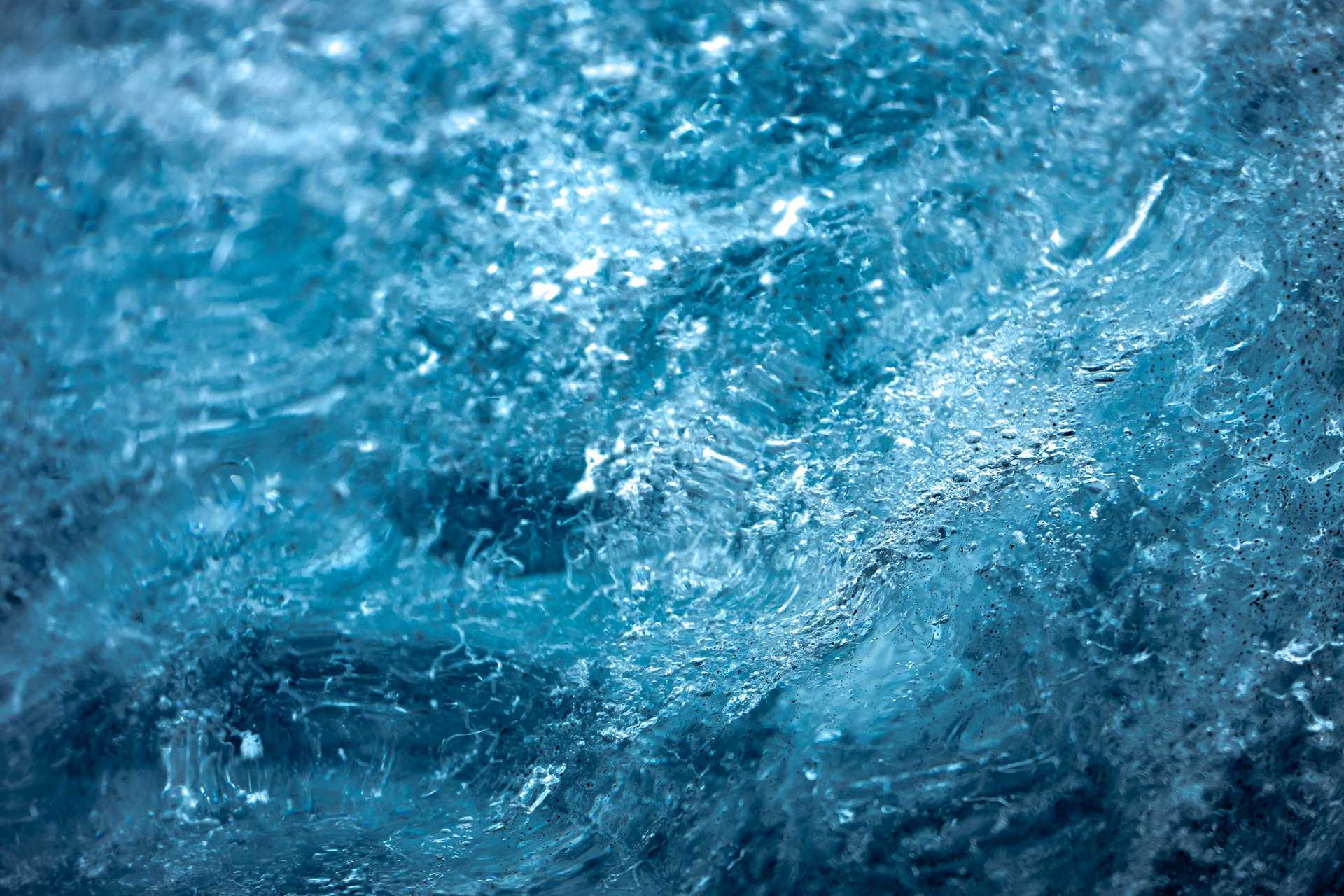
Natural blue ice caves form inside glaciers during winter when temperatures drop and meltwater freezes. These crystal-blue cathedral-like chambers offer a surreal underground experience available only from November through March at most locations.
The blue ice caves at Jökulsárlón rank among Iceland’s most remarkable natural wonders. Each year brings new caves as glaciers shift and reshape. If you visit outside winter, the Katla ice cave remains accessible year-round due to its volcanic ash insulation.
Hot Springs Feel More Magical
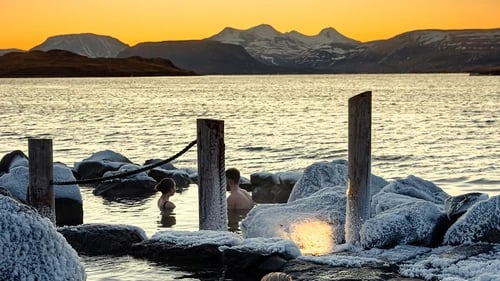
There’s something special about soaking in a natural hot spring while snow falls around you. The contrast between the warm water and cold air creates a sensory experience that summer simply cannot match. Steam rises dramatically against dark winter skies, and fewer crowds mean more peaceful soaks.
Fewer Crowds
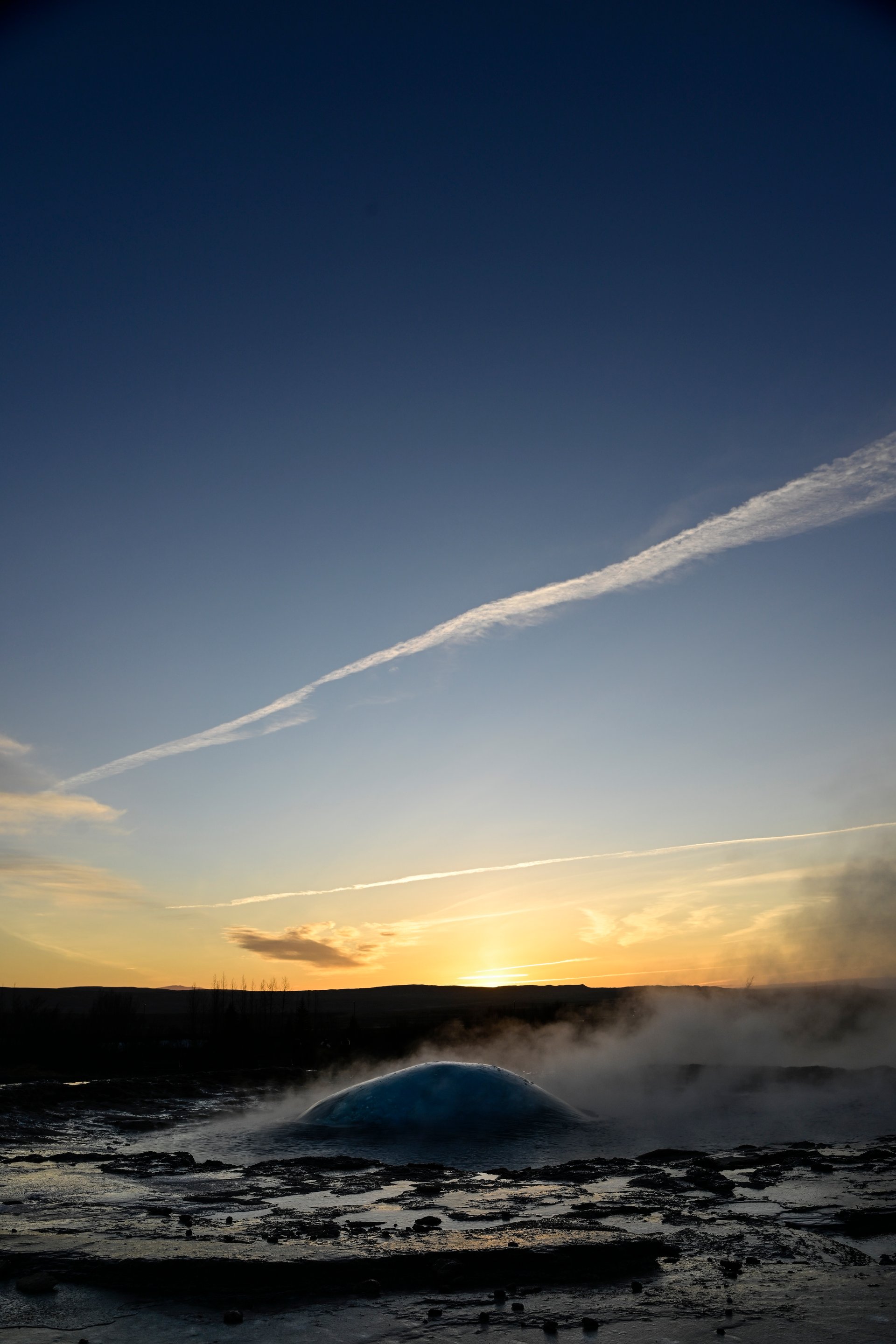
Winter brings significantly fewer visitors than summer peak season. Popular sites like Gullfoss, Geysir, and the South Coast feel more intimate without summer crowds. You’ll spend less time waiting for photos and more time actually experiencing Iceland’s wonders.
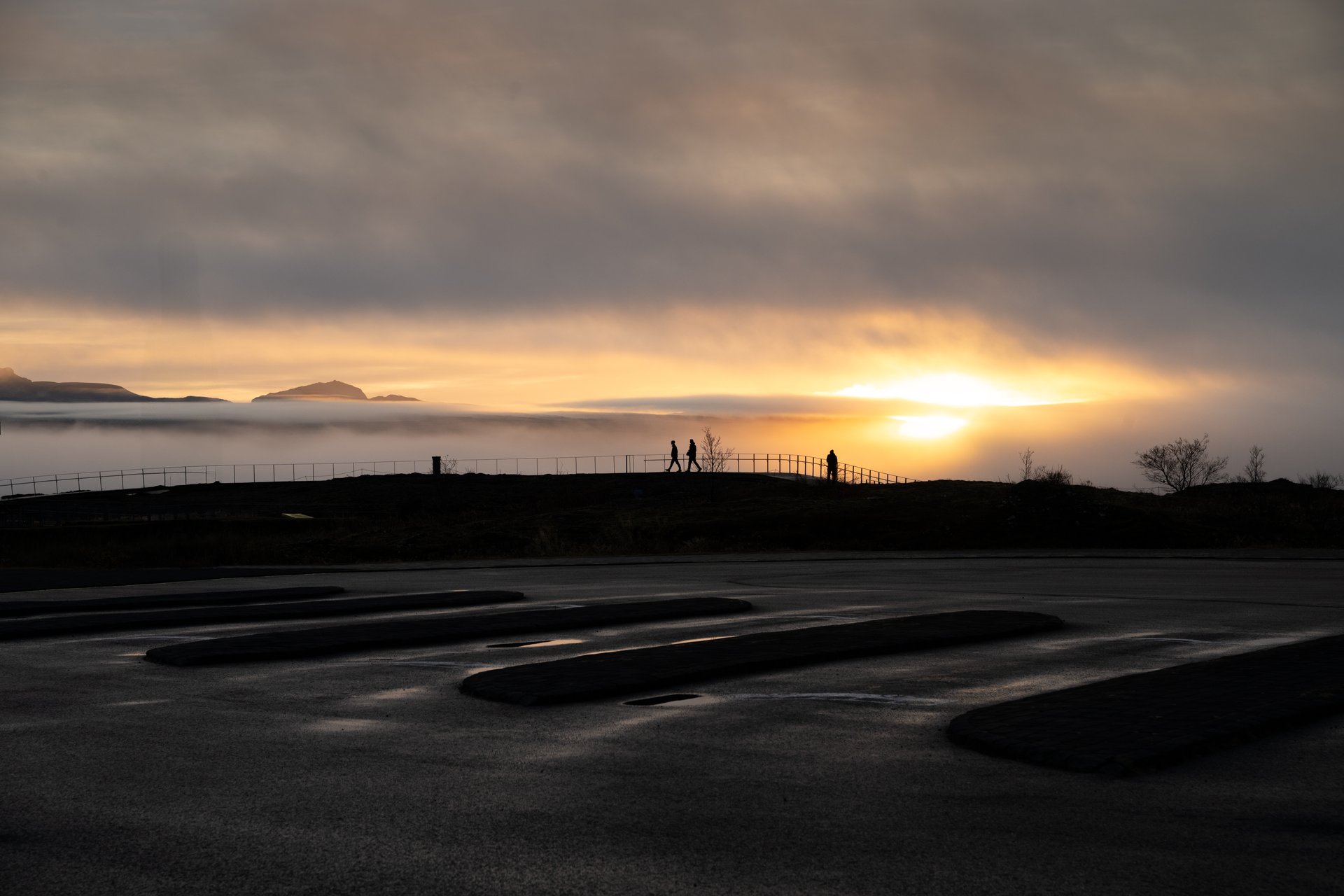
Winter Lights in the Sky
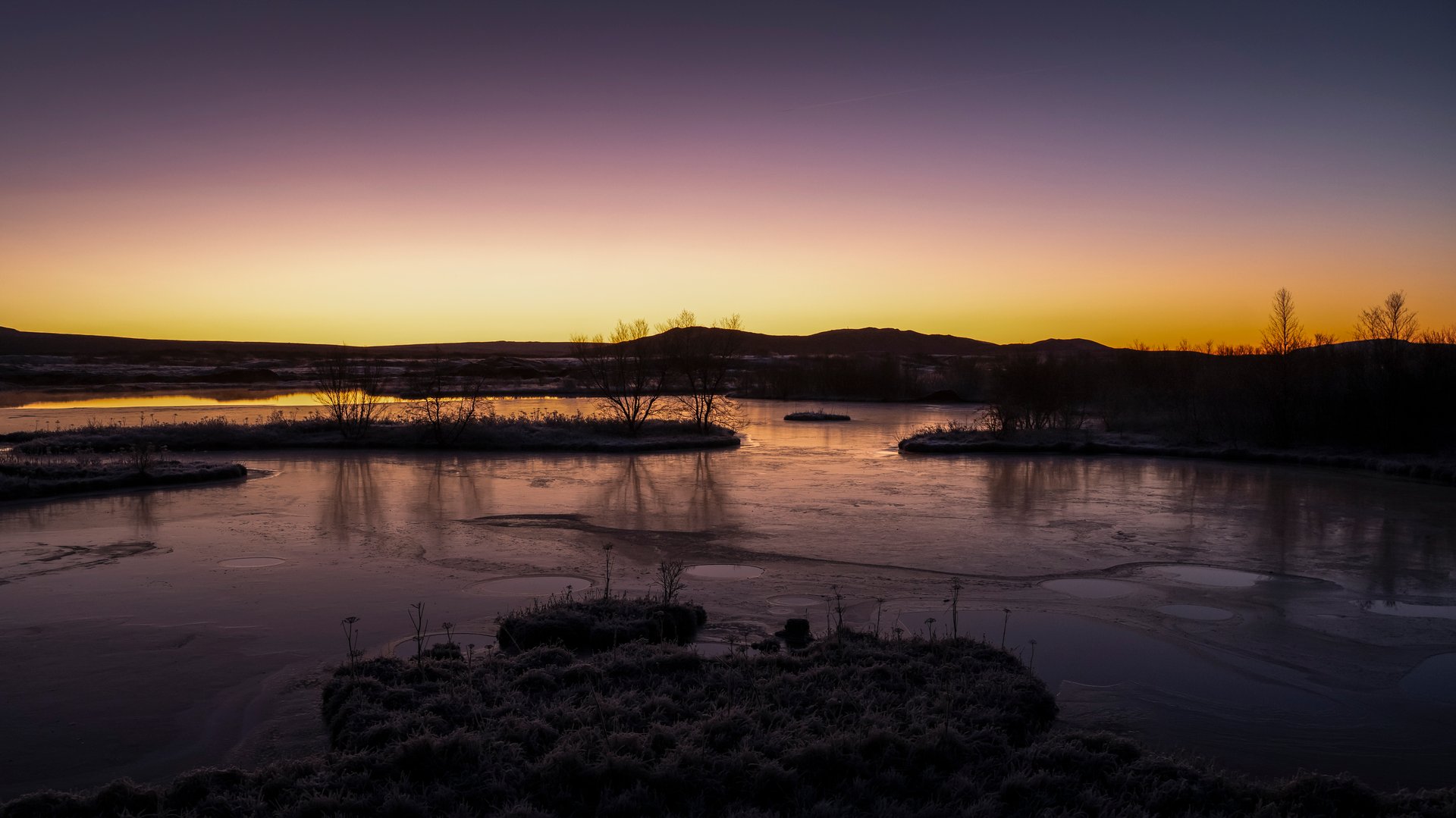
Short winter days mean something magical: extended golden hours. Sunsets and sunrises under Iceland’s northern latitudes produce otherworldly colors. Pink, orange, and purple skies stretch across the horizon for hours, not minutes.
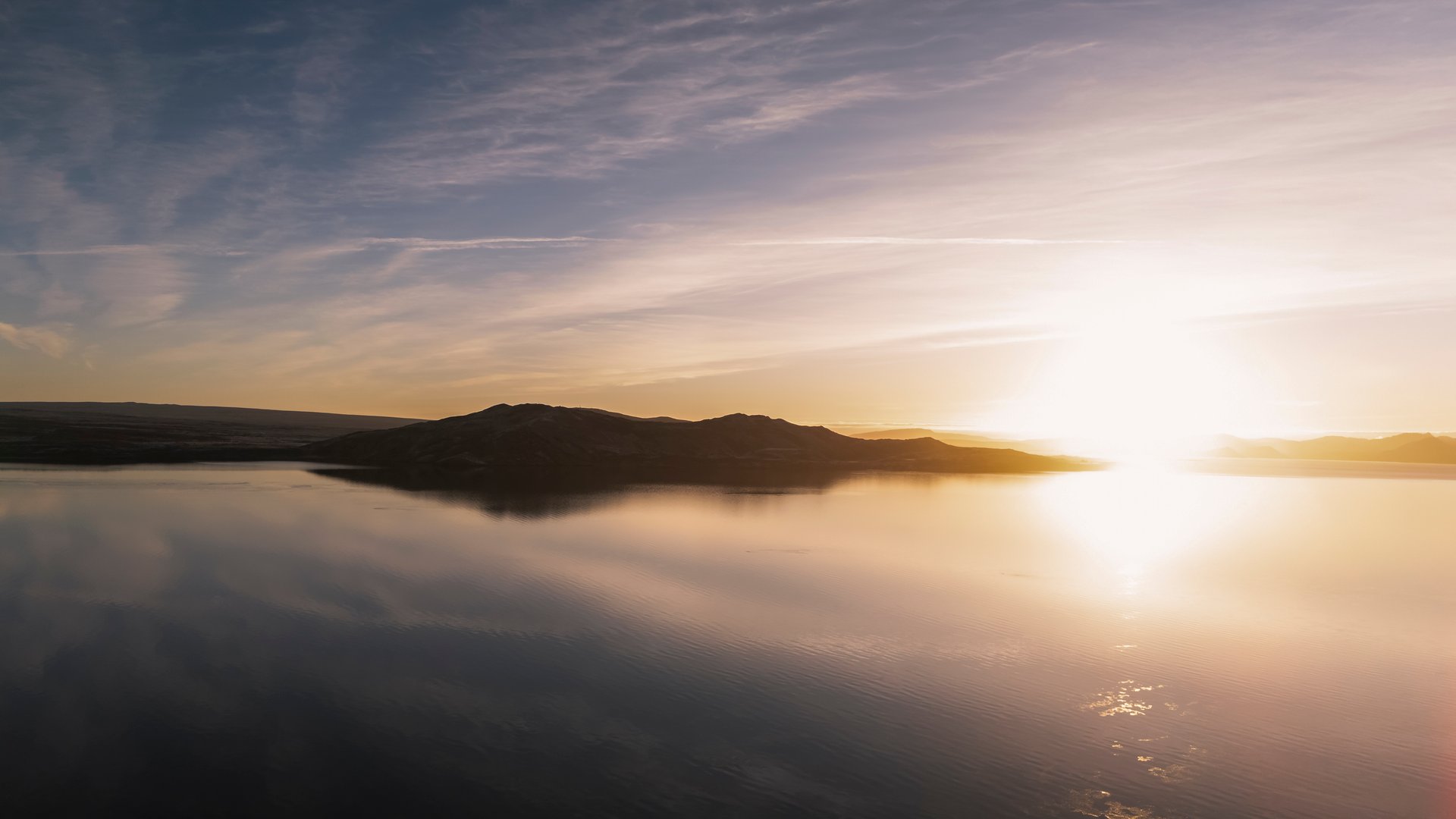
For photographers, this extended soft light transforms ordinary landscapes into extraordinary images. The low winter sun casts long shadows and creates depth that midday summer sun cannot replicate.
Why Winter Might Not Be Right for You
It Requires Flexibility
Iceland’s winter weather can change plans instantly. Storms, road closures, and poor visibility mean you must adapt your itinerary to nature’s schedule. This is where a guided tour proves valuable compared to self-driving, as experienced guides handle logistics and know alternative routes.
Driving conditions become tricky and even dangerous in winter. Every traveler should understand weather forecasts and road condition reports. The road.is and vedur.is websites become essential for anyone behind the wheel.
The Weather Isn’t Always Pleasant
When we think about winter in the near-Arctic, cold comes to mind first. In Iceland, cold isn’t your biggest challenge. What you need protection from is the elements: rain and wind. Horizontal rain driven by fierce winds can make outdoor exploration uncomfortable.
Proper waterproof and windproof layers solve this problem. With appropriate clothing, winter exploration becomes entirely enjoyable. Pack quality gear rather than relying on luck with weather.
Why You Should Visit Iceland in Summer
Hiking Paradise
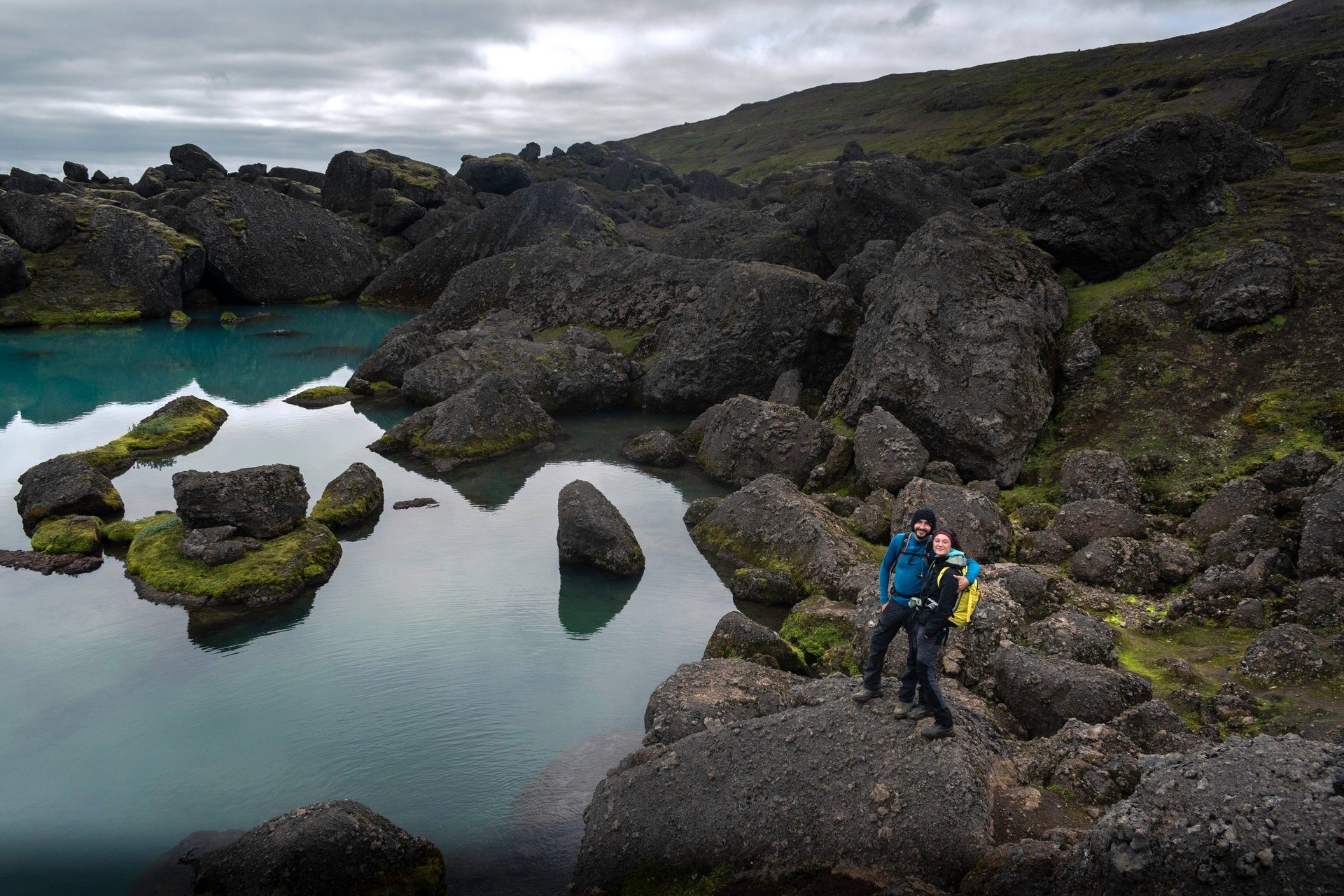
Summer unlocks Iceland’s full hiking potential. Trails from easy coastal walks to challenging mountain routes become accessible. Multi-day treks like Laugavegur between Landmannalaugar and Þórsmörk attract hikers worldwide.
Our Landmannalaugar hiking tour takes you into the colorful rhyolite mountains that define Iceland’s interior. These trails remain buried under snow during winter months.
The Highlands Open
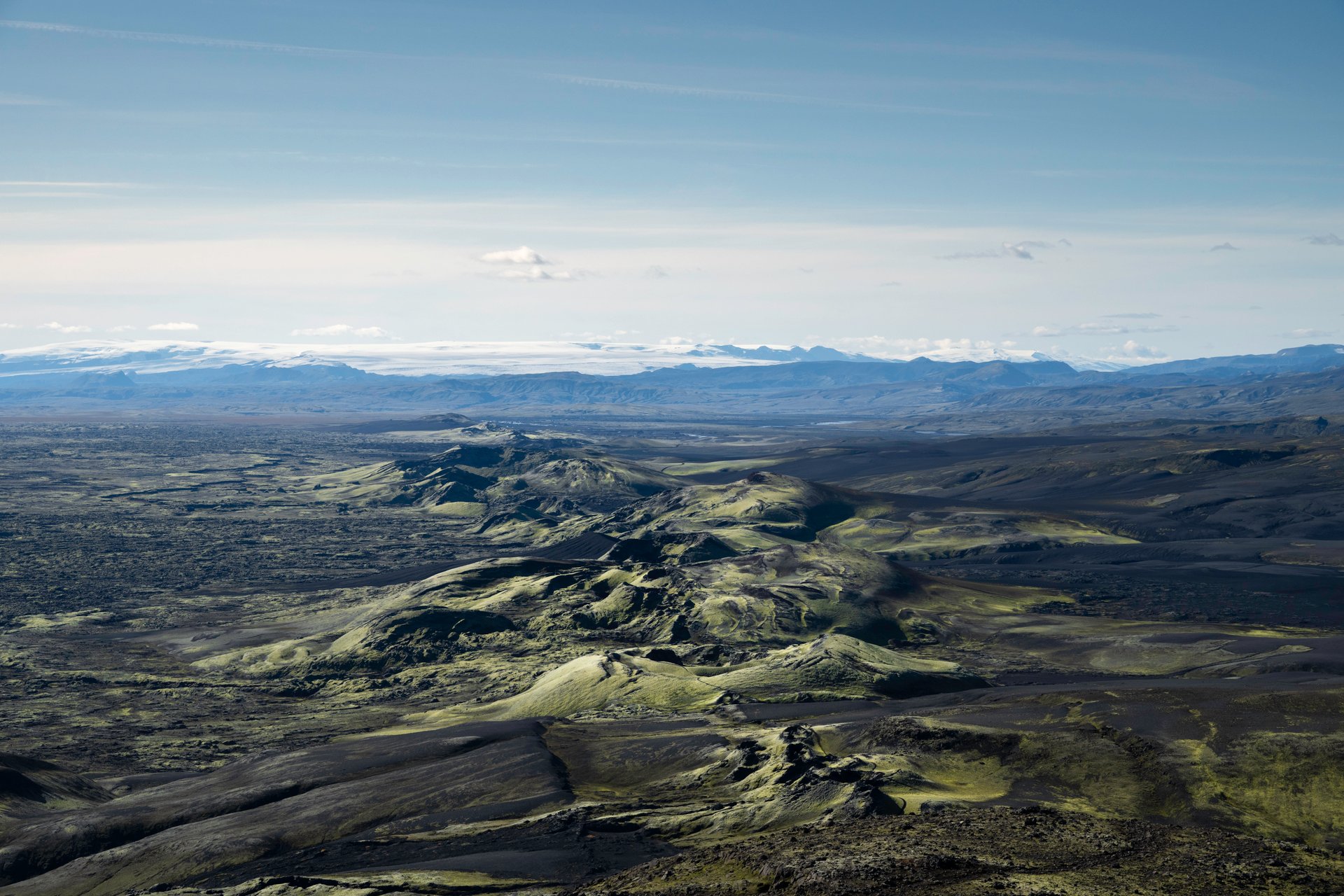
Iceland’s interior highlands remain inaccessible for most of the year. Snow and river crossings keep the F-roads closed until June or July. When they open, adventurous travelers gain access to some of Earth’s most remote and dramatic landscapes.
Landmannalaugar, Kerlingarfjöll, and Askja become reachable. These areas feel like another planet entirely, with their volcanic deserts, colorful mountains, and complete absence of vegetation. Our multiday tours can incorporate highland adventures during summer months.
Long Days
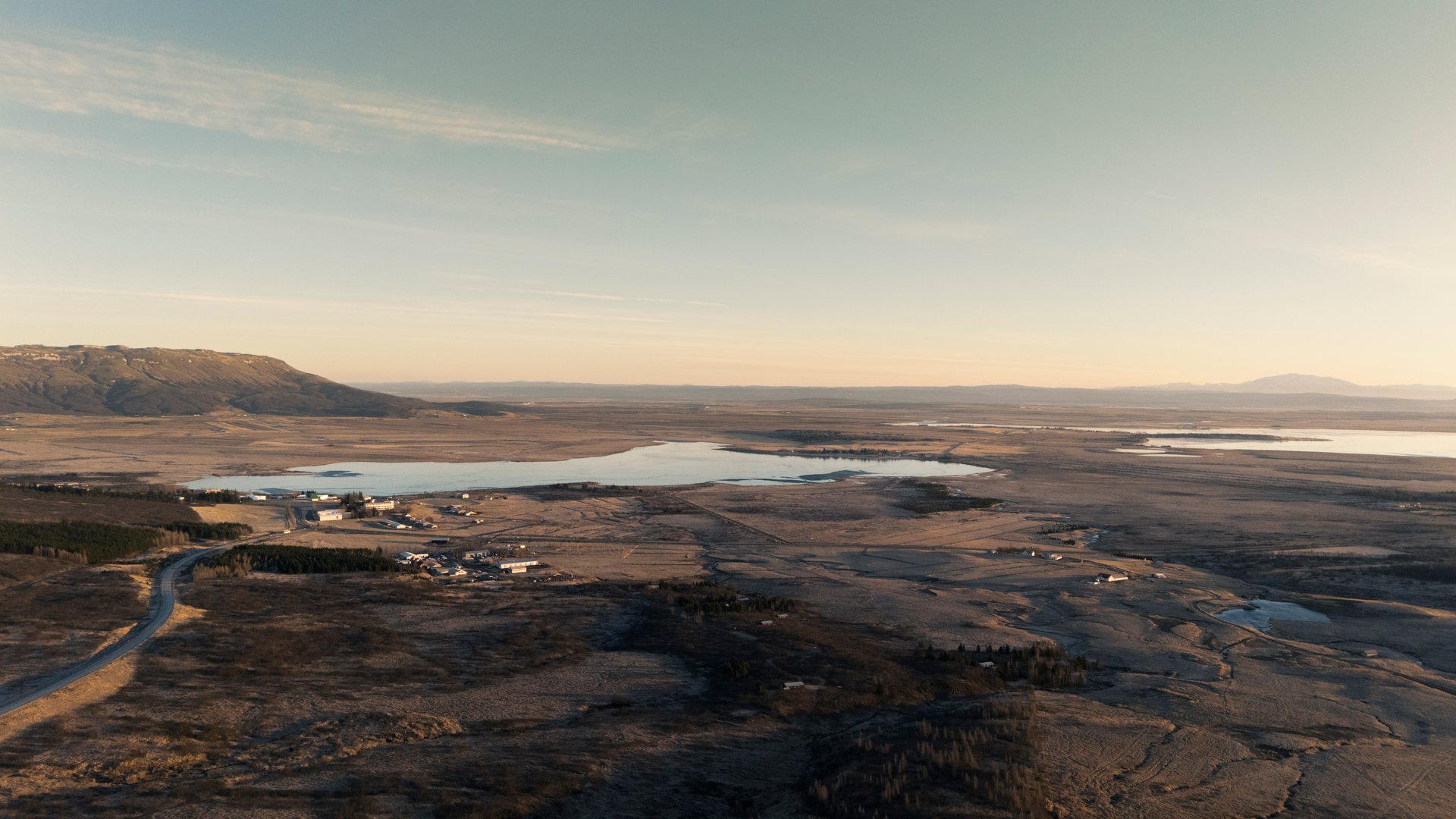
Around the summer solstice in June, Iceland experiences the midnight sun. The sun barely dips below the horizon, creating nearly 24 hours of usable daylight. This extended light lets you explore far longer than normal vacation days would allow.
Want to visit a popular site without crowds? Go at midnight. The sun still shines, and you’ll have places like Seljalandsfoss or Skógafoss practically to yourself.
Vegetation Blooms
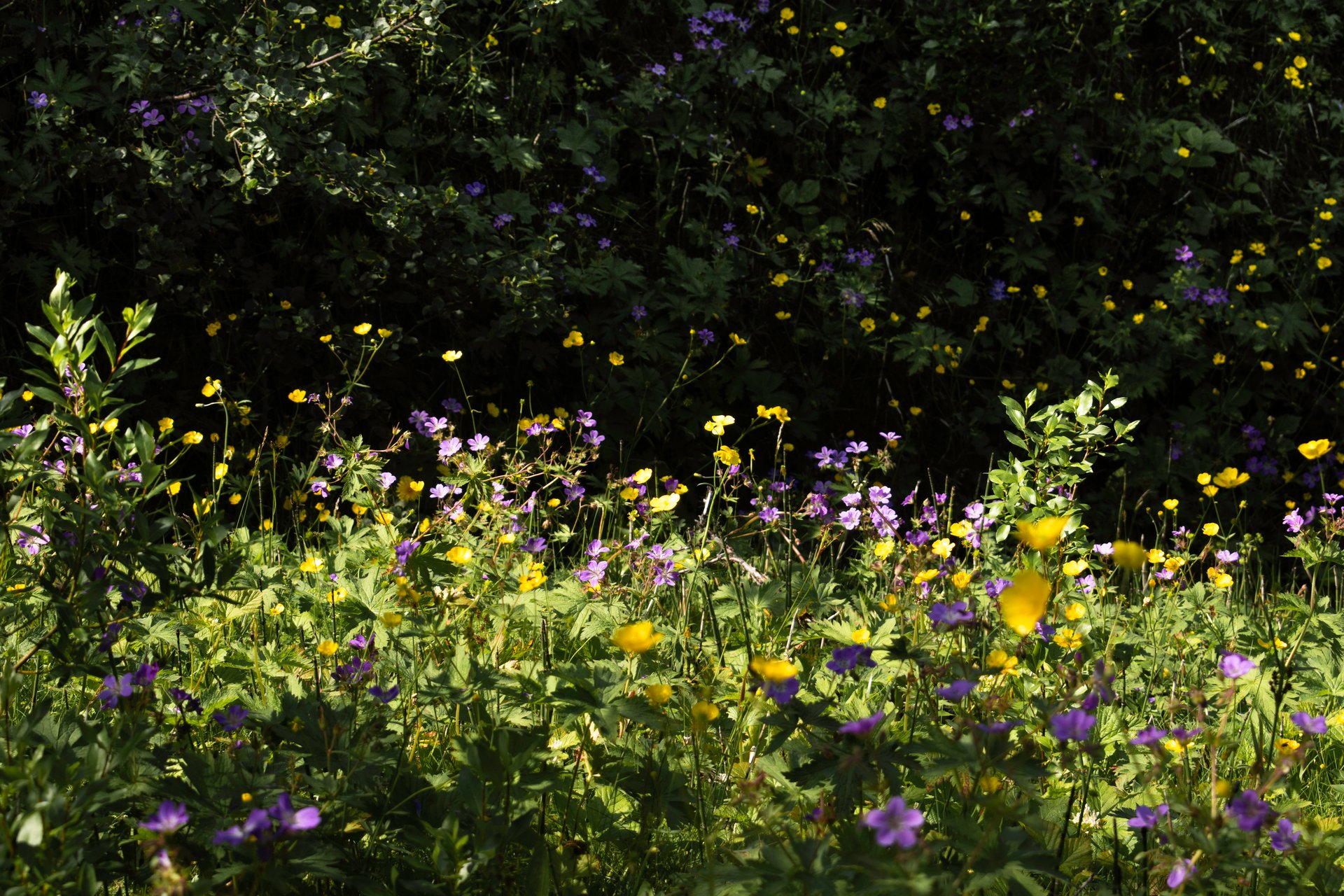
June brings lupine blooms that paint entire hillsides purple. Mossy lava fields turn vivid green. Wildflowers dot meadows. Iceland’s landscapes soften with color that winter months simply cannot offer.
This greenery provides a stark contrast to volcanic black sand and grey rock, creating photographic opportunities unique to summer months.
Warmer Days and More Comfortable Weather
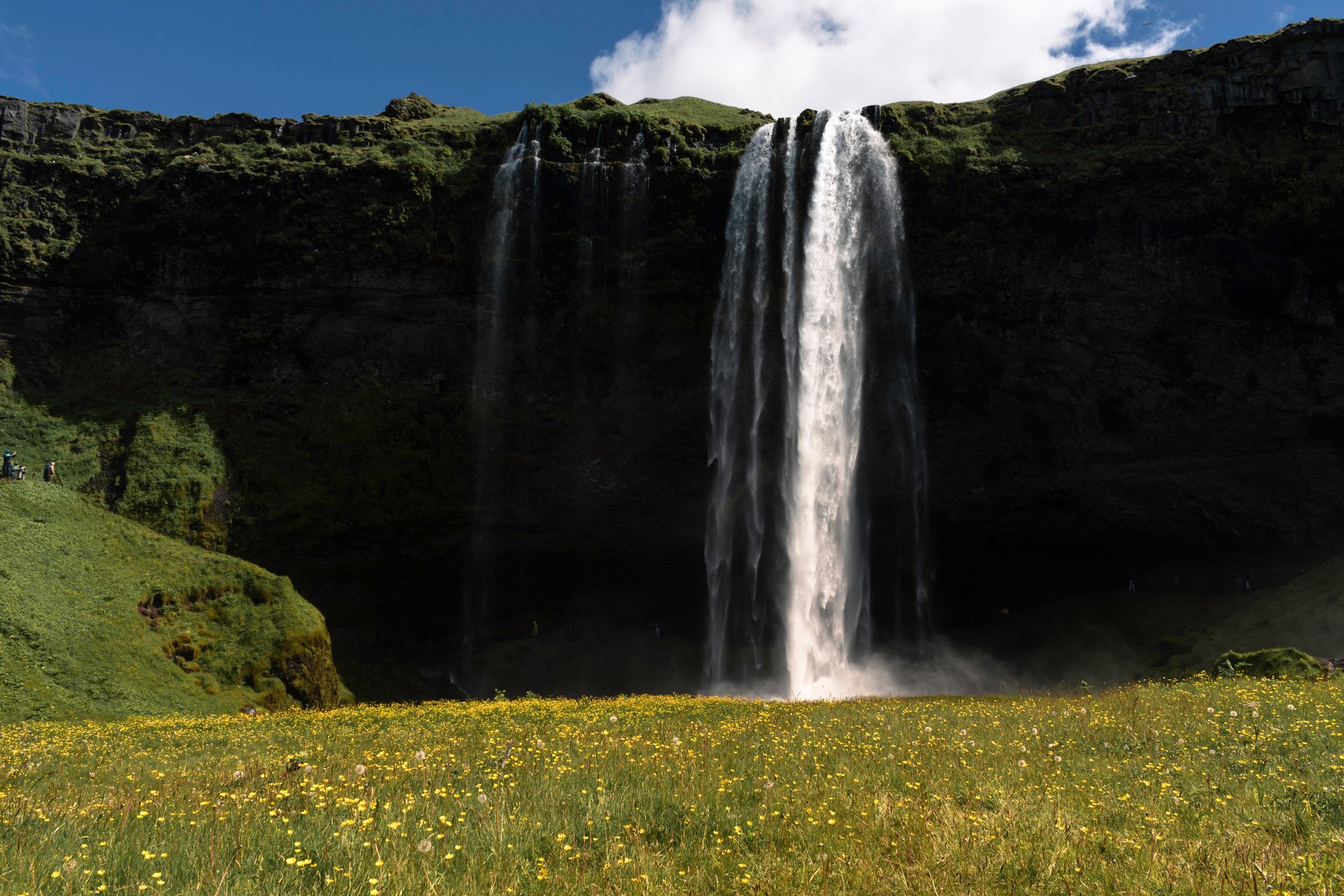
Summer temperatures typically range from 10-15°C (50-59°F), occasionally reaching 20°C (68°F) on warm days. While not tropical, this feels comfortable for outdoor activities. Rain still falls, but extended wet periods are less common than in winter.
The more stable weather makes planning easier. Canceled activities due to conditions happen less frequently, though Iceland’s unpredictability means flexibility always helps.
Requires Less Flexibility
With more stable weather, the need to reschedule activities drops significantly. Your planned itinerary has better odds of proceeding as expected. However, Iceland never offers guarantees. Last year, hundreds of tourists got stuck in the Northeast during an intense June blizzard. Cars had already switched to summer tires, catching everyone off guard.
Birdlife and Puffins
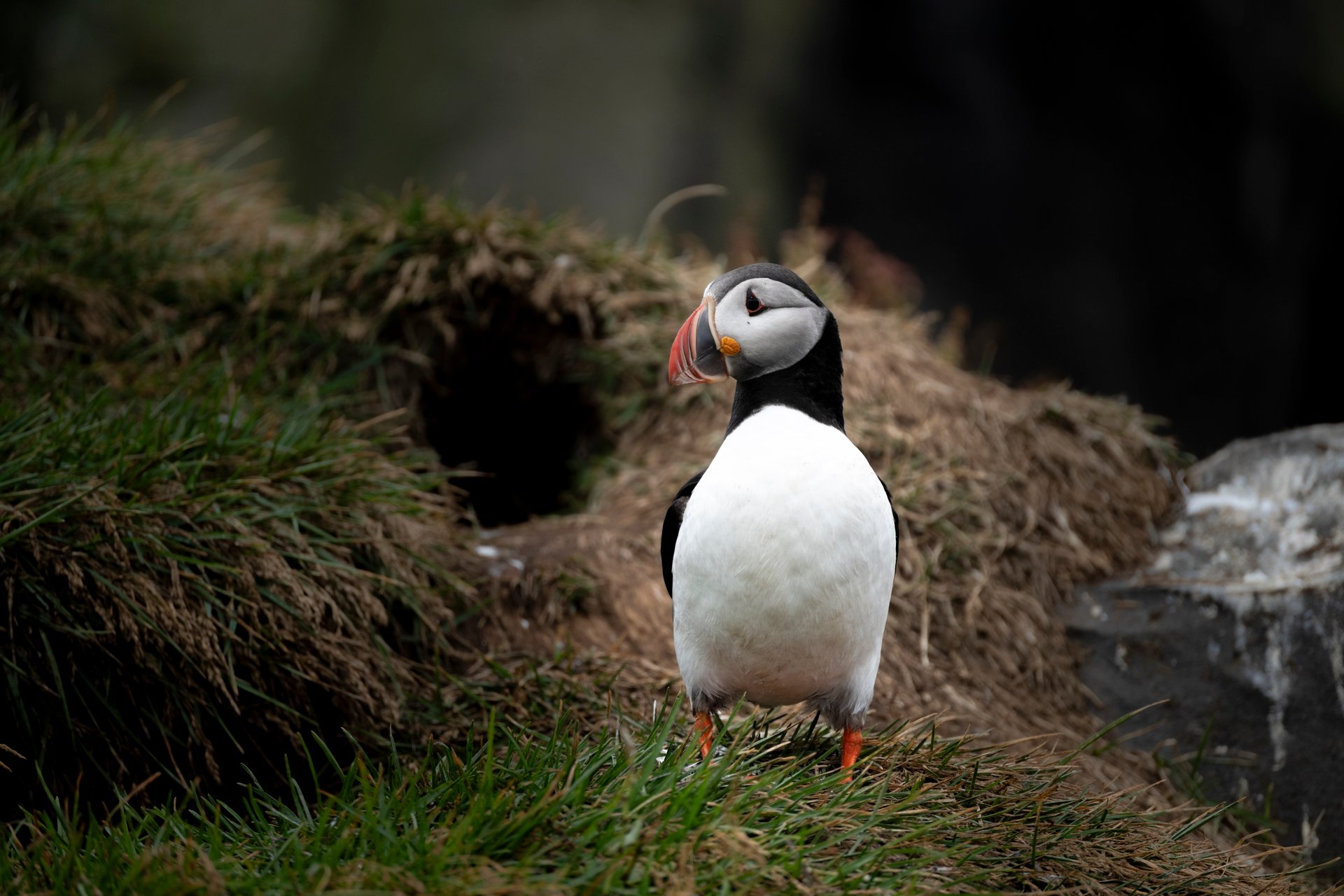
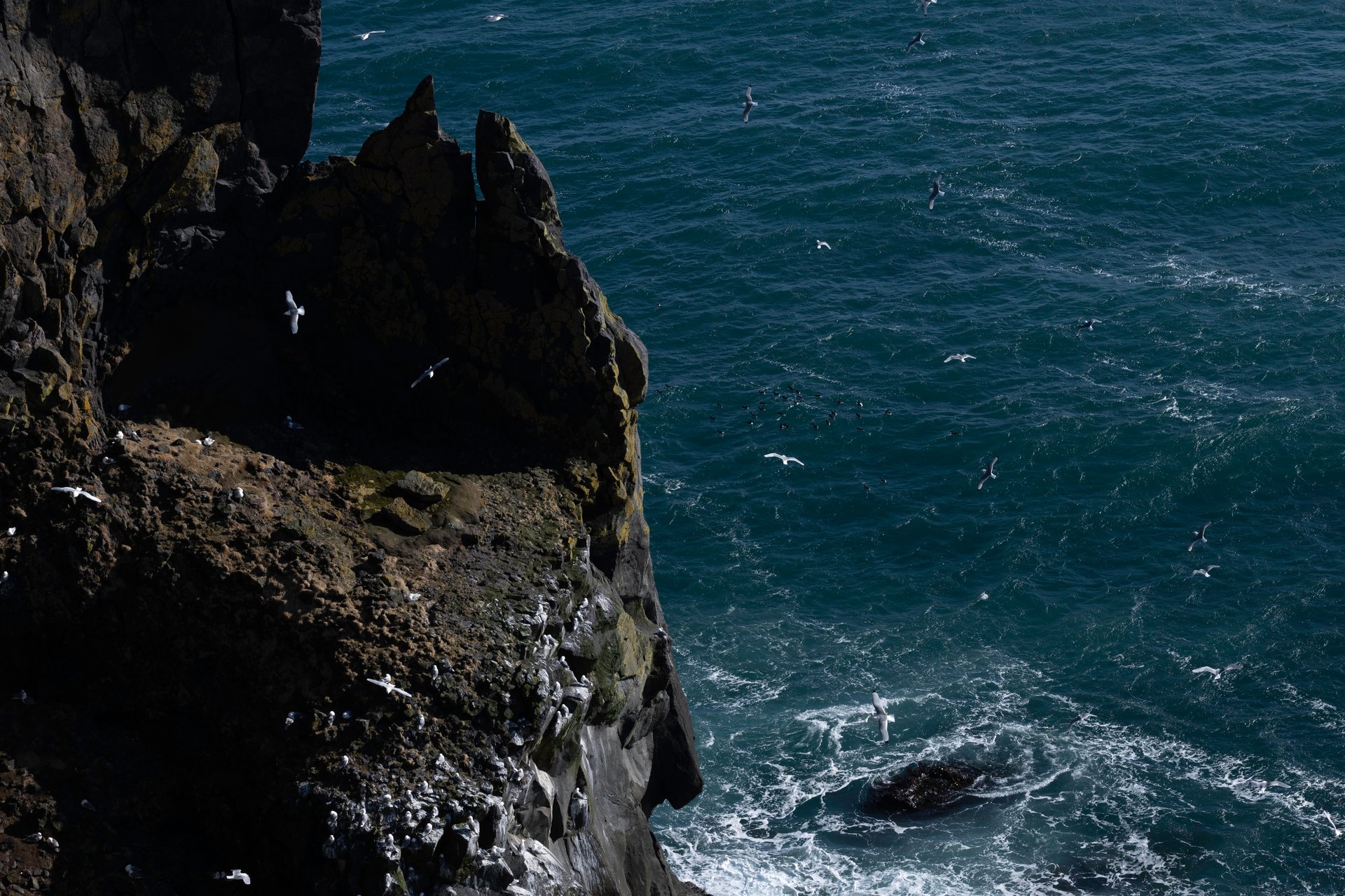
Atlantic puffins arrive in Iceland between mid-April and late August. These charismatic birds nest in coastal cliffs, particularly around the Westman Islands, Látrabjarg, and Dyrhólaey. Our Westman Islands adventure offers excellent puffin viewing during summer months.
Beyond puffins, Arctic terns return from their Antarctic migration, and various seabird colonies become active along Iceland’s coastline.
Why Summer Might Not Be Best for You
Bigger Crowds
Peak summer brings peak tourism. Major attractions can feel crowded, especially between 10 AM and 6 PM. The Golden Circle, South Coast waterfalls, and popular sites require patience during busy hours.
Booking accommodations, tours, and restaurants becomes essential months in advance. Spontaneous travel during July and August proves nearly impossible without prior planning.
Harder to Find Accommodation
Hotels, guesthouses, and campsites fill up quickly during summer. Without reservations made weeks or months ahead, finding places to stay becomes challenging and expensive. This is particularly true in popular areas like Vík, Höfn, and near major attractions.
Higher Prices
Summer demand drives prices up across the board. Accommodations, rental cars, and tours all cost more than during shoulder or winter seasons. A summer trip might cost 30-50% more than the same itinerary in October or March.
So Which Season Is Best?
Summer Is Best For You If…
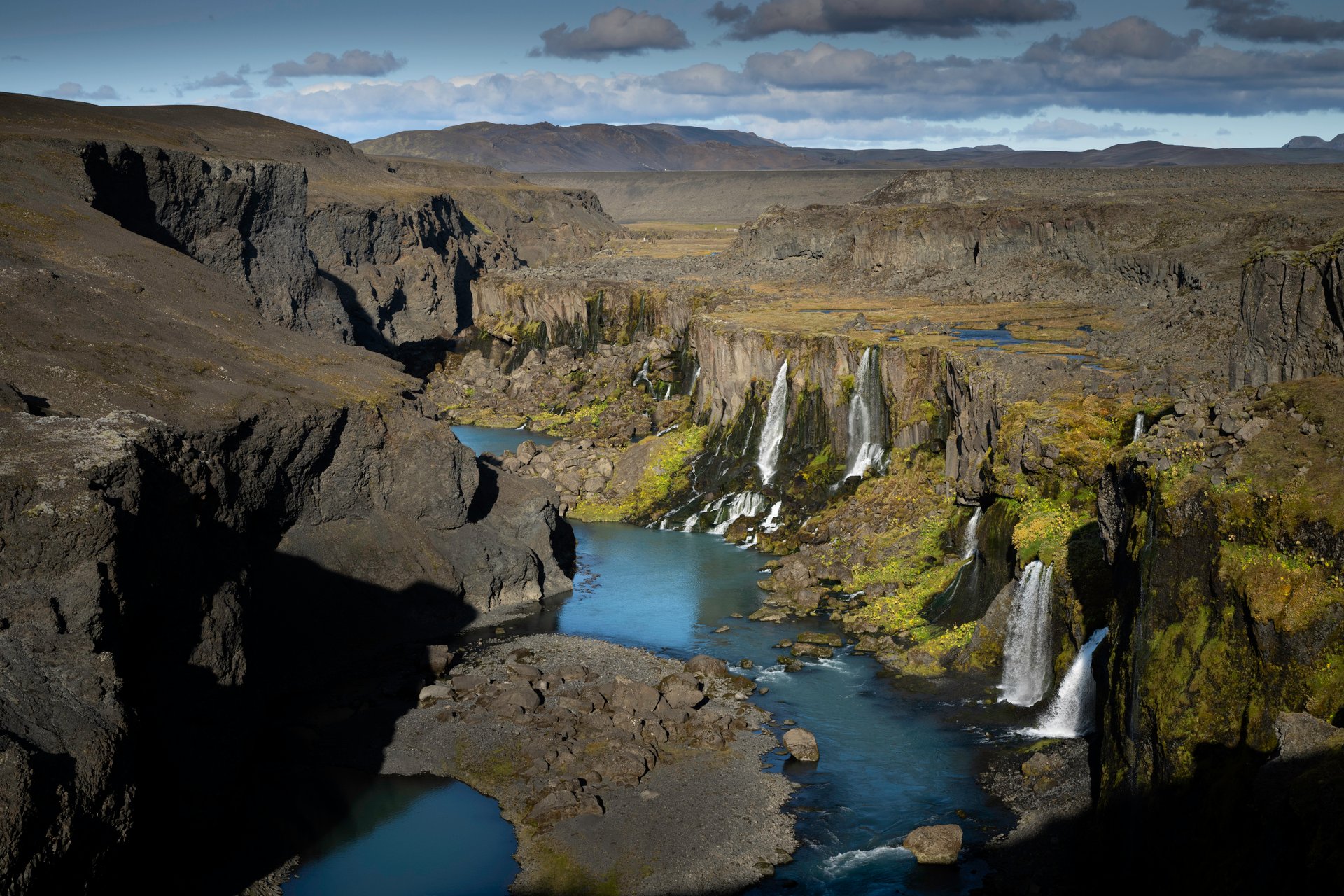
If you’re seeking adventure, hiking, highland exploration, late nights, and camping, summer will serve you best. Longer days allow in-depth exploration of every region without worrying about darkness or major weather rescheduling.
Want to avoid crowds? Visit late June or early July and explore sites at night. The sun shines all night, and you’ll find few other tourists.
For photographers, note that summer light lacks the drama of winter’s golden hours. The high midday sun flattens landscapes compared to winter’s low-angle illumination.
Winter Is Best For You If…
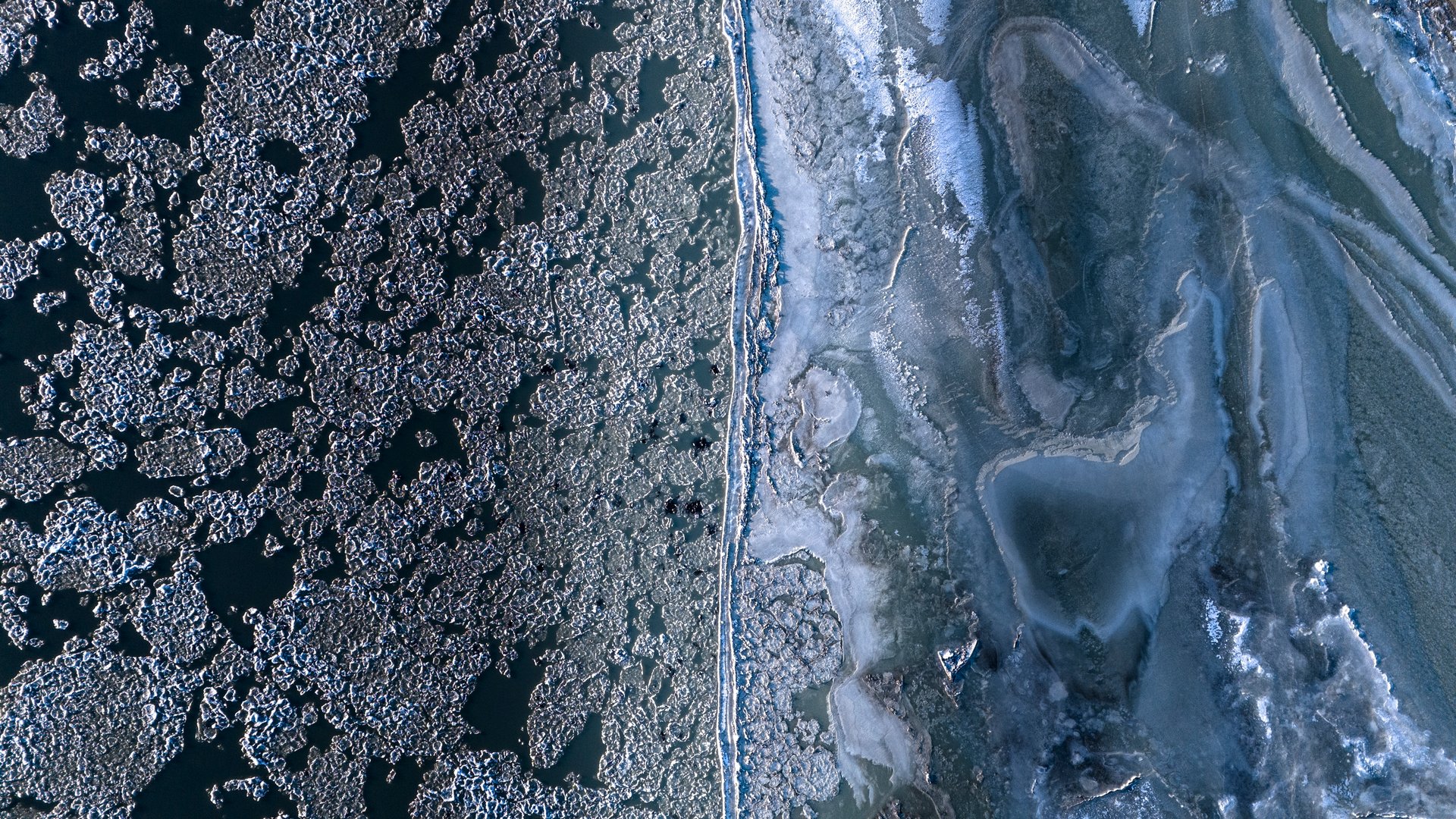
If sightseeing and photography drive your trip, winter delivers. Those pink and orange skies stretching for hours above frozen landscapes create images that summer cannot match. The northern lights add another dimension entirely.
Winter suits travelers who prioritize atmosphere and unique experiences over checking maximum activities off a list.
What About May?
Go for it. May offers the lowest visitor numbers of the year. If you embrace adventure and unpredictability, May delivers. Just know that conditions could bring anything from blizzards to summer warmth, sometimes within the same week.
The Best Month to Visit Iceland
In my personal opinion, if you can choose any time to visit Iceland, come during the first half of September. This represents the best compromise:
- Weather alerts remain rare
- Highlands are still accessible
- Hiking remains enjoyable
- Beautiful light returns as days shorten
- Northern lights season begins
- Weather is usually comfortable
- Crowds have thinned from peak summer
September offers summer’s accessibility with hints of winter’s magic beginning to appear.
Monthly Breakdown
January
- Daylight: Minimal (5-7 hours)
- Northern Lights: Good viewing chances
- Puffins: Not present
- Highlands: Inaccessible
- Snowfall: Expected
- Hiking: Limited to lowland trails
- Costs: Budget-friendly
- Crowds: Moderate
- Ice Caves: All caves open
- Weather: Unpredictable, storms common
February
- Daylight: Limited (7-10 hours)
- Northern Lights: Excellent viewing
- Puffins: Not present
- Highlands: Inaccessible
- Snowfall: Expected
- Hiking: Limited
- Costs: Budget-friendly
- Crowds: Moderate
- Ice Caves: All caves open
- Weather: Unpredictable, storms common
March
- Daylight: Decent (10-13 hours)
- Northern Lights: Excellent viewing
- Puffins: Not present
- Highlands: Inaccessible
- Snowfall: Possible
- Hiking: Limited
- Costs: Budget-friendly
- Crowds: Moderate
- Ice Caves: All caves open
- Weather: Unpredictable, storms common
April
- Daylight: Good (13-16 hours)
- Northern Lights: Possibly visible early month
- Puffins: Starting to arrive
- Highlands: Inaccessible
- Snowfall: Possible
- Hiking: Moderate selection
- Costs: Budget-friendly
- Crowds: Low
- Ice Caves: Limited selection
- Weather: Occasional storms
May
- Daylight: Maximum (17-21 hours)
- Northern Lights: Season ended
- Puffins: Present and active
- Highlands: Mostly inaccessible
- Snowfall: Possible
- Hiking: Moderate selection
- Costs: Mid-range
- Crowds: Lowest of the year
- Ice Caves: Only volcanic caves open
- Weather: Completely unpredictable
June
- Daylight: Maximum (21+ hours, midnight sun)
- Northern Lights: Not visible
- Puffins: Present and active
- Highlands: Starting to open
- Snowfall: Unlikely
- Hiking: Full range available
- Costs: Premium pricing
- Crowds: Very busy
- Ice Caves: Only volcanic caves open
- Weather: Generally stable
July
- Daylight: Maximum (20+ hours)
- Northern Lights: Not visible
- Puffins: Present and active
- Highlands: Fully accessible
- Snowfall: Unlikely
- Hiking: Full range available
- Costs: Premium pricing
- Crowds: Peak season
- Ice Caves: Only volcanic caves open
- Weather: Most stable month
August
- Daylight: Long (16-19 hours)
- Northern Lights: Possibly visible late month
- Puffins: Departing by month’s end
- Highlands: Fully accessible
- Snowfall: Unlikely
- Hiking: Full range available
- Costs: Premium pricing
- Crowds: Very busy
- Ice Caves: Only volcanic caves open
- Weather: Generally stable
September
- Daylight: Moderate (12-15 hours)
- Northern Lights: Season begins
- Puffins: Departed
- Highlands: Starting to close
- Snowfall: Unlikely early, possible late
- Hiking: Full range available early month
- Costs: Mid-range
- Crowds: Moderate
- Ice Caves: Limited selection
- Weather: Variable, occasional storms
October
- Daylight: Limited (9-12 hours)
- Northern Lights: Excellent viewing
- Puffins: Not present
- Highlands: Mostly closed
- Snowfall: Possible
- Hiking: Moderate selection
- Costs: Budget-friendly
- Crowds: Moderate
- Ice Caves: Opening for season
- Weather: Unpredictable, storms common
November
- Daylight: Minimal (6-9 hours)
- Northern Lights: Excellent viewing
- Puffins: Not present
- Highlands: Inaccessible
- Snowfall: Expected
- Hiking: Limited
- Costs: Budget-friendly
- Crowds: Low
- Ice Caves: All caves open
- Weather: Unpredictable, storms common
December
- Daylight: Minimal (4-6 hours)
- Northern Lights: Good viewing chances
- Puffins: Not present
- Highlands: Inaccessible
- Snowfall: Expected
- Hiking: Limited
- Costs: Budget-friendly (except holidays)
- Crowds: Low (except holidays)
- Ice Caves: All caves open
- Weather: Unpredictable, storms common
Conclusion
There is no single “best” time to visit Iceland. The right season depends entirely on what you want to experience. Winter delivers northern lights, ice caves, dramatic photography conditions, and fewer crowds. Summer offers hiking, midnight sun, highland access, puffins, and more comfortable weather.
If you’re still unsure, September offers the best of both worlds. Or embrace the unknown and visit in May, when Iceland reveals its most unpredictable character.
Whatever you choose, contact us to plan your perfect private Iceland tour. We’ll help you make the most of whichever season calls to you.