Iceland for repeat visitors is about choosing how you want to know the country, not seeing more of it. Your first trip covered the introduction. The second is the one where the country opens up.
The first trip to Iceland is almost always the same trip. Reykjavík for a night or two, Golden Circle, south coast as far as Vík or Jökulsárlón, maybe a glacier walk and a snorkel in Silfra, fly home. There’s a reason for this: that itinerary is genuinely good. It packs an extraordinary range of landscapes into a few days, and for most first-time visitors, it’s exactly the right introduction.
What it doesn’t do is leave room for the rest of the country.
I’ve guided hundreds of trips here, and the conversations I have with returning clients are some of the most interesting ones in the job. They’ve already had the “wow, Iceland is unlike anywhere else” moment. They’ve already seen Gullfoss, walked behind Seljalandsfoss, watched the geyser go off. The question for the second trip isn’t “what should I see” — it’s “what kind of trip do I want this time?”
This guide is built around that question. There are five honest paths a repeat visitor can take, and the right one depends entirely on what you want out of the return. Geography you missed. The seasonal flip. The Highlands. Curating a trip when you’re travelling with first-time visitors. Or simply doing the same country at a completely different level of comfort. Pick the one that fits, and the second trip plans itself.
Path 1: Geography You Missed
This is the most common second-trip motivation, and rightly so. The standard first-time loop covers maybe 15% of the country by area. The other 85% is where Iceland really opens up.
North Iceland
The most natural extension. North Iceland is a 45-minute flight from Reykjavík to Akureyri, or a 5-hour drive on the ring road, and it sits at a completely different rhythm than the south. The Diamond Circle — Akureyri, Goðafoss, Mývatn, Dettifoss, Ásbyrgi, Húsavík — is the spine, and it deserves two to three days, not one.
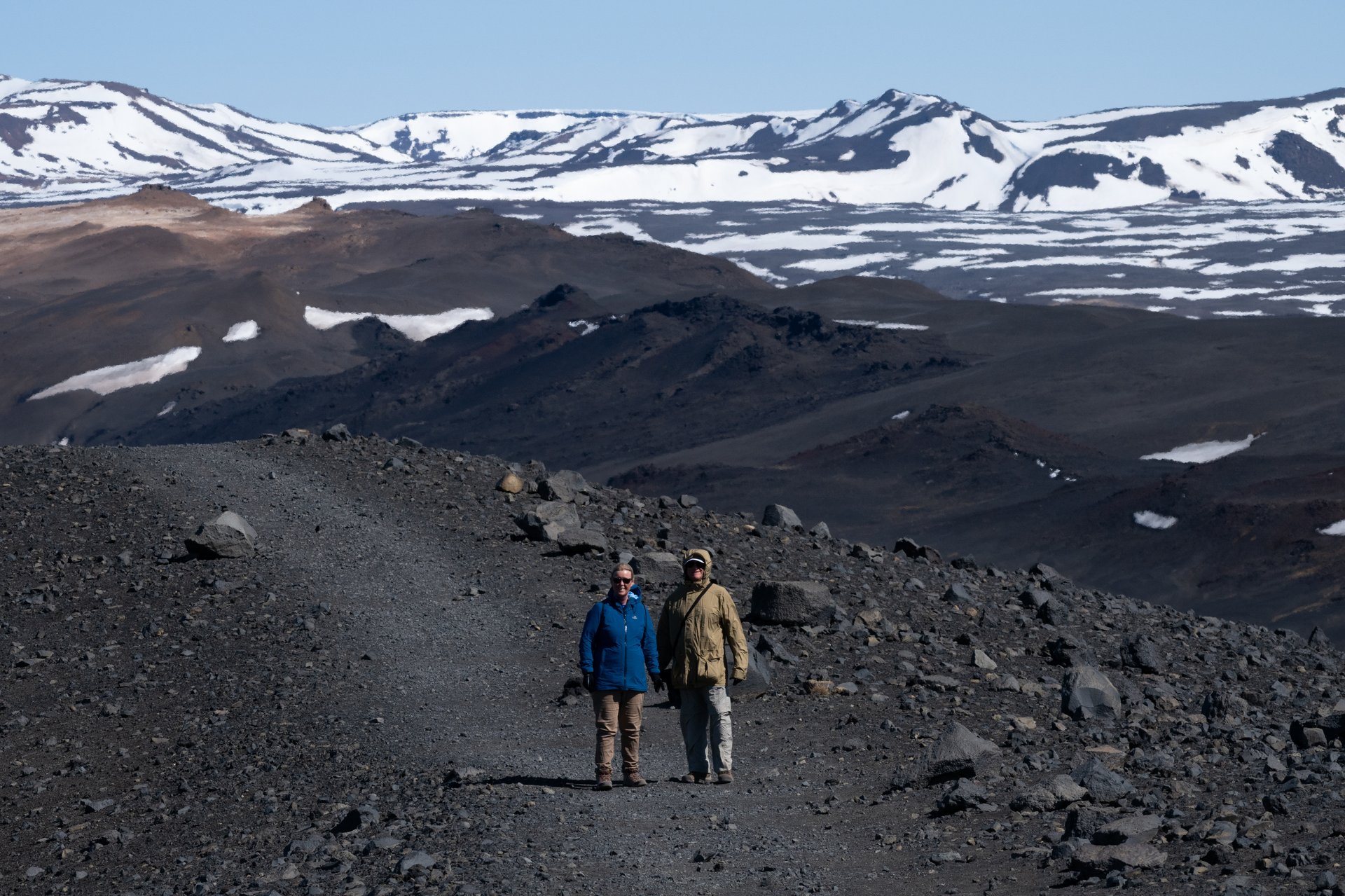
Mývatn alone is worth the trip. Geothermal fields where the ground steams, lava pillar fields you can walk through, a thermal lagoon that competes with the famous ones in the south at a fraction of the crowd, and one of the strangest concentrations of geology anywhere in the country. Dettifoss, an hour’s drive away, is the most powerful waterfall in Europe by volume. Húsavík is the whale-watching capital of Iceland, with humpback sightings close to guaranteed from May to August.
If you want the full breakdown of how to plan a northern trip — routing, hotels, seasonal access — we covered it in detail in our North Iceland guide.
East Iceland
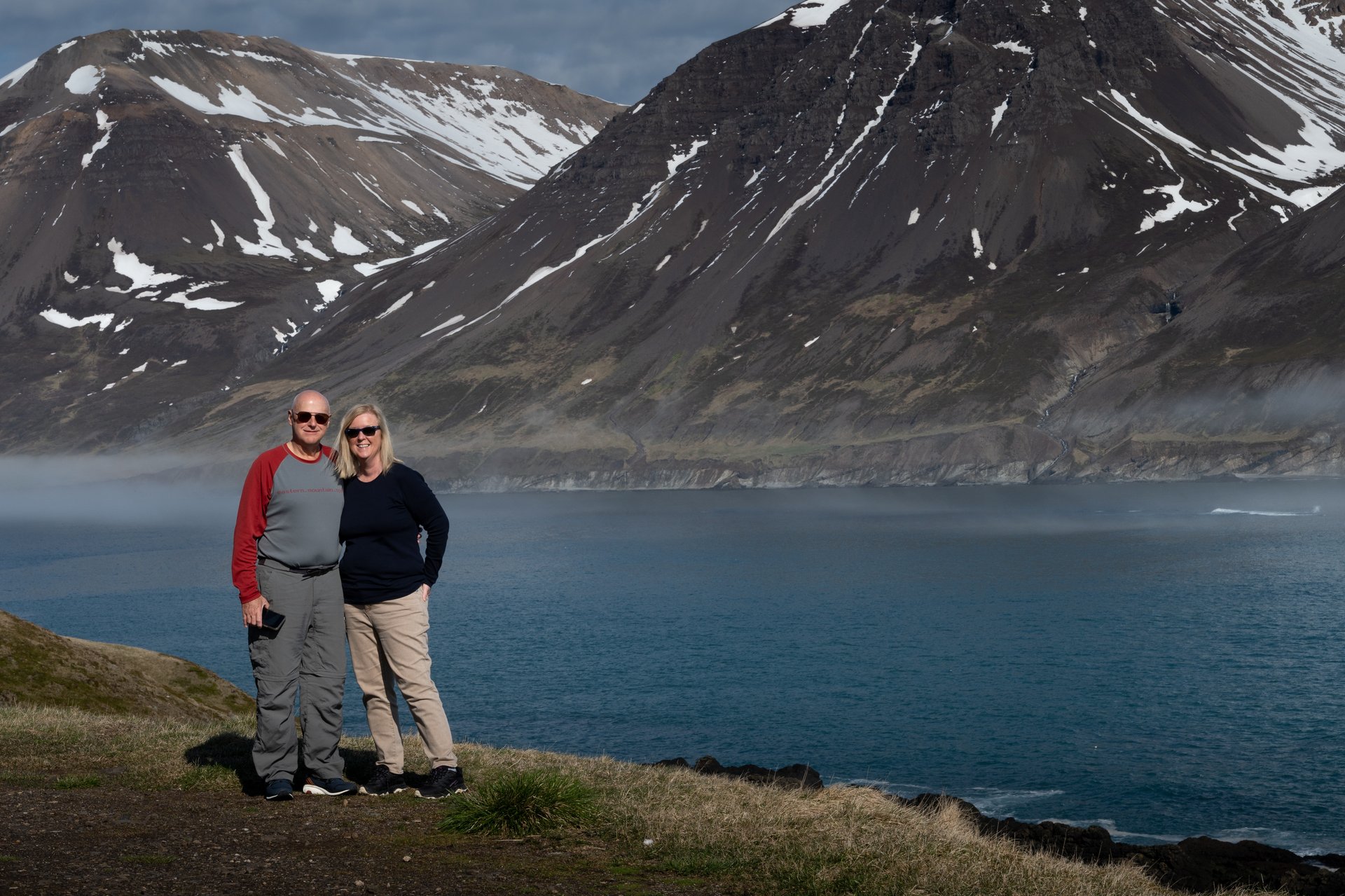
Less visited than the north, and that’s exactly the appeal. The east is fjord country: long, narrow, deep-water fjords lined with small fishing villages, dramatic mountain passes, and a coastal road that feels worlds away from the south coast’s tour-bus traffic. Seyðisfjörður is the standout — a former herring port turned arts community, with a famous rainbow road leading up to the church, and a slower pace that rewards an overnight rather than a drive-through.
The east is also where Iceland’s wild reindeer live (introduced in the 18th century, now roughly 6,000 of them). Spotting a herd on a hillside above Egilsstaðir is one of those quiet, low-key Icelandic moments you’ll remember more than the headline waterfalls.
Westfjords
The deepest cut. The Westfjords are a separate peninsula off the northwest of Iceland, connected by a single road, and they get a fraction of the visitor numbers the rest of the country sees. Dynjandi waterfall — a tiered, cascading wall of water that gets wider as it falls — is one of the most beautiful in the country. Látrabjarg is one of Europe’s largest seabird cliffs and a puffin colony you can sit ten feet from in summer. The hot springs scattered along the fjords are mostly free, mostly empty, and mostly known only to locals.
The Westfjords need time. A 3-day visit minimum, ideally 4–5, and only really accessible in summer (most of the region’s roads close from October to May). For repeat visitors with a week or more, this is one of the most rewarding regions to commit to.
The Full Ring Road
For repeat visitors who did a 5–7 day first trip and want to do the country properly, the full ring road is the obvious answer. 1,322 kilometres on Route 1, ideally over 10–14 days, taking in everything from the south coast to the east fjords to the north and back through the west. The headline is: you can drive it in a week, but you shouldn’t. The country reveals itself slowly.
Path 2: The Seasonal Flip
If your first trip was in summer, the most transformative second trip is in winter — and vice versa. Iceland in different seasons is genuinely a different country, and it’s not a metaphor. Different landscapes, different activities, different daylight, different weather, different mood entirely.
Summer first, now winter
Summer is the easy season. Long daylight, all roads open, every site accessible, mild temperatures. It’s also the busiest season, and the lighting — beautiful as it is — is constant and flat.
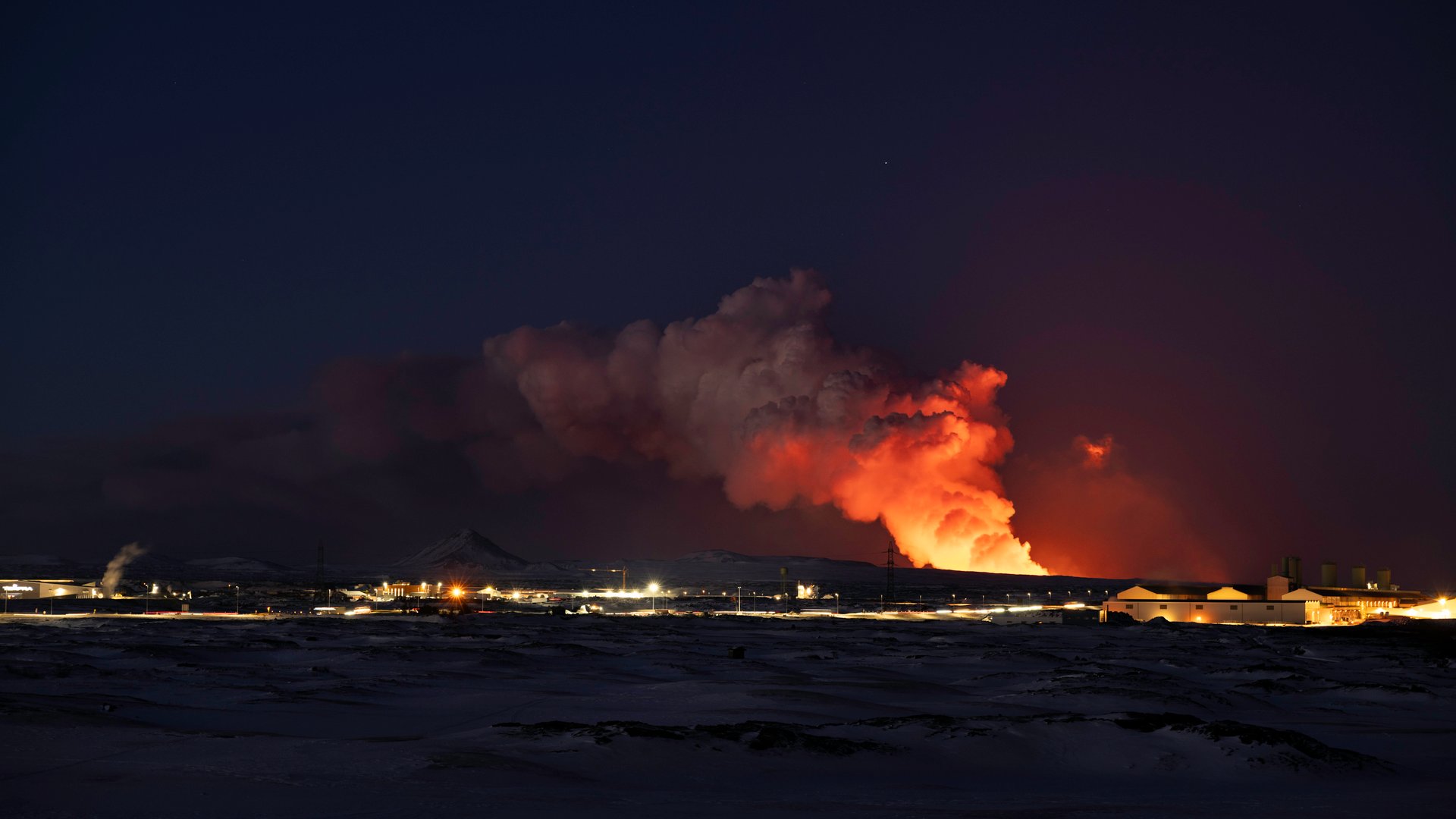
Winter changes everything. Snow on the lava fields. Ice caves accessible from November through March, including the famous blue-ice caves under Vatnajökull. Northern Lights, which need darkness and don’t exist as a possibility in summer at all. Frozen waterfalls. A completely different relationship with light: the sun rises around 11am in December and sets around 3:30pm, but the in-between hours have a quality of light — long pinks, low golds, deep blues at the edges of the day — that summer simply doesn’t produce.
Winter also closes things. The Highlands are completely off-limits. Many secondary roads close for the season. Driving conditions can change in an hour. This is precisely the trip where having someone who knows the conditions is most valuable — winter Iceland is the season where self-drive returns the worst experience-to-effort ratio.
Winter first, now summer
The opposite flip is just as transformative. Winter visitors who come back in summer often describe it as visiting a different country.
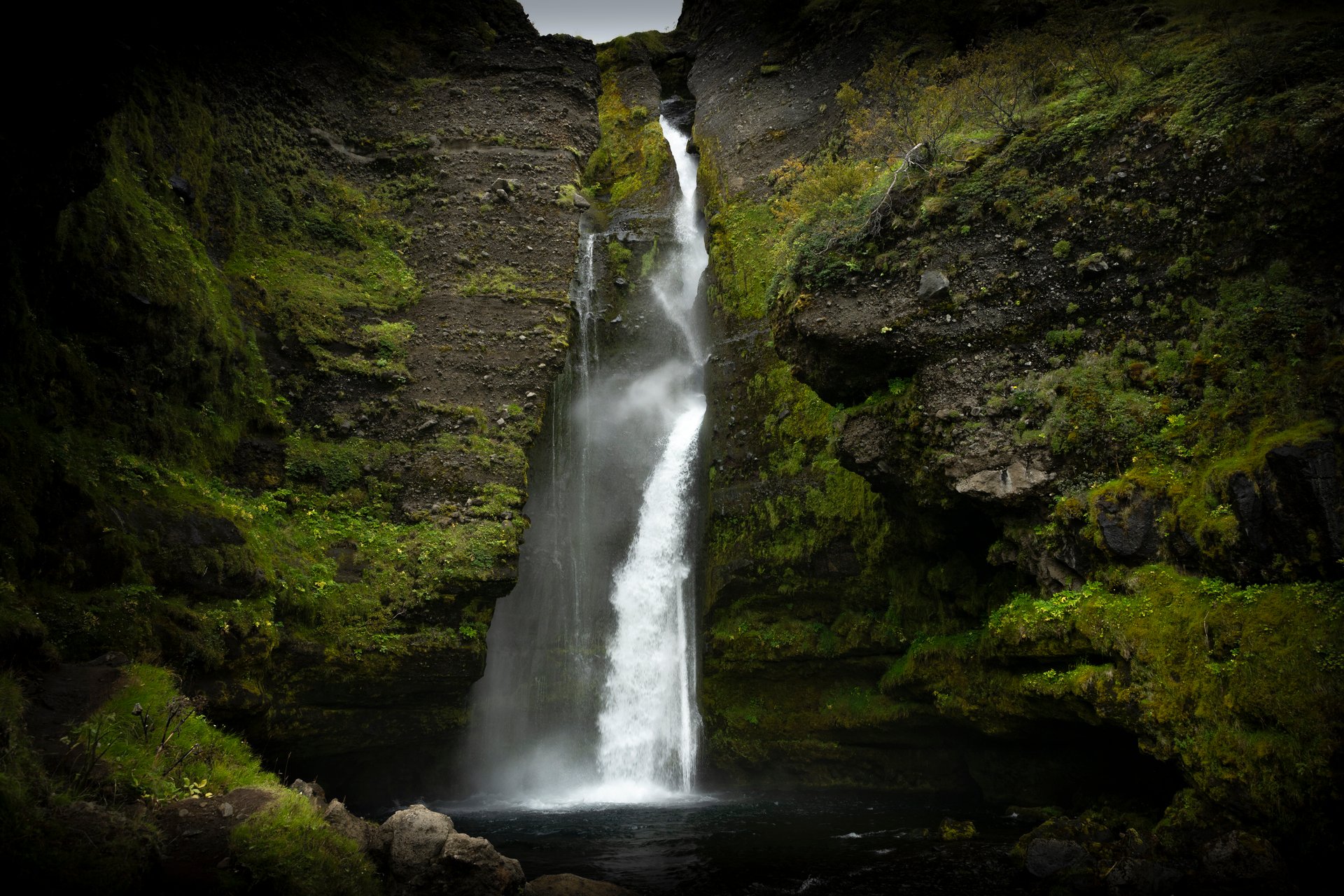
Daylight stretches to 21+ hours in late June. The Highlands open up around mid-June, giving access to Landmannalaugar, Þórsmörk, Askja, and the F-road network. Puffins arrive in their millions on the cliffs from late April to August. Whale watching peaks. Hiking opens up across the entire country. The midnight sun makes 11pm feel like 4pm, and you can hike a mountain at 9pm and have it to yourself.
Summer also opens regions that are simply unreachable in winter — the Westfjords being the biggest example. So a winter-first repeat visitor often ends up doing a fundamentally different geography on the return, not just the same places in a different season.
If you want to dig deeper into the seasonal differences, we also wrote a full winter vs summer in Iceland comparison.
Path 3: A Real Dive into the Highlands
For repeat visitors who want one specific change-the-game experience on their second trip, the Highlands are it.
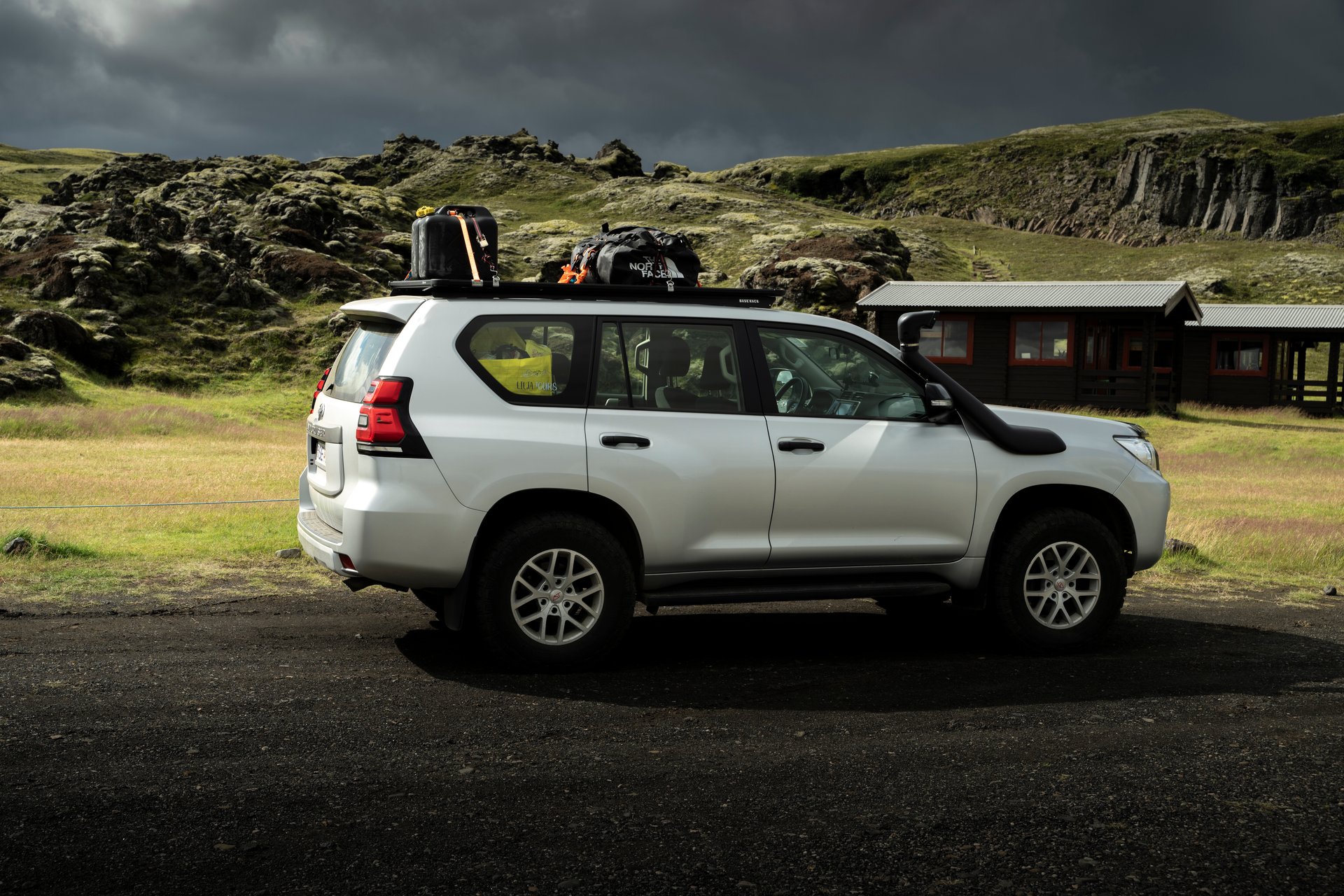
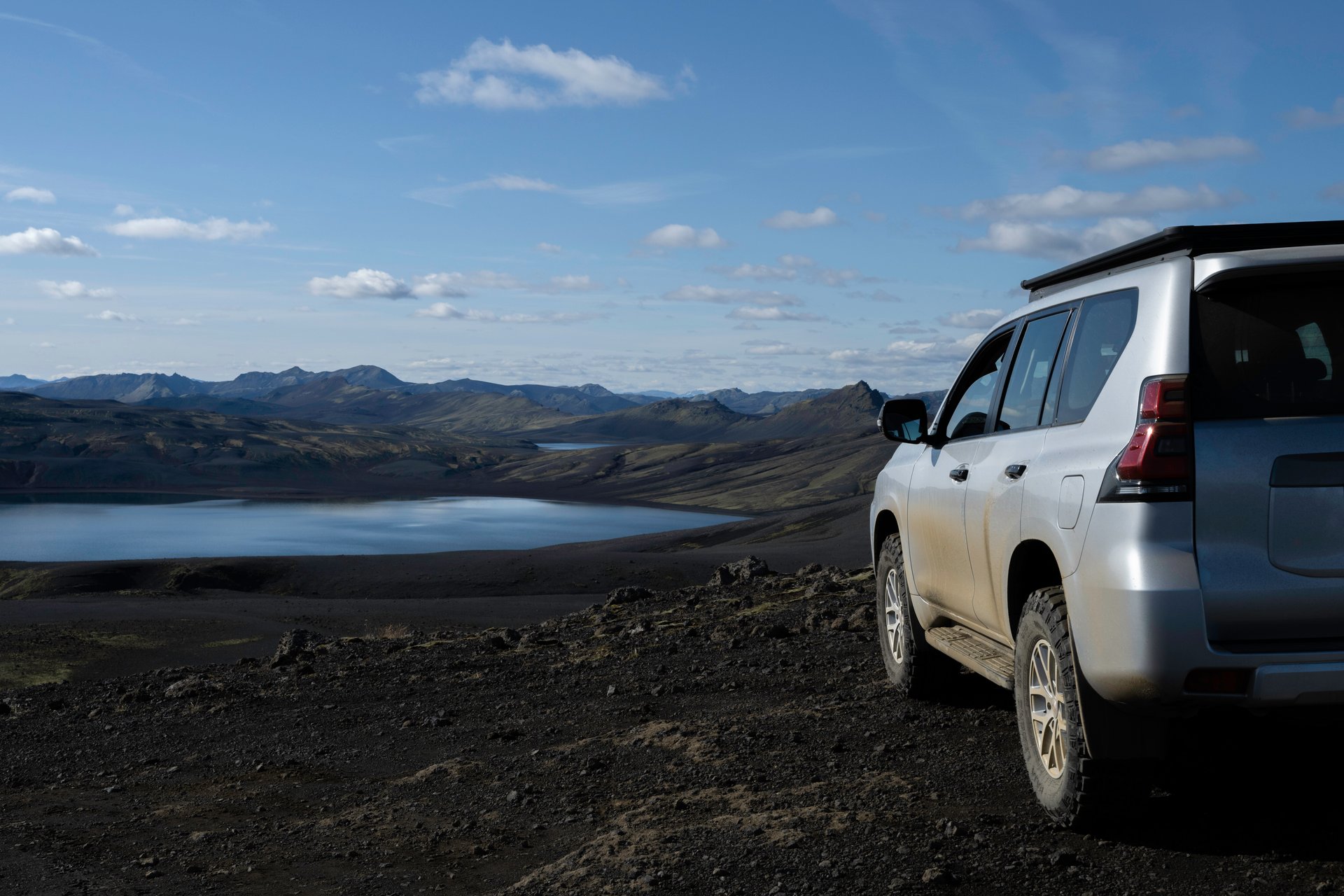
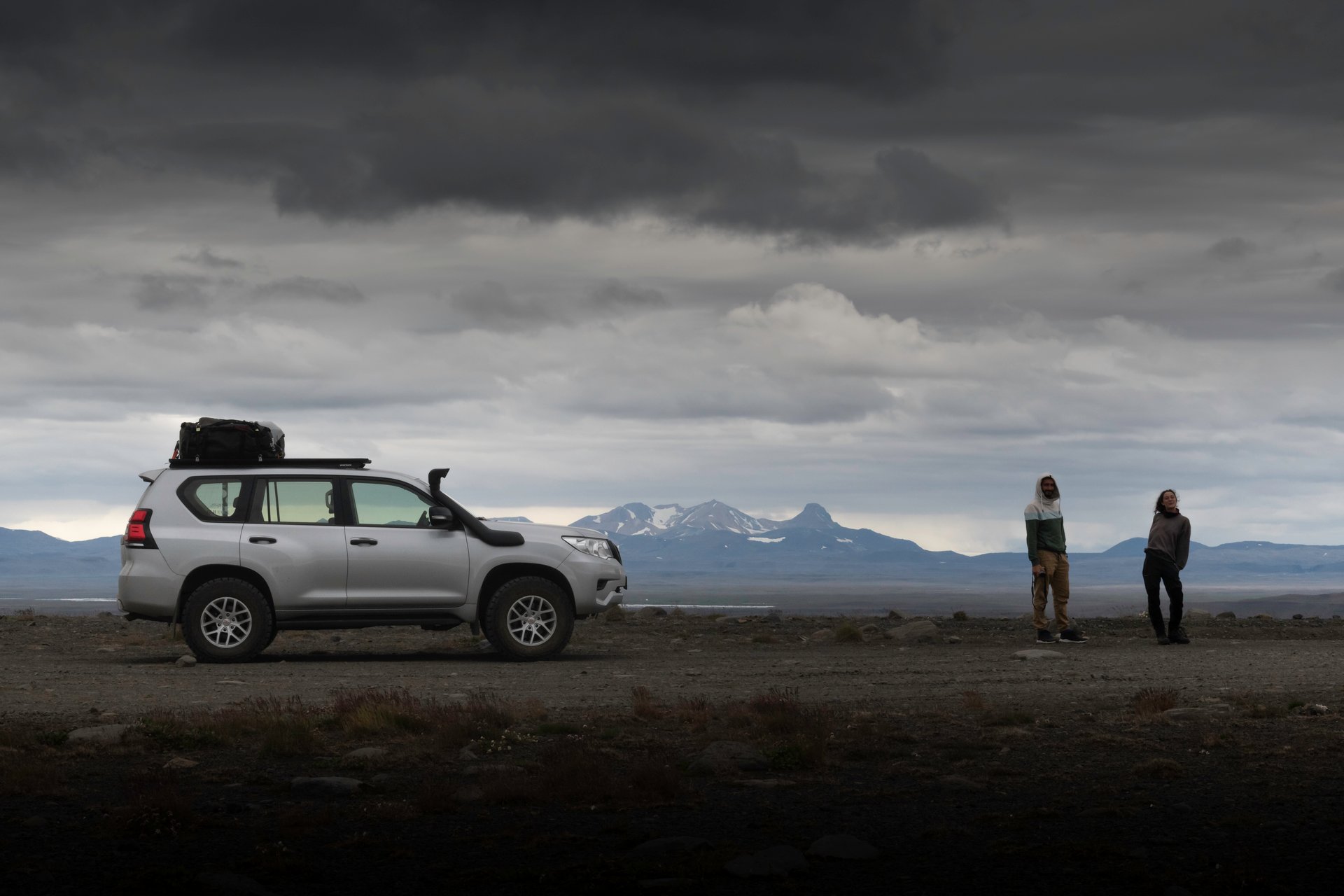
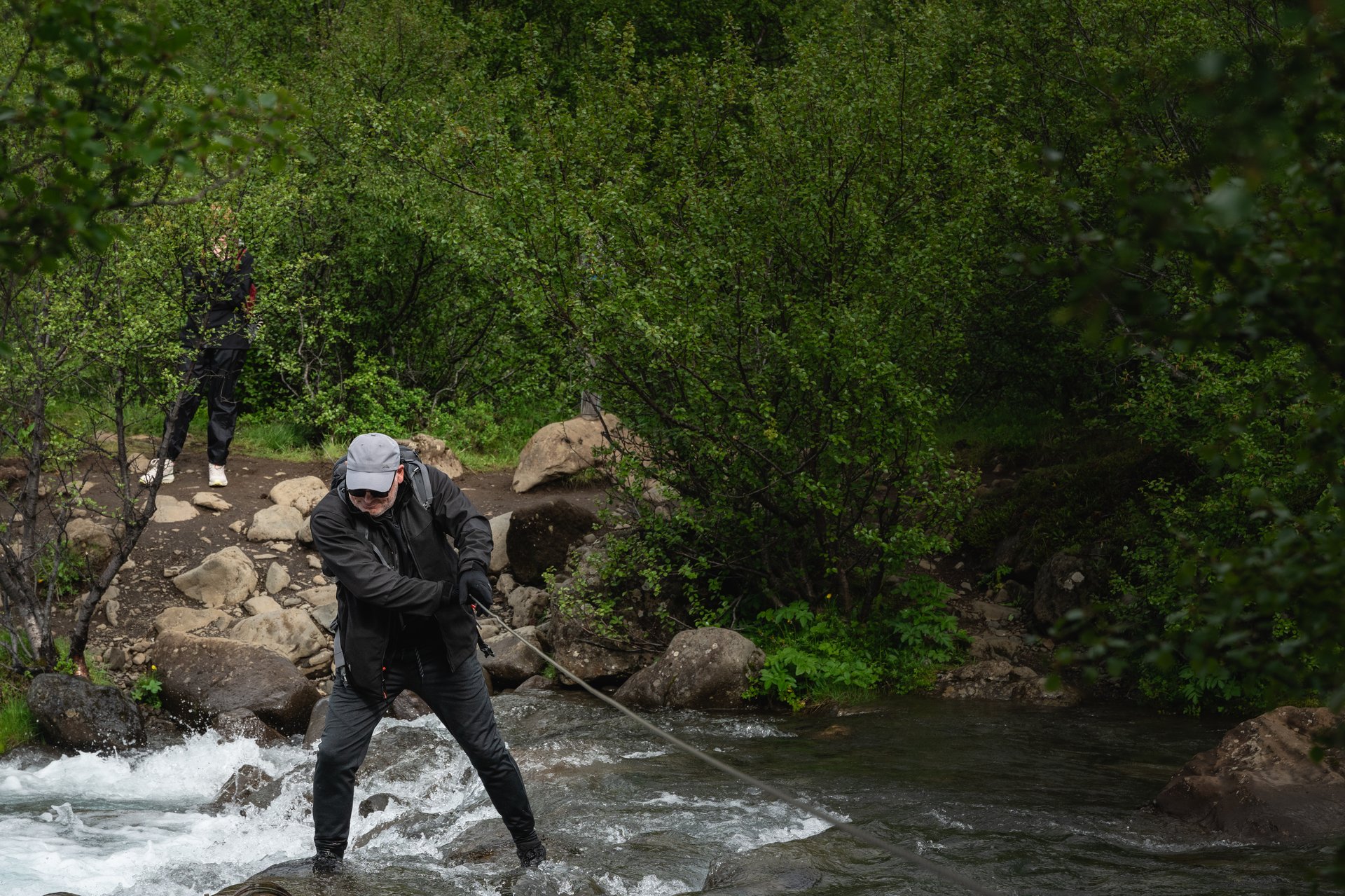
The Highlands are Iceland’s interior — a vast, uninhabited, roadless plateau that takes up most of the country’s landmass and that almost no first-time visitor sees. You can’t get there in a regular car. The roads are gravel F-roads, often with unbridged river crossings, often closed until well into June, and always closed by early October. They require a proper 4x4 — a Toyota Land Cruiser at minimum, often a modified super jeep — and route knowledge that only comes from doing it repeatedly.
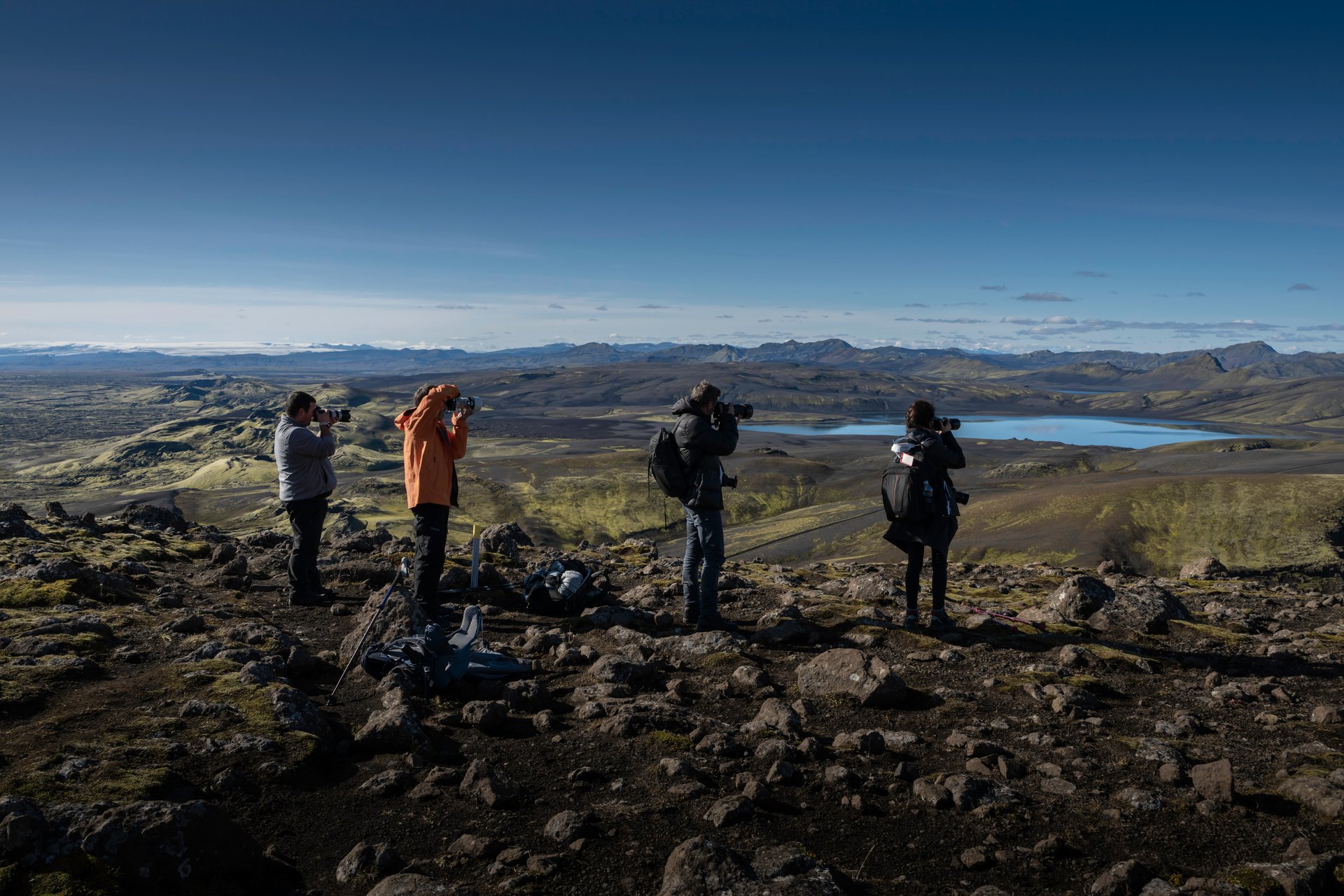
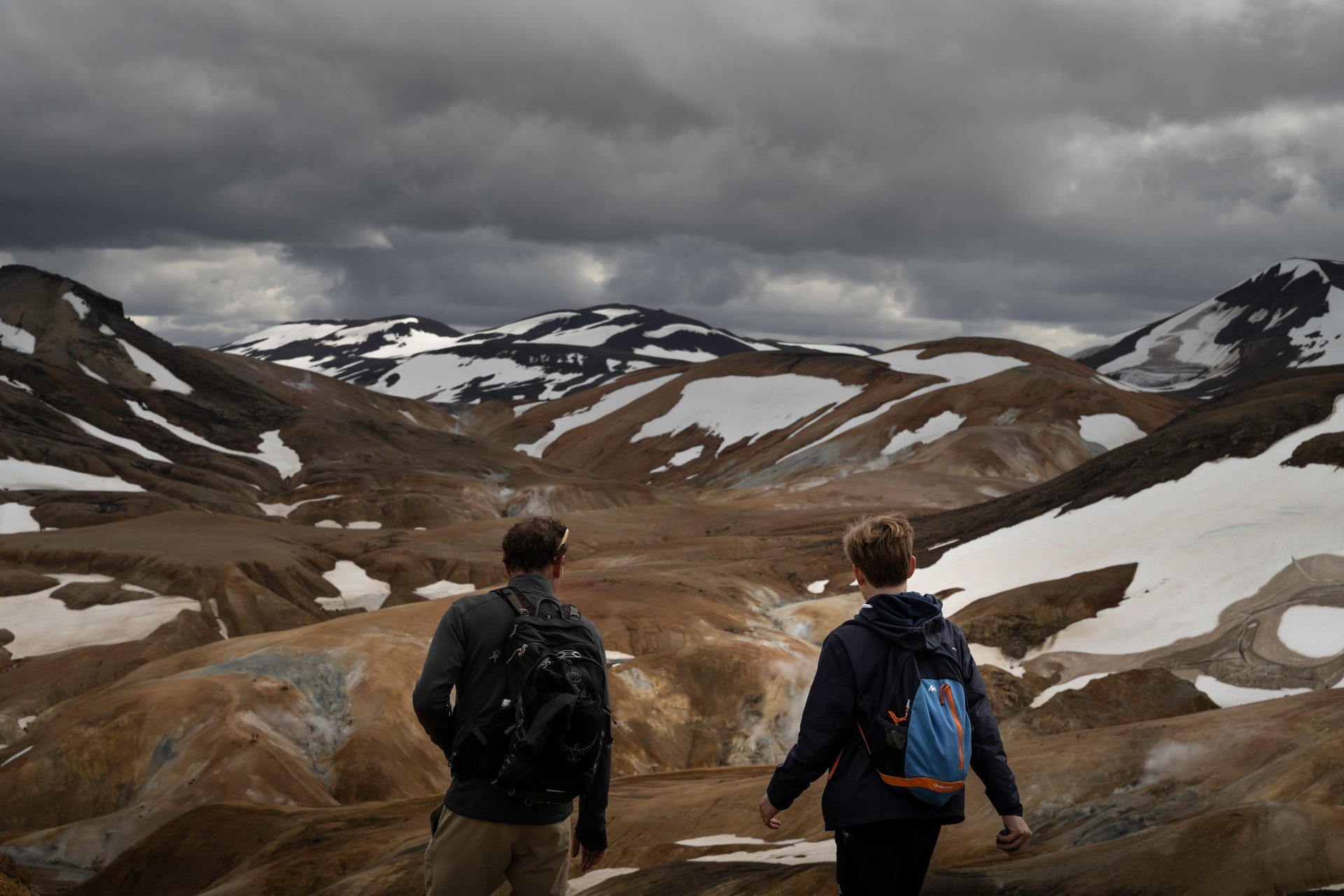
What’s up there is the version of Iceland that has nothing to do with the postcards. Black sand deserts that stretch to the horizon. Rhyolite mountains in shades of yellow, red, and green that look painted. Glacial rivers braiding across plains for kilometres. Geothermal fields steaming at the base of ice caps. Vast silence, no infrastructure, no cell signal in most places. You can drive for an hour and not see another vehicle.
The four anchor regions
Landmannalaugar is the most accessible and the most photographed: rhyolite mountains, hot springs you can actually swim in (right at the campsite), and the start of the famous Laugavegur trek. A long day trip from Reykjavík via super jeep, or better, an overnight in a mountain hut.
Þórsmörk (“Thor’s Forest”) is the lush green valley between three glaciers — Eyjafjallajökull, Mýrdalsjökull, and Tindfjallajökull — reached only by super jeep across multiple river crossings on the way in. A summer-only paradise of birch forest, glacier views, and some of the best hiking in the country.
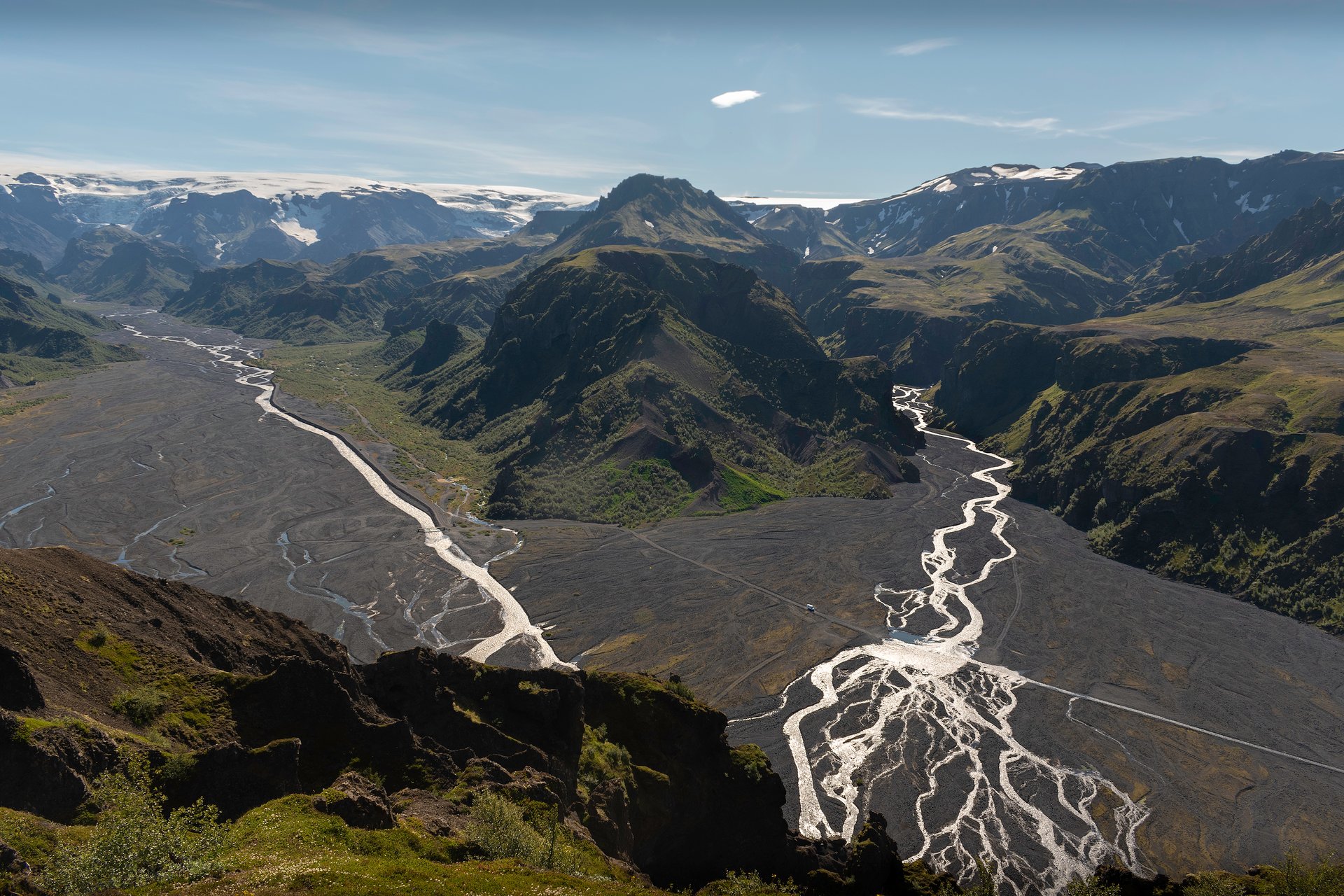
Askja is the most lunar landscape in Iceland — NASA literally trained Apollo astronauts here in the 1960s because the terrain is moon-like. A massive volcanic caldera with a smaller crater, Víti, that holds warm geothermal water you can swim in. Four hours each way from Mývatn on F-roads.
Kerlingarfjöll is the underrated one. A geothermal mountain range with steaming valleys, multi-coloured rhyolite slopes, and a network of hiking trails that genuinely rivals Landmannalaugar with a fraction of the foot traffic.
Why the Highlands belong to the second trip
It’s not that first-timers can’t go. It’s that the Highlands work best when you’ve already had the introduction. You appreciate a steaming geothermal field at Hveravellir more when you’ve already seen Geysir. You appreciate the silence of Sprengisandur more when you’ve already done the busier south coast. The Highlands are Iceland with the volume turned down on infrastructure and turned up on landscape, and that contrast lands harder when you’ve experienced the louder version first.
If you want to go deep on why the Highlands almost always justify a private guide, we wrote about it here.
Path 4: Travelling With First-Timers
This is the scenario that comes up in our inquiries more than any other, and it deserves its own path because it’s a real planning challenge.
A repeat visitor wants to go deeper. A first-time visitor wants to see everything they’ve heard about. Send the group to the same Golden Circle the repeater has already done twice, and one half of the trip is bored. Skip the highlights to chase what the repeat visitor wants, and the first-timers leave Iceland having missed the things they came for. Everyone is mildly unhappy.
The good news is this is exactly the kind of itinerary that becomes much easier with someone planning it for you, because almost every famous site in Iceland has a less-known counterpart nearby that does the same job from a different angle. The trick is knowing which substitution to make where.
A working example: the south coast
Take the south coast, the most likely place for this conflict to surface. Skógafoss is a non-negotiable. It’s one of the iconic waterfalls of Iceland, the kind of single-drop, 60-metre-high wall of water that doesn’t lose anything to repeat viewing. First-time visitor sees it for the first time, repeat visitor sees it for the third time and is still glad they did. Easy call.
Seljalandsfoss is where it gets interesting. It’s the famous “walk behind the waterfall” stop on the south coast, and most first-timers really want that experience. Repeat visitors usually don’t — they’ve done it. So you’re stuck.
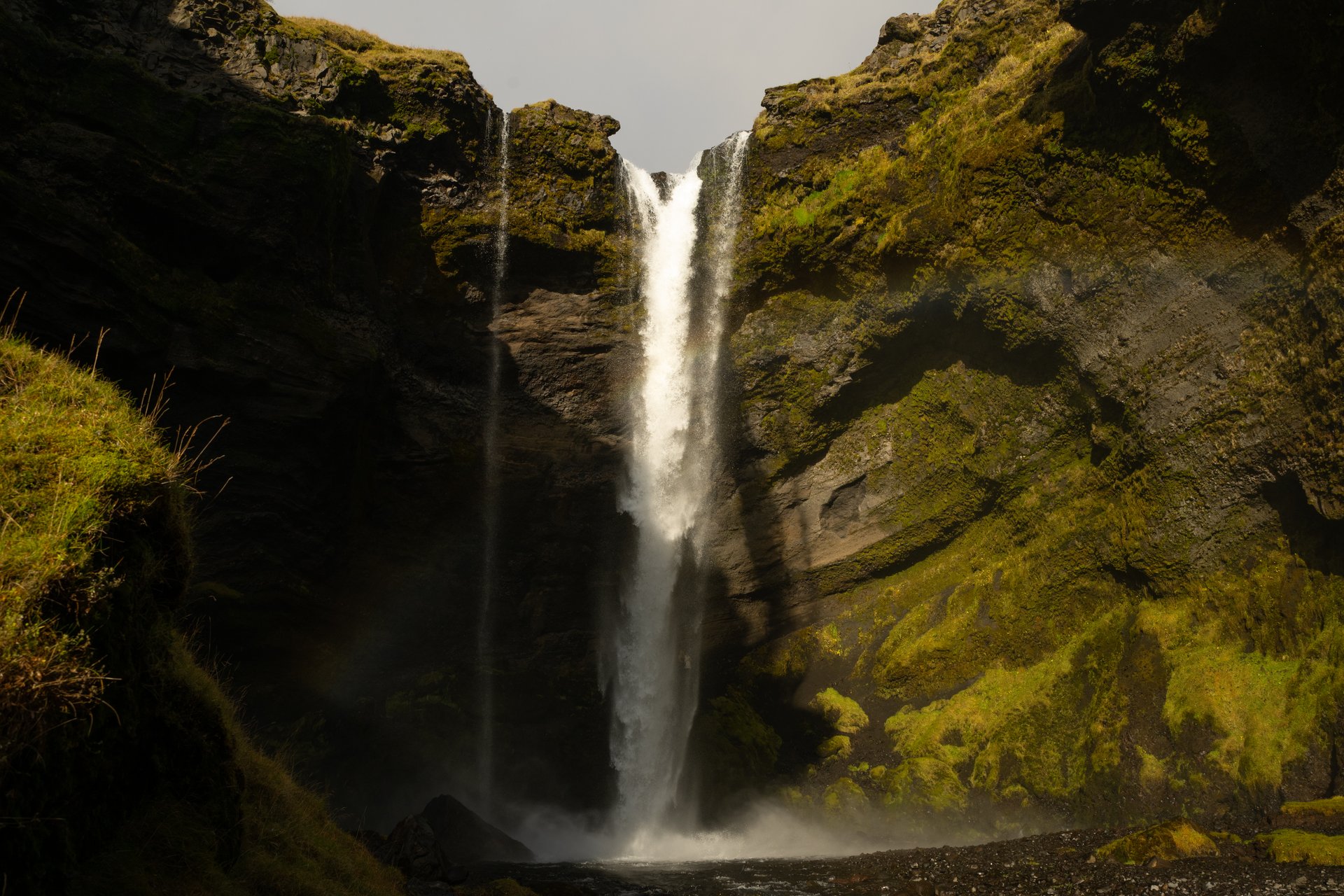
Except you’re not. Just over the next ridge, ten minutes’ drive away and almost completely unknown to first-time tourists, is Kvernufoss. It’s a roughly 30-metre drop in a moss-walled gorge — and you can walk behind it, just like Seljalandsfoss, with maybe a tenth of the people. First-timers get the experience they came for: the unique sensation of standing behind a waterfall, looking out through it. Repeat visitors get something they almost certainly haven’t seen, in a setting that often outdoes the better-known one.
The pattern repeats everywhere
This kind of substitution exists across the entire island. The famous waterfall has a quieter twin nearby. The famous black sand beach has a less-photographed alternative half an hour up the road. The famous geothermal lagoon has a smaller, often more atmospheric counterpart. The famous canyon has a sibling. The famous glacier viewpoint has a better one if you walk for twenty minutes instead of stopping at the parking lot.
You can’t really learn this from a guidebook — guidebooks list the famous things by definition. It comes from time spent on the ground, from local knowledge, and from understanding what the people in your group actually want from each stop. This is what good itinerary design genuinely earns its place doing: matching the iconic to the people who haven’t seen it, and the alternative to the people who have, on the same day, in the same trip, without anyone noticing the choreography.
It’s one of the things that makes Iceland so well-suited to this kind of mixed-group travel. The country is small enough that the alternatives are usually a short drive from the icons, and varied enough that the alternatives genuinely don’t feel like consolation prizes. They often feel like the better stop.
Path 5: Upgrading the Experience Itself
The fifth path doesn’t change the geography or the season at all. It changes the way the country is experienced.
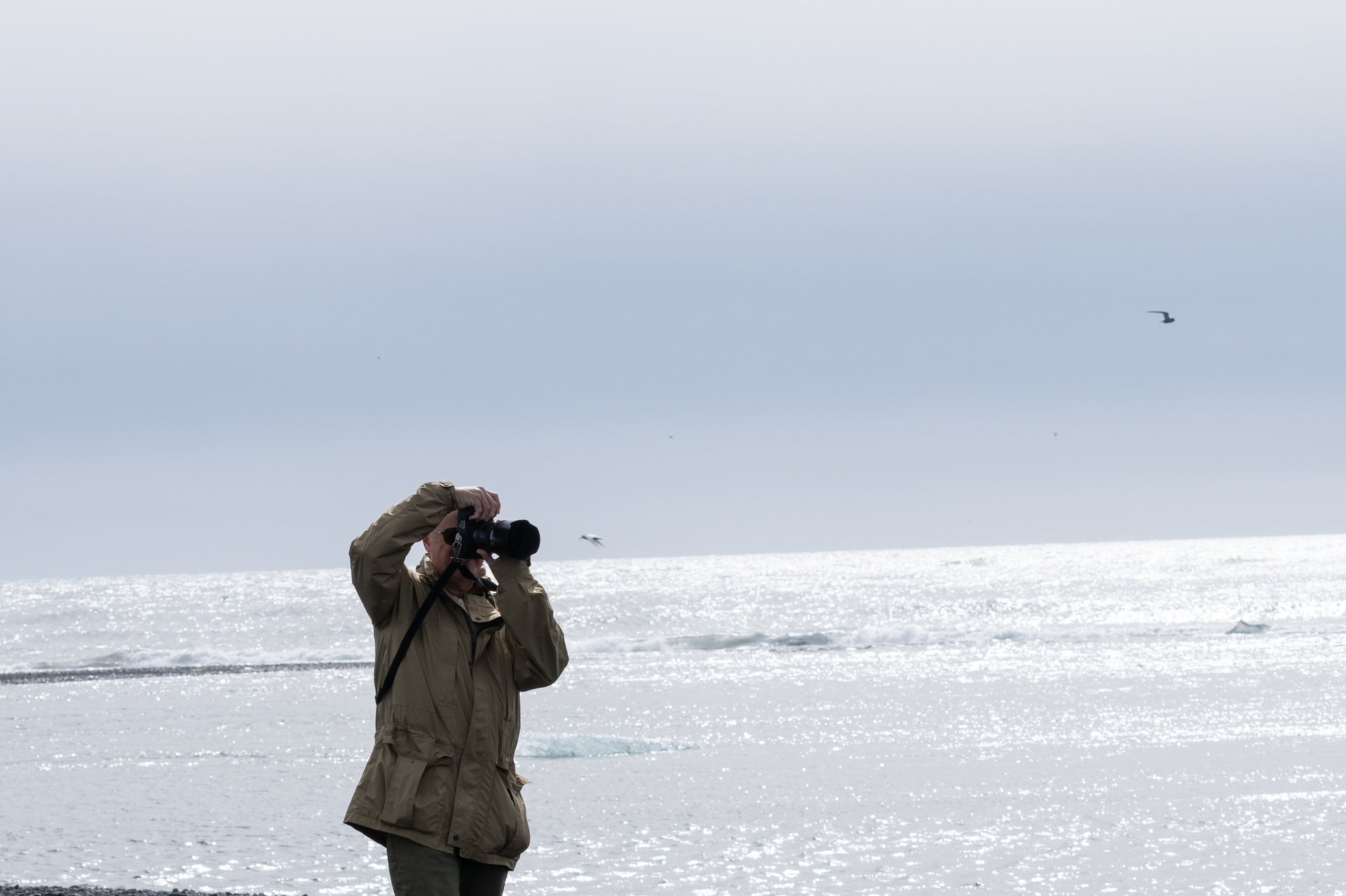
A lot of first-time Iceland trips are done one of two ways: a self-drive rental car loop, or a coach-tour package. Both work, both have their strengths, and both have a ceiling on what the trip can become. Self-drive trades convenience for control and means navigation, weather management, dead-of-winter driving, missed sites because the parking was full, and the constant low-level mental tax of being your own logistics team. Coach tours trade flexibility for ease and mean fixed schedules, fixed stops, the same sites everyone else is hitting at the same time of day, and zero capacity to adjust to what you’re actually loving.
For a meaningful percentage of repeat visitors, the change-the-game move on the second trip is doing the same country with a private driver-guide and vehicle.
What actually changes
The pacing changes first. You stop driving past things because you’re tired, or because the parking is full, or because the next site is “on the schedule.” Your guide knows when to skip a site that’s currently overrun and come back at a quieter hour. They know which café in the small town off the main road actually has good food. They know when the wind shift means the canyon you were planning to visit will be unpleasant and worth swapping for somewhere sheltered.
The depth changes second. You stop reading interpretive panels and start having a conversation. The story of the 2010 Eyjafjallajökull eruption gets told properly, with personal context, by someone who lived through it. The geology of a lava field is explained in the field, not from a book. You ask questions and get real answers, not generic ones.
And the friction disappears. You stop thinking about the next turn, the parking, the gas station, the timing, the weather, the food. You’re a passenger in your own trip, in the best sense of the word. For repeat visitors who did the country white-knuckled the first time around, this is often the change that makes them book a third trip, and a fourth.
We’ve written separately about the differences between self-drive, group tours, and private guided trips, and which makes sense for which kind of visitor.
Practical Notes for Planning a Second Trip
A few things worth flagging that come up specifically with repeat visitors:
Don’t try to do everything you missed. The most common second-trip mistake is treating the return as a checklist of what wasn’t covered the first time. Pick a path. Commit to it. The country rewards depth far more than it rewards breadth, and trying to combine “the Westfjords plus the north plus the east plus the Highlands” in 8 days produces a more rushed trip than the first one.
Ten days is the second-trip sweet spot. Five to seven days works for first-timers because you’re sticking to a tight geographic circle. For repeat visitors going further afield, 10–14 days is where the math works out. Less than that, and the increased driving distance to the new regions starts eating into the experience.
Book earlier, not later. Repeat visitors often have specific hotels or experiences in mind from research between trips. Northern lights season (October–March) and summer (June–August) at the better countryside properties book out 6–9 months in advance. The flexibility of the first trip becomes harder to recreate on the second.
Talk to someone before you commit to dates. This is the most useful thing a repeat visitor can do, and it’s free. The right month for the Highlands is not the right month for ice caves. The right month for the Westfjords is not the right month for Northern Lights. If you’ve decided on a path, get a 20-minute conversation in before locking in flights — it’s the easiest way to avoid trip regret.
Which Path Is Right for You?
If we had to summarize the decision in a sentence each:
- Path 1 (Geography) — for repeat visitors who want a fundamentally different part of the country.
- Path 2 (Season flip) — for repeat visitors who want a fundamentally different version of the country.
- Path 3 (Highlands) — for repeat visitors who want the most dramatic landscape Iceland has, in its purest form.
- Path 4 (Mixed group) — for repeat visitors travelling with first-time visitors, and looking for an itinerary that works for both.
- Path 5 (Upgrade) — for repeat visitors who want the same Iceland, done at a completely different level of ease.
Most second trips end up touching two paths, not one. A geography-flip plus an experience upgrade. A seasonal flip plus a Highlands stretch. A mixed-group itinerary done with a private guide because that’s how the planning becomes manageable in the first place.
Whichever path fits, the thing repeat visitors almost universally tell us at the end of the second trip is some version of the same sentence: “This felt like a different country.” It is, and it isn’t. The country is the same. The way you’ve come to it is what’s changed.
Planning Your Return Trip
If you’re thinking about a second Iceland trip and aren’t sure which of the five paths makes sense for you, we’re happy to help work through it. Every itinerary we design is fully private — guide, vehicle, pacing, route, the works — and built around the specific people travelling, not around a fixed product. You can send us a multiday tour request or book a 20-minute call to talk it through.
The first trip is about getting to know Iceland. The second is about choosing how you want to know it.
FAQ
Is Iceland worth visiting a second time? Yes. A first trip to Iceland typically covers about 15% of the country. The remaining regions, the opposite season, and the Highlands interior all offer experiences that feel like a different country entirely. Most repeat visitors describe the second trip as more rewarding than the first.
How long should a second trip to Iceland be? Ten to fourteen days is the sweet spot. First-time visitors can manage Iceland in five to seven days because they stick to a tight geographic loop. Repeat visitors heading to the north, east, Westfjords, or Highlands need more time to absorb the increased driving distances.
What is the best second trip if the first one was in summer? Winter. The landscape, daylight, and activities change completely. Ice caves, frozen waterfalls, snow-covered lava fields, and Northern Lights are all impossible in summer. A winter return visits what feels like an entirely different country.
Can I access the Icelandic Highlands on my first trip? You can, but the Highlands reward a second trip more. They are only open from mid-June to early October, require a proper 4x4, and work best after you have experienced the accessible south coast and Golden Circle. The contrast is what makes the Highlands land hardest.
How do I plan a trip with both first-timers and repeat visitors? Iceland is well-suited to mixed-group travel because most famous sites have a lesser-known counterpart nearby. A private guide can match the iconic stop to the first-timers and the alternative to the repeat visitors on the same day, without anyone noticing the choreography.