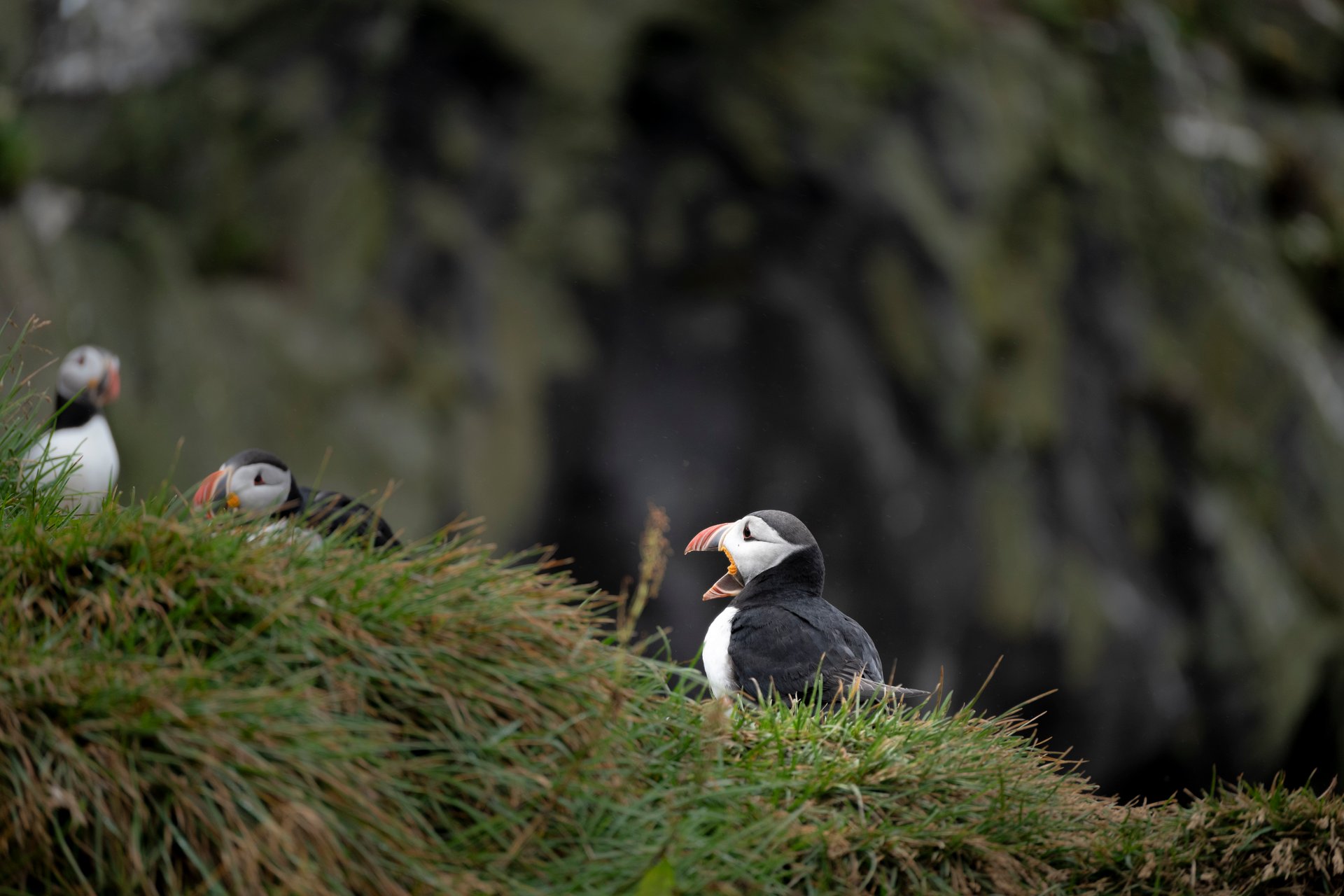
The puffins are back in Iceland.
On April 10, 2026, the first Atlantic puffins of the season were spotted at Grímsey island in the north and at Borgarfjörður Eystri in the east — right on schedule. After spending eight months at sea, scattered across the open North Atlantic, millions of these birds are now returning to Iceland’s coastal cliffs and offshore islands to breed, nest, and raise this year’s generation of pufflings.
For anyone visiting Iceland between now and mid-August, this is one of the best wildlife encounters the country offers. No zoo, no enclosure — just wild seabirds in spectacular coastal settings, often close enough to photograph without a telephoto lens.
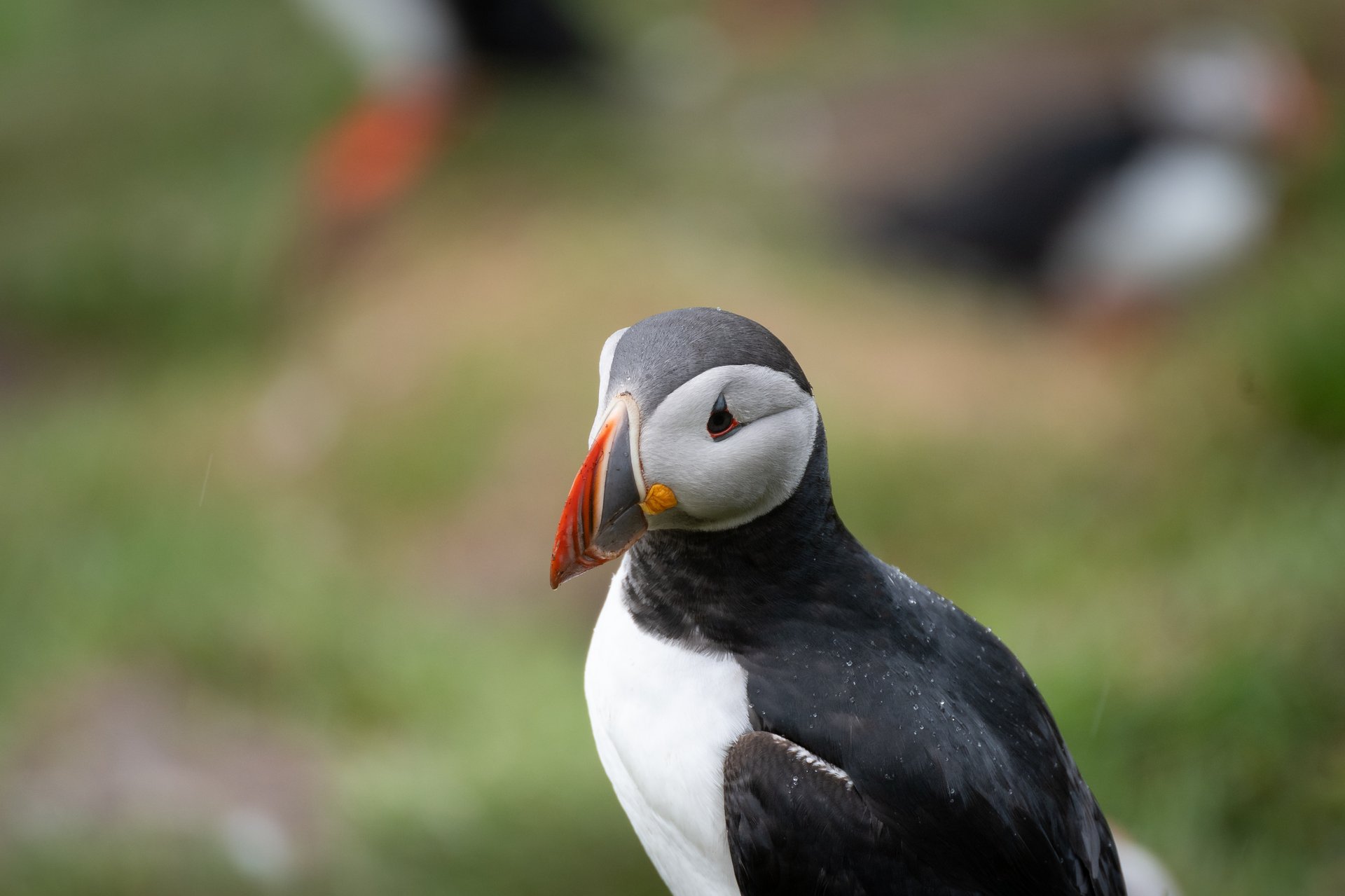
Here is where to find them, when to time your visit, and a handful of facts about puffins that most visitors find genuinely surprising.
Where to See Puffins in Iceland This Summer
Iceland is home to roughly sixty percent of the world’s entire Atlantic puffin population — somewhere between eight and ten million birds. They nest along the coastline from the Westfjords to the east, and on several offshore islands. Not all locations are equally accessible, and the experience varies depending on where you go.
These are the best spots, ranked by how close you can get and how reliable the viewing is.
Borgarfjörður Eystri — The Best Puffin Experience in Iceland
This small village in East Iceland has built a dedicated viewing platform at Hafnarhólmi, a rocky headland where thousands of puffins nest each summer. The platform puts you at eye level with the birds — no binoculars needed. Puffins here are remarkably unbothered by quiet visitors, and you can watch them waddle, preen, and land with beaks full of fish from just a few metres away.
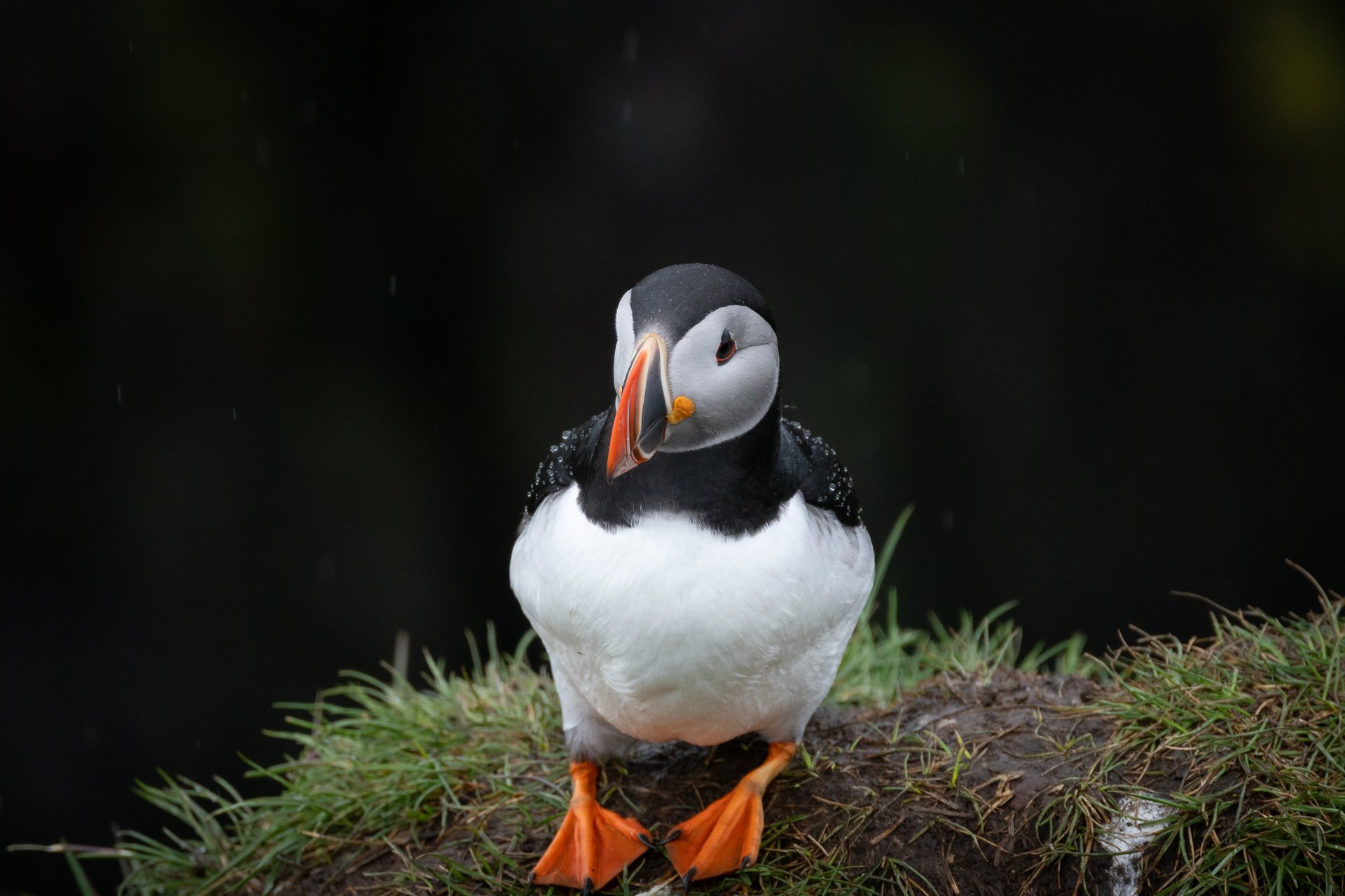
Borgarfjörður Eystri is also where the first puffins of 2026 were spotted this week. The colony tends to get early arrivals, making it one of the first places in Iceland where puffin season begins.
The village is off the ring road in East Iceland, which means fewer tourists and a more intimate experience. If you are doing a multiday ring road tour, it is absolutely worth the detour.
Westman Islands (Vestmannaeyjar) — The Largest Colony on Earth
The Westman Islands, just off Iceland’s south coast, host the single largest Atlantic puffin colony in the world — around 800,000 breeding pairs. Heimaey, the only inhabited island in the archipelago, is the gateway. During peak season from late May through July, the cliffs on the south and east sides of the island are covered with puffins.
The islands are reached by a thirty-five-minute ferry from Landeyjahöfn or a short domestic flight from Reykjavík. If sheer numbers are what you are after, this is the destination.
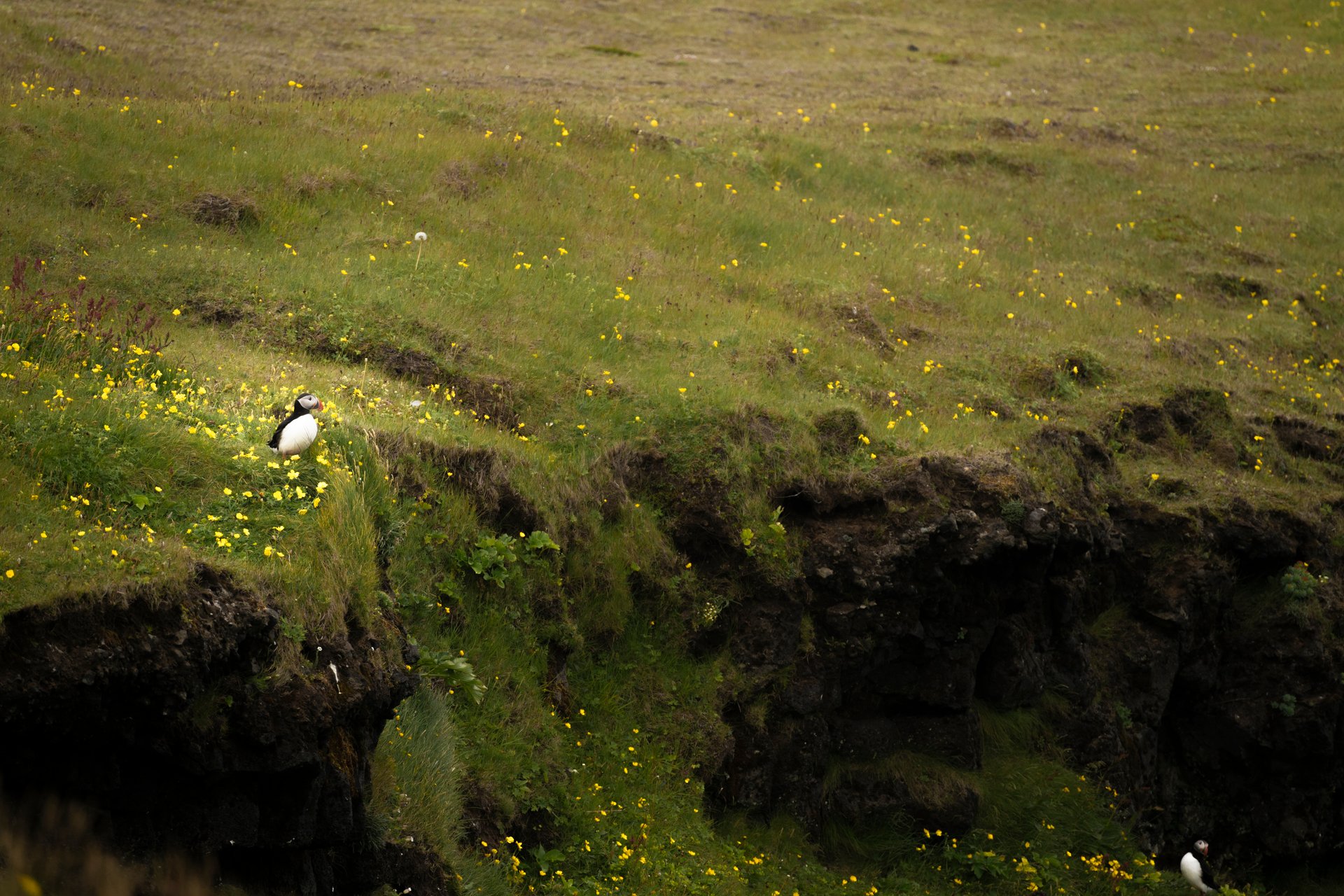
The Westman Islands are also famous for their annual puffling rescue in August, when young puffins leaving the nest for the first time become disoriented by town lights. Local children collect them and release them at the coast the next morning — one of Iceland’s most endearing traditions.
Dyrhólaey and the South Coast — The Most Accessible Option
The sea arch and cliffs at Dyrhólaey, just west of Vík on the South Coast, are one of the most accessible puffin viewing spots in Iceland. You can drive right up to the lighthouse area and walk to cliff edges where puffins nest in the grassy slopes below.
Access to parts of the headland is restricted during peak nesting season — typically mid-May to late June — to protect breeding birds. Outside of those restrictions, it is a convenient stop on any South Coast day trip or multiday itinerary.
What I like about Dyrhólaey for clients: you get puffins combined with one of the most dramatic coastal panoramas in the country. The black sand beaches, Reynisdrangar sea stacks, and the arch itself make it a multi-layered stop, not just a single-species visit.
Látrabjarg — Europe’s Westernmost Bird Cliff
Látrabjarg stretches fourteen kilometres along the westernmost point of Iceland in the Westfjords. The puffin colonies here are famous for being exceptionally tame — birds nest in burrows just metres from the cliff-edge path, and they are remarkably tolerant of quiet, respectful visitors.
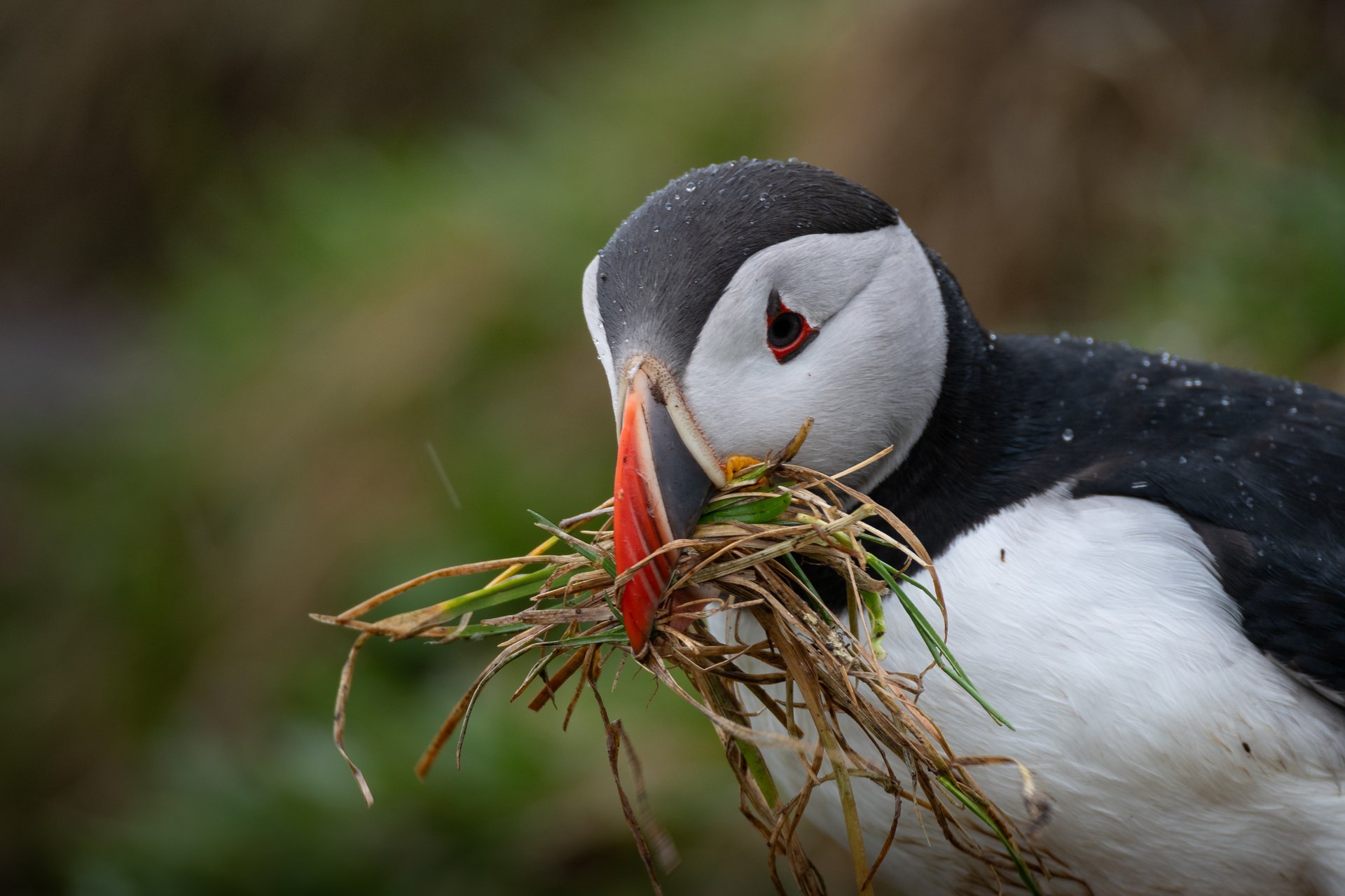
Getting to Látrabjarg requires a commitment. It is a long drive into the remote Westfjords, and most visitors combine it with a larger Westfjords itinerary. But the combination of dramatic cliffs, fearless puffins, and genuine solitude makes it one of Iceland’s most special wildlife encounters.
Grímsey — Puffins on the Arctic Circle
Grímsey island, Iceland’s northernmost inhabited territory, sits right on the Arctic Circle and is home to a large puffin colony. Most visitors come for the novelty of crossing into the Arctic, but the birdlife is the real reward. The island is reached by ferry from Dalvík or a short domestic flight from Akureyri.
Grímsey is also where the very first puffin of 2026 was spotted — continuing a tradition of early arrivals that locals have tracked for nearly two decades.
Near Reykjavík — Boat Tours to Lundey and Akurey
If you are short on time, puffin boat tours depart from Reykjavík’s old harbour to the small islands of Lundey and Akurey in Faxaflói Bay, where over 30,000 puffins nest in summer. The tours typically run from May through mid-August and last about an hour. You will not get as close as you would at Borgarfjörður Eystri or Látrabjarg, but it is a solid option without leaving the capital.
When to Time Your Visit
Puffin season in Iceland follows a reliable rhythm:
Mid-to-late April — The first scouts arrive at breeding colonies. This is where we are right now. Numbers are small and sightings are not guaranteed at all locations.
May — Colonies fill up. Puffins begin nesting and preparing burrows. Most puffin boat tours start operating. Good viewing at all major sites, though activity is still building.
June and July — Peak season. Colonies are fully established, adults are fishing and feeding chicks, and activity on the cliffs is at its most intense. This is the best window for photography and guaranteed sightings. June also brings the midnight sun, meaning endless golden light for wildlife photography.
August — Adults begin leaving. Pufflings fledge and head to sea on their own. By mid-August, most colonies have emptied. The Westman Islands’ puffling rescue happens during this period.
September onward — Puffins are at sea and will not return until the following spring.
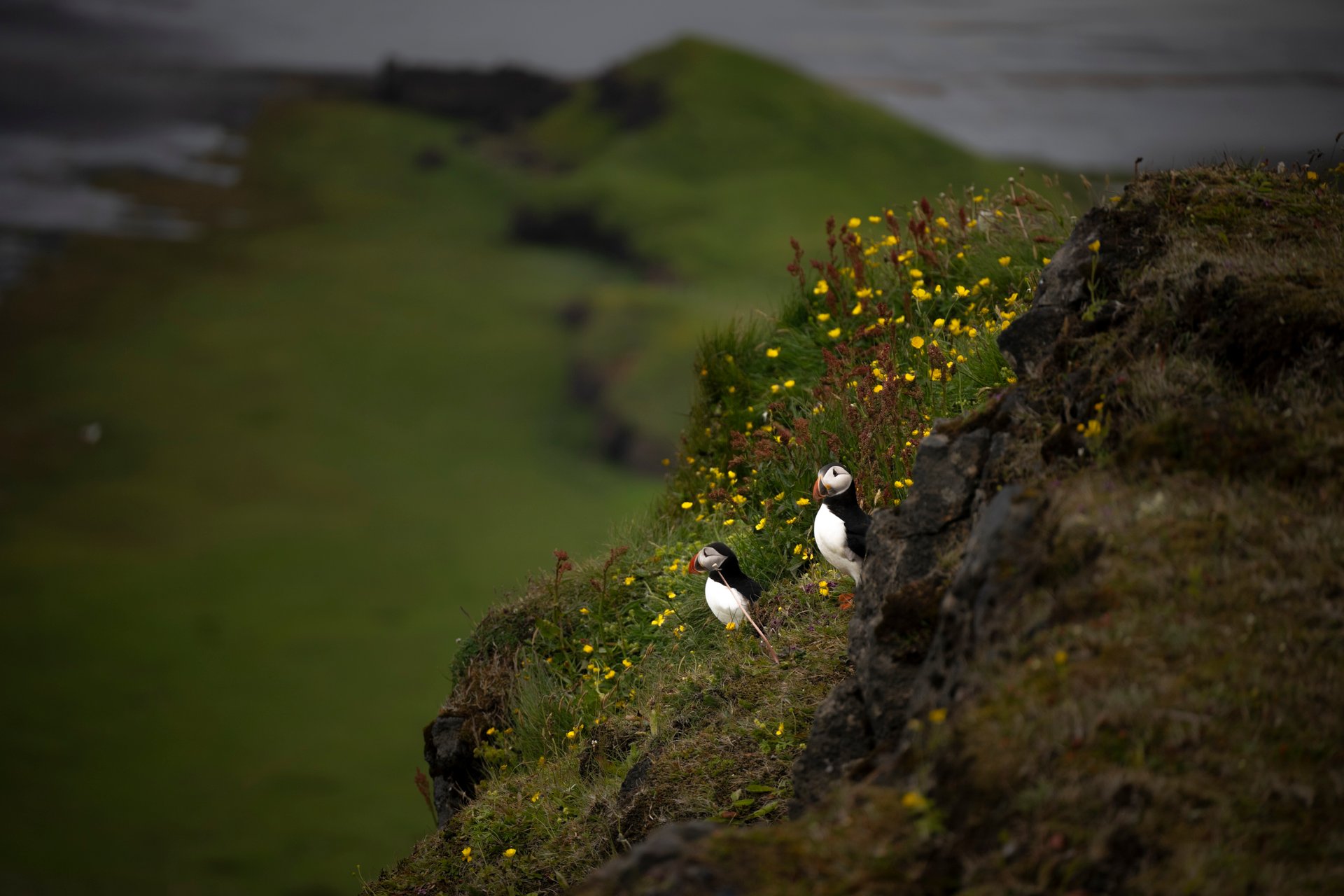
The best time of day is early morning and late evening, when adults return from fishing. During midday, many birds are out at sea.
10 Things Most Visitors Don’t Know About Puffins
1. They spend most of their lives at sea. Puffins are on land for only about four months of the year. The other eight months are spent alone on the open ocean — no land, no colony, just sea. Until recently, scientists did not even know where they went in winter. Modern tracking has found Icelandic puffins wintering as far as Newfoundland and the Mediterranean.
2. They mate for life. Puffin pairs return to the same burrow, with the same partner, year after year. Some pairs have been recorded together for over twenty years.
3. Each pair raises just one chick per year. The female lays a single egg, which both parents incubate for about forty days. One egg, one chick, one chance per season.
4. Their beaks change colour. The bright orange-and-yellow bill that makes puffins so recognizable is their breeding plumage. After nesting season, the colourful outer plates shed, leaving a smaller, duller beak for winter. Their face also darkens. Most humans never see a puffin in winter dress.
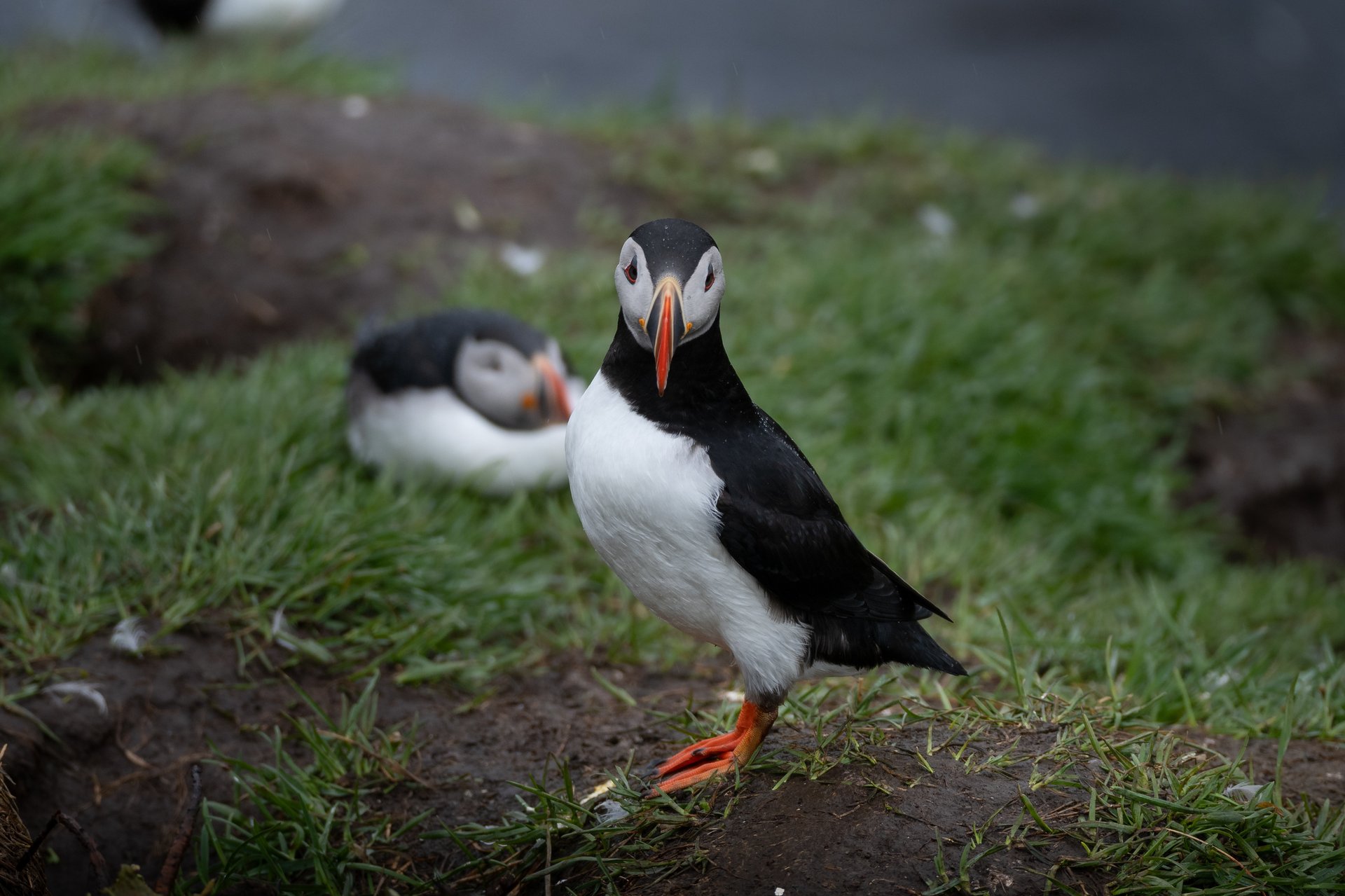
5. They can carry multiple fish at once. Puffins have a unique hinge mechanism in their beak that lets them hold a row of small fish — typically sand eels — crosswise while still catching more. The record is over sixty fish in a single beak load.
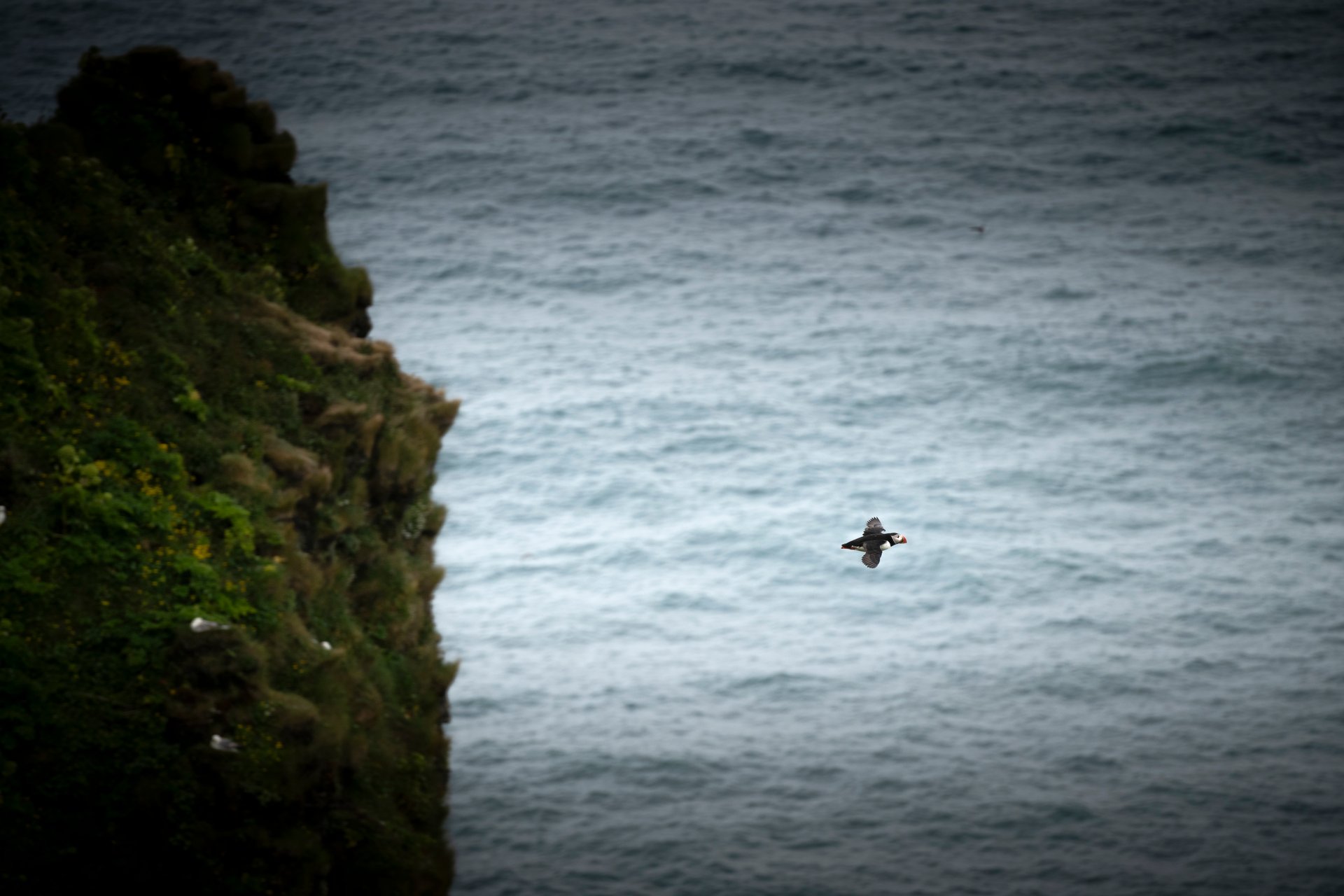
6. They fly at 80 km/h. Despite looking like they can barely stay airborne, puffins beat their wings up to 400 times per minute and reach speeds of around 80 kilometres per hour. They are far more capable flyers than their comical appearance suggests.
7. They dig their own burrows. Unlike many seabirds that nest on cliff ledges, puffins excavate burrows in soil or turf using their beaks and feet. Some burrows are reused and expanded over generations.
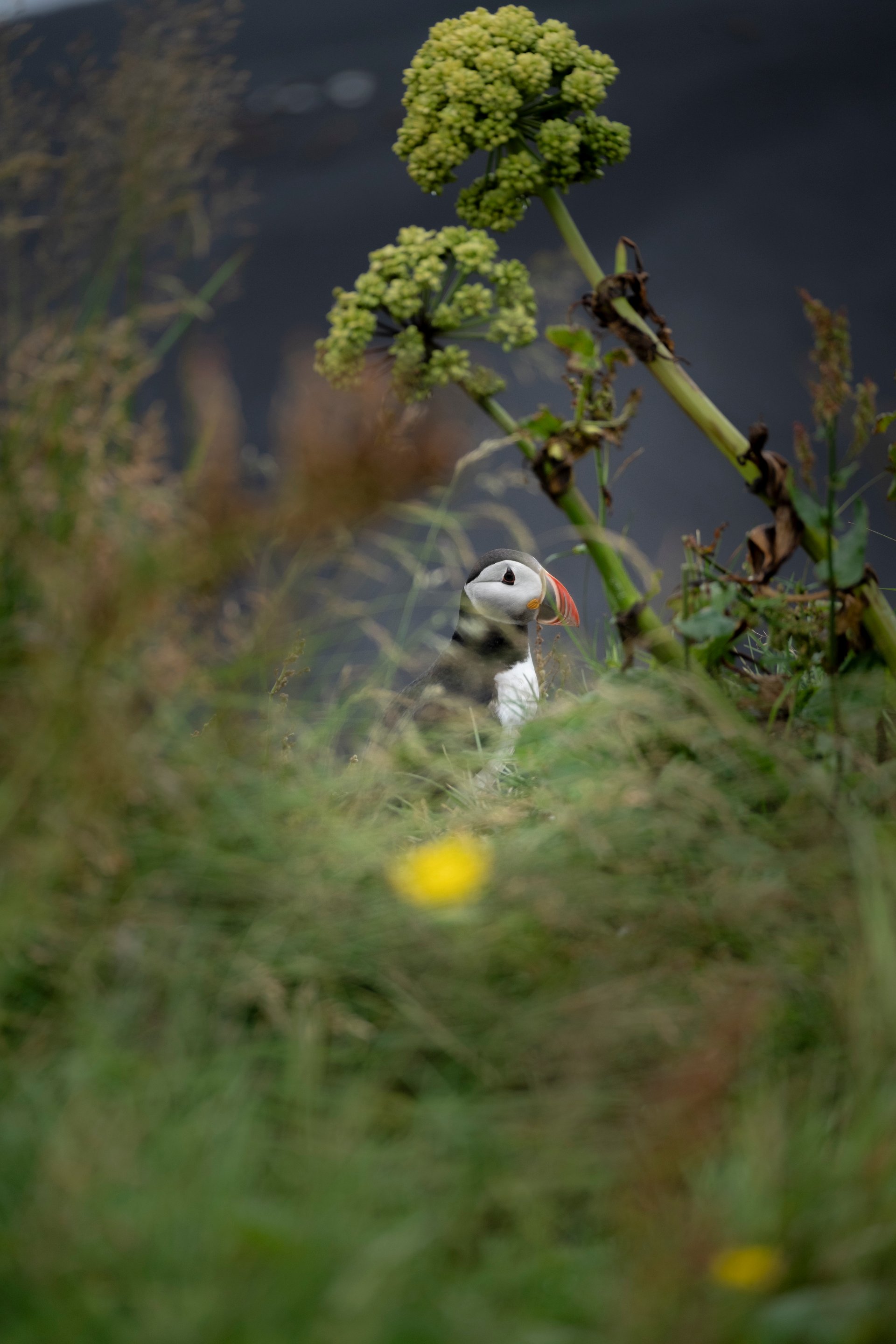
8. Their Icelandic name means “little preacher.” The Icelandic word for puffin is lundi, and their nickname is prófastur — preacher — because their black-and-white plumage looks like formal clerical attire.
9. Their conservation status is vulnerable. The Atlantic puffin was classified as vulnerable by the IUCN, and BirdLife International has declared it in danger of extinction. Climate change and shifts in fish populations are the primary threats. Iceland’s colonies remain the largest in the world, making responsible viewing especially important.
10. Pufflings navigate to the sea alone. When young puffins leave the nest at about six weeks old, they head to the ocean without their parents — at night, guided by moonlight on the water. In the Westman Islands, town lights disorient them, which is why locals rescue and release them each August.
Seeing Puffins on a Private Tour
Puffin viewing fits naturally into many of our private day tours and multiday itineraries. On a South Coast tour, Dyrhólaey is a standard stop during puffin season. On a ring road itinerary, we build in the Borgarfjörður Eystri detour for clients who want the best viewing experience in the country.
The advantage of having a private guide during puffin season is timing. We know which colonies are active, which access restrictions are in place, and what time of day gives you the best chance of seeing birds on the cliffs rather than out fishing. A thirty-minute difference in arrival time can mean the difference between a cliff full of puffins and an empty one.
If puffins are on your list, let us know when you are planning your trip and we will make sure the timing works.
→ Get in touch to plan a trip that includes Iceland’s most beloved birds.
Frequently Asked Questions About Puffins in Iceland
When is the best time to see puffins in Iceland?
June and July offer the most reliable and spectacular viewing. Colonies are fully active, chicks are being raised, and adults are constantly flying in with fish. May and early August are also good but less predictable.
Can I see puffins near Reykjavík?
Yes. Boat tours from Reykjavík’s old harbour visit the islands of Lundey and Akurey, where tens of thousands of puffins nest from May through mid-August. Tours typically last about an hour.
Do I need a guide to see puffins?
Not necessarily — Dyrhólaey and Borgarfjörður Eystri are both accessible independently. But a guide ensures you visit at the right time of day, knows current colony conditions, and can combine puffin stops with the rest of your itinerary without wasting time.
Are puffins endangered?
The Atlantic puffin is classified as vulnerable by the IUCN. Iceland’s colonies remain the world’s largest, but populations have declined due to changing ocean conditions. Responsible viewing — staying on paths, keeping quiet, never approaching burrows — matters.